INTERPOL Warns #Cybercrime Exceeds 30% of Recorded Crime in Much of Asia-Pacific 👁️
Cybercrime now accounts for more than 30% of recorded offenses in over half of the Asia and South Pacific countries surveyed by INTERPOL, according to a new regional threat assessment.
The report, based on responses from 18 member countries and covering January 2024 to March 2025, identifies scams and phishing as the region’s most widespread and financially damaging cyber threats. One-third of surveyed countries recorded more than 10,000 online scam cases.
INTERPOL said the rise has been fuelled by rapid growth in internet connectivity, mobile banking, cloud services, and digital finance, as wel as increasingly organized criminal networks. The region recorded more than 135,000 ransomware-related attacks in 2024, affecting sectors including manufacturing, financial services, and real estate. Distributed denial-of-service attacks increased by 92% year over year.
Discussions of deepfakes on forums and Telegram channels used by Southeast Asian threat actors rose by 600% between February and June 2024. Meanwhile, 5.5 in every 1,000 people clicked a phishing link each month, around twice the global average.
More than 6.5 billion cyber threats were detected and mitigated across the region during 2024, according to private-sector data cited by INTERPOL.
Most AI tools help compliance teams work faster. This is different.
For the first time, an AI agent can take an AML policy document and turn it into a fully configured compliance setup inside Sumsub.
Today, we're launching Sumsub's Model Context Protocol (MCP) server and a new suite of AI agent skills, making Sumsub the first verification platform to give AI agents access not only to operational tasks, but also to the configuration layer itself.
Upload your policy → Let the AI read it → Watch it build verification levels, rules, onboarding flows, risk questionnaires, and decision logic directly in the platform.
What used to require days of manual configuration and technical implementation can now happen in minutes.
Learn more about Sumsub’s Agentic experience now 👉 https://t.co/cLqE6rwGiV
#AI #AIAgents #Compliance
Compliance built into the product, not bolted on after🥷
That's how Arya Demehri, Head of Compliance, and Zach Walsh, Co-founder and CEO of @hifibridge, describe their approach to building stablecoin infrastructure.
The platform helps companies run cross-border payouts, treasury flows, and fiat on/off-ramps across both traditional rails and blockchain networks.
HIFI uses Sumsub as a centralized risk management layer across the full customer lifecycle: User Verification and Business Verification at onboarding, AML screening, transaction monitoring, Travel Rule, and Fraud Prevention — all connected in one setup.
The compliance team gets a single place to handle alerts, investigations, and reporting, with room to adjust workflows as requirements change.
The outcome: verification in under a minute and hundreds of hours saved on manual work like business due diligence and audit reporting.
Learn more: https://t.co/ypSl98gd5U
Your learning just got an upgrade.
Sumsub Academy courses are now CPD-accredited!🧑🎓
Here's the simple version:
Imagine learning a new skill and getting official recognition for the time and effort you put into it. That's what CPD accreditation does.
Now when you complete a Sumsub Academy course, you don't just gain practical knowledge — you earn recognized CPD hours and a certificate that can support your professional development.
And yes, it's still completely FREE.
Make your learning count.
Start learning today with Sumsub Academy. 🔗https://t.co/vgctNCG6gL
Proud to be part of Straight Outta LATAM!
At Sumsub, we enable fraud-free growth with identity verification, business verification, and ongoing monitoring solutions.
The next decade is being built from here.🤝
Latin America is having its golden age, and we built a public directory of the companies leading it.
Straight Outta LATAM is a hub where global companies find the ones already operating here, and where LATAM teams find each other.
As we continue building @thesumsuber, our goal is simple: to create something more valuable than another corporate blog — a media that tells the stories behind the digital trust industry, at the intersection of technology, fraud, regulation, and society.
To do that, we believe it's important to learn from people who have spent years mastering their craft.
This month, our editorial team had the opportunity to join a workshop with Milana Mazaeva, a Pulitzer Prize-winning journalist at The New York Times, who previously worked on investigations for the BBC and other leading international news outlets. Milana reviewed our work, shared insights from years of reporting on complex, high-stakes topics, and challenged us to think differently about how stories are built.
One thought from the workshop stayed with us:
"Numbers can open the door, but stories make people walk in."
A huge thank you to Milana for sharing her experience and helping us continue shaping The Sumsuber into a publication that informs, investigates, and makes complex topics accessible without sacrificing depth, nuance, or journalistic rigor.
We're honored to be featured in Monarchy and Democracy: A History of Leadership — an official History of Parliament publication exploring leadership, governance, and the evolution of public trust across the UK and Commonwealth.
Sumsub was selected for its contribution to digital identity verification and fraud prevention. These areas have become fundamental to how modern societies, institutions, and businesses establish trust in an increasingly digital world.
For over a decade, we've worked to help organizations verify identities securely, fight fraud, and create safer digital experiences for millions of people worldwide.
Being included alongside organizations shaping the future of leadership, innovation, and governance is a meaningful recognition of the role digital trust plays today. 🤝
The publication was officially launched last week at Westminster Abbey, bringing together leaders from across the UK's media, public affairs, and business communities to celebrate the project and its exploration of leadership, innovation, and governance.
Thank you to the History of Parliament Trust for this recognition!
Yesterday at @ethconf, we hosted a VIP dinner with our friends from @sumsub.
Got a good dose of informal talks about stables, AI, and how to bring more institutionals into the industry.
Now, onto the final day of the conference.
Scaling a fintech across markets means navigating a maze of verification requirements: different risk profiles, different geographies, different rules.
For @reapglobal, a Hong Kong-based company building stablecoin-native payments infrastructure, that meant finding a partner that could keep up.
Reap has been working with Sumsub since 2025 🤝, using our platform to verify related persons of business clients during onboarding and end cardholders across its card issuing services.
One feature has stood out in particular: Reusable KYC. By allowing securely stored verification data to be reused across partners in the Sumsub ecosystem, it means cardholders who have already completed checks elsewhere don't need to go through the full process again, reducing repeated steps, shortening onboarding, and keeping the experience smooth.
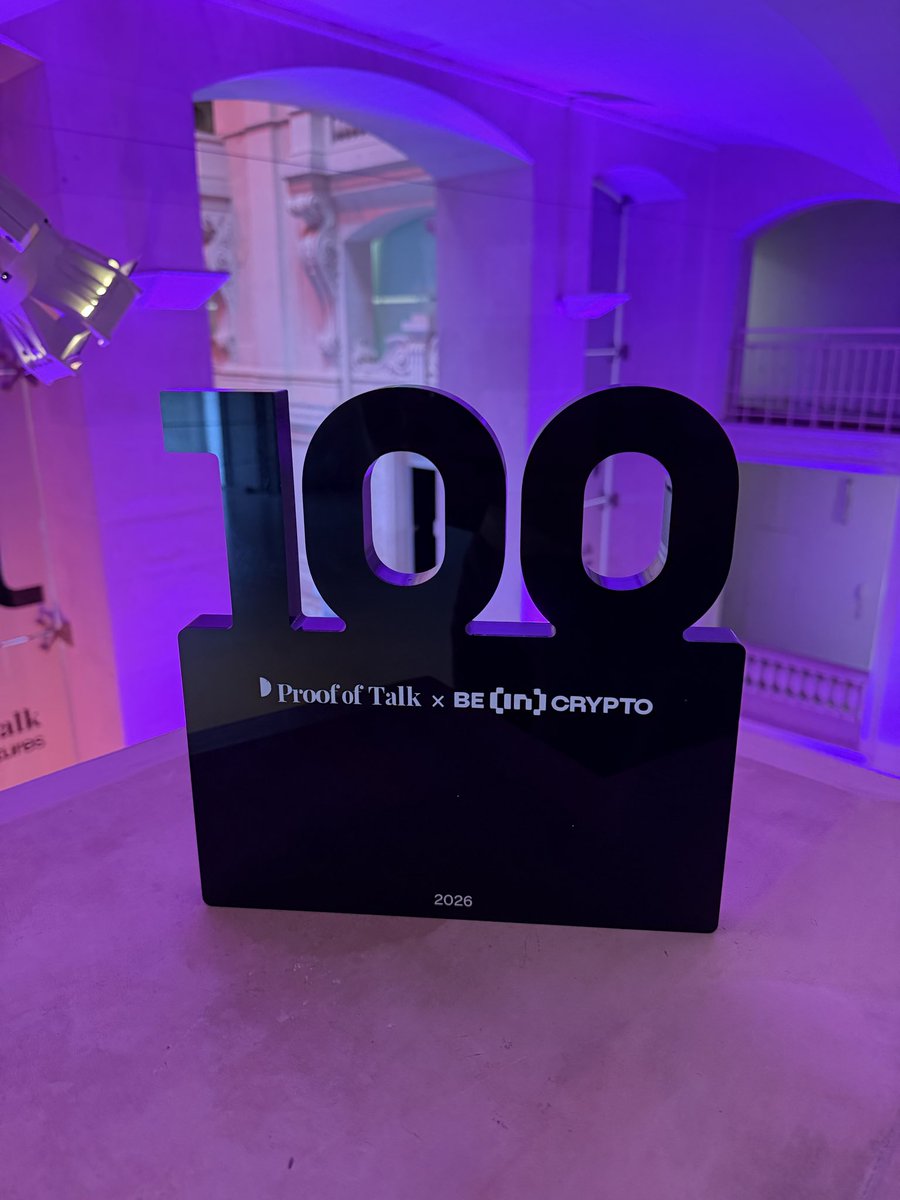
Good news from Paris.
Sumsub has been named in the BeInCrypto x Proof of Talk Institutional 100, recognized for Best Digital Asset Compliance Program.🏆
This award highlights the companies driving safer and more compliant digital asset ecosystems, and it reflects the commitment our team brings to this work every day.
#BIC100 @beincrypto@proofoftalk
@TheHackersNews The speed here is probably the most alarming part.
If the full chain from first contact to exfiltration can happen inside one business day, traditional review and escalation workflows become much harder to rely on.
@Cybernews The difficult part is making age assurance strong enough to protect minors without creating incentives to penalize privacy-focused behavior or overcollect user data.
At what point does “risk detection” start conflicting with legitimate privacy and security choices users make?