A Japanese immunologist spent 20 years proving that the chemicals trees release into the air walk into your bloodstream, hunt down your stress hormones, and arm your immune system in ways no therapist or pharmaceutical has ever matched, and most of the data has been sitting in Japanese medical journals for two decades waiting to be translated.
His name is Qing Li.
He is a clinical professor at Nippon Medical School in Tokyo and the president of the Japanese Society of Forest Medicine. The Japanese government has been funding his research since 2004, and the body of work he has produced is the reason forest bathing is now an officially prescribed clinical therapy in Japan and Korea.
The story actually starts in 1982, when the Japanese Ministry of Agriculture, Forestry and Fisheries coined the term shinrin-yoku to describe the practice of slow, mindful walking in a forest. They did it for a practical reason.
Japan was urbanizing fast, stress-related illness was climbing, and the country had thousands of square kilometers of forest sitting unused. The idea was to give people a reason to walk into the trees... They had no idea what was actually happening to the human body during those walks until Qing Li ran the first proper experiment in 2005.
He took twelve healthy adult men on a three-day, two-night trip to a forest park. They walked for a few hours each day. Nothing strenuous. No prescribed routes or breathing exercises. They simply walked slowly through the trees, breathing the air, looking at the forest.
Li drew blood and urine samples before the trip, on the second day, on the third day, on day seven after returning home, and again on day thirty.
The numbers that came back from the lab were not what anyone expected.
The activity of a specific type of immune cell called the natural killer cell, which is the cell your body uses to hunt down cancer cells and virus-infected cells before they can spread, had jumped by roughly 50 percent during the forest trip. The actual number of natural killer cells circulating in the bloodstream had increased significantly.
Three different anti-cancer proteins that those cells produce, called perforin, granzymes, and granulysin, had all risen sharply. And the effect did not disappear when the men went home. The immune boost was still measurable on day seven and was still partially present on day thirty.
Two hours a day in a forest had upgraded the immune system for a full month.
Li ran the same experiment with women a year later and found nearly identical results. Then he ran it with a control group who took a three-day trip through an urban area with the same amount of walking, the same hotel quality, and the same diet.
The urban group showed no measurable change in natural killer cell activity at all. The forest was doing the work, not the vacation.
The mechanism turned out to be a class of airborne molecules called phytoncides. Trees produce these compounds to defend themselves against insects, bacteria, and fungi. Pine, cedar, oak, and cypress trees release them in particularly large amounts, especially in warmer weather and after rainfall.
When you walk through a forest, you are inhaling those molecules into your lungs and absorbing them through your skin, and once inside your body they appear to directly stimulate the production and activity of the very immune cells Li was measuring in his lab.
Roughly 50 percent of the health benefit of a forest walk, according to Li's data, comes from the chemistry of the air itself. The other half comes from what the forest is doing to your nervous system.
This is where it stops being only about the immune system and starts being about stress.
A separate Japanese research team measured cortisol, the body's main stress hormone, in 84 participants across 35 different forest sites. They drew samples before and after a 30-minute walk in each forest and compared them to control walks in matched urban environments. The cortisol levels of the people who walked in the forest were lower than the cortisol levels of the people who walked in the city by a significant margin. Their heart rates were lower. Their blood pressure was lower.
The activity of their parasympathetic nervous system, which is the part responsible for rest and recovery, had gone up. The activity of their sympathetic nervous system, which is the part that drives fight or flight, had gone down.
Then a researcher at the University of Michigan named MaryCarol Hunter ran the cleanest version of this experiment ever done. She recruited participants from a city and told them to take a nature pill three times a week for eight weeks.
They were free to choose the time, the place, and the duration of the nature experience, as long as it was outside, in daylight, and free of phones, conversations, and aerobic exercise. They sent her saliva samples before and after each session so she could measure cortisol changes accurately and rule out the normal daily drop in stress hormones that happens to everyone.
The result was that participants experienced a 21.3 percent drop in cortisol per hour spent in nature, with the biggest payoff happening between minutes 20 and 30 of the walk.
After that, the cortisol kept dropping, but more slowly. The threshold dose for measurable stress relief was just 20 minutes outside in something that looked and felt like nature.
What none of this means is that nature is a substitute for therapy or for medication when someone genuinely needs them. Therapy treats different things than a walk does, and Li himself has been careful in interviews to call forest bathing a complementary intervention rather than a replacement for clinical care.
But what the research has settled is that the human body has a physiological response to being among trees that operates on the same biological systems modern medicine is trying to reach with drugs and clinical protocols, and that response is fast, measurable, and free.
The strangest part of Li's work is the implication he keeps repeating in interviews. The average person now spends more than 90 percent of their life indoors. Their cortisol stays elevated. Their natural killer cells stay sluggish.
Their parasympathetic nervous system rarely gets a chance to take over. The system that was tuned by millions of years of life under a canopy of trees is being asked to run permanently inside a box made of drywall and screens.
Your body has not forgotten what it is supposed to do in a forest. It is waiting for you to walk into one.
By letting water rest in copper vessels overnight, farmers were essentially "charging" their harvest. Copper is one of the most conductive elements on Earth; when it interacts with water, it releases trace ions that act as a natural stimulant for plant metabolism.
THIS IS WHAT A MEDBED SESSION LOOKS LIKE FROM THE INSIDE.
No needles. No drugs. No pain. Just light, frequency, and 47 seconds of cellular reconstruction that would take modern medicine 6 months to attempt and still fail.
Dr. William Shaw's lab found that 60 to 70% of people with autism had overgrowth of Clostridia and Candida in their intestines, organisms that antibiotics leave behind while killing beneficial bacteria.
Treatment would clear the overgrowth and symptoms would improve, sometimes dramatically. Then treatment stopped, and the autism returned along with the Candida.
The question was why the body wasn't maintaining the clearance on its own. A German study provided a striking piece of the answer: the measles vaccine was found to knock out children's immunity specifically to Candida, and only to Candida, leaving every other immune function intact.
The implications reach beyond autism. The same Clostridia and Candida pattern showed up across psychiatric diagnoses, and Dr. Shaw's lab documented complete reversal of severe schizophrenia using an antibiotic targeted at the bacterial overgrowth.
Scientists have created one of the most detailed 3D reconstructions of a human cell (eukaryotic cell) ever produced.
This groundbreaking model, often termed a "Cellular Landscape Cross-Section Through a Eukaryotic Cell," combines data from X-ray tomography, nuclear magnetic resonance (NMR), and cryo-electron microscopy to map molecular structures in extreme detail.
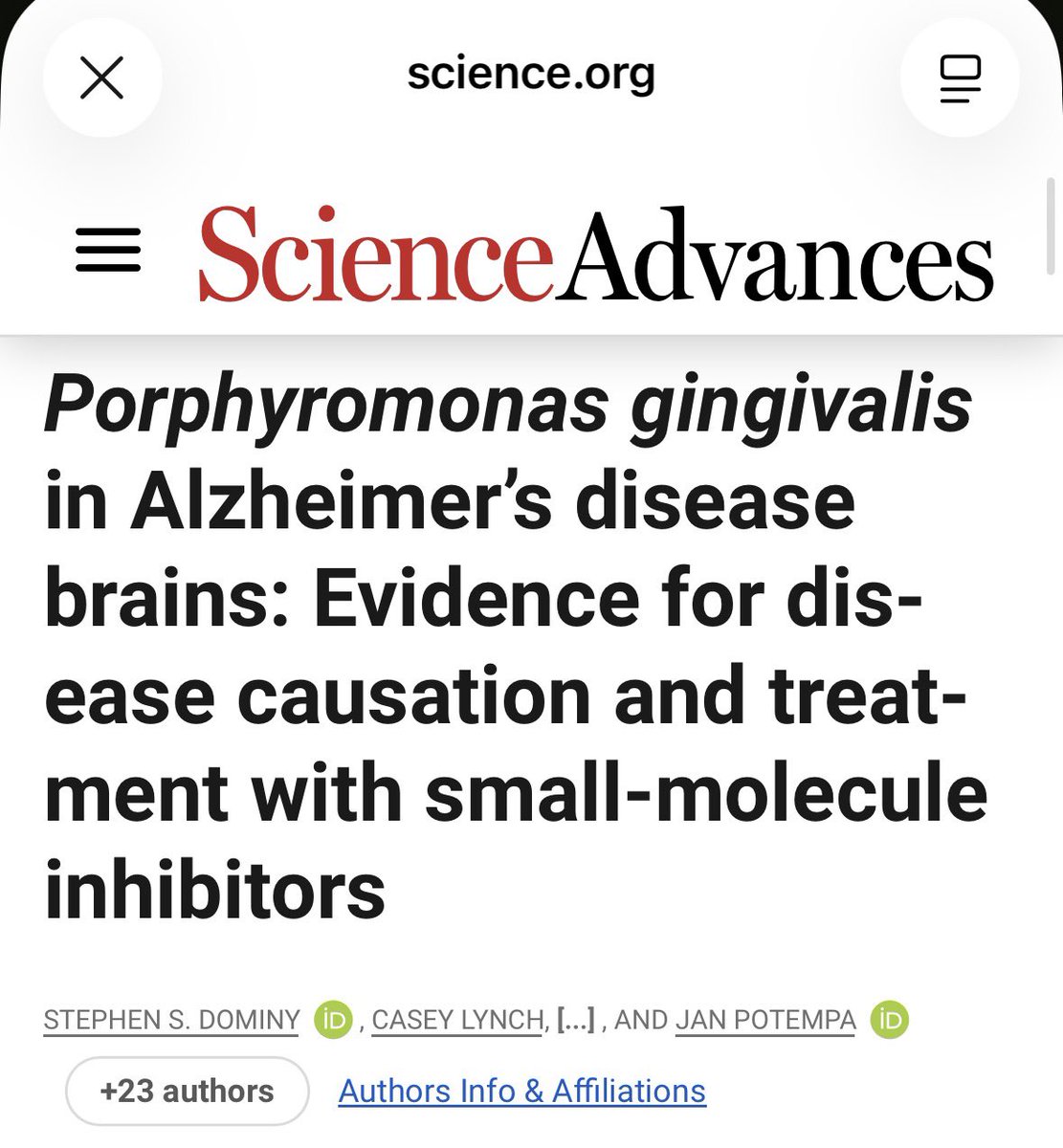
They CUT OPEN the brains of Alzheimer’s patients and found a bacteria living inside 9 out of 10 of them.
The same bacteria that lives in your mouth right now.
You think Alzheimer’s is genetic. You’re wrong.
It walks from your gums into your skull. By the time you forget your daughter’s name, it’s been there for 20 years.
Every day it’s already:
→ Shredding your memory protein
→ Building plaques that kill neurons
→ Rewiring your brain into rot
You didn’t inherit Alzheimer’s. Your gums opened a door bacteria walked through.
Cortexyme researchers found P. gingivalis in 90% of postmortem Alzheimer’s brains. Mice infected through the mouth lost cognition, grew amyloid plaques, and watched their neurons die.
Mastic gum at 1g daily killed P. gingivalis in clinical trials. Better than hydrogen peroxide. The exact bacteria walking from gums to brain.
If you bleed when you brush, or watched a parent lose their mind — the bacteria are already moving.
This isn’t a brain disease.
It’s an oral infection we’ve been treating with toothpaste.
Stop ignoring your gums.
Kill the bacteria.
Once your culture is gone, it isn't coming back.
If the schools and universities won't teach us the great books of the West, we will do it ourselves.
We are forming an independent group dedicated to the study and preservation of the Western canon of literature — the books that built our civilization.
If that sounds like something you'd like to be part of, please join us.
We tackle a new classic text every month. Currently, we're reading Virgil's Aeneid, and discussing it together. We meet biweekly.
Mushrooms are unique: they can make Vitamin D from sunlight, just like human skin. Sunlight converts their natural ergosterol into Vitamin D2, meaning even store-bought mushrooms can skyrocket in nutrients after a short sunbath. Place them on in the sun and you’re literally charging your food with solar energy
Most people think hunger is a problem to solve.
Dr. David Sinclair says it might be the most important signal your body receives.
Here is the science behind that:
Your body contains a set of genes called sirtuins.
Their job is to protect you from aging and disease. But they are not running constantly. They need to be switched on.
The switch is low insulin.
When you eat, insulin rises. The longevity genes stay quiet. The body is in growth mode, not repair mode. But when you fast, insulin drops. The sirtuins activate. The body shifts into a completely different state. Repairing cells. Clearing out damaged proteins. Slowing the biological clock.
Dr. David Sinclair puts it simply. The animals that live 30 percent longer across every species studied are the ones that do not eat all the time.
The research goes back to the 1930s. A scientist named Clive McKay put rats on caloric restriction and they lived significantly longer. The finding was ignored for decades.
It came back in the 2000s when Sinclair's lab identified the mechanism. The longevity genes were there the whole time. They just needed hunger to wake them up.
Huberman asked for the simplest takeaway. Dr. David Sinclair's answer was direct. "Skip a meal a day. That's the best thing."
Not a complicated protocol. Not an expensive supplement. A gap.
The body already knows how to repair itself. It just needs the space to do it.
Follow @YourDocGoku for the science behind what your body can do when you stop getting in its way.
DID YOU KNOW...
BEFORE THE BUSINESS OF ONCOLOGY CANCER
PATIENTS WERE GIVEN 2
BOTTLES OF HYDROGEN PEROXIDE AND A BIG BAG OF COTTON BALLS.
THEY WERE TOLD TO RUB THE HP OVER THEIR BODIES DAILY.
AT THEIR 2 WEEK CHECKUPS
90% SHOWED NO SIGNS OF CANCER.
It’s a $1 a bottle…what do you have to loose? 🫵🏻🤷🏻♀️
Recent research found that our mitochondria communicate with each other using light, showing that humans are truly light beings at a cellular level.
Mitochondria, the energy powerhouses of our cells, emit tiny bursts of biophotons, subtle flashes of light that carry information across cells.
This cellular communication could coordinate energy, metabolism, and even influence overall health, suggesting that light plays a fundamental role in how our bodies function.
Understanding biophoton signaling opens doors to exploring how energy and information flow in living systems, and it connects biology with quantum and photonic phenomena.
The discovery reminds us that life is more luminous than it seems, and that our bodies are not just chemical machines, they are radiant, interconnected networks of light and energy.
✨🙌🏾💫
Mushrooms can be turned into a nutritional powerhouse with just 15 minutes of Sun exposure.
You can unlock a hidden nutritional boost in your kitchen by giving your mushrooms a brief "sun-tan."
By placing common button or cup mushrooms in direct, midday sunlight for just 15 to 60 minutes, you can trigger a natural chemical reaction that mimics human skin's Vitamin D production. The UV-B radiation transforms ergosterol within the fungi into Vitamin D2, significantly increasing the nutrient profile of a standard serving. For the best results, slice your mushrooms and place them gills-up on a tray between 10 a.m. and 3 p.m. to maximize the surface area exposed to the light.
This simple hack can raise Vitamin D levels from nearly zero to over 700 IU per serving, which exceeds 100% of the recommended daily intake for most adults. Research indicates that these sun-enriched mushrooms are just as effective at raising blood vitamin levels as traditional dietary supplements. This discovery offers a cost-effective and natural solution for individuals seeking to boost their immunity and bone health, particularly for vegans or those living in regions with limited year-round sun exposure. It effectively turns a basic grocery item into a potent superfood with minimal effort.
source: National Institutes of Health. Vitamin D Fact Sheet for Health Professionals. Office of Dietary Supplements.
Your diaphragm is the most ABUSED muscle in your body.
But when used correctly, it:
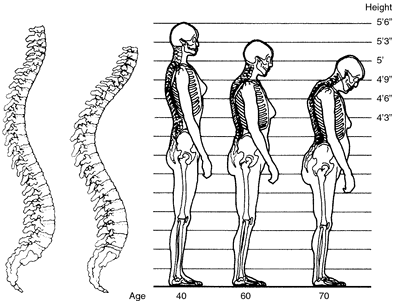
- Adds inches to your height
- Rebuilds your facial structure
- Removes the 24/7 stress cloud from your life
Here's how to activate your diaphragm and get your life back: 🧵🧵
Researchers have found that spending about two hours a day in quiet environments may lead to physical changes in the brain, including the formation of new nerve cells.
Daily life is filled with constant sound, but evidence suggests that silence itself plays an important biological role. Experiments show that prolonged quiet, especially around two hours, stimulates neurogenesis in the hippocampus, a brain region involved in memory, learning, and spatial awareness. Rather than simply offering relaxation, silence appears to actively support brain renewal.
Noise keeps the nervous system in a heightened state of readiness. In contrast, silence allows the brain to settle, creating conditions that support repair and internal processing. With fewer external signals to manage, neural networks may strengthen, and new cells are more likely to survive and integrate. This challenges the idea that the brain only benefits from stimulation, highlighting that meaningful neurological growth can also occur during deep stillness.
Source: Kirste, L., Zaba, Z., Wang, S., Herrmann, T., & Kempermann, G. Is silence golden? Effects of auditory stimuli and their absence on adult hippocampal neurogenesis. Brain Structure and Function.