Local SEO According To The Leaked Google API Documents
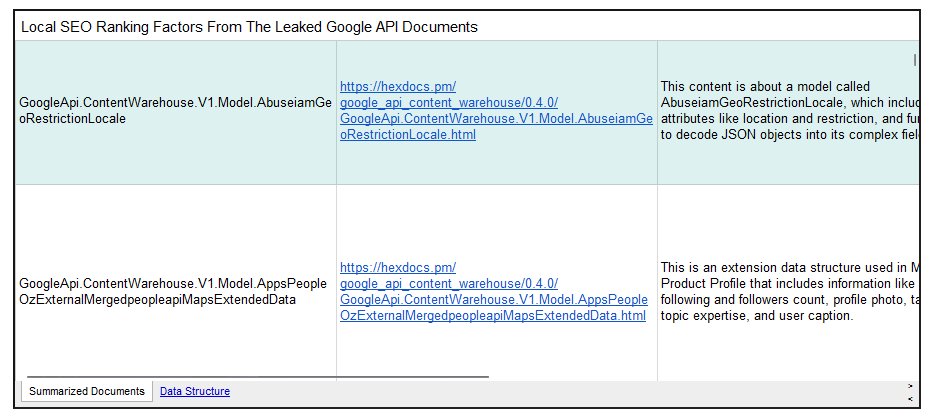
"Here is a summary of 271 Google API Docs and 461 attributes that we have identified as relevant to Local SEO. We identified various terms that implied “local,” then crawled them with Screaming Frog V.20 connected to ChatGPT and had it summarize each document." https://t.co/hfSvZSiB8V via @localseoguide
Today we released the November 2023 core update. We'll update our ranking release history page when the rollout is complete: https://t.co/hgjEkfpbA2
Related to this, we’ve posted a Q&A on Google Search updates as a refresher about how updates work: https://t.co/N5p3KsJ0ta
If you're working on eCommerce SEO, you must become an evangelist for pushing for product reviews (but there's a catch).
A very underrated traffic and sales driver is within the 'Shopping' tab. Within this section of Google, the majority of the listings are organic, which wasn't always the case.
Toward the end of 2020 Google expanded their free product listings program to be available within the Shopping tab, now with global application.
At the moment, the best way to track performance within unpaid listings within the Shopping tab is within Merchant Center. You're able to see this data in the Performance report and selecting 'Organic'.
What many eCommerce SEOs are unaware of is the impact that your Seller Rating can have on performance within the Shopping tab. This is often a responsibility left to the Paid Ads department, but that responsibility should be shared.
While collecting both 'product' and 'Seller Rating' reviews are important, I find that the Seller Rating is one that is often neglected and can make a big difference to performance in the unpaid listings.
To check your Seller Rating, add your domain name:
https://www(dot)google(dot)com/shopping/ratings/account/lookup?q={yourwebsite}
If you're an eCommerce site and you don't have any Seller Rating reviews, then you need to get to work. The important step here is how reviews are requested and saved, and whether you're using a supported provider.
For more details, make sure that you're familiar with Google's latest guidance: https://t.co/h81th6Dgqk
#seo #searchengineoptimization #google
Google does not have an inherent bias against paywalled content, providing the website lets Google know that its content is behind a paywall. https://t.co/kNHO1d09HG