May all beings everywhere be happy and free 🪷
And may the thoughts, words, and actions of my own life contribute in some way to that happiness and to that freedom for all 🪷
Lokah 🪷 Samastah 🪷 Sukhino 🪷Bhavantu 🪷
@HiddenPinky@thereal_truther@jsm2334 I’ll try this once again in simple English.
Severe COVID infection can trigger the reactivation of a dormant EBV.
https://t.co/F4ShyHyADn
There is no licensed drug to prevent EBV reactivation.
@JonEntine Google was discovered by Larry Page and Sergey Brin in 1998.
We don’t know how glyphosate might affect aquatic biodiversity in the long run.
https://t.co/gStzqrTpaY
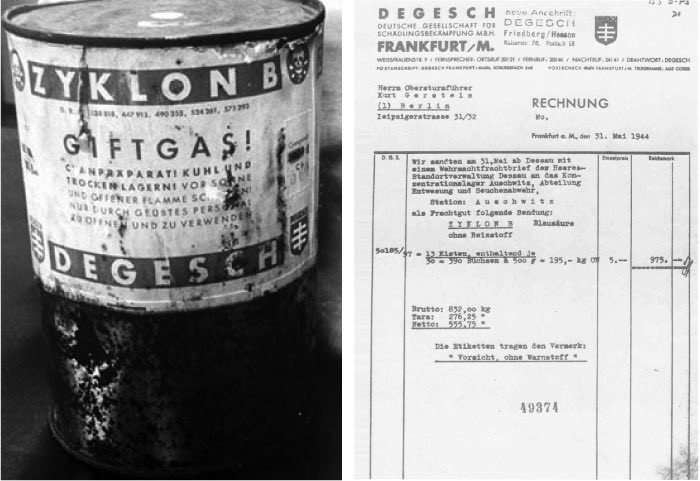
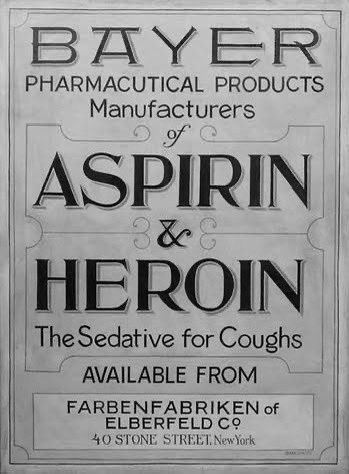
The manufacturer of glyphosate has widespread tentacles and has previously produced and sold heroin and Zyklon.
@HiddenPinky@thereal_truther@jsm2334 Severe COVID reactivates EBV that has been dormant in the body for years.
https://t.co/bi6qcOEBIJ
The Lancet study urges investment in R&D for new EBV prevention as a major preventable cause of cancer worldwide.
https://t.co/ztyBES6ZAR
This is science prediction in action..
Your mitochondria can trigger the same inflammatory alarms your immune system uses to fight bacteria. That's because mitochondria are bacteria, or at least they were 1.5 billion years ago.
A Nature Reviews Immunology paper maps the molecular mechanisms of how mitochondria control inflammation, the safeguards that normally prevent false alarms, and what happens when those systems fail.
The core problem: mitochondria are ancient bacteria that your cells absorbed roughly 1.5 billion years ago. They still carry bacterial signatures. Your immune system evolved to recognize bacterial molecules as threats. When mitochondria get damaged and leak their contents, your immune system can't distinguish between a broken mitochondrion and an actual infection.
Mitochondria contain multiple damage-associated molecular patterns, or DAMPs. These are molecules that trigger immune responses when detected outside their normal location:
• Mitochondrial DNA (mtDNA): Unmethylated, circular DNA that resembles bacterial genomes
• Cardiolipin: A phospholipid normally confined to the inner mitochondrial membrane
• N-formyl peptides: Proteins with bacterial-style chemical signatures
• ATP and other metabolites: Energy molecules that signal danger when released
These molecules activate pattern recognition receptors, the sensors your immune system uses to detect threats.
The most studied pathway involves mitochondrial DNA activating a detection system called cGAS-STING. Here's how it works:
When mitochondria become damaged, their outer membrane develops holes. Think of it like a breach in a container. The mitochondrial DNA, which normally stays sealed inside, leaks out into the cytosol, the liquid interior of your cell.
An enzyme called cGAS patrols the cytosol looking for DNA that shouldn't be there. When it finds mitochondrial DNA floating around, it produces a signaling molecule called cGAMP. This molecule activates another protein called STING, which sits on the endoplasmic reticulum, a membrane network inside cells.
STING activation triggers the production of interferons, immune signaling proteins your body normally makes to fight viral infections. Your cell responds to leaked mitochondrial DNA the same way it responds to a virus.
A second pathway involves cardiolipin, a fat molecule that normally stays on the inner membrane of mitochondria. When cardiolipin appears on the outer surface or leaks into the cytosol, it activates the NLRP3 inflammasome. This is a multi-protein assembly that acts like an alarm system. Once activated, it produces inflammatory molecules called cytokines, specifically IL-1β, which trigger inflammation throughout surrounding tissue.
Your cells have multiple safeguards to prevent mitochondria from triggering these inflammatory pathways:
Apoptosis suppresses inflammation. Apoptosis is programmed cell death, a controlled self-destruction process. When a cell commits to dying, it activates enzymes called caspases. These enzymes act like molecular scissors, rapidly cutting up mitochondrial DNA and other inflammatory molecules before they can activate immune sensors. Two key studies demonstrated that strong caspase activation prevents the cGAS-STING pathway from turning on during cell death.
Mitophagy removes damaged mitochondria. Mitophagy is selective autophagy, meaning cellular recycling that targets only mitochondria. When mitochondria lose their electrical charge, called membrane potential, or accumulate too much damage, they get tagged with molecular markers. These tags signal cellular machinery to engulf the damaged mitochondrion inside a double-membrane structure called an autophagosome. The autophagosome fuses with a lysosome, which contains digestive enzymes that break down the damaged mitochondrion completely. This happens before its contents can leak out and trigger inflammation.
Chromatin packaging inhibits cGAS. Your nuclear DNA is wrapped around proteins called histones and packaged into a structure called chromatin. This packaging prevents cGAS from detecting it. Mitochondrial DNA lacks this protective packaging, which makes it a much stronger activator of cGAS when it reaches the cytosol. This difference explains why leaked mitochondrial DNA triggers inflammation while nuclear DNA, even when exposed during normal cell division, generally does not.
The pathological consequences emerge when these safeguards fail or get overwhelmed.
Insufficient mitophagy allows damaged mitochondria to accumulate. Their contents gradually leak into the cytosol, triggering chronic low-grade inflammation. This process contributes to age-related inflammatory diseases, neurodegenerative disorders, and metabolic dysfunction.
Defective apoptosis prevents proper DAMP degradation. Cells that can't complete programmed death release intact mitochondrial components that activate stronger inflammatory responses. This mechanism appears in some autoimmune conditions where defective clearance of dying cells drives chronic inflammation.
Excessive mitochondrial stress overwhelms quality control. When mitochondrial damage happens faster than mitophagy can remove it, cells release mitochondrial DAMPs even with functioning safeguards. This occurs during ischemia-reperfusion injury, severe metabolic stress, and certain infections that specifically target mitochondria.
The inflammation can become bidirectional. Inflammatory signals like TNF-α and interferons feed back to impair mitochondrial function, creating cycles where inflammation damages mitochondria and damaged mitochondria amplify inflammation.
Several human diseases show clear links to dysregulated mitochondria-driven inflammation:
Parkinson's disease involves mitochondrial dysfunction in dopaminergic neurons. Defective mitophagy allows damaged mitochondria to trigger inflammatory responses that accelerate neurodegeneration.
Systemic lupus erythematosus shows elevated mtDNA in circulation and enhanced cGAS-STING activation. Defective clearance of dying cells releases mitochondrial contents that drive autoantibody production.
COVID-19 severity correlates with cGAS-STING pathway activation. Viral infection triggers mitochondrial DNA release, and excessive type I interferon responses contribute to immunopathology.
Cancer cells sometimes exploit insufficient mitochondria-driven inflammation. Tumors with defective inflammatory signaling evade immune surveillance, while therapeutic interventions that trigger controlled mitochondrial DAMP release can enhance anti-tumor immunity.
The therapeutic implications point in two directions.
For inflammatory diseases, blocking mitochondrial DAMP signaling could reduce pathological inflammation. cGAS-STING inhibitors are in development for autoimmune conditions. Enhancing mitophagy might prevent DAMP accumulation before inflammation starts.
For cancer and infections, activating mitochondrial DAMP release could boost immunity. Some chemotherapy drugs work partly by triggering immunogenic cell death that releases mitochondrial DAMPs. Radiation therapy activates similar pathways.
The central insight is that mitochondrial quality control and inflammation are mechanistically linked. The same cellular machinery that maintains energy metabolism also determines inflammatory state. When mitochondria function properly and damaged ones get cleared efficiently, inflammation remains appropriately regulated. When quality control fails, mitochondrial DAMPs drive pathological inflammatory responses.
Your immune system treats broken mitochondria like invading bacteria because, evolutionarily, that's exactly what they once were. The molecular signatures persist. What determines health versus disease is how effectively your cells maintain mitochondrial integrity and clear damaged mitochondria before they trigger inappropriate immune activation.
@thereal_truther You asked for more data about EBV, here’s data from October 2026 >
Our findings inform the investment and development for new prevention tools, most notably for EBV.
https://t.co/ztyBES7xqp
August 2026 >
https://t.co/bi6qcOF9yh
The real casualty of the pandemic is the truth.
He’s half right.
Cancer rates have been rising for decades, and ageing explains part of that increase.
Where he’s wrong is in unwilling to acknowledge that COVID can accelerate vascular ageing, potentially introducing another risk factor for cancer.
https://t.co/vdVQBSz17A
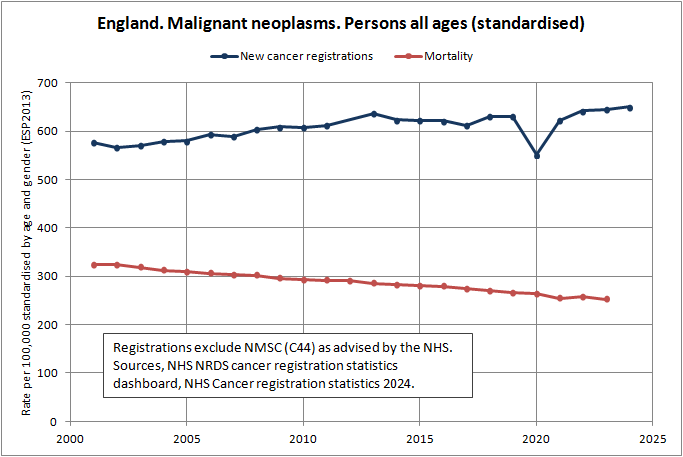
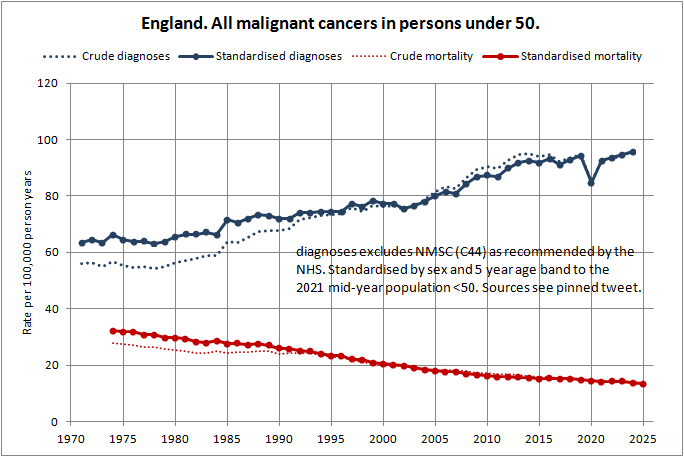
@alanbarnard1 Except RATES haven't increased outside of pre-existing trends and catch up after a big drop during the pandemic.
The raw case increase is due to an aging population.
There's no replicated measurable rise of cancer worldwide post-2020.
October 2026
Infectious agents are an important preventable cause of cancer globally.
Our findings inform the investment cases for research and development for new prevention tools, most notably for EBV.
https://t.co/ztyBES6ZAR
The biggest casualty during COVID was the truth.
@HiddenPinky@thereal_truther@jsm2334 October 2026
Infectious agents are an important preventable cause of cancer globally.
Our findings inform the investment cases for research and development for new prevention tools, most notably for EBV.
https://t.co/ztyBES7xqp
The biggest casualty during COVID was the truth.
@thereal_truther I’ll address the two points and take leave.
I said > With advancement in technology we don’t have to wait decades unlike previously.
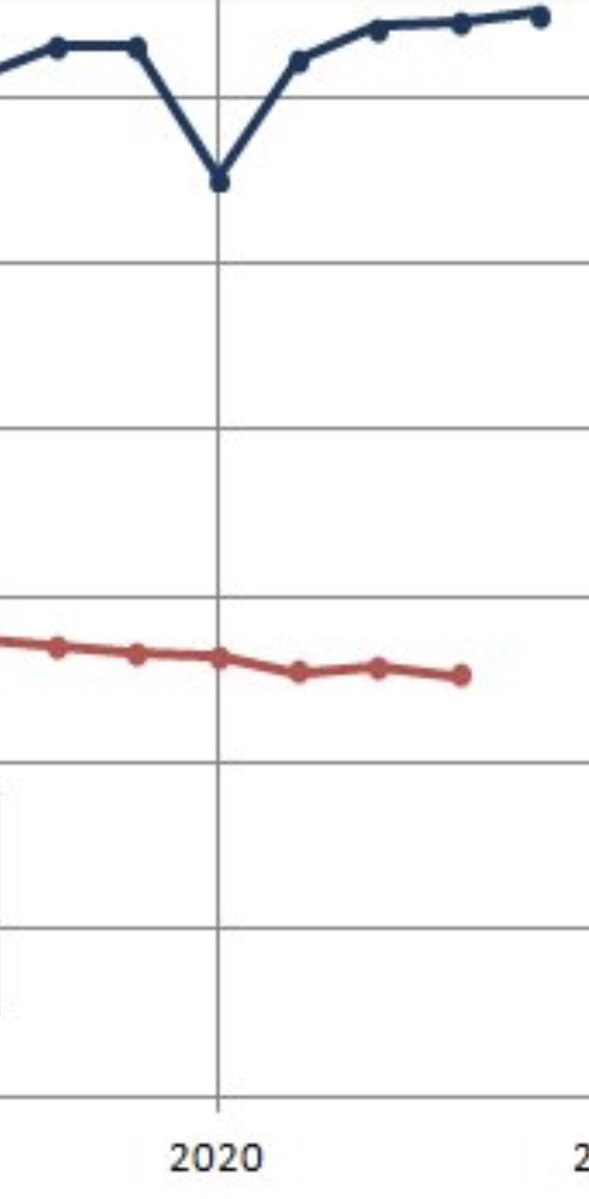
The drop in cancer diagnosis was because because preventive screenings, diagnostic tests, and clinical referrals were postponed or paused.
Bye
@thereal_truther It’s our children and grandchildren who have to live with the aftermath of this pandemic.
With advancements in technology don’t have to wait decades unlike previously.
And more than anything I really hope you’re right and I’m wrong.
Wishing you only the best 👍🏼
@thereal_truther When was the full impact of the 1918–1919 pandemic realized.
Was it in 1918 or 50 years later..
This answer will tell me if you are a person who makes the argument in good faith or real truth seeker..
Tell me
No deflection..
https://t.co/RoDb8dYVaC
@thereal_truther My bad.
I was under the false impression that everyone knew cancer diagnosis were down because of screening disruptions from COVID.
Don’t forget that key details when you tell all your experts that agree with you .
Keep up
You are surpassing yourself
https://t.co/bUwqeF7nA2
@thereal_truther I did mute you.
Nevertheless, based on your 100% certainty, I figured: the whole world needs to hear from someone who feels all the experts are on his side!
🤣🤣🤣
You’re crushing it.,
Keep it going
🤣🤣
It’s fun to watch you embarrass yourself..
@thereal_truther@asofnow32@jsm2334 You are saying there’s drop.
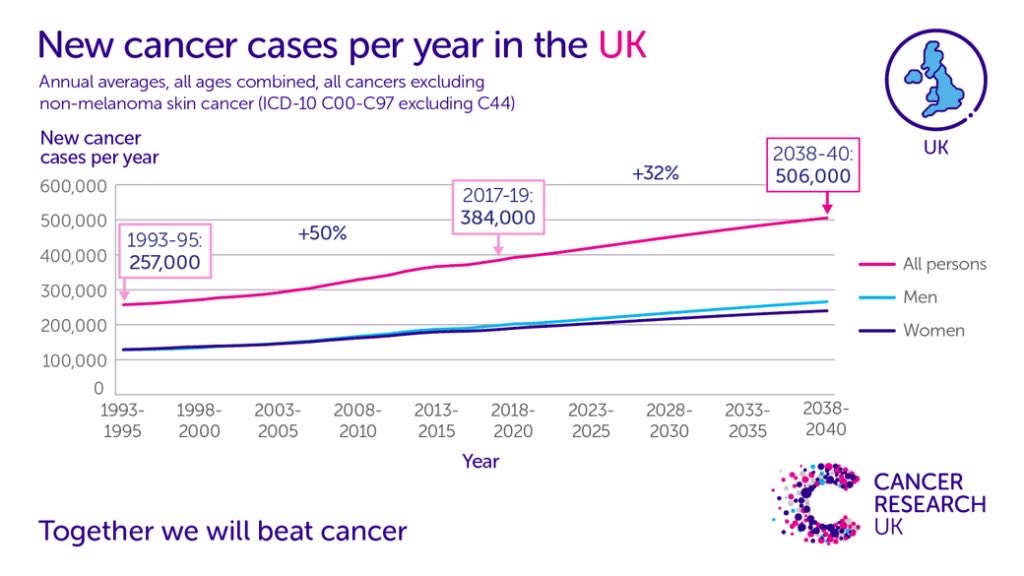
Cancer research UK is saying More than 403,000 people are being diagnosed with cancer each year in the UK, according to their latest statistics.
A historic high ..
🤔
Are you privy to information that no one else has.
https://t.co/qeXVKPNSYw
@thereal_truther@asofnow32@jsm2334 You say massive drop
@CR_UK says historic high
I’m going to go with data from experts..
You’re done here dude.
Stop embarrassing yourself in public..
@thereal_truther@asofnow32@jsm2334 You are saying there’s drop.
Cancer research UK is saying More than 403,000 people are being diagnosed with cancer each year in the UK, according to their latest statistics.
A historic high ..
🤔
Are you privy to information that no one else has.
https://t.co/qeXVKPNSYw