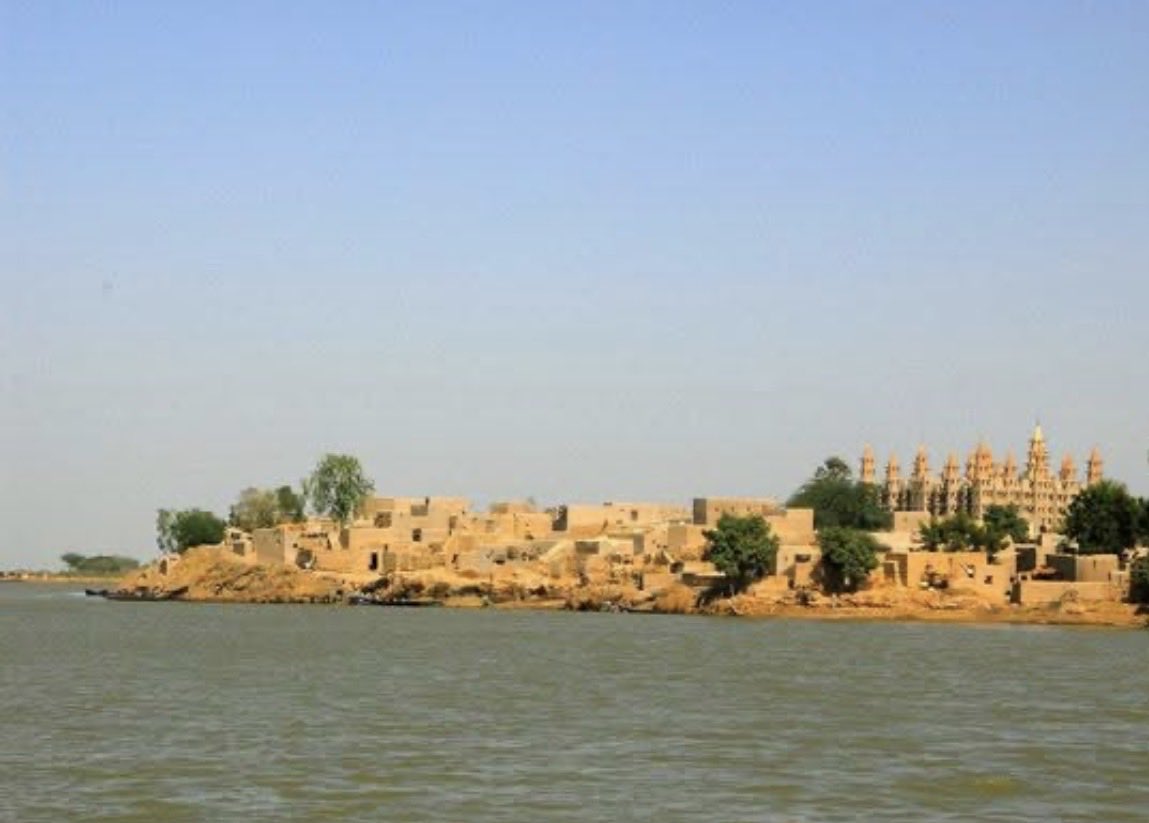
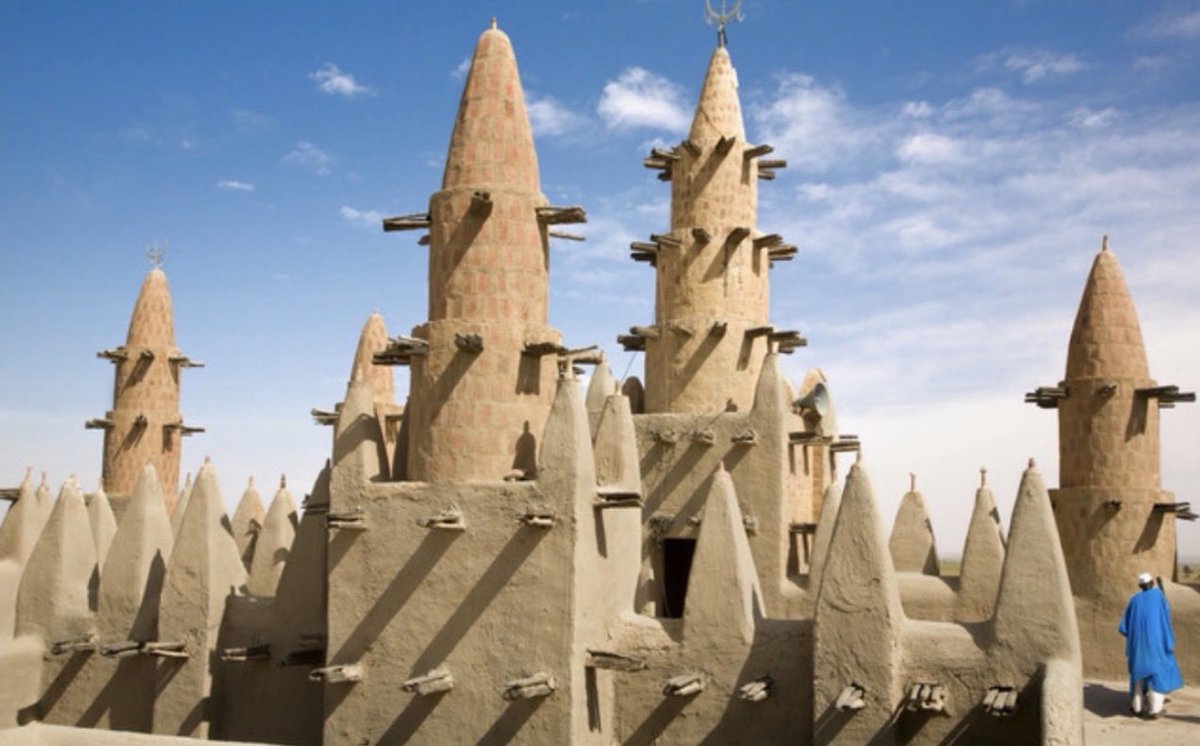
@Archivesperdus@Gadahaayre Particulièrement dans la zone de Korondugu, autour de Konna et de Borondougou. On peut notamment citer Fussi, Djambakourou, Singo et Sensé, karbaye. Leurs noms de famille sont notamment Guteye, Tounkara, Kampo, Traoré, Keïta, Camara, Condé, Bagayogo, entre autres.
Mandenkas are in every country in west Africa and they called different names in each country that they are in:
🇲🇱: Malinké, Bambara, or Wangara.
🇸🇳: Mandinka, Bambara, or Soce
🇬🇳: Maninka, or Konianke
🇬🇲:Mandinka
🇸🇱:Mandingo
🇬🇭:Wangara
🇬🇼:Mandinka
🇲🇷:Bambara
🇳🇬:Wangara
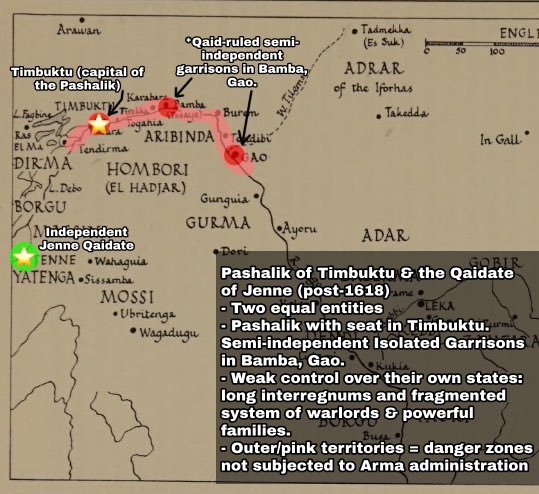
Yeah his map is bad lol. Here is the real version. Check up my entire thread. By the way Abitbol writes they were restricted to a few forted garrisons. Other writers like Bovill say the same. https://t.co/8p5hyn58HS
> Powerless, desperate pashas routinely unleashed Tuareg raiders to plunder Songhai peasants, plunging the Middle Niger into total anarchy, starvation, and economic ruin. Moroccan control was reduced to mutinous, isolated garrisons in Gao, Bamba, and Djenné, while any nominal obedience to the Moroccan Sharif survived merely as an empty religious formality and the occasional token gift.
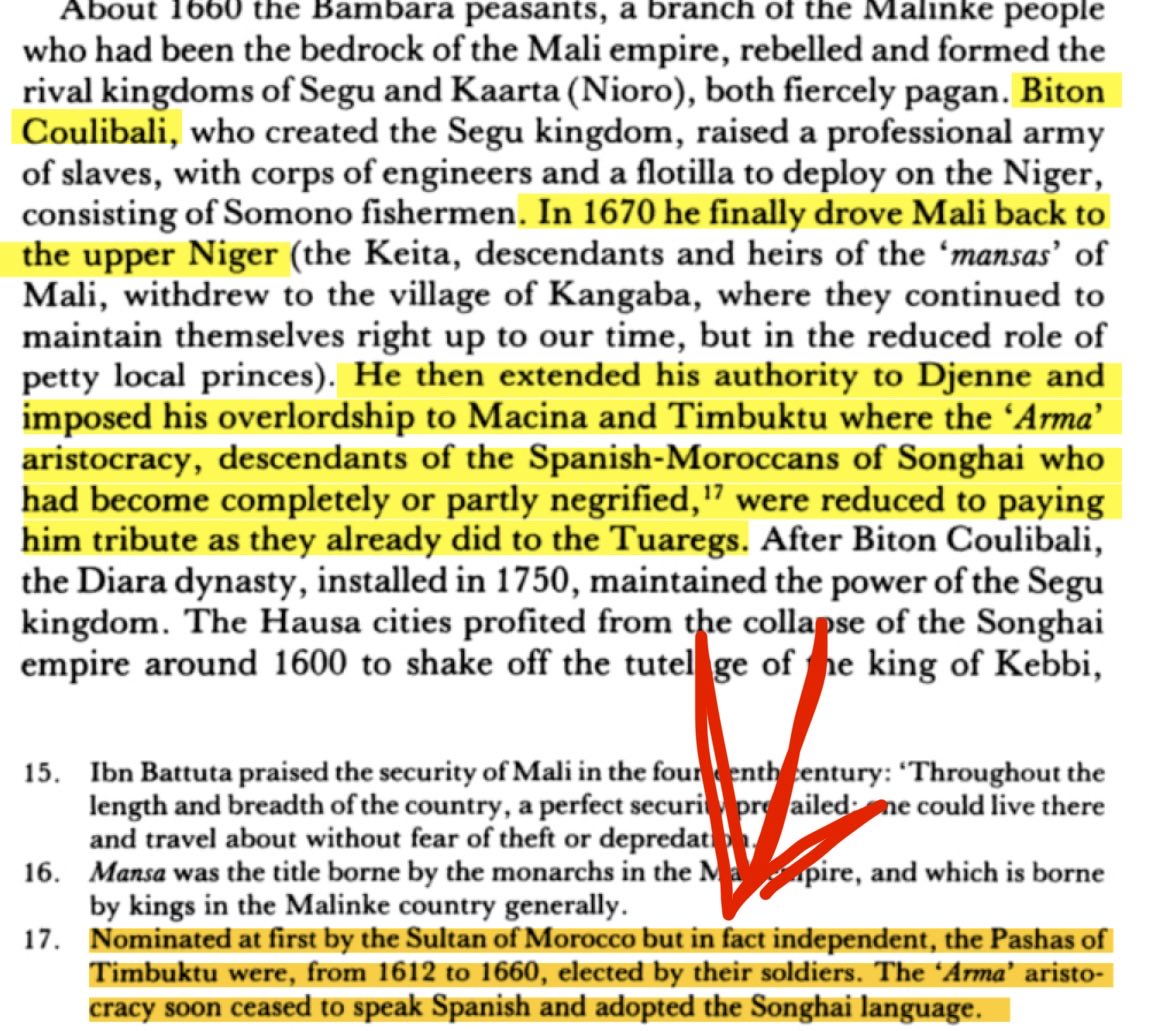
Correct, but they were eventually totally assimilated into Songhai culture and allowed large amounts into of Songhai and Bambara mercenary males into their caste. By the 1700s, 1 century after the Saadi invasion, the Armas were practically black Songhais. Today they largely go by the Sahelian local patronym “Touré”.
Appendix: the map needs fixing! And it was very obviously far from a “conquest of Mali”.