A sign of emotional intelligence is moving from “You made me feel” to “This is how I reacted.”
Our emotions aren’t caused by other people’s actions. They’re shaped by our interpretations.
Blaming others gives them power over our feelings. Taking responsibility empowers us.
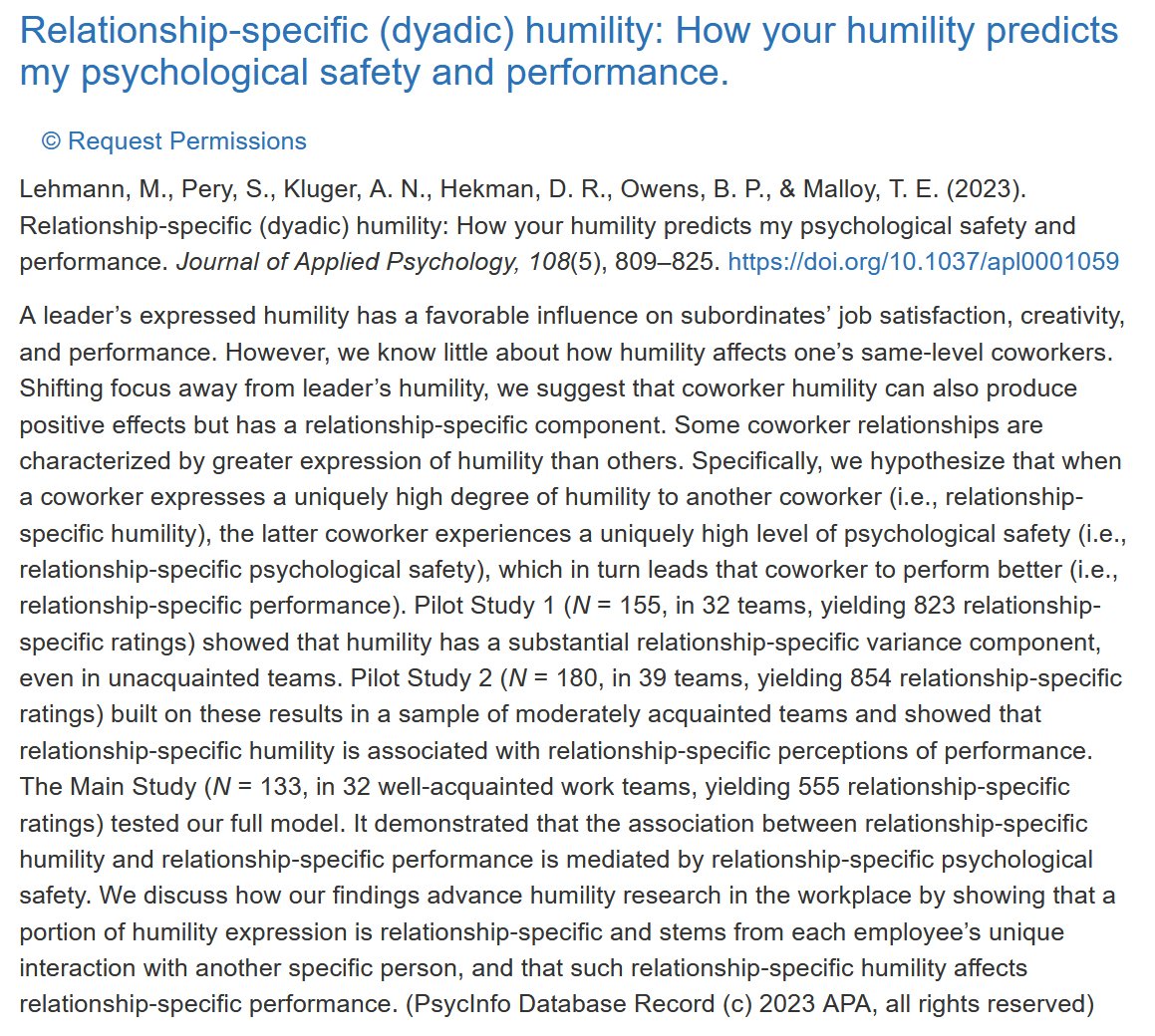
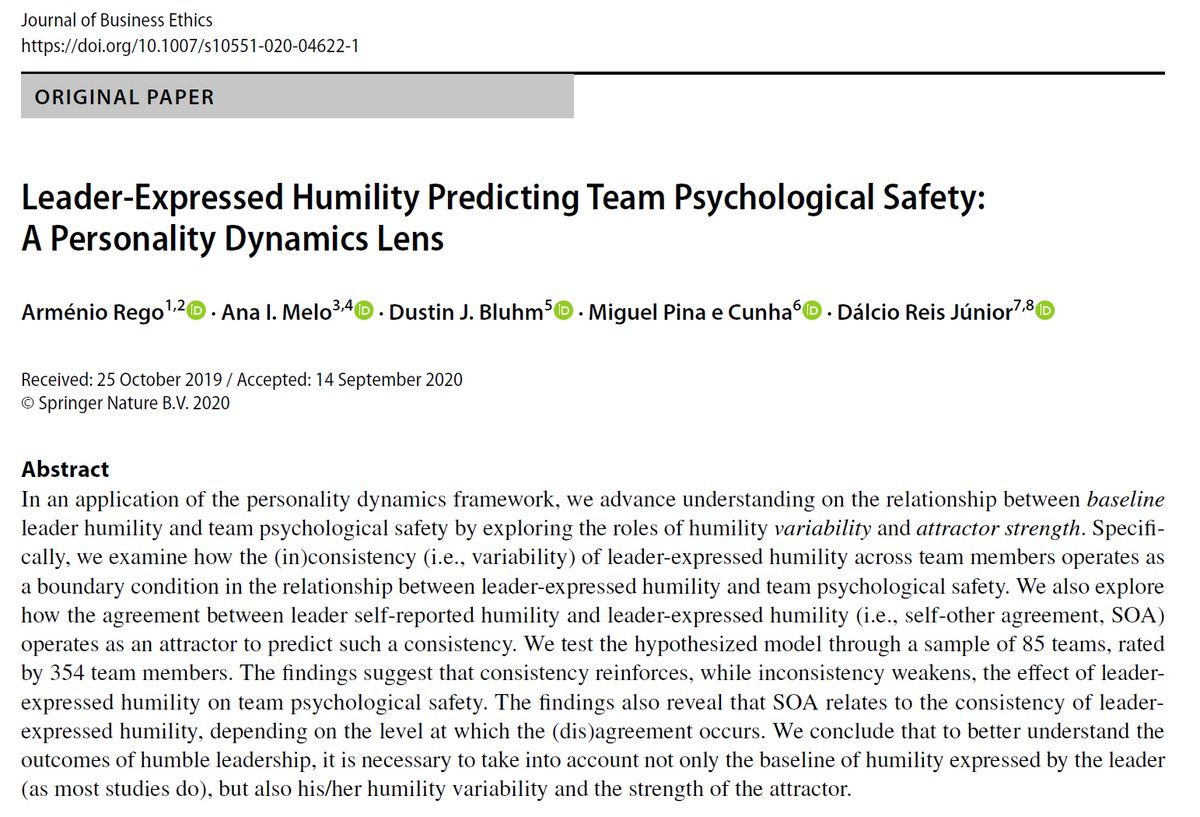
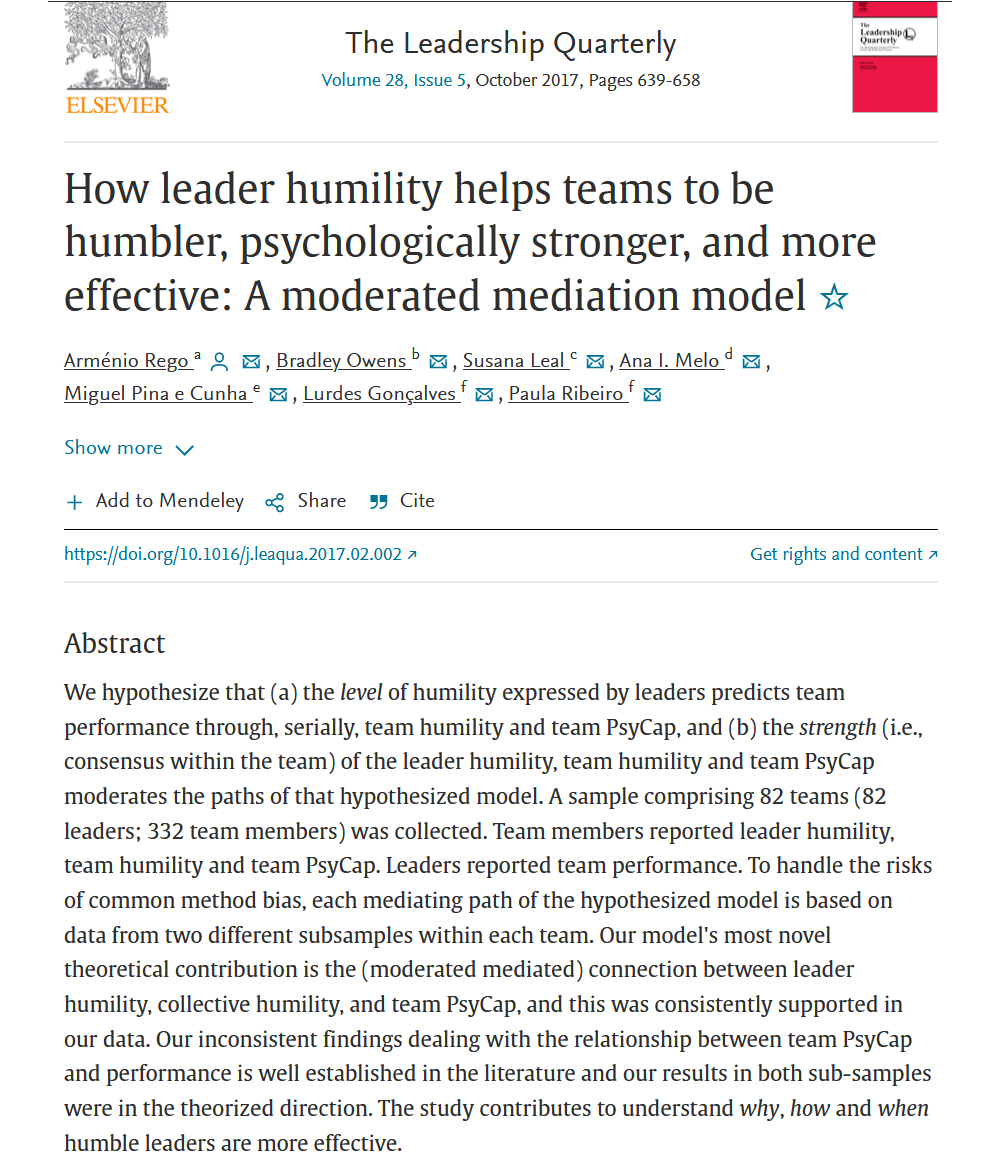
Admitting that we have something to learn doesn’t just show humility. It improves relationships.
When we acknowledge that we don't know everything, others feel more psychologically safe—and become more effective.
Expressing our desire to get better can help others get better.
A key to lifelong learning is being as eager to hear "you're wrong" as "you're right."
Small minds crave validation. They surround themselves with people who share their convictions.
Great minds prize discovery. They gravitate toward people who stretch their thinking.
When someone offers feedback you don't like, the ideal response isn't to ignore it. It's to seek more perspectives.
One person's reaction is an opinion. If multiple people make the same point, it's a pattern.
The best way to grow is to find the recurring signal in the noise.
Meister Eckhart’s work (14th century) is particularly relevant today. God wants to birth the life of Jesus in and through us to the world. But that requires that we empty ourselves of our unhealthy attachments. Then, He can pour Himself into us!
A boss looks for reasons to say no. A leader looks for reasons to say yes.
A boss issues orders and demands loyalty. A leader gives direction and takes responsibility.
A boss expects to be the most important person in the room. A leader makes everyone feel important.
Owning up to your mistakes doesn’t cast doubt on your credibility. Admitting you were wrong shows that you care about getting it right.
Recognizing moments of bad judgment is a step toward demonstrating good judgment.
Issuing a correction is a mark of intellectual integrity.