Professor of Biology & Sustainability, Passion for Plants, Author of 'Sustainable Solutions: Problem Solving for Current and Future Generations' (Oxford).
This bike lane covered in solar panels in South Korea provides protection from the sun for cyclists, and produces 6 megawatts of electricity per day, enough to power 600 households.
📽: Janbaz Salehi
@Hal_Turner_Show@21WIRE We have a president that spends without congressional approvial. Maybe you should learn the facts before you type (Speech is the human faculty of vocal communication)
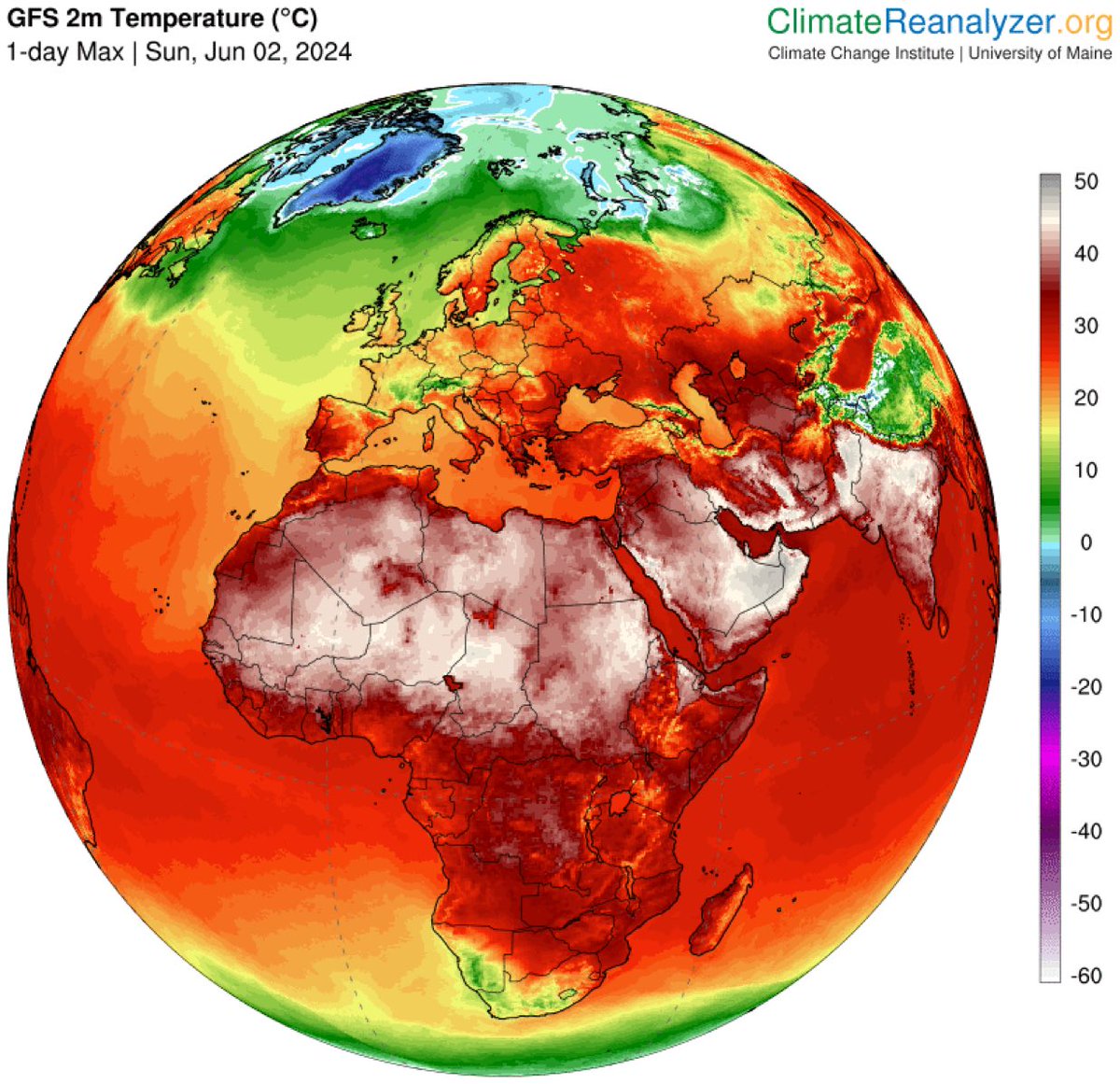
Billions of people are currently surviving in temperatures between 45 and 50C. This is "only" at a 1.5C global increase. At 2C, these regions will become unbearable for long periods of the year. The lack of a coherent plan for this is shocking. #Mitigation is urgent. Action is necessary!
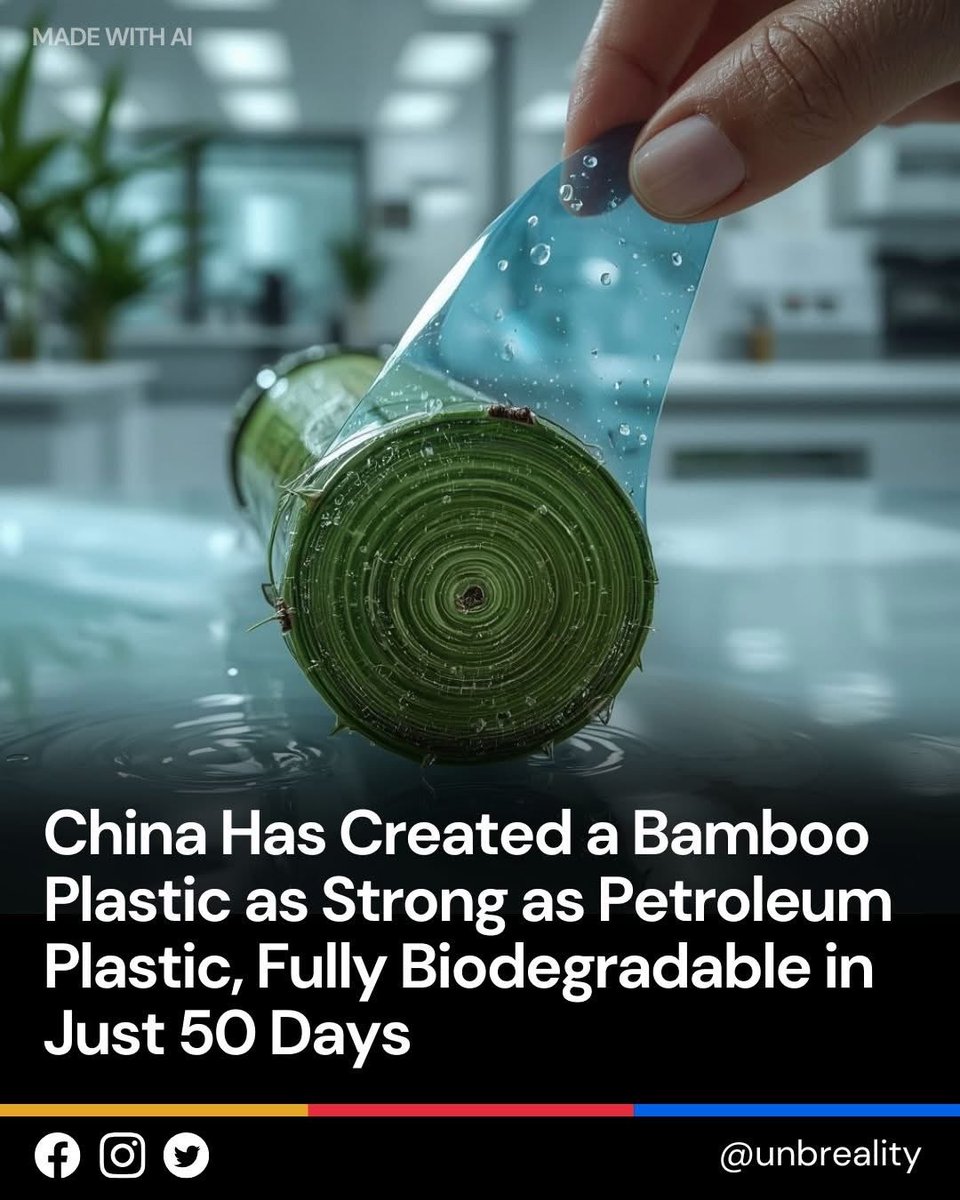
Researchers in China are exploring bamboo based materials as a possible alternative to traditional petroleum plastics, aiming to create something both strong and biodegradable. Bamboo is an attractive option because it grows quickly, absorbs large amounts of carbon dioxide, and is widely available. Early laboratory studies suggest that plant fiber composites and bamboo based polymers can offer strength and durability similar to certain plastics while breaking down much faster under controlled conditions.
If developed at scale, such materials could help reduce plastic waste and dependence on fossil fuel based products. However, real world performance, production cost, and long term durability still need to be tested outside the lab. Like many sustainable innovations, the key challenge is not just proving the science works but ensuring it can be manufactured efficiently and used across industries worldwide.
Source: Research on bamboo fiber biocomposites in journals like ScienceDirect and materials studies from Chinese universities on plant based biodegradable plastics
#environment #sustainability #biodegradable #plasticfree #innovation #greenfuture #science #ecotech
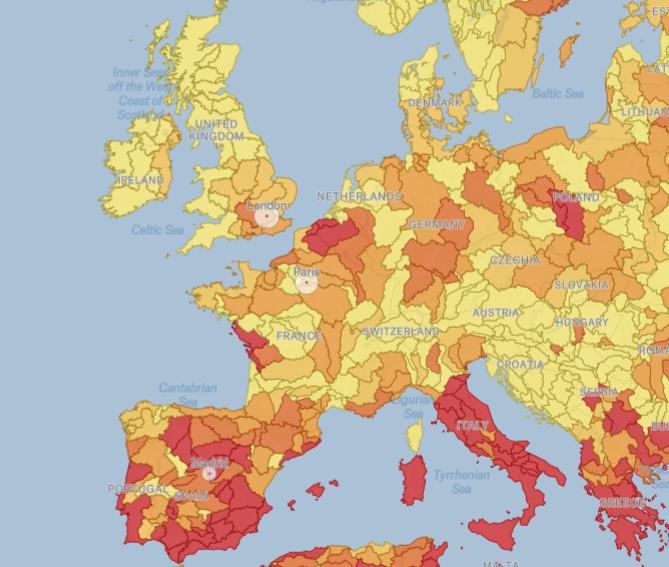
Obsessing over water supplies & worried that there's no captain on this ship. Nobody knows the true picture over who's using the critical resource, and the global picture is pretty dire. I've pulled my latest articles together to try to make sense of it https://t.co/GQo9Pb6pc4
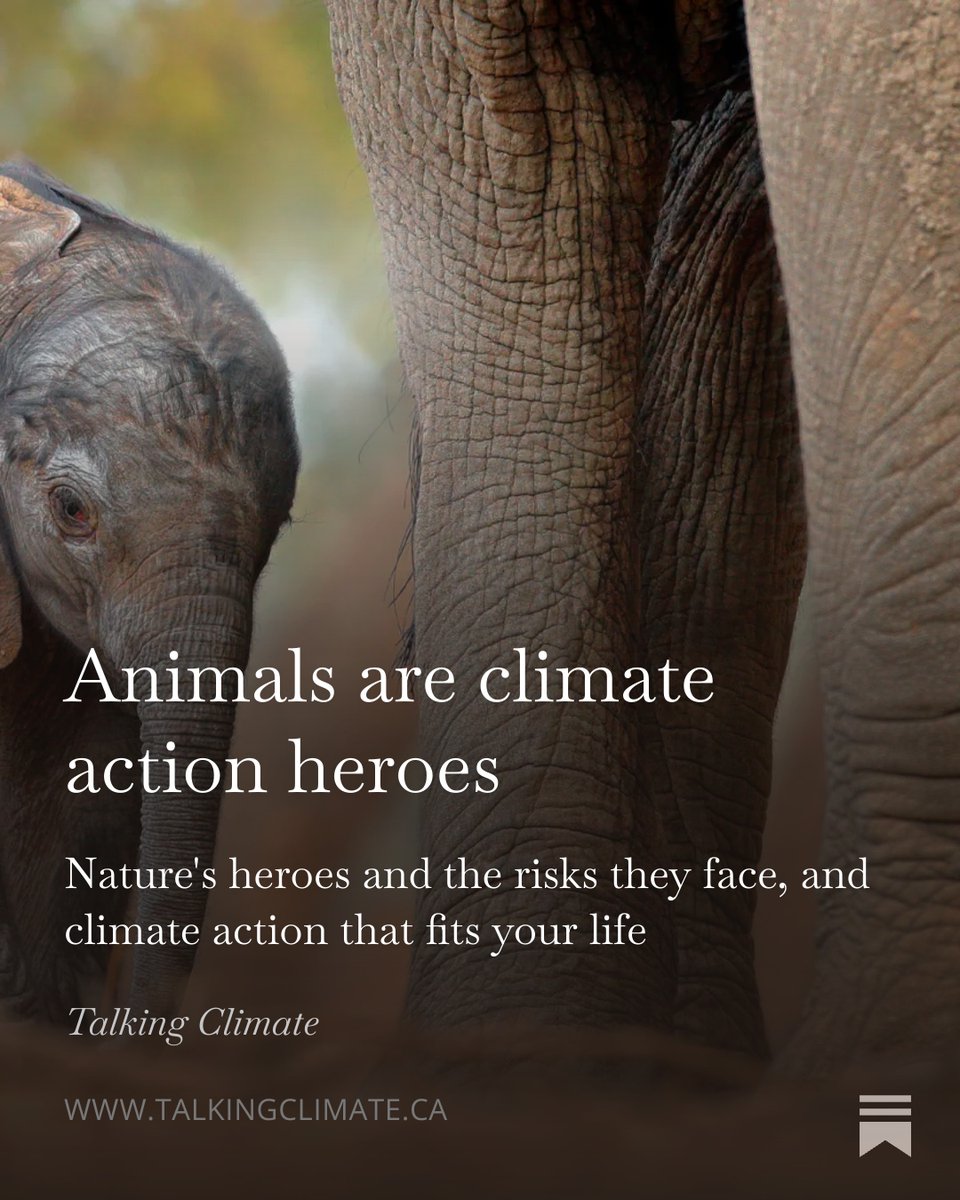
🐘 Good News: What if wildlife isn’t just impacted by climate change, but part of the solution? From forest elephants and sea otters to whales, penguins, and beavers, animals help store carbon, cool the planet, and keep ecosystems functioning. Protecting biodiversity isn’t separate from climate action: it’s central to it.
🐧 Not-So-Good News: Climate change is exacerbating the biodiversity crisis: skewing sex ratios in reptiles, shifting breeding seasons for penguins, and unraveling food webs species have relied on for millennia. These aren’t distant risks; they’re happening now.
💪 What We Can Do: Personal choices matter—not because they “fix” climate change on their own, but because they shift norms, start conversations, and inspire collective action. This January, choose sustainable habits that fit your life, share why they matter, and help catalyze systemic change.
Read more and share what you learn! https://t.co/R8qWNINjyS
Carbon capture does not reduce emissions - three case studies to prove it. Instead, carbon capture causes more harm than good, and only serves to prolong fossil-fuel industries
Edited excerpts from "Still No Miracles Needed"
https://t.co/epPXyxuQOc
Increased Polar Vortex breakdown driven by Arctic warming
"Uneven warming helps amplify large atmospheric waves over Eurasia, which in turn makes the polar vortex spill more frequently over North America"
"Think of it like a rubber band being pulled,"
https://t.co/UJKb5gbvVf
Please keep your camera on during our zoom meeting and your audio on mute, but please keep your beer out of the picture frame. I don’t need to see you drinking every time I say “do less with more,” “best practices,” “competency based,” “change management,” or KPI.
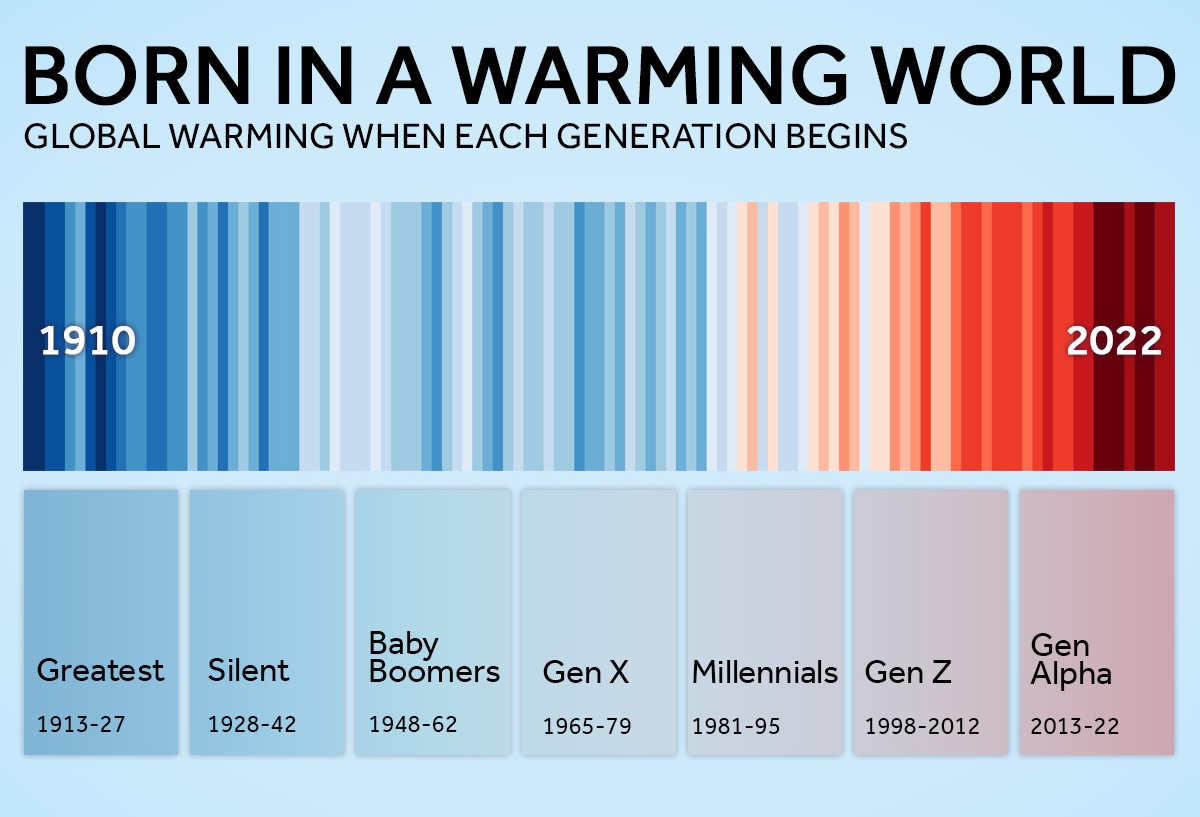
The last 3 years are the warmest on record, and the last 11 years are essentially the 11 warmest ever measured.
This isn’t variability — it’s a system-level shift in Earth’s climate.
We are now living inside the trend. What for the next generation?
Breaking News: The EPA will stop considering lives saved when setting pollution limits and instead calculate only the cost to businesses. https://t.co/uYom4BthnT