Quantitative Geneticist at AgResearch, New Zealand using genomic technology to breed healthy sustainable livestock. Hobbies include raising hell and 3 kids..
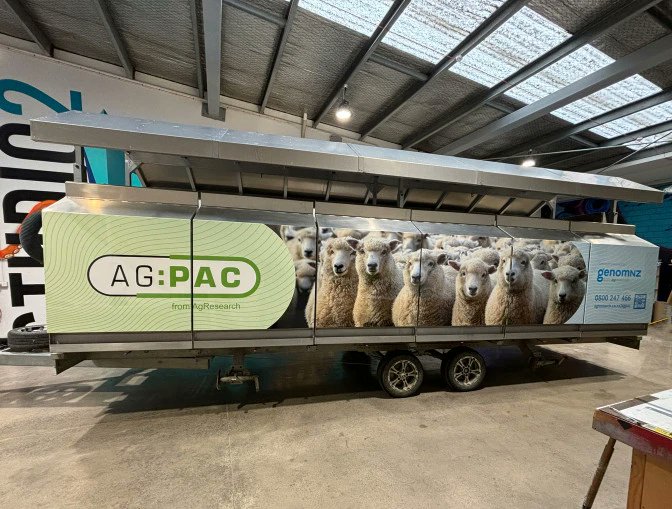
The NZ government has updated its targets for biogenic methane emissions "Following Cabinet approval, the target will be set at a range of 14–24 per cent below 2017 levels by 2050, reflecting the findings of the independent Methane Science Review released in 2024." The press release has links to investments to achieve these targets including: "Cool Sheep – continued roll out of low methane sheep genetics including methane measurement of rams, farmer engagement and developing a tool to track low methane genetics in flocks. Low methane sheep genetics has potential to achieve 1 percent reduction per year while not impacting productivity." which uses technology (PAC trailers and genomic selection developed by AgResearch) #1
An ICAR Feed and GAS/ASGGN Hybrid Workshop is being held on the 5th October in Nairobi, Kenya 10am - 4pm EAT.
Join for the latest global initiatives, measurement technology and the impact of breeding schemes on reduction of emissions from livestock
https://t.co/2MFiOlFtm4
A big congrats to our own Ken Dodds, named a Fellow of the Association for the Advancement of Animal Breeding and Genetics at its conference in Perth last night - for his outstanding contributions to the science of genetics and animal improvement #AAABG 🔬👏
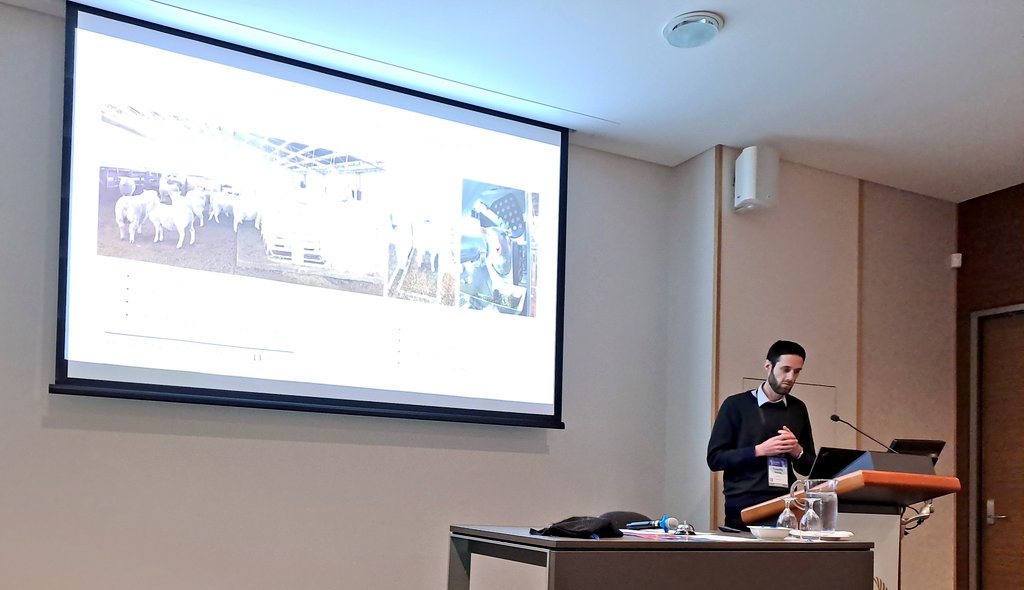
Jason Archer presenting on the roll out of methane BVs in New Zealand and how we are working towards recognition of methane BVs from breeder through to the commercial producer level. #AAABG@NZBeefLamb#coolsheep@AgResearchNEWS@mcewanjc
Our cool paper combining host genetics and microbiome/metagenome profiles for prediction of methane and other traits in sheep is out now in GSE 🎉 @SuzanneRowe101@mcewanjc@triciaj77@KathrynMMcRae https://t.co/u4v6ZID45e
Lots of methane and microbes talk at #AAABG Timothy Bilton talks about using rapid rumen profiling technology for high throughput prediction of methane and feed efficiency BVs @AgResearchNEWS@triciaj77@grasstogas
@HoraceSmith1945@AaronJMeikle@CountryWideNZ@NZBeefLamb@mcewanjc Completely agree Horace that everyone's breeding objectives are personal to them and their business goals. Certainly not our place to advise people what to breed for, but to develop robust tools so that they have a choice.
@HoraceSmith1945@AaronJMeikle@CountryWideNZ@NZBeefLamb@mcewanjc We have measured tens of thousands of sheep across New Zealand and looked at every trait we could from survival to meat quality. As animal breeders, if we had ignored a potential threat to profitability of this magnitude, we would not be serving our industry well.
@ICAR_Committee@birgitgredler Thanks for a great meeting and the opportunity to attend via webinar. Really practical and useful summary of the global activity in this area.
@deane_ag@AaronJMeikle@BenDooley8@mcewanjc Over the 12 years that our selection lines have been running we have followed genetically diverse lines across ages, feed types, feed quality changes and seasons and whilst all these things affect the absolute amounts emitted they have never re ranked.
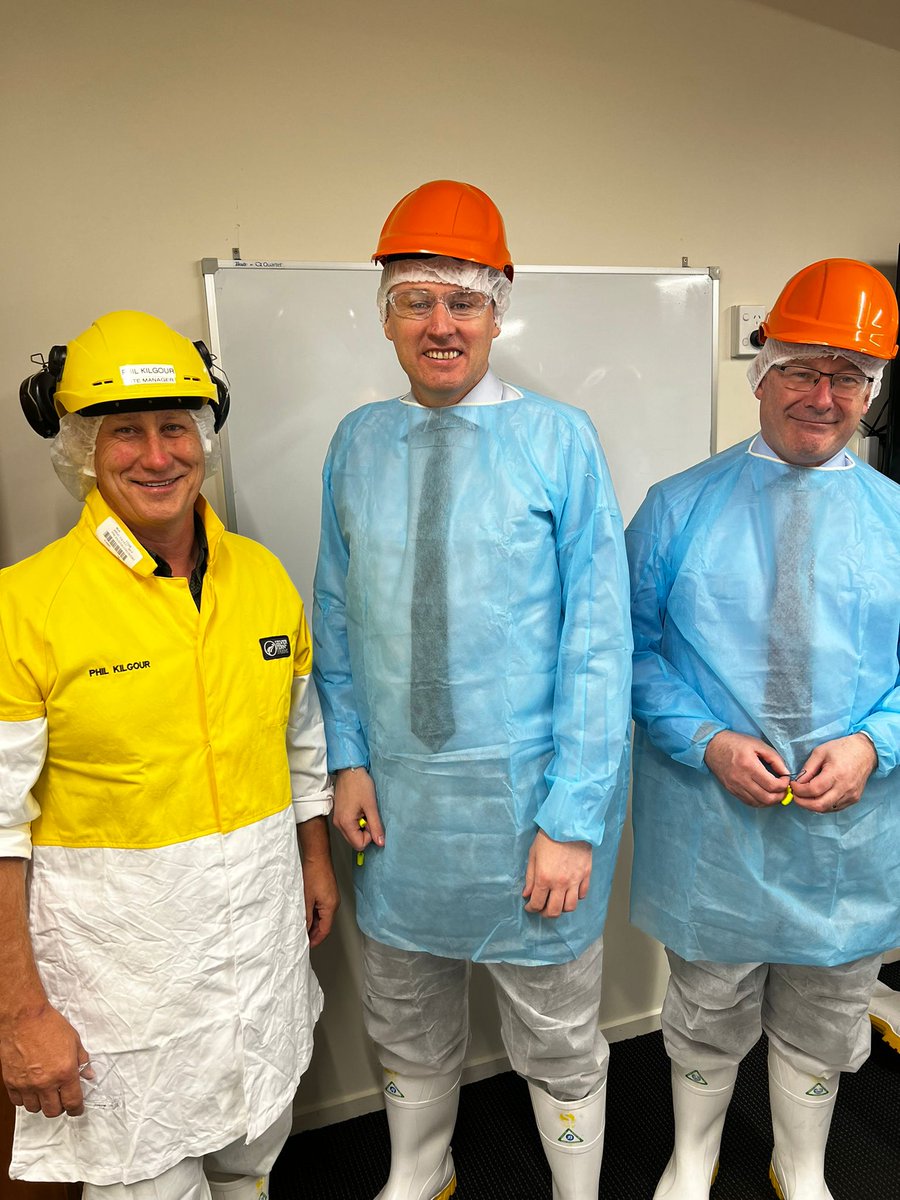
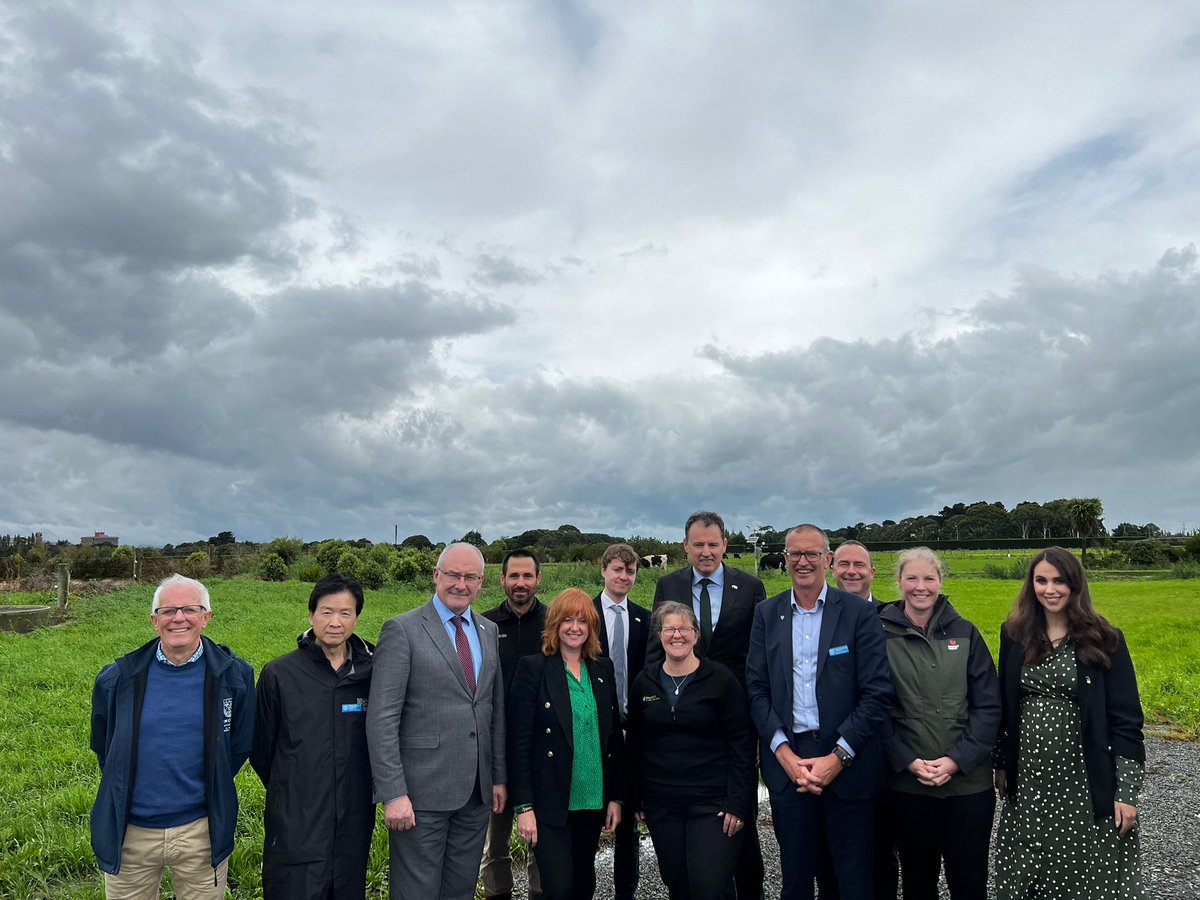
Interesting visits to Silver Fern Farms, Lincoln University Research Farm and Inis Free Farm all in Canterbury today. Many similarities between the Irish and NZ way of farming and some very interesting joint research going on regarding sustainable farming.
#StPatricksDay2023
@pirntatonjim @MarkYoungCIEL1 @InnovisLtd@AgResearchNEWS James, we have been watching this closely - after tens of thousands of measures, we find low emitters happily existing in every flock and under every management system. Early raw data suggests that high emitters might have big rumens and lows are average.