@SusanDu05610431 @SecDebHaaland@Interior@POTUS First, wild horses are technically an invasive species and secondly, there are not enough horses to do anything for fuels mitigation to reduce wildfire risks. We need massive social and political strides in approving mechanical fuel reductions and implementing prescribed burns.
Just found the official Oregon "2023 Oregon Wildfire Response Overview by ArcGIS Experience Builder @ArcGISOnline https://t.co/ZcCxuWp3HB" (the Oregon Wildfire Situation site) and it has to be the clunkiest website I've come across. Not helpful for public information.
@JaredDahlAldern Yeah! I would even start to argue that it is dogma to say that the Oregon coast "natural" fire return interval is greater than 150 years. Absestos forest doesn't quite ring true when we consider what "natural" actually meant and looked like on the landscape.
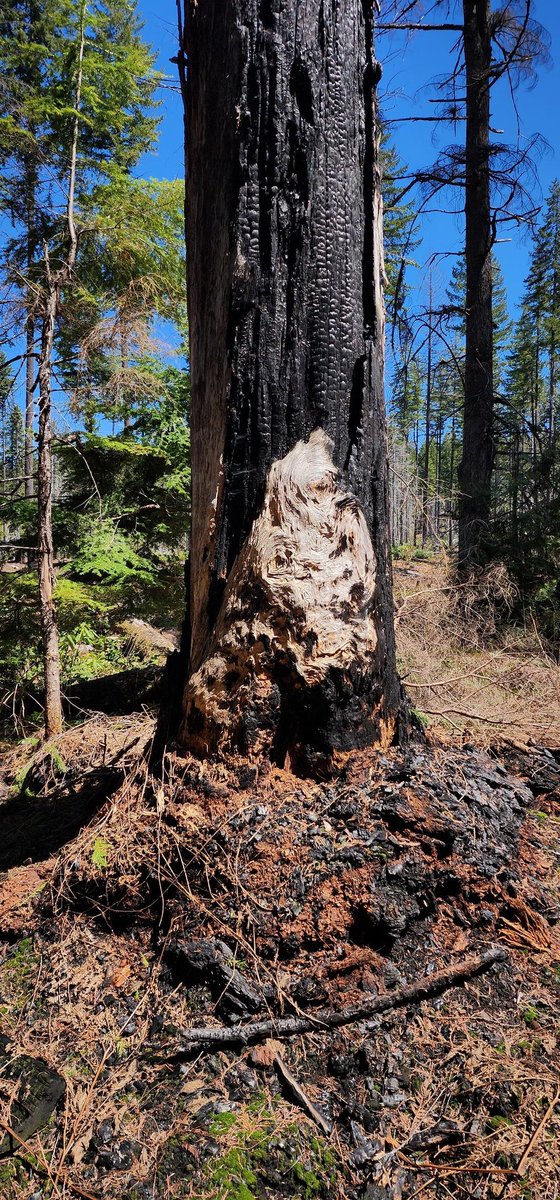
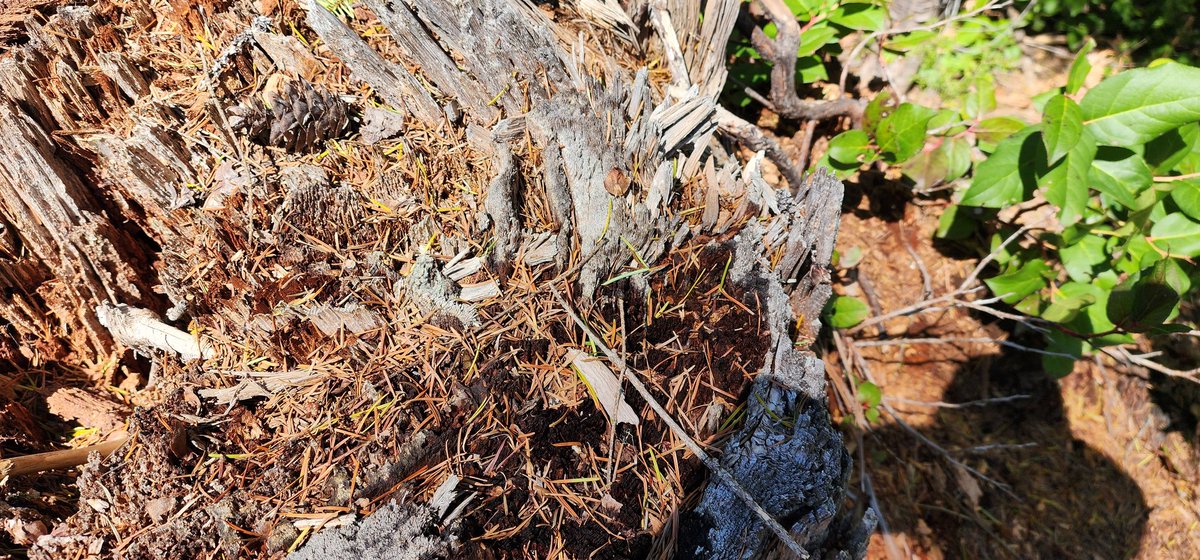
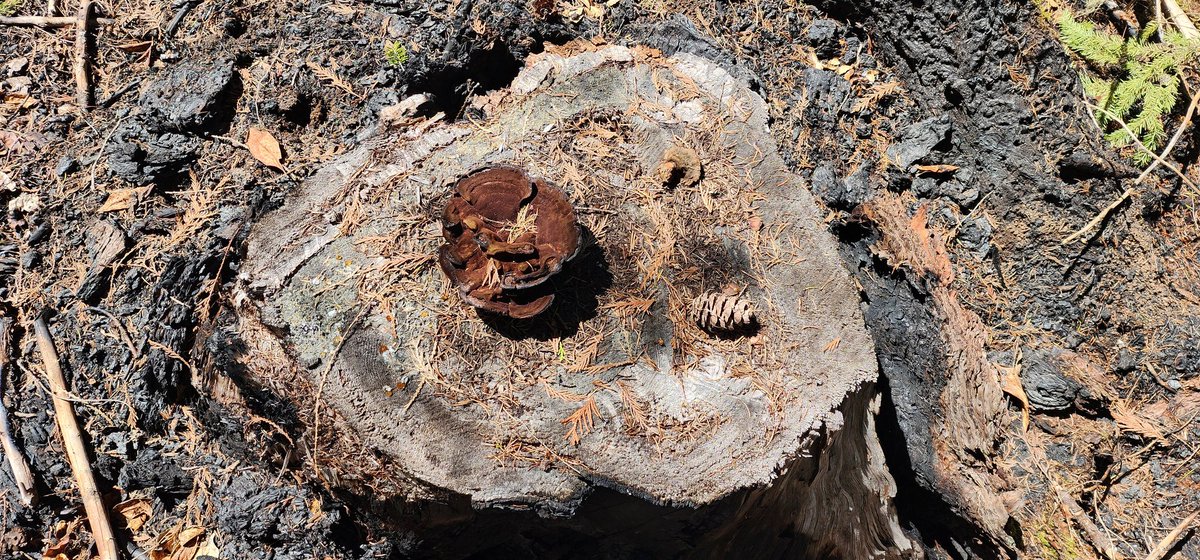
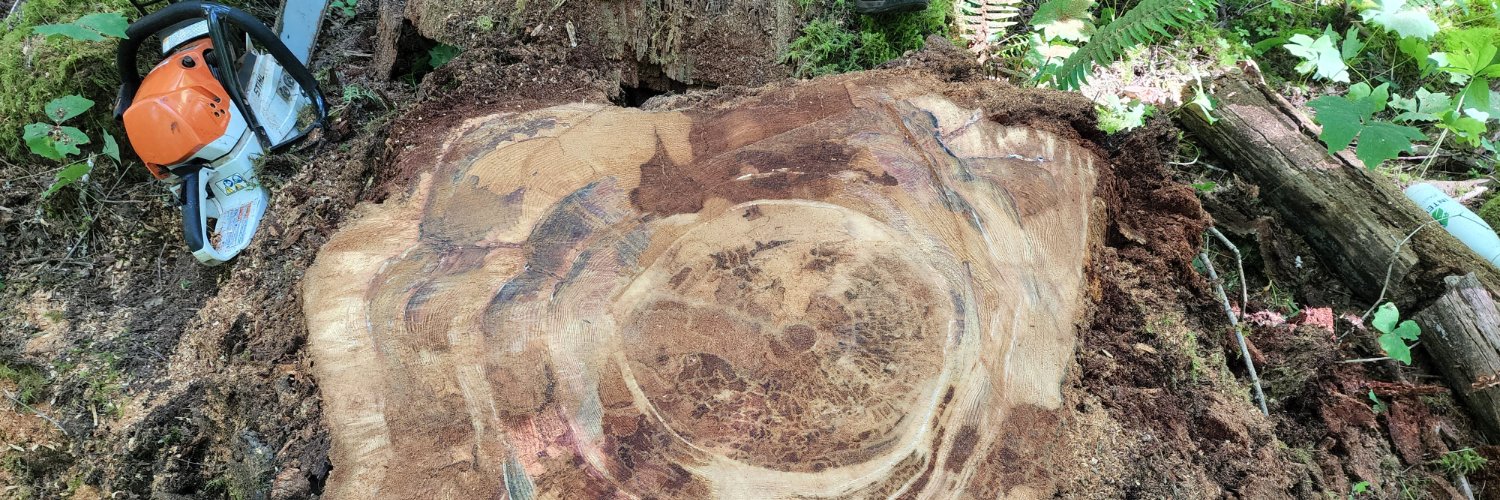
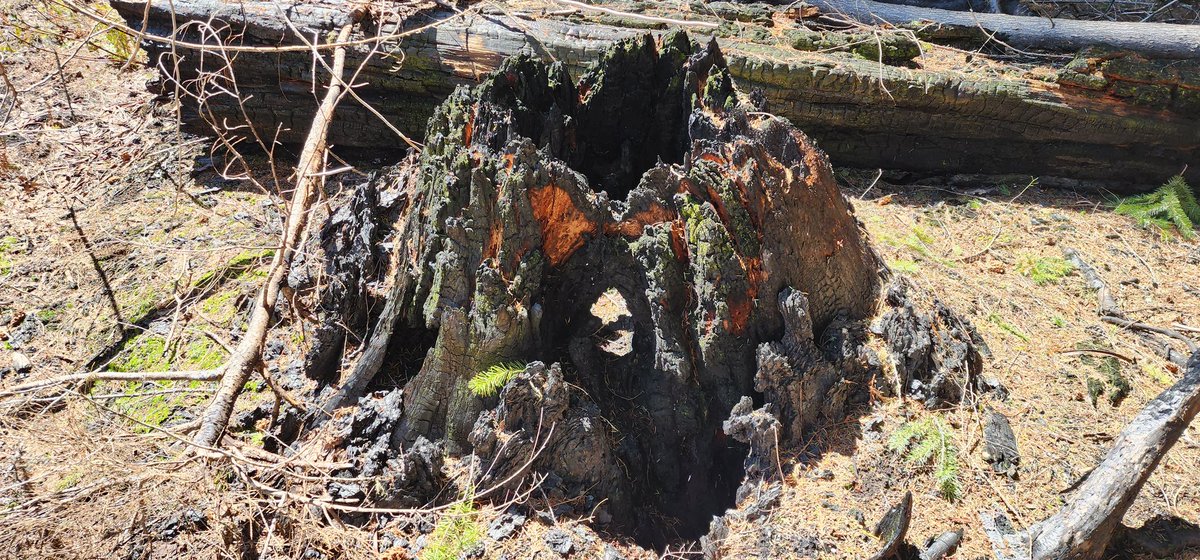
Went up the north fork of the Willamette and found some cool fire-scarred pieces of wood. These were remnant stumps/snags that had survived the recent Cedar Creek Fire. #firescars#cedarcreekfire#dendrochronology
@JoeBuckInNature An example of non-fire-caused scars could be animal rub that removes the bark from a tree and damages the sapwood through multiple ring boundaries."
@JoeBuckInNature Non-fire-caused scars can be identified if there is more damage to the internal sapwood structure of the bole than just the vascular cambium layer or if the injury crosses ring boundaries.
@JoeBuckInNature We have a Velmex, Acugage, and WinDendro scanner. I prefer the Acugage. It is well positioned to stand while scanning and hooked up to a nice camera. Although for the small rings nothing beats the microscope/Velmex combo.
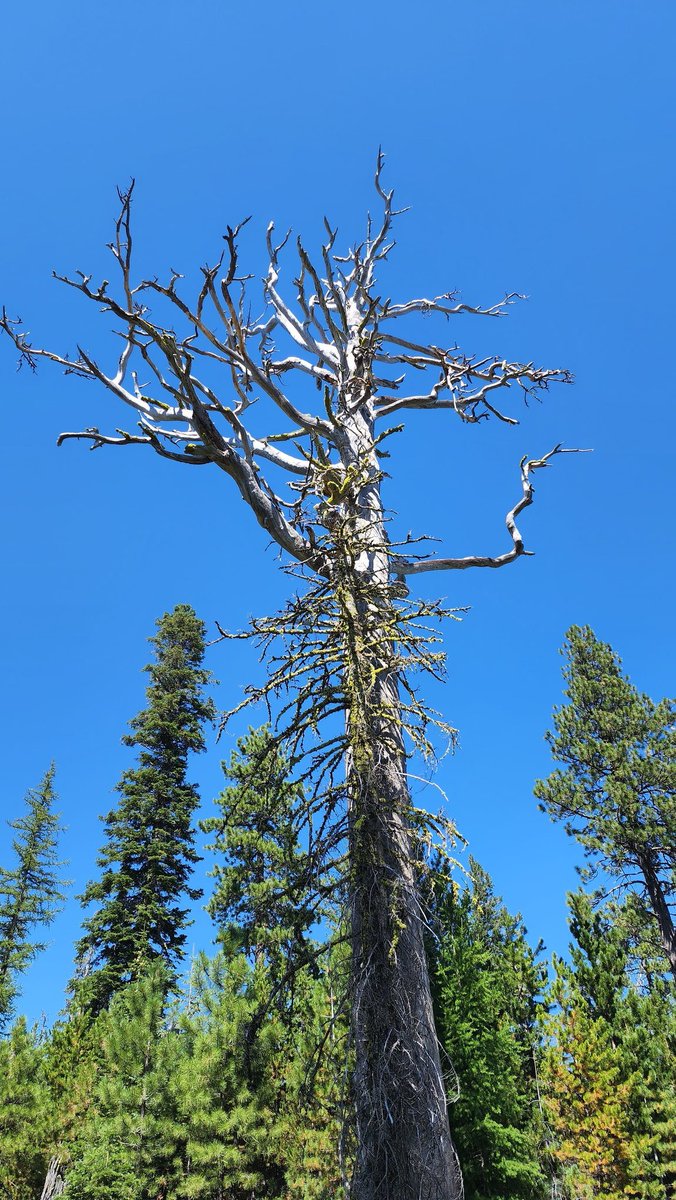
On this #FireScarFriday I had to post about these samples from a massive snag (146 cm dbh; 4.79 ft dbh) found east of Mt. Hood (in the moist, mixed conifer zone). While finding firescars on a PIPO was not particularly exciting, the elevation of close to 5000ft was!
Fire scars located by Packwood, WA! We haven't processed this particular site yet but it looks like we had 4 fire scars at minimum on this stump alone. Looking at these old-growth stumps gives insight on historically-frequent stand-development fires #FireScarFriday
This is a good paper outlining the illegal arrest of a USFS burn boss. In a time when personnel resources are a major limiting factor in fuels treatment, this case will drive fire practitioners away from doing good work in our forests. #BurnBoss#RxFire https://t.co/OqQBcCPXz0