I like it. Yet, color me skeptical. To explain the Thracians, you need to explain multiple things. Where does this nonsensical 70% Neolithic farmers component come from? All IA Thracian samples have it. Where did it physically come from - some vault of Neolithic DNA (nearly unadmixed, outliving the Neolithic, Chalcolithic, and Bronze Age, and entering the Iron Age unadmixed to mix with Hallstatt)? Which Thracians (Homeric Thracians or Herodotus’ Thracians)? Are we certain they are the same? Looking at DNA, there is a discontinuity between LBA/BA (Homeric Thracians) and IA (Herodotus’ Thracians). Most BA are fairly typical Yamnaya recent arrivals with some local admixture (in the plains); or an odd, never-to-be-seen-again on the Balkans mixture of 20–30% WHG + 15–30% Yamnaya + some Balkan Chalcolithic (Ezero, Kran, all little valleys between mountains). LBA are Babyne (Moldavia)-like, which by itself is late-CW-like. So which ones are the Homeric Thracians, and where did they go, because they were no more in the EIA Central Balkans? (Herodotus Thracians look like Chalcolithic artifacts, except they do not have a lot of hunter-gatherers and certainly almost too little of Yamnaya component; and, well, massively carry E1b1, but let’s put that aside.) Anyway, I look forward to whatever you are doing.
Some subtle differences between Reich (2026) and Loya et al. (2026).
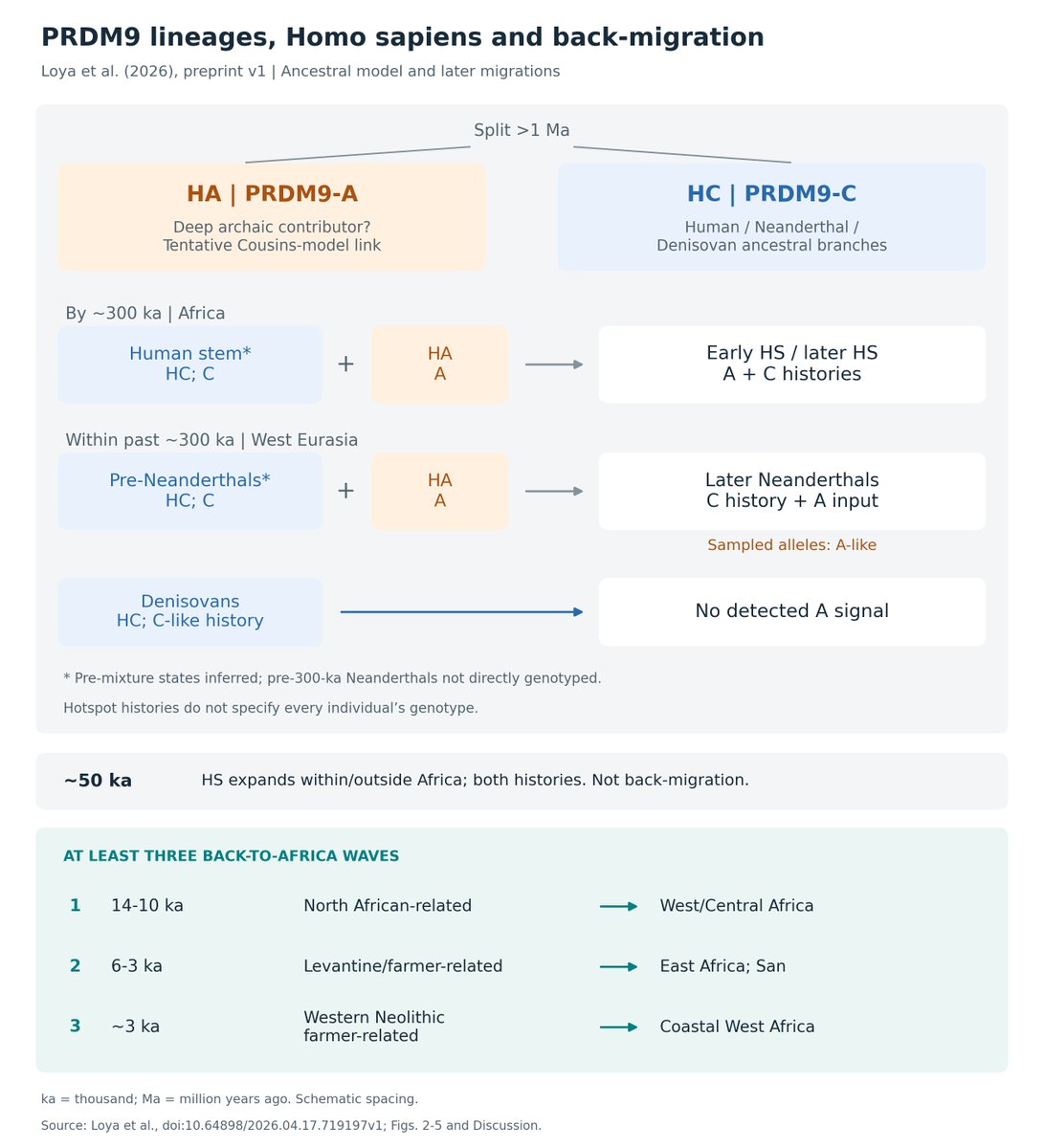
Below is a graph built by ChatGPT that summarises Loya et al.’s model of Homo sapiens (HS) emergence and interactions, as proposed in https://t.co/Hbr0F9Qlzk . Nothing is settled yet.
" Which study say that europeans and asians have archaic african genes?!" - Fair. Cousins, Scally & Durbin 2025, “A structured coalescent model reveals deep ancestral structure shared by all modern humans.” Nature Genetics 57: 856–864.
https://t.co/XP4HCOpOCB, https://t.co/uLnfJv3T4R also Loya, Hinch, Palamara, Speidel & Myers 2026, “Genome-wide genealogies reveal deep admixtures forming modern humans.” bioRxiv.
https://t.co/Lj0jyUNZ4l
Both found two deeply diverged ancestral lineages (between ~300 ka and 1 Ma) that contributed to all modern humans and to Neanderthals.
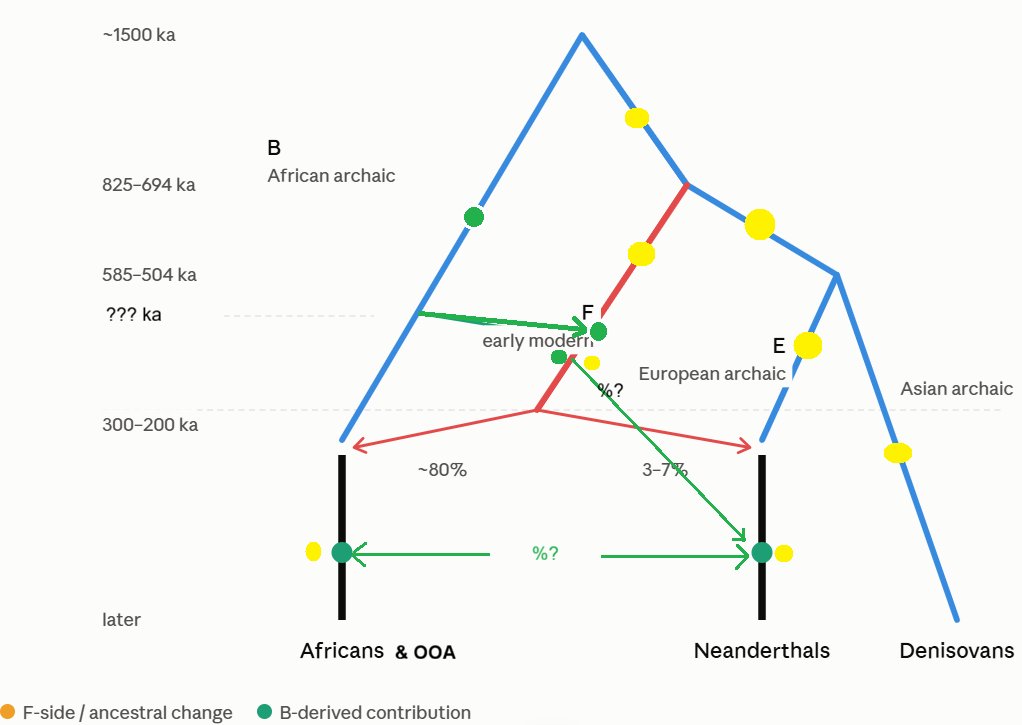
An exciting update on David Reich's preprint on Human and Neandertal origins - "Hypothesis: A modern human range expansion ~300,000 years ago had a critical role in Neandertal origins."
https://t.co/DaMIzOKvCU
From what I remember, the Levallois culture was endemic to both coasts of the Red Sea (Arabian Peninsula and eastern Africa), which would limit the origins of *pre-modern* Homo sapiens to the Red Sea coast, time-framed 800,000–300,000 years ago. If true, the population that lived during this period in this region gave 80% of the ancestry of all living people today (that is, it gave rise to the contemporary Homo sapiens). In a strange way, the same population gave rise to Eurasian Neandertals during its range expansion in western Eurasia, contributing both of its uniparentals to the European archaics along with 3–5% of its autosomes, thus demonstrating a lack of reproductive barrier with European archaics. In its deep African range expansion, running in parallel to its European expansion, this Red Sea endemic population admixed with African archaics in 80/20 proportions, suggestive of a certain reproductive barrier in the latter case. The product of this admixture (Red Sea endemics × African archaics in 80/20 proportions) became what we understand as modern Homo sapiens, which is, us.
Around 40-70 000 years ago, the later mix expanded its range again, covering all continens and intermixing with its Neandertal cousins in western Eurasia - again, as well as with other archaics - perhaps everywhere it came across such. This time under the condition of a partial reproductive barrier. Eventually. P.S. A strange implication of the hypothesis is that we are not indeed Homo sapiens - Homo sapiens in its unadmixed form (by which I mean the population that is behind Levallois revolution 300,000 years ago) no longer exists and went extinct about 250,000 years ago, whereas we are a hybrid that carries 80% of its genome, but mixed with another, more archaic population, that contributed 20% to our genomes. In a certain sense, one of the findings of the study is that Homo sapiens in fact went extinct around 250,000 years ago and while we carry some 75-78% of its genome, HS should not be mistaken with, well, us. Word choices mine and not from the preprint.
@NomadWarriorA8 "*ALL* modern humans carry African archaic genes?!"-Yes. This is what David Reich’s preprint that I discuss in the post clearly and unambiguously suggests. There are multiple recent studies suggesting the same.
@judham_canaan If preprint hypothesis is correct, we are not Homo sapiens in its unadmixed form. Since we carry about 20% archaic admixture, this distinguishes us from the original Homo sapiens; we are considerably more archaic than the (unadmixed) Homo sapiens was. Make of that what you will.
Another strange implication from the hypothesis is that, we can at least suspect, as a result of its graduall admixing with European archaic species, which would have lasted nearly 40,000 years in the case of the Neanderthals, the European branch of Homo sapiens, besides having lost 95% of its autosomal DNA over time, must have lost the ability to speak. The anatomy of the Neanderthal larynx is different from the anatomy of the larynx in Homo sapiens. There are informed speculations that Neanderthals were able to whistle to each other and pronounce consonants, but not vowel sounds due to their specific larynxes; since the latter form the basis of human languages, in a certain sense the descendants of Homo sapiens would have slowly lost the ability to speak to each other as they were turning into what we today call Neanderthals. I wonder to what extent this played a role in their later demise, given the role of language in social communication, cohesion, and group organization.
Fair enough. From your post I gather you stand on the side of the pots in the "pots are not people" paradigm, which is probably also the standard principle of the last hundred years or so. How well founded that principle is I will refrain from judging; but as far as I understand, you reject the possibility that a new technology could be a driver of migration and demographic success on principled grounds (the above principle). Of course, I could give you about 1,000 examples (or a few more) in which pots ARE people, but I will spare them, no point in pointing to flaws in a founding principle accepted by multiple science disciplines consensually, but first of all because we do not know whether it was in operation in the case of the Levallois culture. I would rather try to bring into view what I believe the claim actually is when Levallois is linked with the appearance of new people in places where there had been none before. At least my impression is that the proponents of the above hypothesis do not argue that the Levallois technique appeared thanks to an evolutionary leap in the population that invented it (the invention of the computer and the television is not the product of an evolutionary leap in the population that created them, but, in the most general terms, the product of an innovation with an unquestionably cultural rather than biological basis). At the same time, any eventual spreaders of a new culture would carry specific markers which reflect the particular marriage network they were part of, which makes them distinguishable by the geographically typical alleles they carried and which circulated within their network and they would pass on this kind of distinctiveness on their offsprings. I, for my part, hold the opposite view; that truly large-scale discoveries, they are indeed 100% culturally and socially preconditioned, are made relatively rarely ( (random?)single events, no repeat) in the history of humankind and are capable of conferring a reproductive advantage on the members of the community that created them, at least for a time; and that this reproductive advantage is sometimes so great that we can register a rapid demographic and geographic expansion of the population that created them, without this being tied to an evolutionary leap in their biology, but it does tie the appearance of that group's material artifacts in regions where they had previously been absent to all of the above. (P.S. I know of an anecdote about Mongolian teenager in 1920-s who discovered the two- wheeled vehicle (a bicycle, in his case) and proudly went to present his discovery to the authorities at Ulan Bator; on his way from his isolated mountain village, he saw trollies and realized he was 5000 years late. To my knowledge this is the second registered invention of the wheel – in 5000 years).
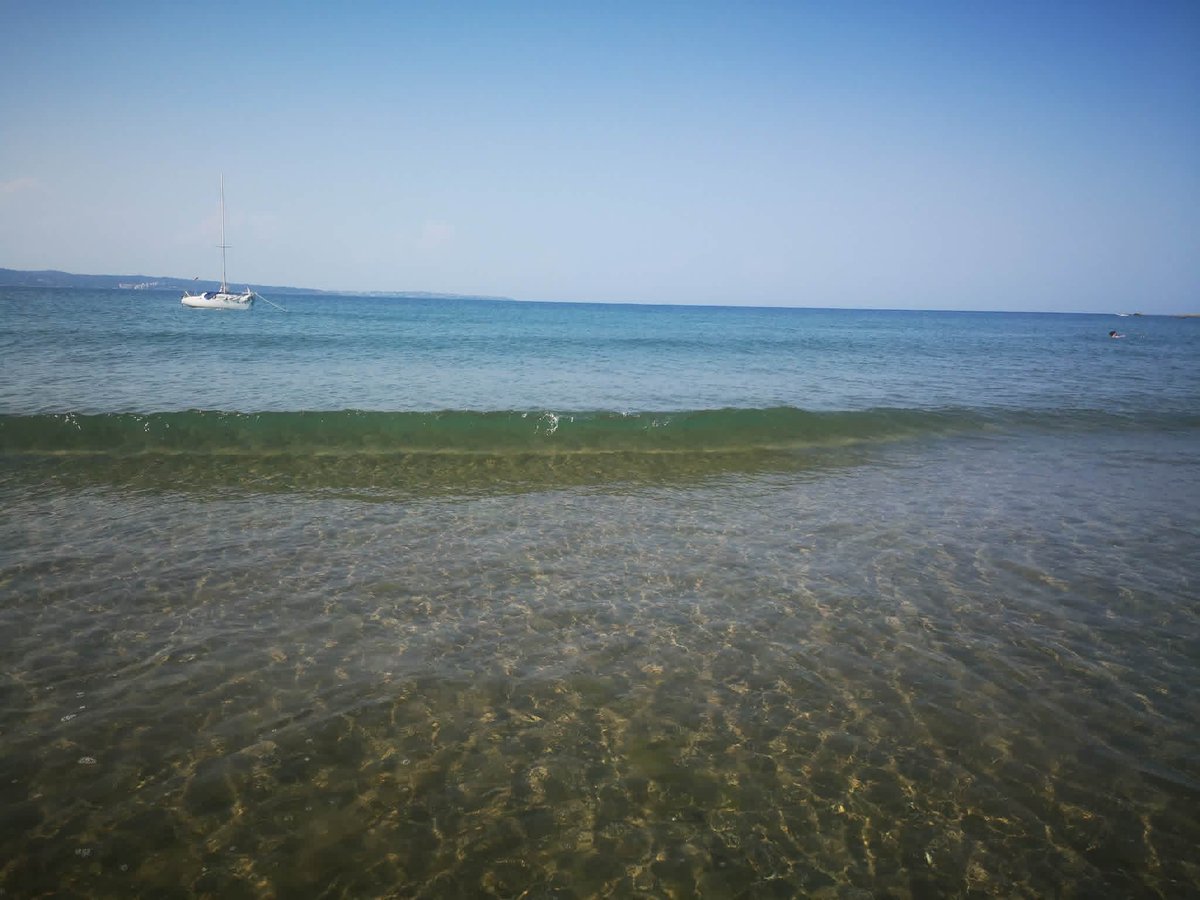
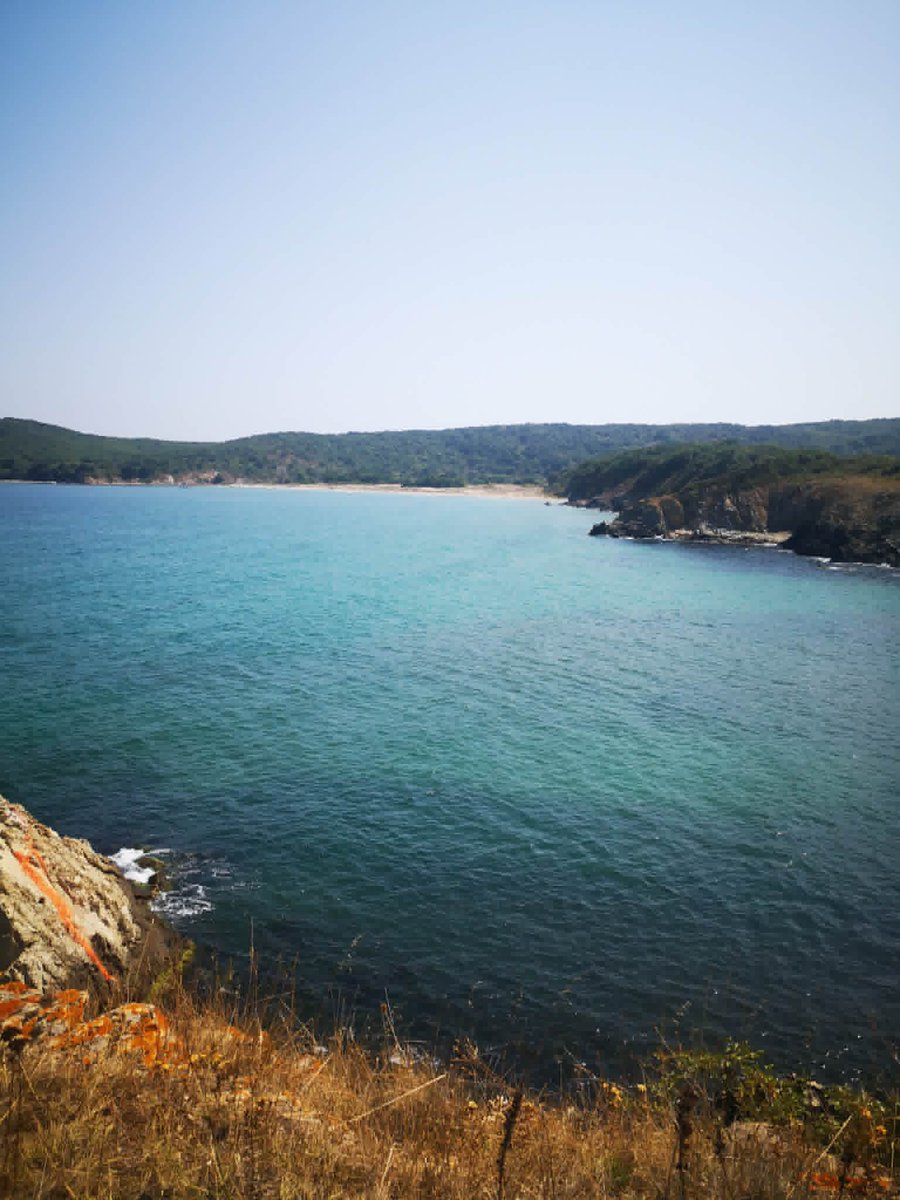
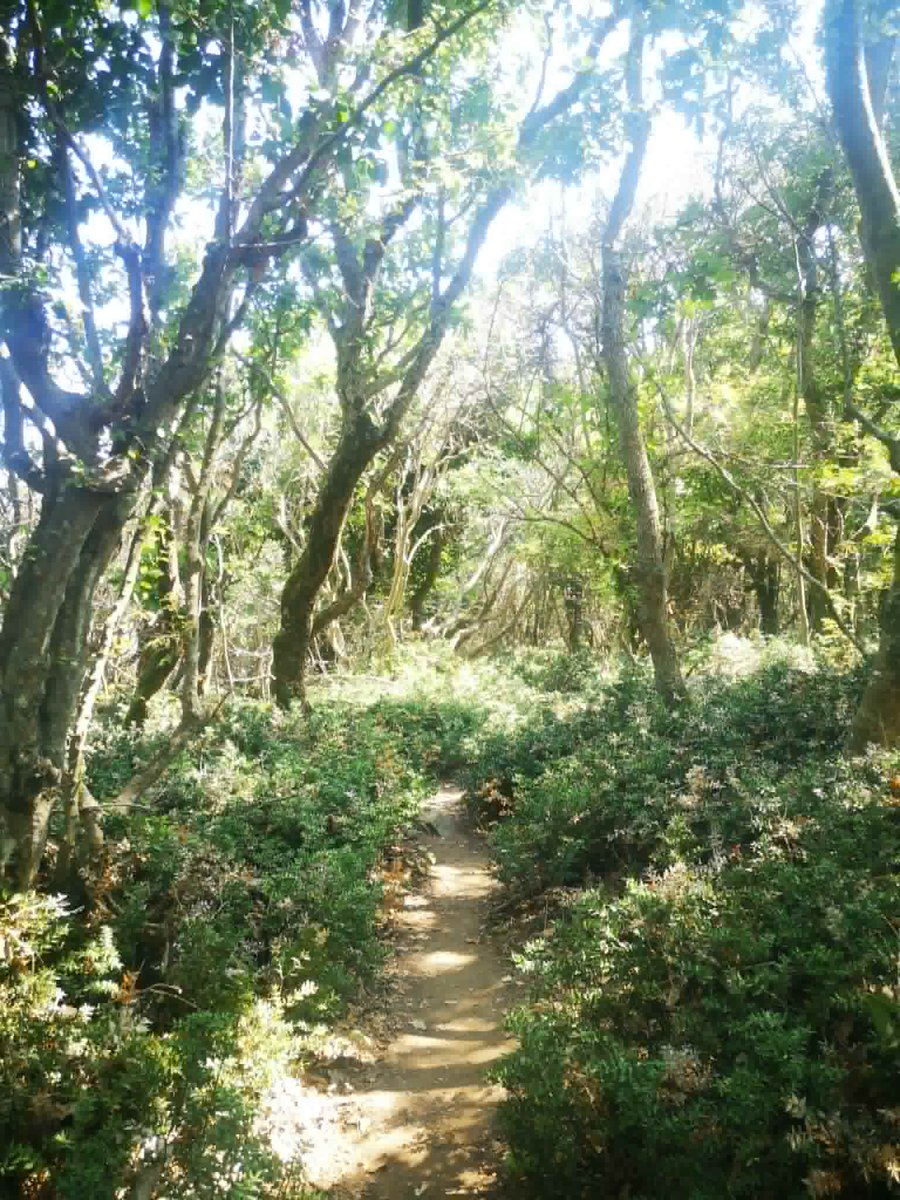
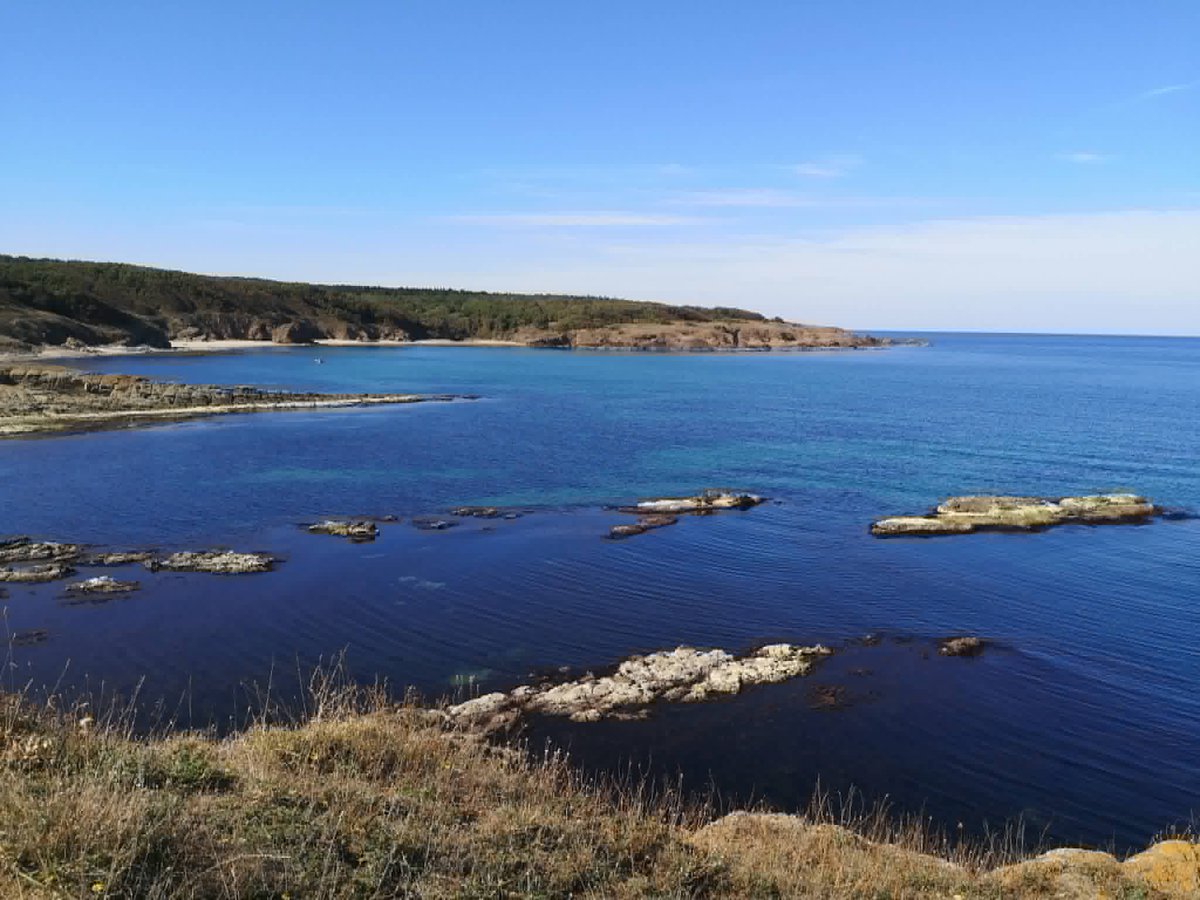
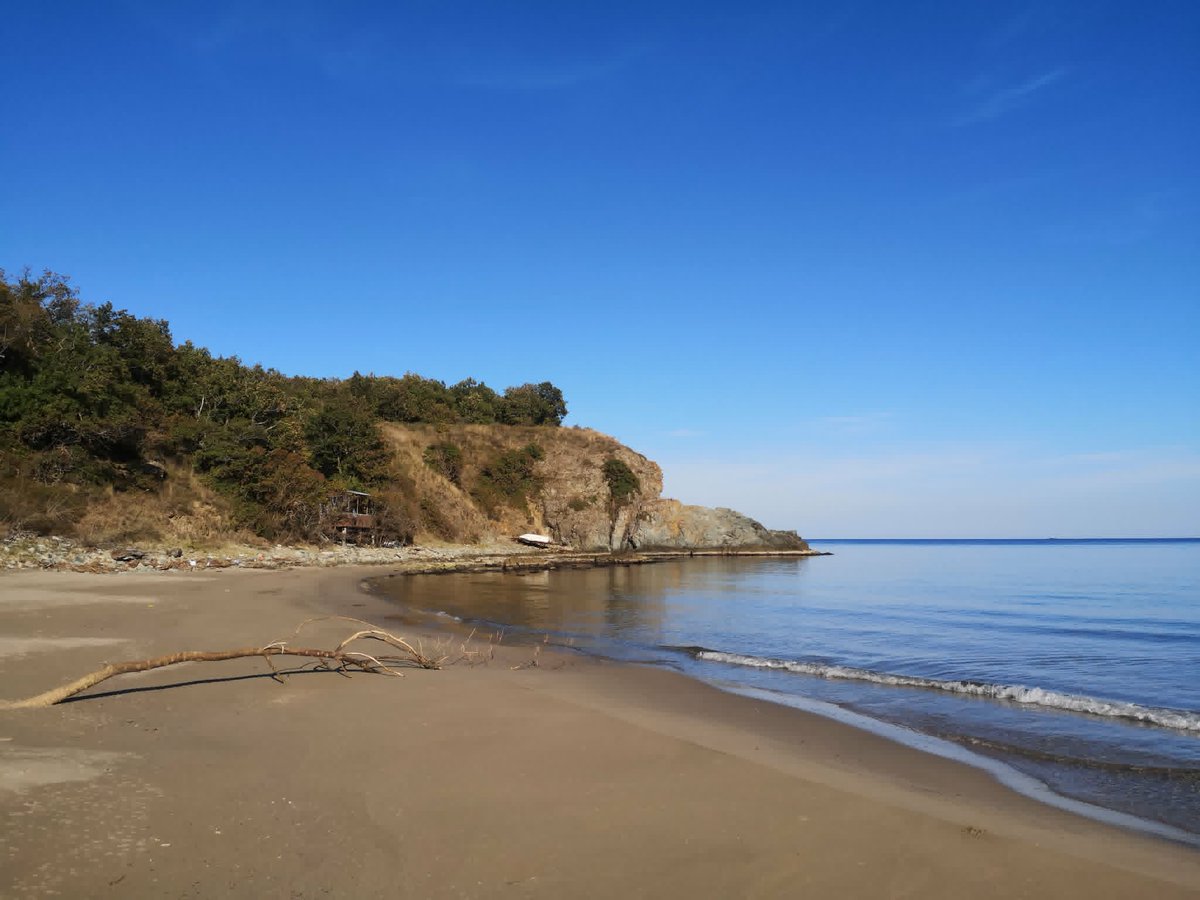
The BG Black Sea town of Burgas, my hometown, was selected as the next host for the Eurovision Song Contest 2027. Burgas is crazy and I mean it - for nature lovers & beach-goers, especially in May. A photo-tread. Mostly May 2025-6. All photos my own & no AI involved. 1/
Astonishing. Congrats to @DanTabin and the team, looking forward to more. It would be great if someone finds more Mesolithic burials from the Lower Danube. Just last month a Bulgarian archaeologist discovered a pre-Neolithic village there after the drought uncovered it from the riverbed.
We also find evidence that the WHG-like ancestry in Eastern Europe and Central Asia comes from a source closer to our Balkan Epigravettian populations than to Italian Epigravettians, suggesting the Balkans were a major source for populations as far east as the Altai
Very excited to present a preprint of the first chapter of my thesis, which focuses the end of the LGM (Ice age / Last Glacial maximum) in Europe, and specifically the post-LGM Balkans.
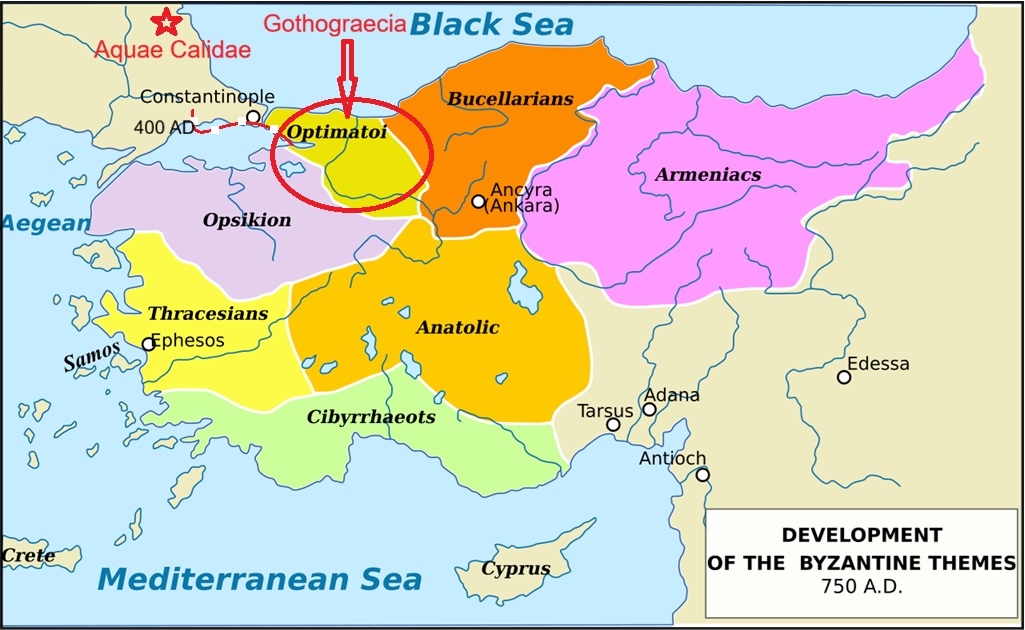
It is not widely known that, around 400 CE, Anatolian Goths rebelled, took Constantinople and held it for few months. This is an extraordinary and strangely little-known event: Constantinople was by then the capital of the Roman world. The Goths seized it by attacking from the southeast - from Anatolia, because they had been living there. These were the possibly Greuthungian Goths settled as foederati in Phrygia (central Anatolia) by Emperor Theodosius I around 386. In 399 their leader Tribigild rebelled and ravaged parts of Asia Minor. The Gothic general on Roman service, Gainas, sent to suppress him, joined the revolt instead. By early 400 Gainas and Tribigild’s forces reached the Asiatic side of the Bosphorus. Gainas then entered Constantinople with his troops and their families and effectively controlled the Roman capital and the imperial government for several months. On the night of 11–12 July 400 the Roman city militias in Constantinople attacked the Gothic garrison in a bloody battle; Roughly 7,000 Goths (soldiers and civilians) lost their lives inside the city. In a rather cunning, desperate move the survivors fled across the Sea of Marmara on ships and after few naval battles with the roman fleet landed in Thrace, not much of them to be heard, never again. That is, before archeologists from Burgas found the 4th century CE Gothic settlement near Aqua Calidae, 70 miles (as the eagle flies) north from where the Goths landed once, and Reich’s lab sequenced aDNA from 23 individuals buried there. Rest is here -https://t.co/gnwE0vJYCZ . Disclaimer – yes, this tweet is a hook. And no, we did not discuss any of the above in the paper. Yet it could explain some of the oddities in the results from our study – as far as it could have been proven more than circumstantially, and it was not, which is why it found no place in the paper.
P.S. - Figure 2 in the first tweet displays the 37 individuals projected onto modern West Eurasian variation. Blue is Aquae Calidae, red is the Aul of Khan Omurtag; the blue points scatter, the red points sit mostly with Wielbark and Chernyakhov-related variation. Here I attach the F3 outgroup results for each site. Sites differ. DATES results are also surprising, considering what we thought we've known, but it turned we haven't .
I am happy to annonce, that the Goths have crossed the frontier again -this time it is The Frontiers in Genetics. https://t.co/ZpC9d9oDdq Our ancient-DNA study of Gothic-associated communities in Late Antique Bulgaria is out. They arrive much as they did the first time: not as one people. Two cemeteries share Gothic-associated material culture and Christian east–west burial, but they are not a single genome-wide population. The data support a formation process: migration, multiethnic coalition, and frontier incorporation, with steppe-related individuals among them, and a north-south admixture signal that predates the burials. I am deeply grateful to Todor Chobanov and the whole team, and to David Reich, @iosif_lazaridis and Tianyi Wang for an extraordinary collaboration. Be, however, warned: the Tervingi and the Greuthungi are back. On the Frontiers. I hope it goes better for the Romans (and everyone else) than it did last time. @FrontGenetics, #ancientDNA