ACL Friday!
Tunnel malposition is the #1 reason for ACL reconstruction failure/re-tear. This image demonstrates vertical ACL tunnel placement after a transtibial ACL reconstruction. #orthotwitter
The establishment are trying to force me out of the UK by closing my bank accounts.
I have been given no explanation or recourse as to why this is happening to me.
This is serious political persecution at the very highest level of our system.
If they can do it to me, they can do it to you too.
🚨Biden Says Supreme Court is "Not a Normal Court" After Race-Based College Admissions are Ruled Unconstitutional
Today, the Supreme Court ruled that race-based admissions to college are unconstitutional and instructed colleges to stop considering the race of applicants for admission.
The 6-3 majority stated that the two programs "unavoidably employ race in a negative manner" and "involve racial stereotyping" in a way that violates the Constitution.
Biden responded to this decision by stating "discrimination still exists in America," and added that "today's decision does not change that."
As Biden was leaving the room, a reporter asked if the court is "broken," to which Biden replied "this is not a normal court."
Agree with Biden's Criticism of the Supreme Court?
Does the court’s decision promote RACIAL EQUALITY, or does it have the opposite effect?
Everything happens for a reason and at the right time 😌🙏🏻 Or you know how I say it: sometimes God has to throw a tantrum to hear a woman 🤣🤣🤣 I myself believe women are all about lightness and softness, but sometimes you Having to stand up and say out loud, "I screwed up.
When the sun rises slowly and sprinkles golden sunlight, the world begins a new day. Sunrise is a beautiful moment, it brings hope and joy to people, and makes people feel the infinite possibilities of life.
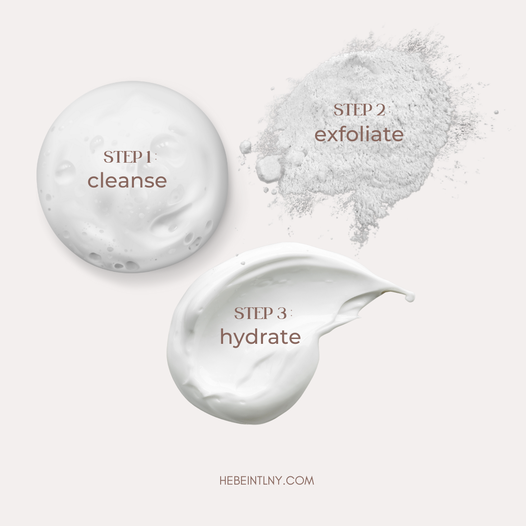
✨Following a consistent skincare routine is not only important for achieving a clear, radiant complexion, but it also helps to prevent signs of aging, keep skin hydrated, and maintain overall skin health✨
Vision Pro mega-thread 1/5:
My advice for designing and developing products for Vision Pro. This thread includes a basic overview of the platform, tools, porting apps, general product design, prototyping, perceptual design, business advice and more.
Disclaimer: I’m not an Apple representative. This is my personal opinion and does not contain non-public information.
Overview:
Apps on visionOS are organized into “scenes”, which are Windows, Volumes, and Spaces.
Windows are a spatial version of what you’d see on a normal computer. They’re bounded rectangles of content that users surround themselves with. These may be windows from different apps or multiple windows from one app.
Volumes are things like 3D objects, or small interactive scenes. Like a 3D map, or small game that’s not immersive.
Spaces are fully immersive experiences where only one app is visible. That could be full of many Windows and Volumes from your app. Or like VR games where the system goes away and it's all custom content. You can think of visionOS itself like a Shared Space where apps coexist together and you have less control. Whereas Full Spaces give you the most control and immersiveness, but don’t coexist with other apps. Spaces have immersion styles: mixed, progressive, and full. Which defines how much or little of the real world you want the user to see.
User Input:
Users can look at the UI and pinch like the demo videos show. But you can also reach out and tap on windows directly, sort of like it’s actually a floating iPad. Or use a bluetooth trackpad or video game controller. You can also look and speak in search bars, but that’s disabled by default for some reason on existing iPad and iOS apps running on Vision Pro. There’s also a Dwell Control for eyes-only input, but that’s really an accessibility feature. For a simple dev approach, your app can just use events like a TapGesture. In this case, you won't need to worry about where these events originate from.
Spatial Audio:
Vision Pro has an advanced spatial audio system that makes sounds seem like they’re really in the room by considering the size and materials in your room. Using subtle sounds for UI interaction and taking advantage of sound design for immersive experiences is going to be really important. Make sure to take this topic seriously.
Development:
If you want to build something that works between Vision Pro, iPad, and iOS, you'll be operating within the Apple dev ecosystem, using tools like XCode and SwiftUI. However, if your goal is to create a fully immersive VR experience for Vision Pro that also works on other headsets like Meta's Quest or PlayStation VR, you have to use Unity.
Apple Tools:
For Apple’s ecosystem, you’ll use SwiftUI to create the UI the user sees and the overall content of your app. RealityKit is the 3D rendering engine that handles materials, 3D objects, and light simulations. You’ll use ARKit for advanced scene understanding. Like if you want someone to throw virtual darts and have them collide with their real wall, or do advanced things with hand tracking. But those rich AR features are only available in Full Spaces. There’s also Reality Composer Pro which is a 3D content editor that lets you drag things around a 3D scene and make media rich Spaces or Volumes. It’s like Diet-Unity that’s built specifically for this development stack.
One cool thing with Reality Composer is that it’s already full of assets, materials, and animations. That helps developers who aren’t artists build something quickly and should help to create a more unified look and feel to everything built with the tool. Pros and cons to that product decision, but overall it should be helpful.
Existing iOS Apps:
If you're bringing an iPad or iOS app over, it will probably work unmodified as a Window in the Shared Space. If your app supports both iPad and iPhone, it’ll look like the iPad version.
You can use the Ornament API to make little floating islands of UI in front of, or besides your app, to make it feel more spatial. But that’s not something all existing apps get automatically. Ironically, if your app is using a lot of ARKit features, you’ll likely need to ‘reimagine’ it significantly as ARKit has been upgraded a lot.
If you’re excited about building something new for Vision Pro, my personal opinion is that you should prioritize how your app will provide value across iPad and iOS too. Otherwise you're losing out on hundreds of millions of users.
Unity:
You can build to Vision Pro with the Unity game engine, which is a massive topic. Again, you need to use Unity if you’re building to Vision Pro as well as a Meta headset like the Quest or PSVR.
Unity supports building Bounded Volumes for the Shared Space which exist alongside native Vision Pro content. And Unbounded Volumes, for immersive content that may leverage advanced AR features. Finally you can also build more VR-like apps which give you more control over rendering but seem to lack support for AR Kit scene understanding like plane detection. The Volume approach gives RealityKit more control over rendering, so you have to use Unity’s PolySpatial tool to convert materials, shaders, and other features.
Unity support for Vision Pro allows for tons of interactions you’d expect to see in VR, like teleporting to a new location or picking up and throwing virtual objects.
Today I work in a tea restaurant, which is a busy and exciting place. Here, I have learned a lot about the service industry and the catering industry, and experienced the unique charm of this industry.
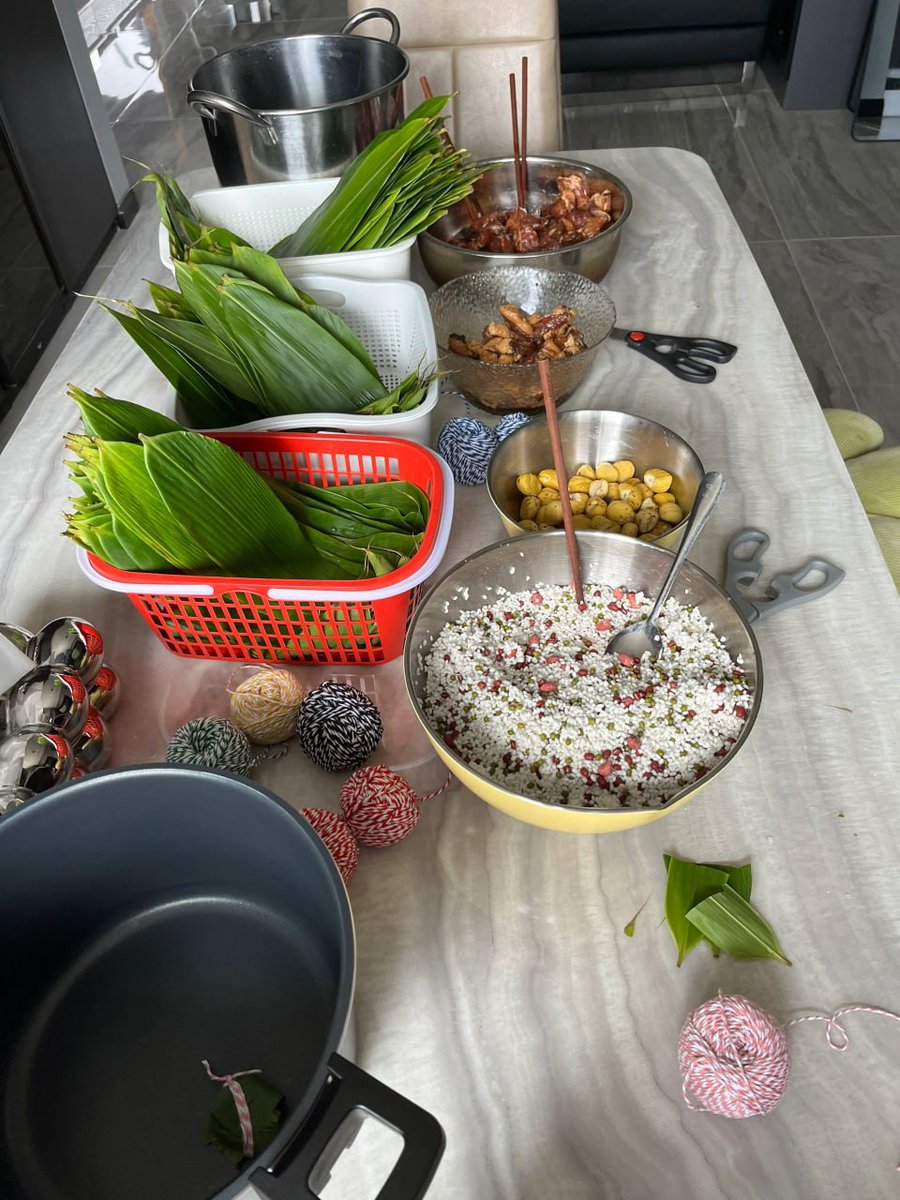
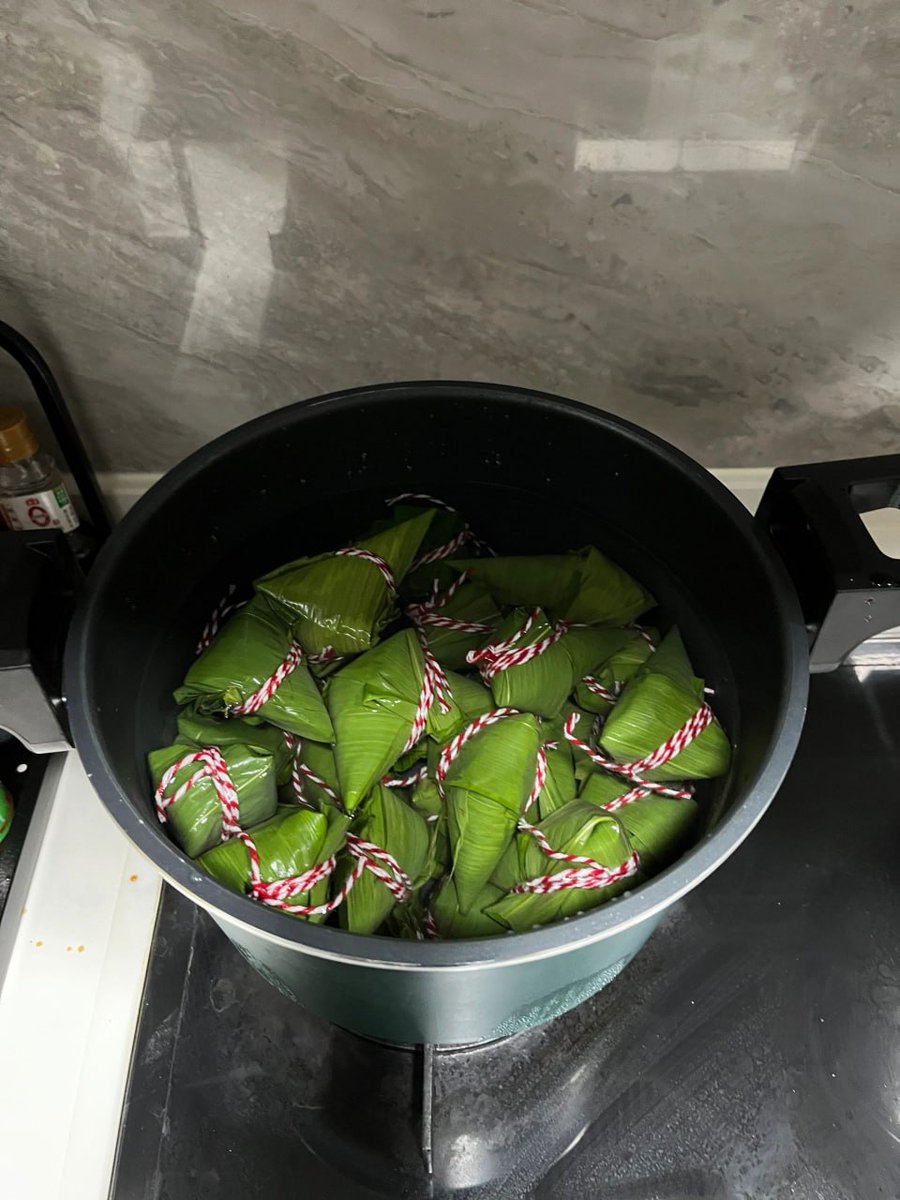
It’s time to make dumplings again, the lawn of Central Park in New York, the lawn of Sheep Meadow in Central Park, New York, every time it’s like making dumplings, the lawn is full of people, but it’s orderly, crowded but not chaotic, a harmonious scene This is the only scene.