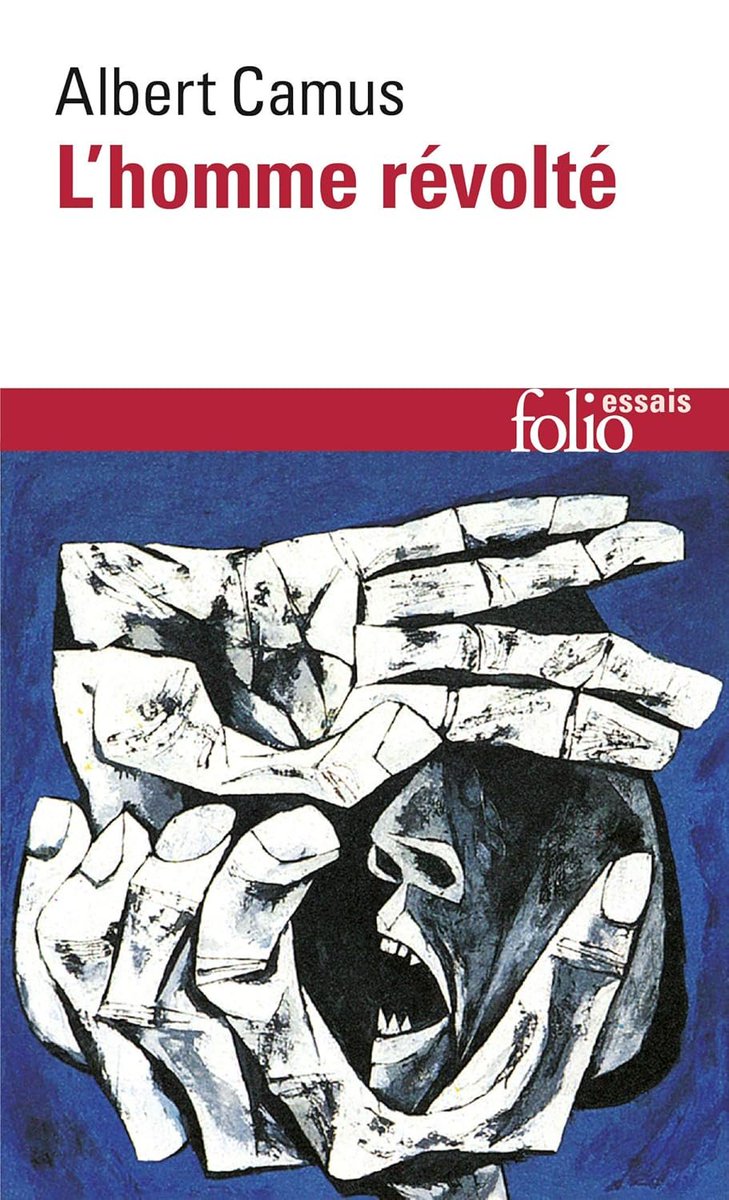
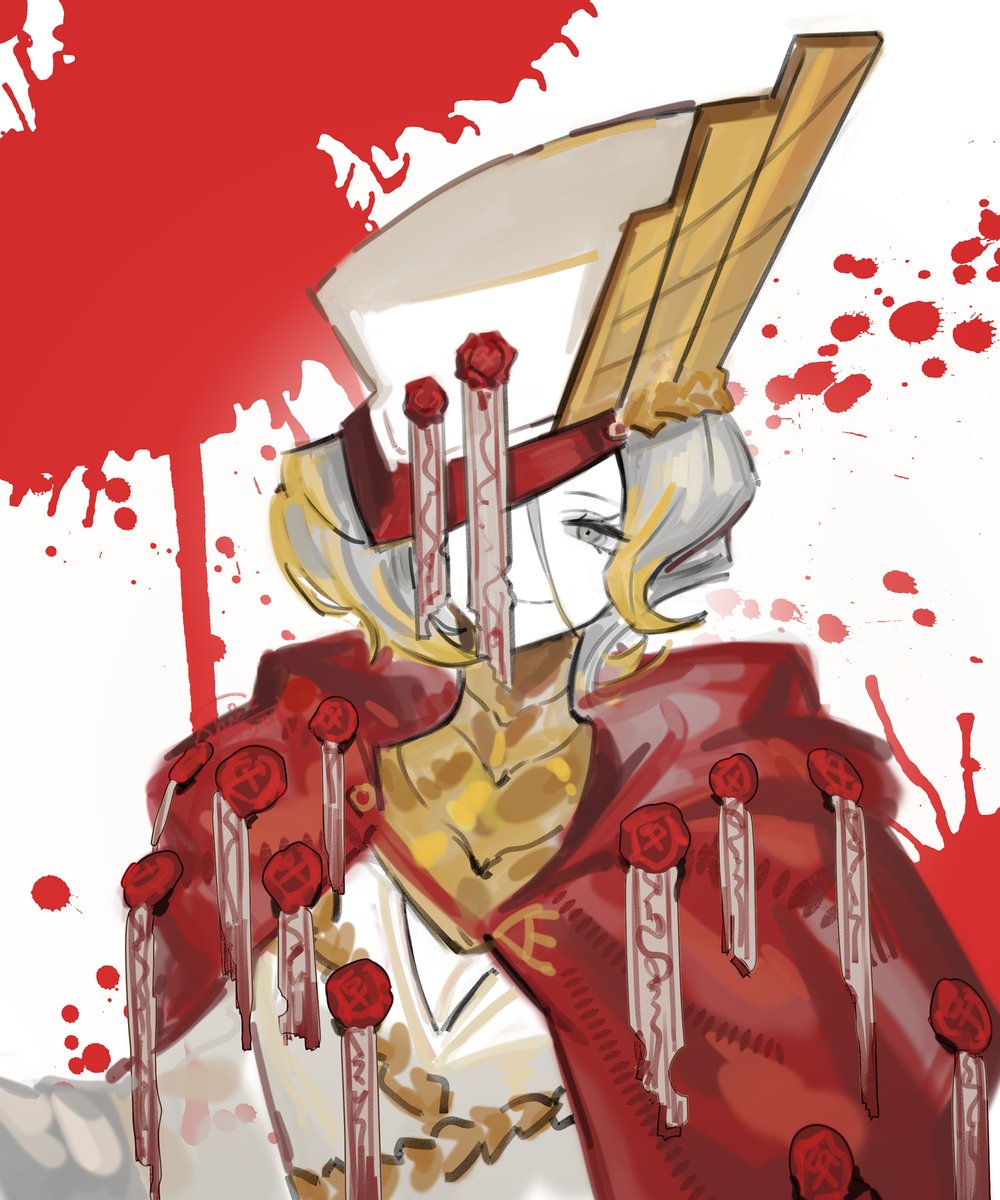
The Chaplain embodies Camus's theory regarding political revolutions, as expounded in his book "The Rebel". Camus argued that political revolutions betray their original ideals, degenerating into totalitarianism and terror in the name of a revolutionary ideology that is fundamentally utopian.
Camus criticized the French Revolution by highlighting how the revolutionaries "killed God" through the beheading of King Louis XVI, replacing religion's transcendental function with a cult of history and progress, one that ultimately eradicates everything that came before it.
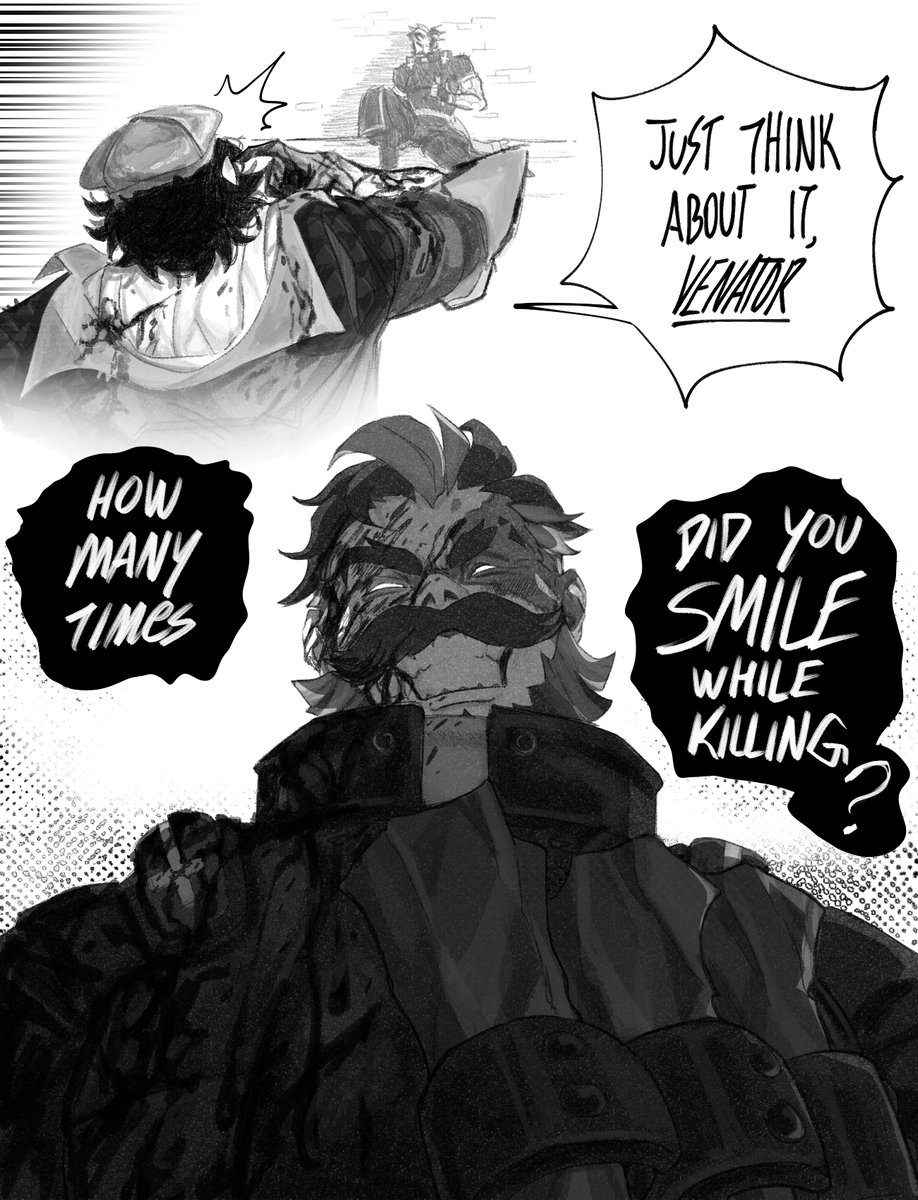
In Limbus Company, the Chaplain occupies the same role once held by the King, the Ancien Régime, and God. He curbs the excesses of Negel und Hammer by upholding the Sisyphe System and the Grand Magasin, which he views as a "more civilized" method of collecting Canned Experience. This perspective stands in stark contrast to Heinrich Kromer’s vision for collecting Canned Experience; Kromer advocates for direct extraction by cracking open the human skull: a process that would kill the subject and, in the Chaplain's view, descend into barbarism.
A similar dynamic appears with Buffet /Pwie, who seeks to consume the Store to sate an insatiable hunger. Pwie’s hunger is a craving for significance, a significance once granted by the system the Chaplain maintains, but which Buffet was destined to destroy, at least until the liquidation of the Grand Magasin Sisyphe. This positions Pwie as the "revolutionary", in contrast to Meursault, whose perpetual rebellion against his condition makes him the archetype of Camus's "Rebel."
The death of the Chaplain and the collapse of the Sisyphe Tower are comparable to the Storming of the Bastille, particularly regarding the release of the 300 million Distortions held captive within the Grand Magasin Sisyphe. The event heralds the Second Smoke War and the fall of the old N Corp system in favor of Kromer’s regime, while also marking a permanent shift in the social paradigm by blurring the lines between human, Distortion, and prosthetic user. Alternatively, given Kromer’s name and her role in the tower's destruction, the event can be likened to Hitler’s burning of the Reichstag, which paved the way for the Enabling Act that consolidated his power in Germany. This interpretation is further supported by Jia Huan’s post-credits commentary regarding the event's implications.
As a final touch, Kromer’s companion, Iacob, presents the Chaplain’s severed head to the N Corp Board of Directors to demonstrate that all opposition to her regime has been eliminated. The parallel to the beheading of Louis XVI is striking.