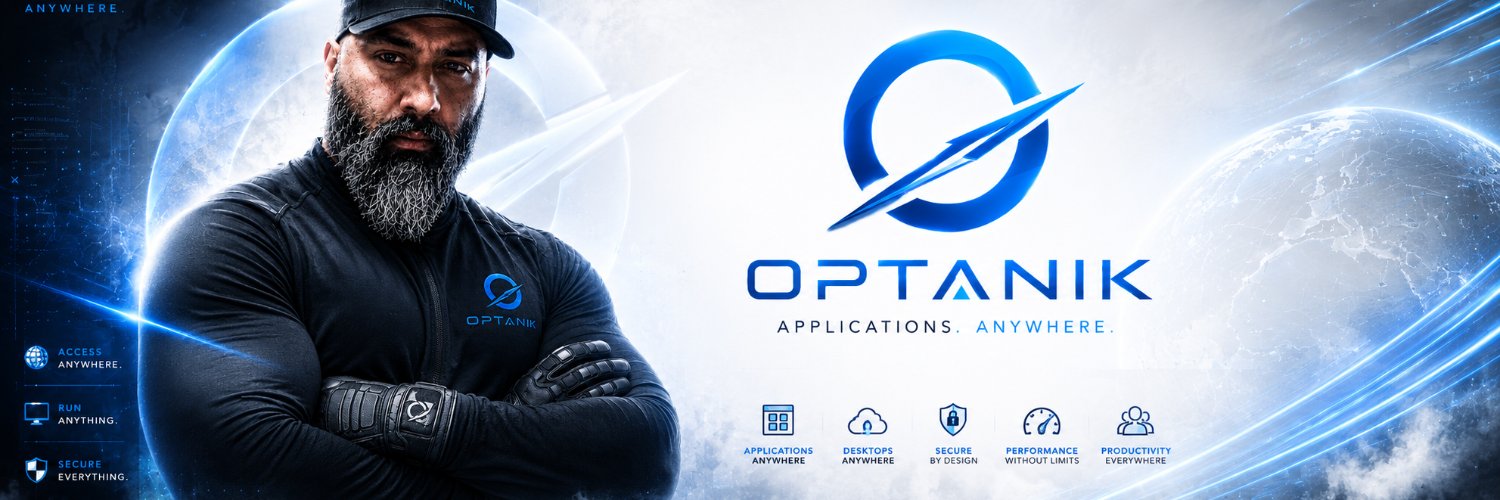
I’ve been building something called Optanik.
Most remote desktop tools are built around one idea:
💻 “you can access your computer from somewhere else.”
That’s not what I’m building.
🚀 Optanik is something different:
📷 You don’t just remote into machines…
You can share them. Safely, selectively, and in real time.
That means you can:
🖥️ Share your entire desktop with someone instantly
📦 Or share just a single application (not your whole screen, not your whole machine)
🔒 Give access without exposing everything running on your computer
🔥 This opens up some pretty big use cases:
💼 Solving seat licensing problems (only share the app, not the machine)
🎨 Running high-end CAD / engineering apps remotely without exposing your whole system
🤝 Letting people collaborate on a single app session instead of full desktop control
🌍 Running a powerful machine from anywhere in the world
📊 Recent update:
I just added real-time utilization tracking across connected devices, and I’m building:
📉 downtime alerts
📈 usage spike notifications
📬 email alerts for system activity
🧠 Bigger picture:
📷 Instead of “remote access to computers,”
Optanik is becoming controlled access to applications and desktops themselves.
One Sunday evening reply on WhatsApp set a precedent that took me months to undo.
This is what happened, what it was actually costing me, and the simple structural change that fixed it without damaging a single client relationship. https://t.co/LPXZK4oC3r
Innernet is like no other AI tool, not even another memory tool. It manages your memory like you manage code with git, with branching, versioning, and merging, with everything tracked with time. You always have the true history of your memory, just like how your brain holds memories, all the moments of all the times in the same place rather than overwriting and forgetting what was.
endpoint ↓
https://t.co/6Zd2nEPqqB