Howdy Everyone! The @TAMU_CBCR is now officially on Twitter, whoop! We look forward to sharing stories from our amazing #circadian rhythms researchers, and to seeing your stories as well! In the meantime, we can always be found on our website: https://t.co/XqyNmUQMf5 ⏰
One more legacy from @sassonecorsilab with long-term collaboration with Juan Carlos Belmonte @altos_labs
Found a crucial role of the circadian clock in pluripotent stem cells @TAMU_Biology@TAMU_CBCR
https://t.co/18fQb659uB
The first paper from our lab -- a review on the inputs to and outputs from the brain's biological clock, the suprachiasmatic nucleus. https://t.co/zBIs5uxsOD
The negative health consequences that come with permanent #DaylightSavingTime aren't worth it. Permanent standard time would be a much better switch for our natural body clocks, opines AASM member Shelby Harris, PsyD, DBSM, for @USATODAY. https://t.co/CSZQGW4kUW
We continue seek talented scientists to join us @TAMU_CBCR. Multiple funded postdoctoral and staff positions at Dr. Paul Hardin, Bell-Pedersen, Merlin, Jones, Sato and my laboratories @tamumonarchlab@jonesjeffr@s8shogo
https://t.co/5LU0k8Eae9
Most of the U.S. will “spring forward” to begin daylight saving time on Sunday, March 12. The AASM recommends that seasonal time changes should be abolished in favor of permanent standard time. Why? 🧵
Where are you right now on this activity plot? Do you fit in with the crowd, or are you at the tail of the distribution?
HT @kim1n4o for sending this fascinating illustration of #chronotype by @Ros_Rodriguez_
Come support our talented graduate student, Aishwarya Saharabudhe, in Dr. Jerome Menet's lab as she defends her dissertation entitled "Role of mTOR Signaling in Driving Gene Expression in Mouse"! Her presentation will take place in MSC 2405 at 10:00am!
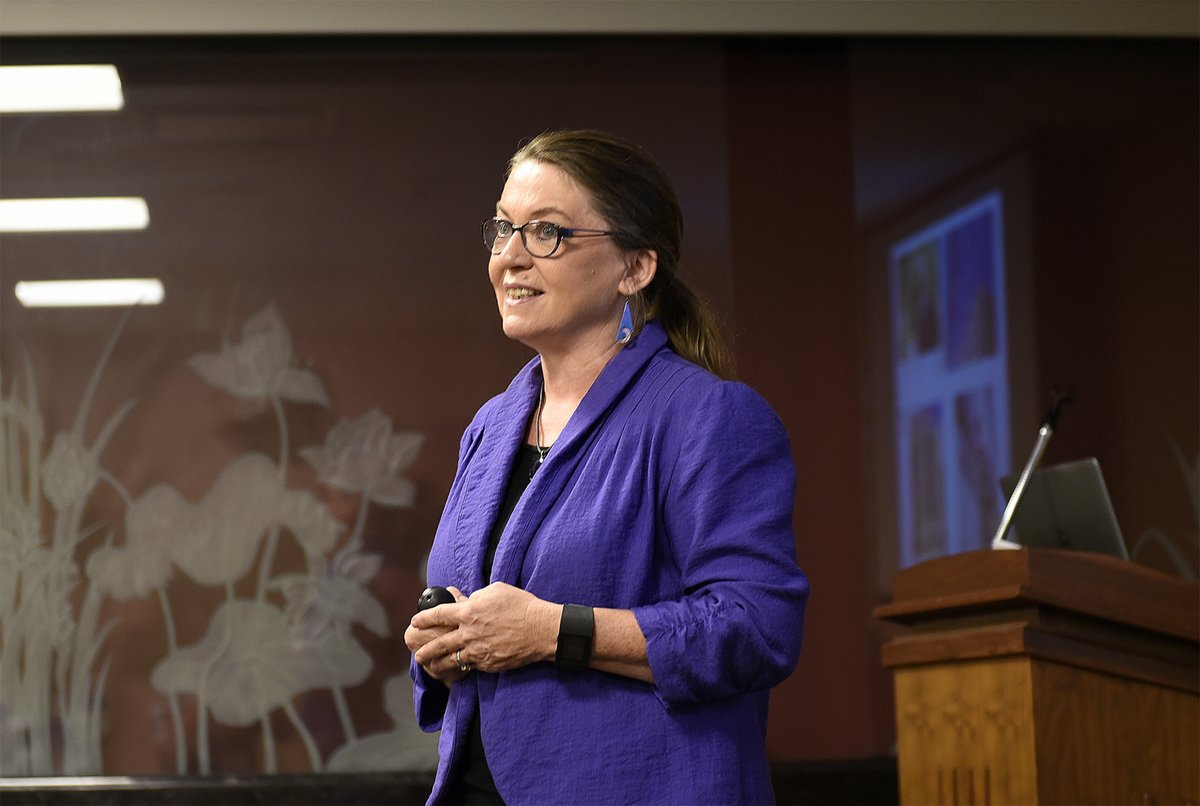
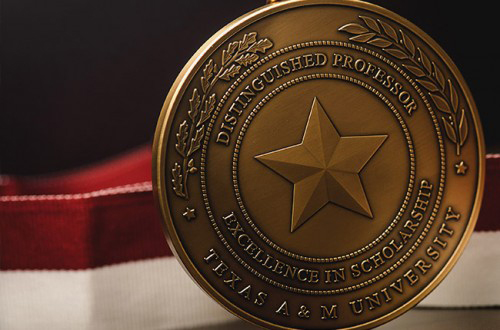
Congrats to Dr. Deborah Bell-Pedersen (@TAMU_Biology) and Dr. Sherry Yennello (@TAMUChemistry) who were named 2023 University Distinguished Professors, highest level of faculty achievement at @TAMU! @TAMUArtSci is lucky to have you both! #Whoop#GigEm 👍
https://t.co/ZQfhIaUtF8
Interested in studying circadian regulation of translation or treatment for jet-lag and aging? Deborah Bell-Pedersen is hiring two post-doctoral fellows for these projects! Click https://t.co/s56zeSriP9 to learn more about this and other great post-doc opportunities in TAMU CBCR!
Tackle the questions underlying the molecular details of photoperiodism and seasonal rhythms using a unique model organism, the monarch butterfly! Contact @tamumonarchlab for more information and spread the word!
The lab is hiring! We have a 4-year NSF funded postdoctoral position to move the needle on the molecular bases of seasonal rhythms/photoperiodism using the charismatic monarch butterfly as a model and cutting-edge approaches (CRISPR, scRNA-seq,...). Details below. Please 🔃
Using a predictive genomics approach called variant-to-gene mapping, @TAMU biologist Alex Keene and colleagues have identified a gene that helps humans regulate sleep, a finding that could lead to new treatments for insomnia and other sleep disorders.
📖: https://t.co/mMHSq4w3Ae
#studentspotlight Ebi Preh is a fourth year PhD candidate in the Bell-Pedersen lab investigating the mechanism of the regulation of rhythmic protein synthesis in Neurospora crassa. Read all about him here: https://t.co/sQzCfQyQ4Q
This is officially official! The lab got an NSF NoA for a new grant on the role of vitamin A in monarch butterflies photoperiodic responses! Grateful to my two superb grad students @SamIiamsClever and @AldrinLugena, @NSF and anonymous reviewers for making this happen!
Did you know your body’s internal clock can have impacts your behaviors? @TAMU_Biology’s Dr. Shogo Sato discusses how your circadian rhythms interact with your health and behaviors! #TuesdayTrivia
https://t.co/EJat2LPlvs /
The São Paulo School of Advanced Science on Ecology of Human Sleep and Biological Rhythms, FAPESP funded, will take place between 17 and 26 November 2022. A number of places are still available - funded for transport and accommodation. See:
https://t.co/rDeAkRnbCI
@mvonschantz
Your internal clock controls almost everything in your body!
A @TAMU_Biology chronobiologist explains how this sensitive system affects day-to-day tasks and how misalignment could result in health problems. @ConversationUS 😴🛏️
https://t.co/9pxQIxC3Io