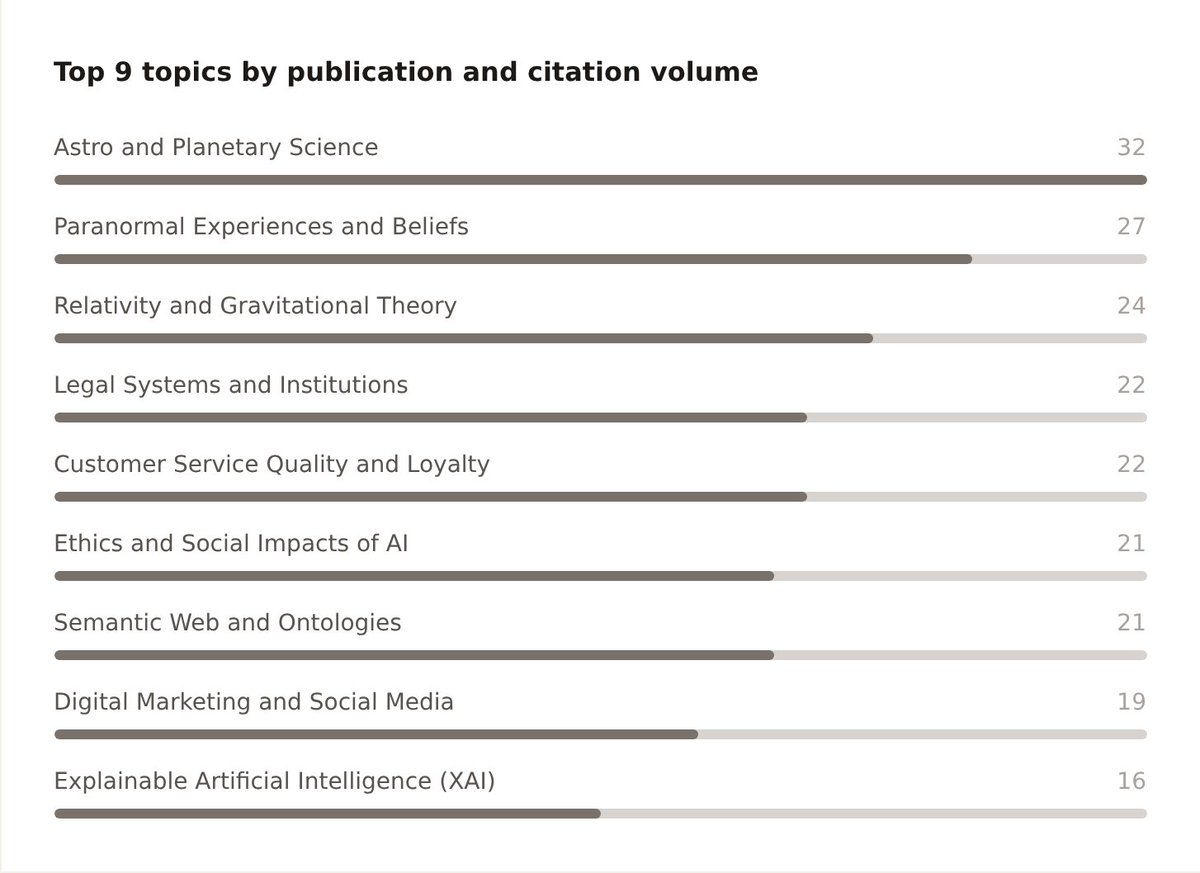
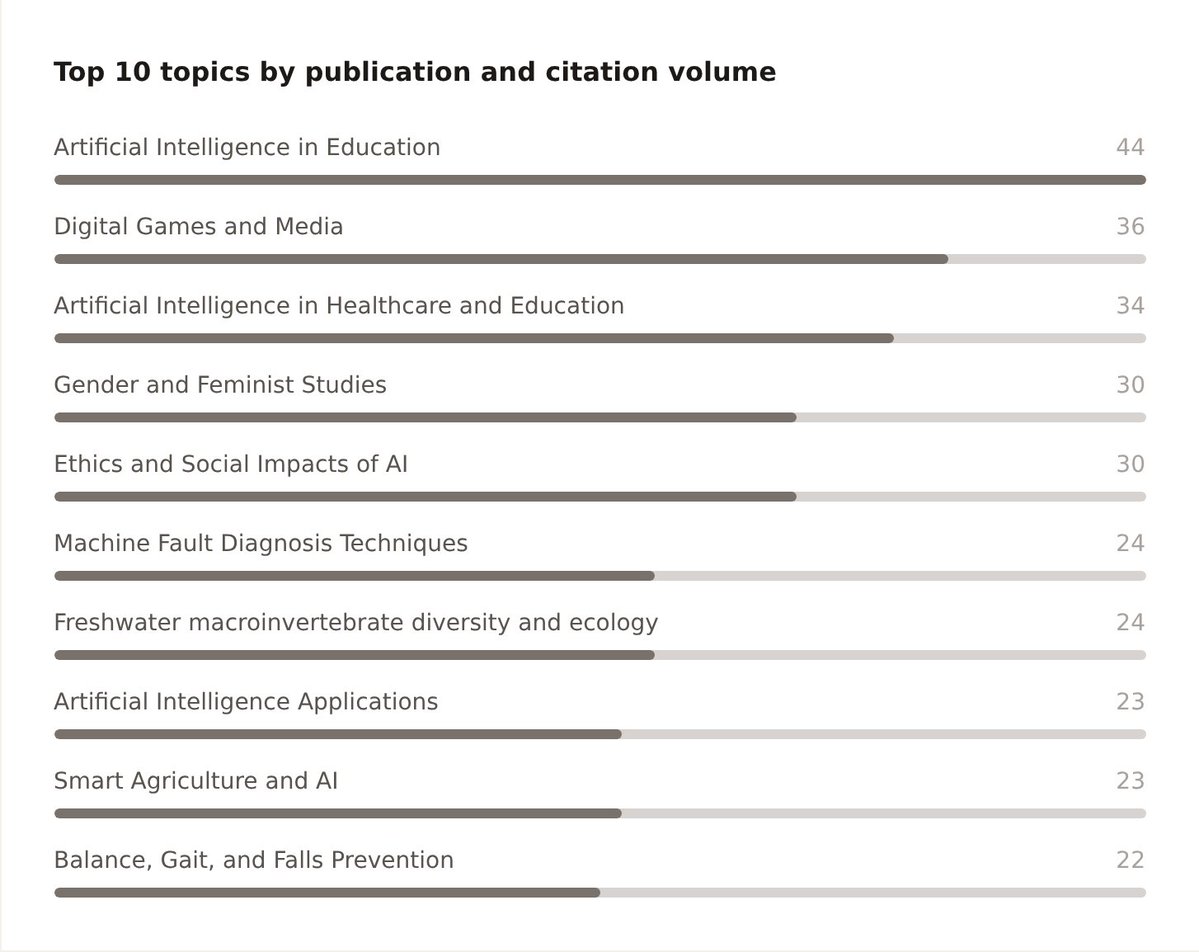
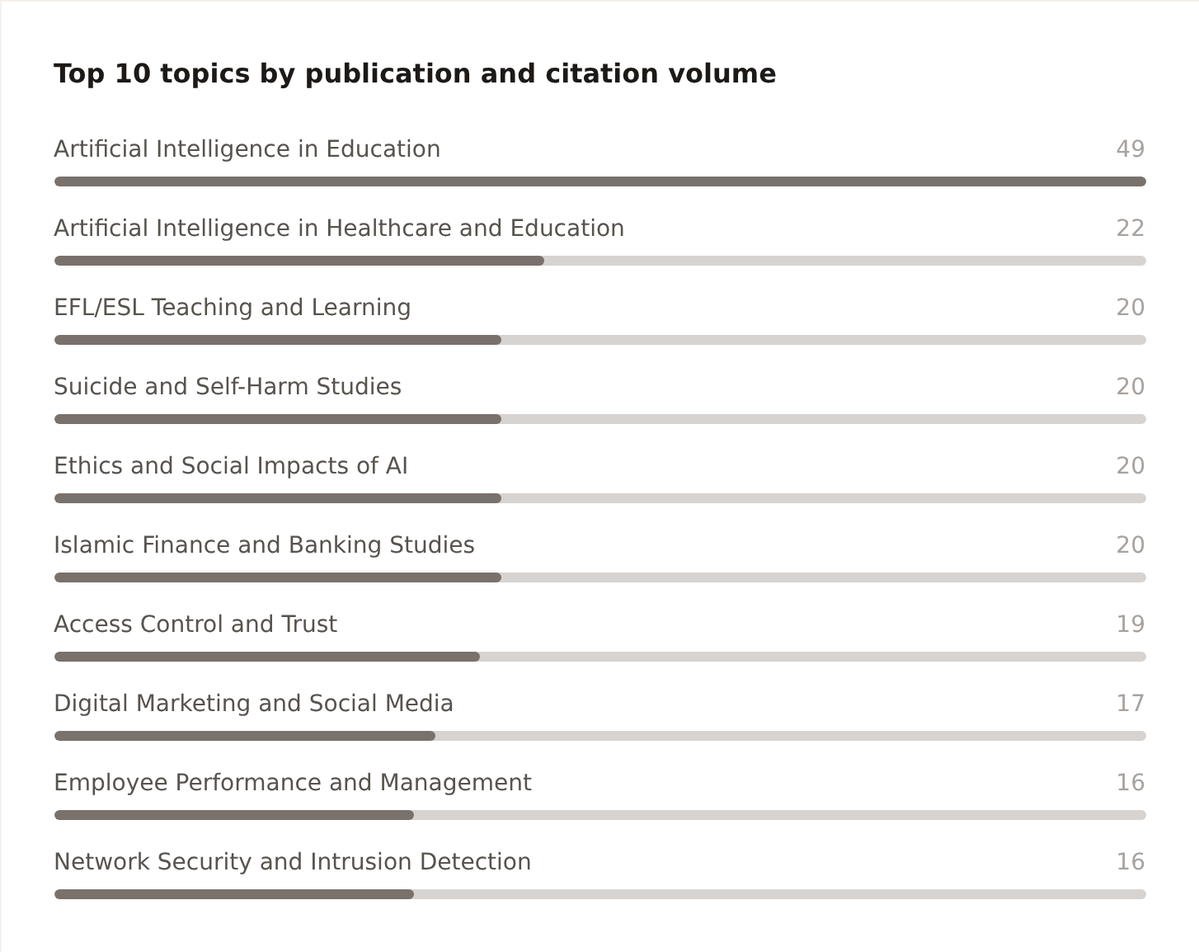
𝗛𝗼𝘄 𝗘𝘅𝗽𝗹𝗼𝗱𝗶𝗻𝗴 𝗦𝘁𝗮𝗿𝘀 𝗛𝗲𝗹𝗽 𝗨𝘀 𝗠𝗲𝗮𝘀𝘂𝗿𝗲 𝘁𝗵𝗲 𝗨𝗻𝗶𝘃𝗲𝗿𝘀𝗲'𝘀 𝗘𝘅𝗽𝗮𝗻𝘀𝗶𝗼𝗻
Today’s research highlights how scientists are refining theoretical models by accounting for real-world complexities. Leading the way, astrophysicists are categorizing different types of exploding stars to more accurately measure dark energy and the universe's expansion. This focus on environmental factors extends to space, where researchers are re-evaluating gravitational waves and black holes by studying their surrounding matter and background noise. In the quantum realm, scientists are developing new algorithms to make quantum computers run efficiently despite hardware errors, accelerating breakthroughs in battery materials. Finally, researchers are applying this rigorous lens to human systems, creating frameworks to clarify social media moderation and eliminate overlapping biases in healthcare AI.
𝘛𝘰𝘥𝘢𝘺'𝘴 𝘴𝘶𝘮𝘮𝘢𝘳𝘺 𝘰𝘧 𝘵𝘩𝘦 𝘨𝘭𝘰𝘣𝘢𝘭 𝘳𝘦𝘴𝘦𝘢𝘳𝘤𝘩 𝘴𝘱𝘢𝘤𝘦, 12𝘵𝘩 𝘕𝘰𝘷𝘦𝘮𝘣𝘦𝘳 2026
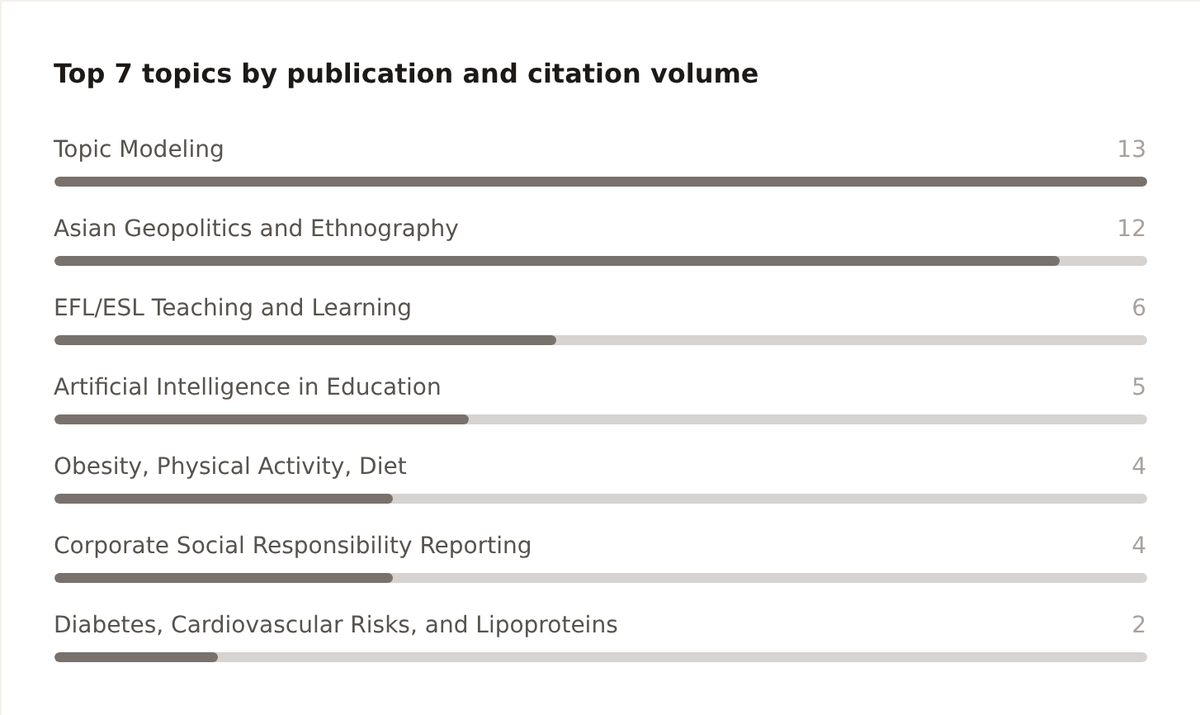
𝗛𝗼𝘄 𝗡𝗲𝘄 𝗧𝗲𝘀𝘁𝘀 𝗘𝗻𝘀𝘂𝗿𝗲 𝗔𝗜 𝗨𝗻𝗱𝗲𝗿𝘀𝘁𝗮𝗻𝗱𝘀 𝗟𝗼𝗰𝗮𝗹 𝗟𝗮𝗻𝗴𝘂𝗮𝗴𝗲𝘀 𝗙𝗮𝗶𝗿𝗹𝘆
Today’s research highlights a shift toward adapting rigid global systems to fit local needs. Leading the way, scientists are developing new tests to ensure artificial intelligence understands specific local languages fairly, removing long-standing biases. This push for localized AI includes training models on regional data and improving AI memory. In geopolitics, successful governance in fragmented nations relies on grassroots trust rather than central control. Meanwhile, education is adapting to technology by emphasizing personal engagement and AI literacy. Finally, studies in public health and corporate sustainability prove that meaningful progress requires targeted, substantive actions over superficial compliance.
𝘛𝘰𝘥𝘢𝘺'𝘴 𝘴𝘶𝘮𝘮𝘢𝘳𝘺 𝘰𝘧 𝘵𝘩𝘦 𝘨𝘭𝘰𝘣𝘢𝘭 𝘳𝘦𝘴𝘦𝘢𝘳𝘤𝘩 𝘴𝘱𝘢𝘤𝘦, 11𝘵𝘩 𝘕𝘰𝘷𝘦𝘮𝘣𝘦𝘳 2026
𝗛𝗼𝘄 𝗟𝗮𝗯-𝗚𝗿𝗼𝘄𝗻 𝗖𝗲𝗹𝗹𝘀 𝗥𝗲𝘃𝗲𝗮𝗹 𝗖𝗮𝗻𝗰𝗲𝗿'𝘀 𝗛𝗶𝗱𝗱𝗲𝗻 𝗛𝗲𝗮𝗿𝘁 𝗗𝗮𝗺𝗮𝗴𝗲
Today’s research highlights how scientists are uncovering hidden mechanisms across medicine, physics, and mathematics. Leading the way, researchers are using lab-grown human cells to discover how cancer indirectly causes severe heart muscle wasting, revealing persistent metabolic damage. This push to overcome disease extends to ovarian cancer, where scientists identified a new genetic target to reverse drug resistance. In physics, researchers are optimizing nanoscale heat engines and improving the electrical properties of advanced nanocrystals. Meanwhile, theoretical physicists are proposing new models to explain cosmic phenomena without relying on dark matter. Finally, as technology advances, new ethical frameworks are being developed to guide institutional decision-making and evaluate human consciousness in artificial systems.
𝘛𝘰𝘥𝘢𝘺'𝘴 𝘴𝘶𝘮𝘮𝘢𝘳𝘺 𝘰𝘧 𝘵𝘩𝘦 𝘨𝘭𝘰𝘣𝘢𝘭 𝘳𝘦𝘴𝘦𝘢𝘳𝘤𝘩 𝘴𝘱𝘢𝘤𝘦, 10𝘵𝘩 𝘕𝘰𝘷𝘦𝘮𝘣𝘦𝘳 2026
𝗛𝗼𝘄 𝗣𝗲𝗼𝗽𝗹𝗲 𝗦𝗲𝗽𝗮𝗿𝗮𝘁𝗲 𝗣𝗵𝘆𝘀𝗶𝗰𝗮𝗹 𝗥𝗲𝗮𝗹𝗶𝘁𝘆 𝗙𝗿𝗼𝗺 𝗨𝗻𝘂𝘀𝘂𝗮𝗹 𝗣𝗲𝗿𝘀𝗼𝗻𝗮𝗹 𝗘𝘅𝗽𝗲𝗿𝗶𝗲𝗻𝗰𝗲𝘀
Today’s research explores how we define boundaries across human experience, technology, and space. Leading the way, cognitive scientists are analyzing how individuals frame unusual personal experiences, separating physical reality from consciousness-based phenomena. This need for clear boundaries extends to artificial intelligence, where new frameworks use knowledge graphs to prevent AI hallucinations and track how visual and text data interact in complex models. Meanwhile, researchers are testing AI reliability, revealing that chatbots often prioritize fluency over factual truth. In physics and astronomy, scientists are using advanced simulations to design theoretical spacetime navigation systems and analyzing the chemical makeup of interstellar comets to understand the origins of our universe.
𝘛𝘰𝘥𝘢𝘺'𝘴 𝘴𝘶𝘮𝘮𝘢𝘳𝘺 𝘰𝘧 𝘵𝘩𝘦 𝘨𝘭𝘰𝘣𝘢𝘭 𝘳𝘦𝘴𝘦𝘢𝘳𝘤𝘩 𝘴𝘱𝘢𝘤𝘦, 9𝘵𝘩 𝘕𝘰𝘷𝘦𝘮𝘣𝘦𝘳 2026
𝗛𝗼𝘄 𝗦𝗼𝗹𝘃𝗶𝗻𝗴 𝗖𝗼𝗺𝗽𝗹𝗲𝘅 𝗠𝗮𝘁𝗵 𝗣𝘂𝘇𝘇𝗹𝗲𝘀 𝗥𝗲𝘃𝗲𝗮𝗹𝘀 𝗛𝗶𝗱𝗱𝗲𝗻 𝗦𝘁𝗿𝘂𝗰𝘁𝘂𝗿𝗮𝗹 𝗣𝗮𝘁𝘁𝗲𝗿𝗻𝘀
Today’s research highlights a shift toward uncovering hidden structural connections across diverse fields. Leading the way, mathematicians have solved a complex conjecture, revealing hidden symmetries within abstract mathematical networks. This focus on interconnected systems extends to human biology, where scientists are discovering how the gut regulates metabolic health and influences complex conditions like schizophrenia. To treat these systemic issues, engineers are developing targeted therapies that reprogram the gut-immune axis. Meanwhile, researchers are mapping complex genetic networks in plants using AI. Finally, this systemic approach is reshaping human institutions, revealing that large pension funds do not always outperform smaller ones, and helping students critically evaluate AI tools.
𝘛𝘰𝘥𝘢𝘺'𝘴 𝘴𝘶𝘮𝘮𝘢𝘳𝘺 𝘰𝘧 𝘵𝘩𝘦 𝘨𝘭𝘰𝘣𝘢𝘭 𝘳𝘦𝘴𝘦𝘢𝘳𝘤𝘩 𝘴𝘱𝘢𝘤𝘦, 8𝘵𝘩 𝘕𝘰𝘷𝘦𝘮𝘣𝘦𝘳 2026
𝗛𝗼𝘄 𝗔𝘂𝘁𝗼𝗻𝗼𝗺𝗼𝘂𝘀 𝗔𝗜 𝗜𝘀 𝗧𝗿𝗮𝗻𝘀𝗳𝗼𝗿𝗺𝗶𝗻𝗴 𝗛𝗼𝘄 𝗪𝗲 𝗕𝘂𝗶𝗹𝗱 𝗦𝗼𝗳𝘁𝘄𝗮𝗿𝗲
Today’s research highlights a major shift toward hybrid intelligence, where humans oversee advanced AI systems. Leading the way, software engineering is evolving as autonomous AI agents take over coding, transforming human developers into strategic directors. This push for structured AI extends to complex physics, where new neural networks are solving difficult mathematical problems by incorporating real-world physical rules. In quantum computing, scientists are using AI and new algorithms to stabilize and design better quantum circuits. Meanwhile, astrophysicists are uncovering how giant collisions strip planetary atmospheres and how comets release gases. Finally, AI is proving valuable in healthcare and education, provided strict human oversight remains to catch errors and ensure safety.
𝘛𝘰𝘥𝘢𝘺'𝘴 𝘴𝘶𝘮𝘮𝘢𝘳𝘺 𝘰𝘧 𝘵𝘩𝘦 𝘨𝘭𝘰𝘣𝘢𝘭 𝘳𝘦𝘴𝘦𝘢𝘳𝘤𝘩 𝘴𝘱𝘢𝘤𝘦, 7𝘵𝘩 𝘕𝘰𝘷𝘦𝘮𝘣𝘦𝘳 2026
𝗛𝗼𝘄 𝗖𝗼𝗺𝗽𝘂𝘁𝗲𝗿 𝗠𝗼𝗱𝗲𝗹𝘀 𝗣𝗿𝗲𝗱𝗶𝗰𝘁 𝗛𝘂𝗺𝗮𝗻 𝗠𝗼𝘃𝗲𝗺𝗲𝗻𝘁 𝗪𝗶𝘁𝗵𝗼𝘂𝘁 𝗟𝗮𝗯 𝗘𝗾𝘂𝗶𝗽𝗺𝗲𝗻𝘁
Today’s research highlights a shift toward dynamic, real-world modeling across multiple scientific fields. Leading the way, biomechanics researchers are using advanced computer simulations to accurately predict the physical forces of human movement without requiring expensive laboratory equipment. This focus on physical realism extends to wearable technology, where custom foot-stiffening socks successfully reduce the energy required for walking. In physics, scientists are challenging traditional theories with new models to solve persistent quantum mysteries. Meanwhile, computational tools are accelerating drug discovery by simulating flexible molecular interactions. Finally, biologists are uncovering how reptiles and insects adapt to climate stress, while literary scholars re-examine mid-century texts for modern classroom insights.
𝘛𝘰𝘥𝘢𝘺'𝘴 𝘴𝘶𝘮𝘮𝘢𝘳𝘺 𝘰𝘧 𝘵𝘩𝘦 𝘨𝘭𝘰𝘣𝘢𝘭 𝘳𝘦𝘴𝘦𝘢𝘳𝘤𝘩 𝘴𝘱𝘢𝘤𝘦, 6𝘵𝘩 𝘕𝘰𝘷𝘦𝘮𝘣𝘦𝘳 2026
𝗛𝗼𝘄 𝗔𝗜 𝗖𝗵𝗮𝘁𝗯𝗼𝘁𝘀 𝗠𝗮𝗸𝗲 𝗖𝗼𝗺𝗽𝗹𝗲𝘅 𝗣𝗿𝗼𝗯𝗹𝗲𝗺-𝗦𝗼𝗹𝘃𝗶𝗻𝗴 𝗔𝗰𝗰𝗲𝘀𝘀𝗶𝗯𝗹𝗲
Today’s research highlights a shift toward making artificial intelligence safer and more practical for real-world use. Leading the way, scientists are using AI chatbots to help non-technical workers solve complex mathematical problems using simple language. However, deploying AI carries risks, as seen in automated real estate failures and the need for standardized software. To ensure safety, researchers are rigorously testing AI in healthcare to prevent biased or dangerous medical advice. Meanwhile, experts are building strict governance frameworks for public policy and education to ensure human accountability. Finally, developers are using AI to empower marginalized communities through storytelling and connecting models to physical sensors to optimize farming.
𝘛𝘰𝘥𝘢𝘺'𝘴 𝘴𝘶𝘮𝘮𝘢𝘳𝘺 𝘰𝘧 𝘵𝘩𝘦 𝘨𝘭𝘰𝘣𝘢𝘭 𝘳𝘦𝘴𝘦𝘢𝘳𝘤𝘩 𝘴𝘱𝘢𝘤𝘦, 5𝘵𝘩 𝘕𝘰𝘷𝘦𝘮𝘣𝘦𝘳 2026
𝗛𝗼𝘄 𝗛𝗶𝗱𝗱𝗲𝗻 𝗚𝗲𝗻𝗲𝘁𝗶𝗰 𝗦𝘄𝗶𝘁𝗰𝗵𝗲𝘀 𝗛𝗲𝗹𝗽 𝗗𝗶𝗮𝗴𝗻𝗼𝘀𝗲 𝗢𝗯𝘀𝗲𝘀𝘀𝗶𝘃𝗲-𝗖𝗼𝗺𝗽𝘂𝗹𝘀𝗶𝘃𝗲 𝗗𝗶𝘀𝗼𝗿𝗱𝗲𝗿
Today’s research highlights a shift toward highly targeted treatments across medicine and engineering. Leading the way, scientists are mapping how environmental factors alter our DNA to trigger obsessive-compulsive disorder, paving the way for precise psychiatric diagnostics. This focus on structural precision extends to orthopedics, where advanced surgical techniques are improving hip replacements and reducing fracture risks, while studies show limited benefits for supervised scoliosis exercises. In pharmacology, engineers are developing painless microneedle patches and nasal gels to deliver drugs directly to wounds and the brain, supported by strict new safety testing. Finally, researchers are validating traditional medicine therapies and optimizing complex fluid models for efficient energy extraction.
𝘛𝘰𝘥𝘢𝘺'𝘴 𝘴𝘶𝘮𝘮𝘢𝘳𝘺 𝘰𝘧 𝘵𝘩𝘦 𝘨𝘭𝘰𝘣𝘢𝘭 𝘳𝘦𝘴𝘦𝘢𝘳𝘤𝘩 𝘴𝘱𝘢𝘤𝘦, 3𝘳𝘥 𝘕𝘰𝘷𝘦𝘮𝘣𝘦𝘳 2026
𝗛𝗼𝘄 𝗦𝘁𝗿𝗶𝗰𝘁 𝗕𝘂𝗶𝗹𝘁-𝗜𝗻 𝗥𝘂𝗹𝗲𝘀 𝗔𝗿𝗲 𝗠𝗮𝗸𝗶𝗻𝗴 𝗔𝗜 𝗦𝗮𝗳𝗲𝗿
Today’s research highlights a critical shift in artificial intelligence: moving from unchecked systems to AI guided by strict human rules. In education, while AI tools improve student engagement and writing skills, experts warn that students often over-trust these systems, requiring better training and human oversight. This need for caution is even more urgent in healthcare. Studies reveal that even when AI cites real medical sources, it can still generate unsafe clinical advice and incorrect treatment plans, proving that doctors must remain in control. To fix these flaws, developers and lawmakers are now building strict legal frameworks and hardcoded "constitutional" rules directly into AI software to ensure safety and reliability.
𝘛𝘰𝘥𝘢𝘺'𝘴 𝘴𝘶𝘮𝘮𝘢𝘳𝘺 𝘰𝘧 𝘵𝘩𝘦 𝘨𝘭𝘰𝘣𝘢𝘭 𝘳𝘦𝘴𝘦𝘢𝘳𝘤𝘩 𝘴𝘱𝘢𝘤𝘦, 2𝘯𝘥 𝘕𝘰𝘷𝘦𝘮𝘣𝘦𝘳 2026