It's 23/05/2026
I'll be facing something really important exactly a year after, let's witness this journey, and appreciate our efforts, even the smallest one, because sometimes appreciation pushes you to work more harder
Through the Green Energy Corridor projects, we are building "evacuation" infrastructure needed to pull power from remote, sunny, or windy regions and deliver it to high-demand centers.
You can build the world’s largest solar farm, but without a robust "connectivity", that power stays stranded.
As we target 500 GW of renewable capacity by 2030, the focus has shifted from just generating power to redesigning the entire grid to handle it.
The 30 kW capacity targets two/three-wheelers and light commercial vehicles.
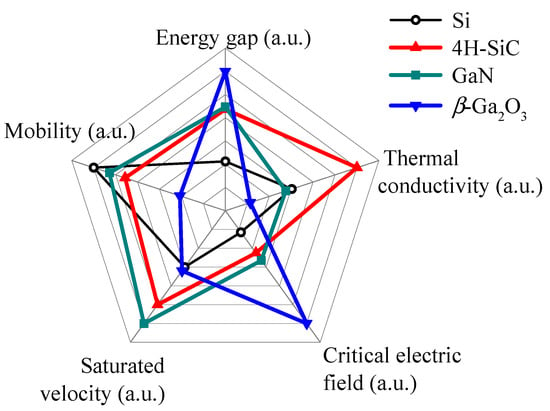
WBG semiconductors (SiC, GaN) enable higher efficiency and power density than traditional silicon.
Developing them domestically positions India ahead in next gen power electronics manufacturing.
30 kW Wide Band Gap (WBG)-Based Integrated Drive System launched in Chennai - a breakthrough for India's EV manufacturing.
Developed by C-DAC, Thiruvananthapuram. In collaboration with Indian Institute of Technology, Madras & Lucas TVS under NaMPET.
Because having an Indigenous IDS development means:
→ Reduced import dependency for critical EV components
→ Opportunities for MSME in power electronics manufacturing
→ Domestic capability in thermal management and control hardware
→ Competitiveness in global EV markets
The industry is emerging with new approaches to reduce water usage in cooling:
• Direct-to-chip liquid cooling
• Adiabatic cooling
• Immersion cooling
The question here isn't if Al scales in India or not.
It's about how we're contributing to Al's innovation.
India's data center capacity jumped from 1,500 MW in 2020 to 3,750 MW by 2025.
That's 150% growth in five years.
About 38,231 GPUs onboard through 14 data centres/service providers.
These GPUs are available to startups, researchers, and academia at ₹65/hour (1/3rd of global cost).
Data center electricity demand is estimated to reach 13.56 GW by 2031-32.
That's roughly equivalent to Himachal Pradesh yearly power consumption.
I hope state governments deploy region-specific technology for reliable small hydro projects, ensuring constant power in hilly terrain without disruptions.
@mnreindia has recently allocated ₹2,584 crore for Small Hydro Power Development Scheme.
3.6 cr/MW or 30% of project cost + ₹30 cr/project for hilly and northeastern states.
2.4 cr/MW or 20% of project cost + 20 cr/project for other states.
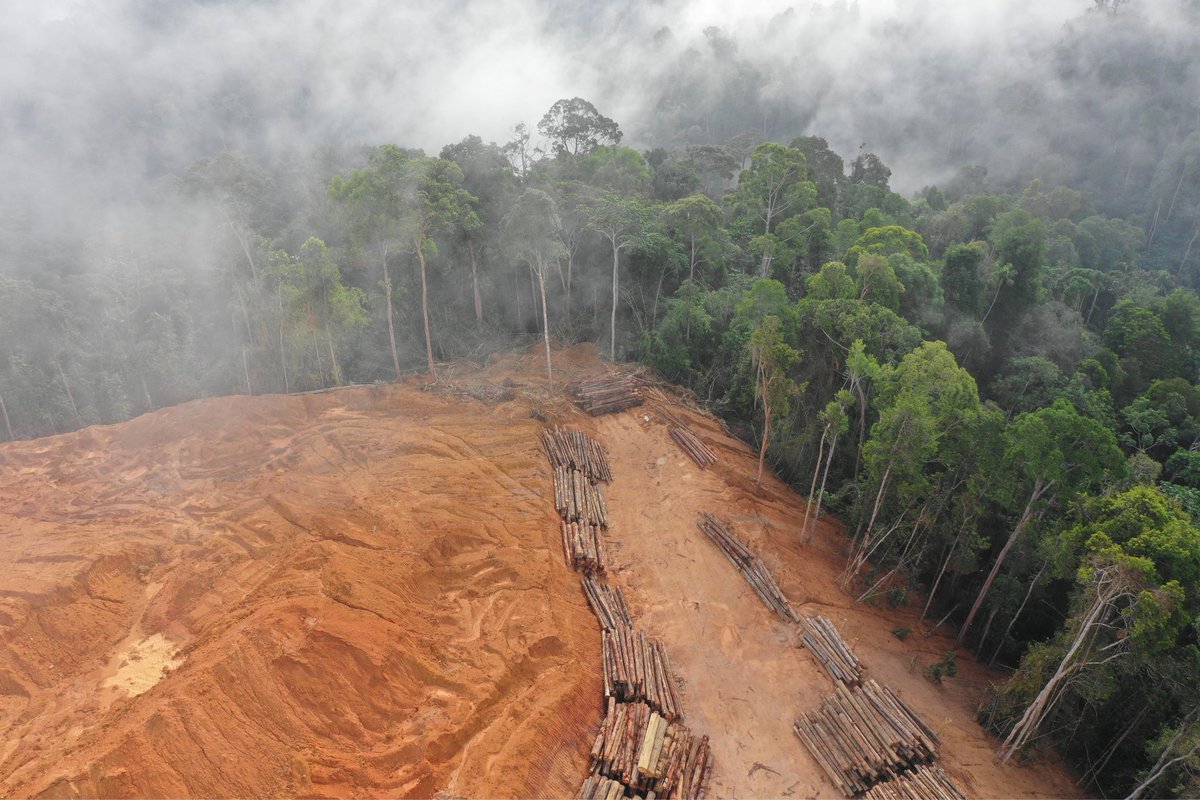
Unlike large dams, SHP avoids mass land acquisition, deforestation, and community displacement, creating a more reliable and relevant means of boosting the economy & creating employment in remote regions.