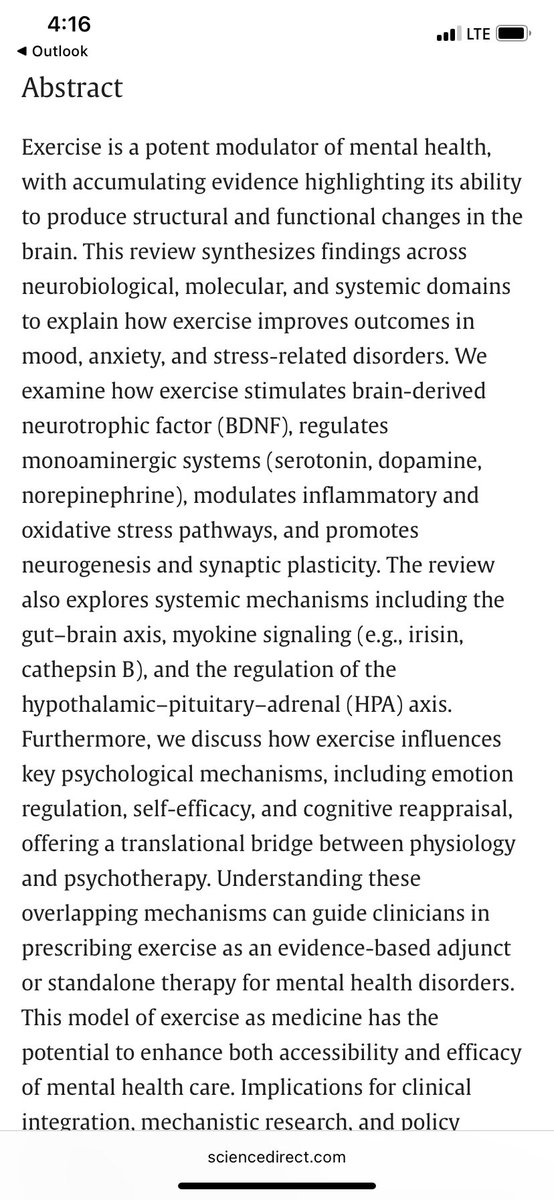
New publication: Exercise is not a single-pathway intervention for mental health.
This review synthesizes evidence showing that exercise reshapes brain–body systems with benefits depending on dose and recovery, not just intensity.
🔗 https://t.co/5uV9C2HioC
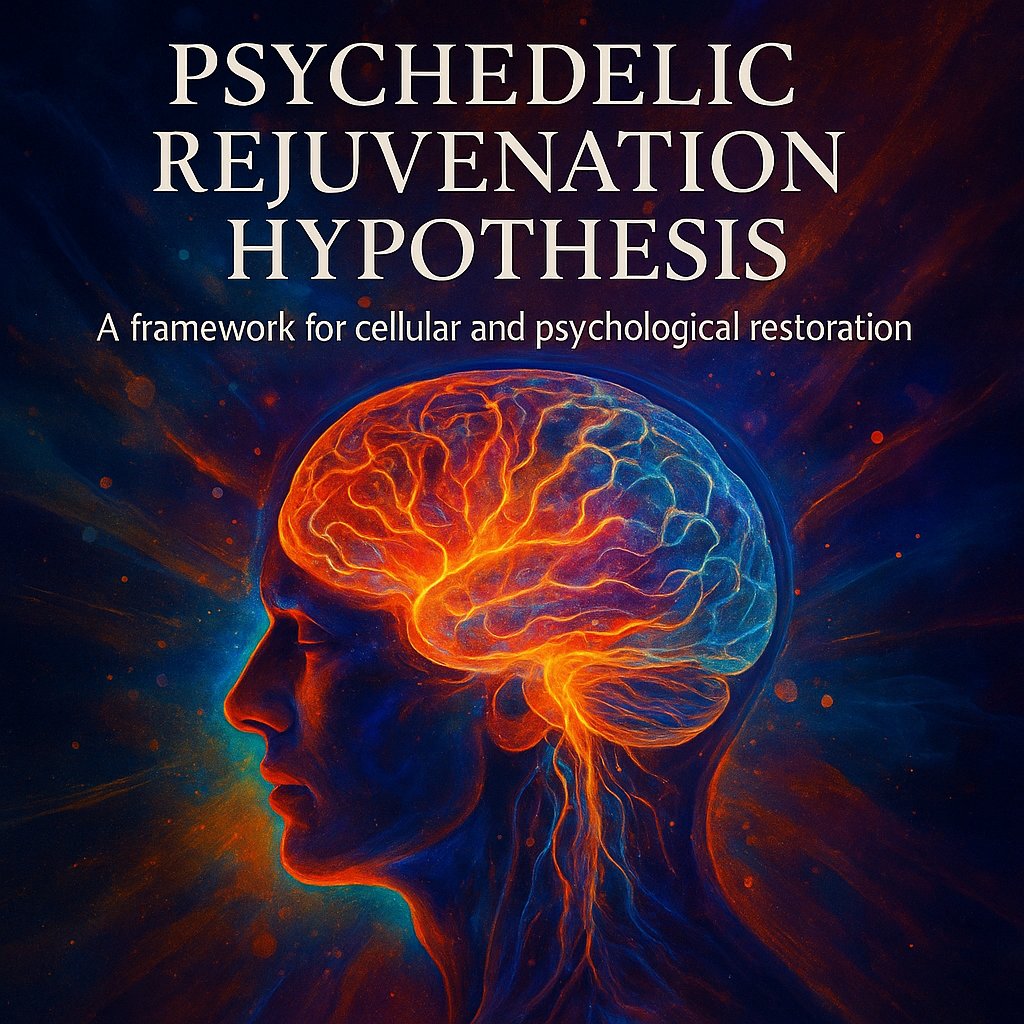
New article published @psychedelic_org and @ResearchGate, Psychedelic Rejuvenation Hypothesis A Framework for Cellular and Psychological Restoration: https://t.co/hFKTxOO01F
New preprint: The Psychedelic Rejuvenation Hypothesis
Can psychedelics act as preventive medicine, not just therapy by restoring cellular + psychological youthfulness?
From mitochondria to mindset, this framework explores how psychedelics may slow aging + extend healthspan.
🔗https://t.co/HB3pSFUrGE
#Psychedelics #Longevity #Neuroplasticity
Exercise is more than movement, it’s medicine for the brain. Our new paper breaks down how exercise improves mental health at the neurobiological level.
https://t.co/mmthouFYxl
Avoidance feels like relief, but it’s the fuel for anxiety. Every time you avoid, you teach your brain the fear is real, block corrective learning, shrink your world, and reinforce the cycle. Facing fears, not fleeing them, is a tool that can break anxiety.
Psychedelics may be like exercise for your brain.
Not recreational, not just therapeutic but voluntary, challenging stimuli that trigger neuroplasticity, just like weights trigger muscle growth.
The key? You choose the stress. That’s what makes it healing.
#psychedelics#BDNF #resilience
3.Even acetylcholine receptors—critical for focus and movement—become more responsive with regular training.
4.Medications flood the system.
Exercise teaches the brain to use its own chemistry more efficiently.
Neurotransmitters are only half the story. The real change comes from how your brain responds to them.
That’s receptor sensitivity—and exercise rewires it.
A thread on how physical activity recalibrates your brain’s chemistry:
🧵