Salary negotiations are where most of us stutter or price ourselves low due to fear, but here’s how to keep them professional.
A lot of candidates aren’t sure how to talk about money professionally.
So they either: • undersell themselves • overcompete with confidence • or avoid the conversation completely.
A better approach:
1. Know your market value before the interview.
Not what you hope you’re worth.
What the market is actually paying.
2. Have a range ready, not a random number.
A calm, researched range sounds professional.
A panicked guess sounds expensive.
3. Avoid apologising while discussing salary.
You are discussing a business arrangement.
Not asking for a favour.
4. The strongest candidates don’t just justify salary with experience.
They justify it with impact.
Not: “I’ve done this for 10 years.”
But: “I’ve improved performance, solved problems, reduced costs, increased output…”
5. If they ask your expectations too early:
“I’d like to understand the full scope of the role first, but based on the market and my experience, I’d expect to be somewhere around £X to £Y.”
Professional. Flexible. Commercial.
6. Keep the conversation focused on business value.
Employers are hiring for what you bring to the role.
Not solving someone’s financial situation.
Talking about personal circumstances shifts the focus away from your commercial worth.
7. If the range is lower than expected:
“Based on the responsibilities, I’d probably be looking slightly above that range. Is there flexibility for the right candidate?”
Direct without sounding difficult.
8. Confidence changes how salary conversations are received.
The same number can sound:
• justified
• or unrealistic depending on how the candidate communicates it.
That’s why interview preparation matters.
A lot of salary negotiations are won or lost long before the offer stage.
Role: Sales and Customer Representative
Job Mode: Remote
Requirement
High level of emotional intelligence and attention to detail
Excellent communication skills and fluency in English
Trustworthy, organised & customer- focused
Based in Lagos (preffered)
RESPONSIBILITIES
Respond promptly to customer enquiries
Record, track, and report daily sales
Assist customers with product selection
Coordinate orders with operations/logistics
Close sales and follow up on leads
Click here to apply: https://t.co/jM7xD75XNW
Most businesses don’t lose customers because of their product — they lose them because of poor support.
Hi, I’m Tommy Grace 👋
CX & Support Specialist
HubSpot | Zoho | French (Francophone support)
I help brands turn frustrated customers into loyal ones.
Hiring? Let’s talk.
As a Customer Service Representative, If all you do is reply emails and messages, your income will stay low.
AI is already doing that.
Upskill or get left behind.
Boss: Grace, kindly “Log this WhatsApp interaction” into our CRM tool
Me before: takes screenshots 📸
Me now: documents the conversation clearly 📝
Client asked for price → price shared → payment agreed.
In CRM, logging simply means updating or reporting an interaction.
It’s Monday.
If you use HubSpot for customer support, try this this week:
Stop replying to issues and moving on.
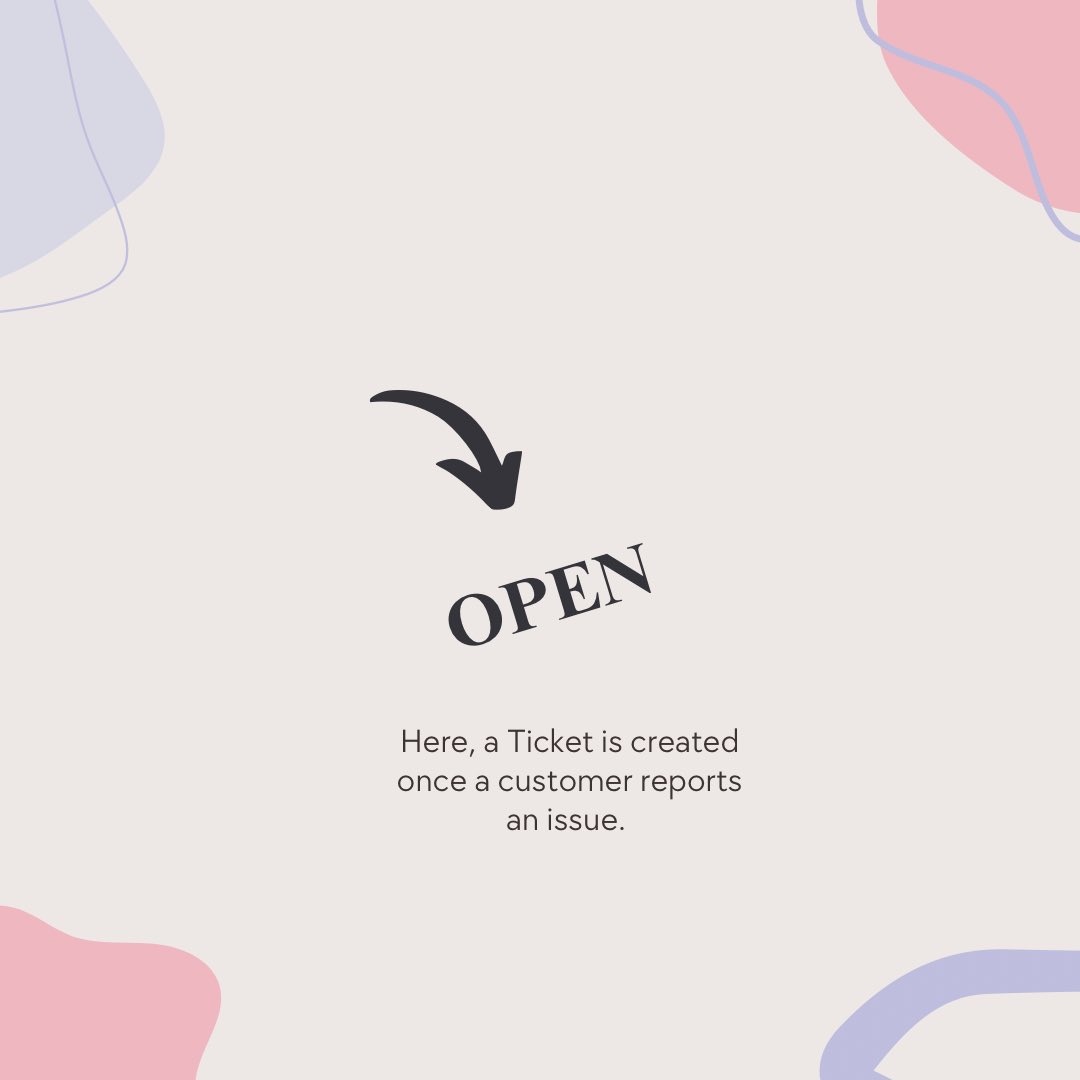
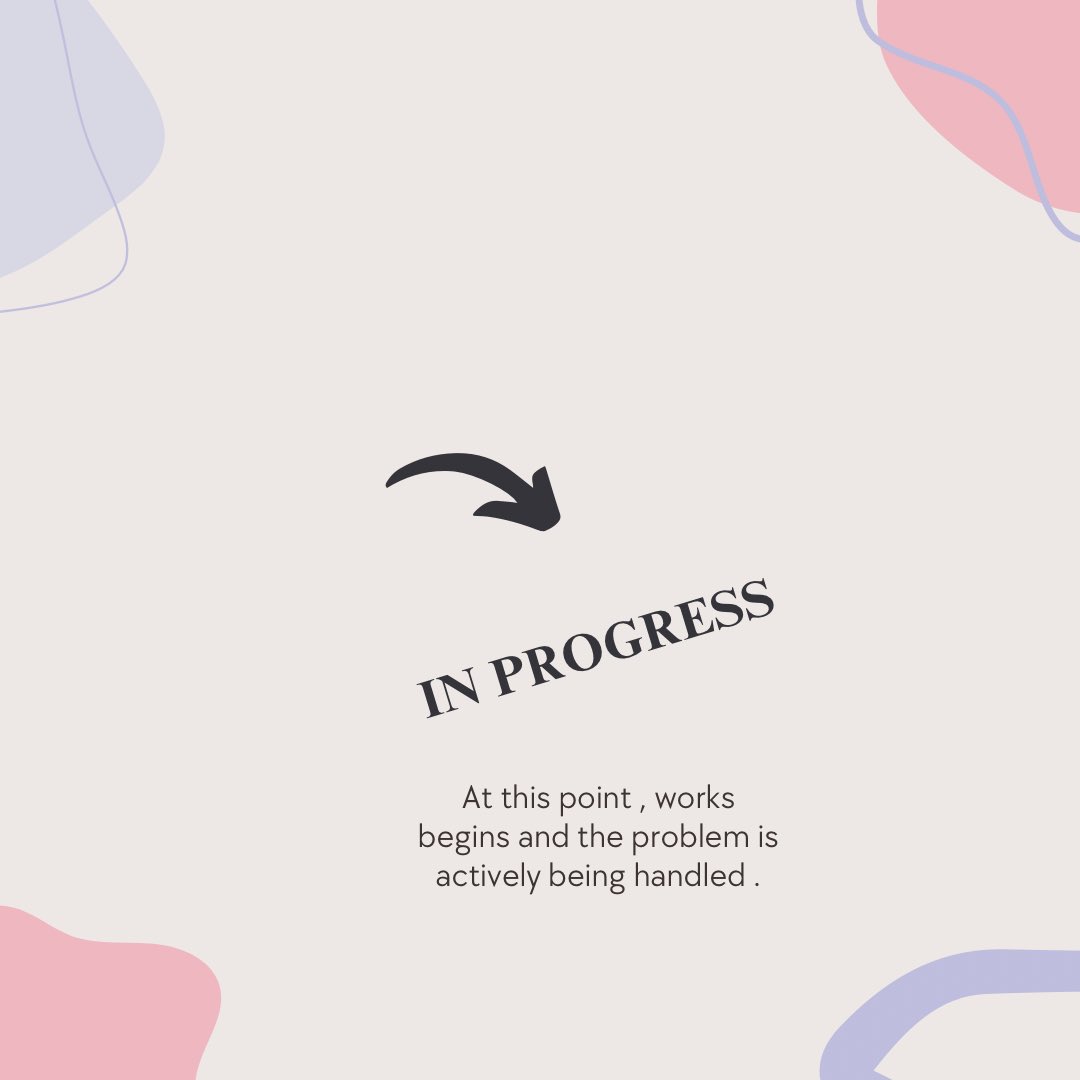
Create tickets for them.
Track them till they’re resolved.
You’ll see the difference.
Learning HubSpot CRM:
3 deal-stage activities I find useful:
– Notes: track everything
– Email: keep convos in one place
– Schedule meeting: stay on top of follow-ups
Interviewer: What is CRM to you as a Customer Support Rep?
Me: CRM is your ability to tell a customer’s story through a deal.
Because CRM is a business’s memory
every interaction, every detail matters.
Using CRM tools, I have learnt
If it’s not documented, it didn’t happen
Hot take:
Most online courses won’t make you job-ready.
I paid for a CRM class and learned more by practicing HubSpot CRM on my own.
This is your sign to use Hubspot Demo account to self- learn!
E-commerce brands entering francophone markets often struggle with communication.
A simple French response to a product inquiry:
“Bonjour, merci pour votre intérêt pour notre produit. Que souhaitez-vous savoir exactement ?”
Yesterday I asked if AI has replaced human customer support.
AI is powerful for customer support.
But empathy, trust, and complex conversations still require humans.
The future isn’t AI or humans.
It’s AI working with humans.
Great companies use both.