List of original texture images: https://t.co/KeQjuyaKWp
If you like my work, you can securely support me on Donation Alerts (no registration required): https://t.co/od6iV3yh7P
When using any materials I’ve found, please credit Crofting or this page as the original source.
Also on studio wall hung an image of Imperial Palace Complex on Palatine Hill. It included residences built from Augustus and expanded by Domitian. Palatine remained main emperor residence until 3rd century. This very image might be one of inspiration sources for Colosseum.
This image hung on a wall of Core Design and served as source of inspiration during TRI development. It shows the Temple of Fortuna Primigenia in Praeneste. This mother goddess was popular in an old Etruscan city near Rome, and the grandiose complex itself was built around 80 BC.
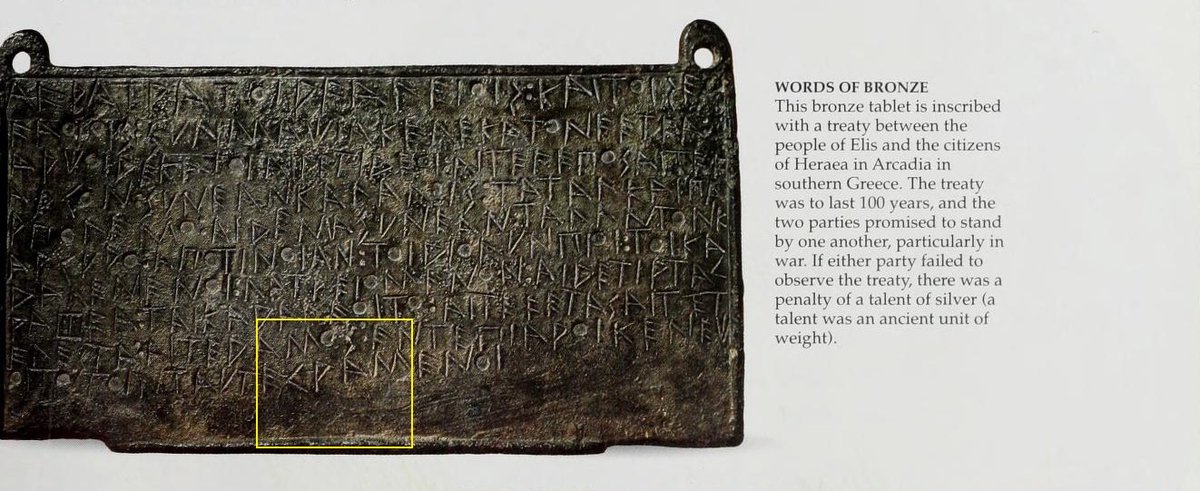
One door in the Tomb of Tihocan shows another ancient bronze tablet — a 100-year alliance between Elis and Heraea in Arcadia (Southern Greece). For its violation, there was a penalty of a silver talent. It also features a fragment from the previous tablet: https://t.co/JYwtJdPTFS
In Tomb of Tihocan, players can spot a texture with mysterious writing. It's an ancient Greek bronze «Judgment Tablet» — a treaty between ancient cities of Oeantheia and Chaleion on land disputes and legal penalties that the party violating the agreement would have to bear.
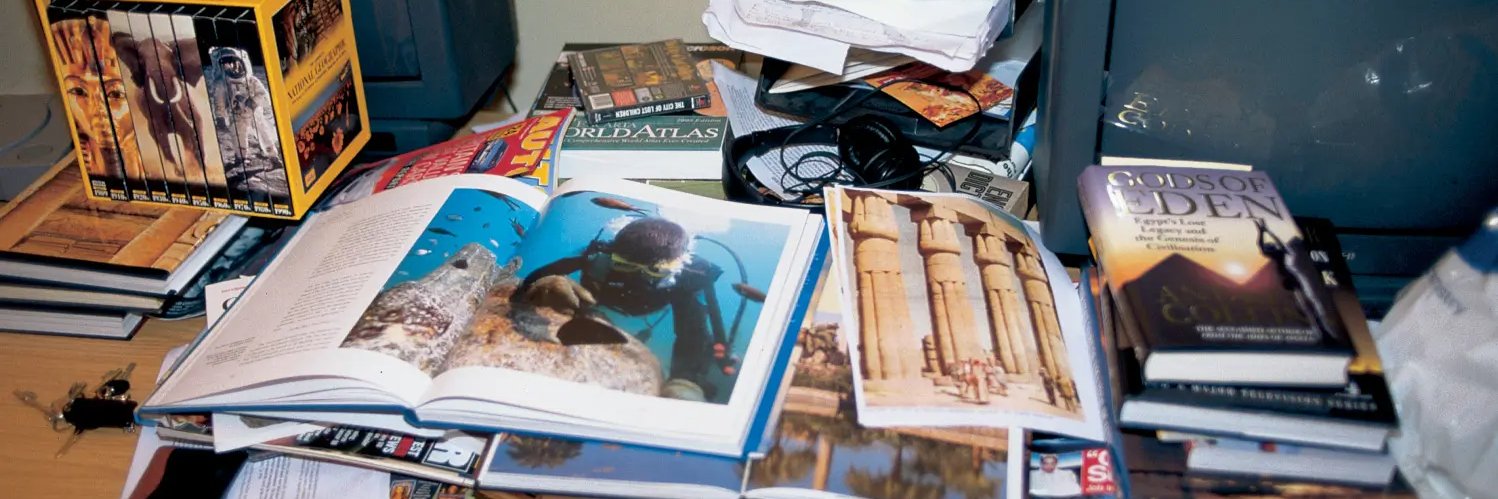
The Greece book used by Core to find texture originals also shows an Athenian coin with an owl, the bird of Athena. Interestingly, this artwork was used for one of the objects cut from Tomb Raider IV. You can read more about this beta item on TR Wiki: https://t.co/VILNcqEkAV
In Greece, players can spot the famous Minoan Dolphin Fresco from the Queen's Megaron at Knossos. Painted on wet plaster, it's a modern reconstruction from few surviving fragments. Its rosettes (flower patterns) also decorate the walls of Alexandria levels in Tomb Raider IV.
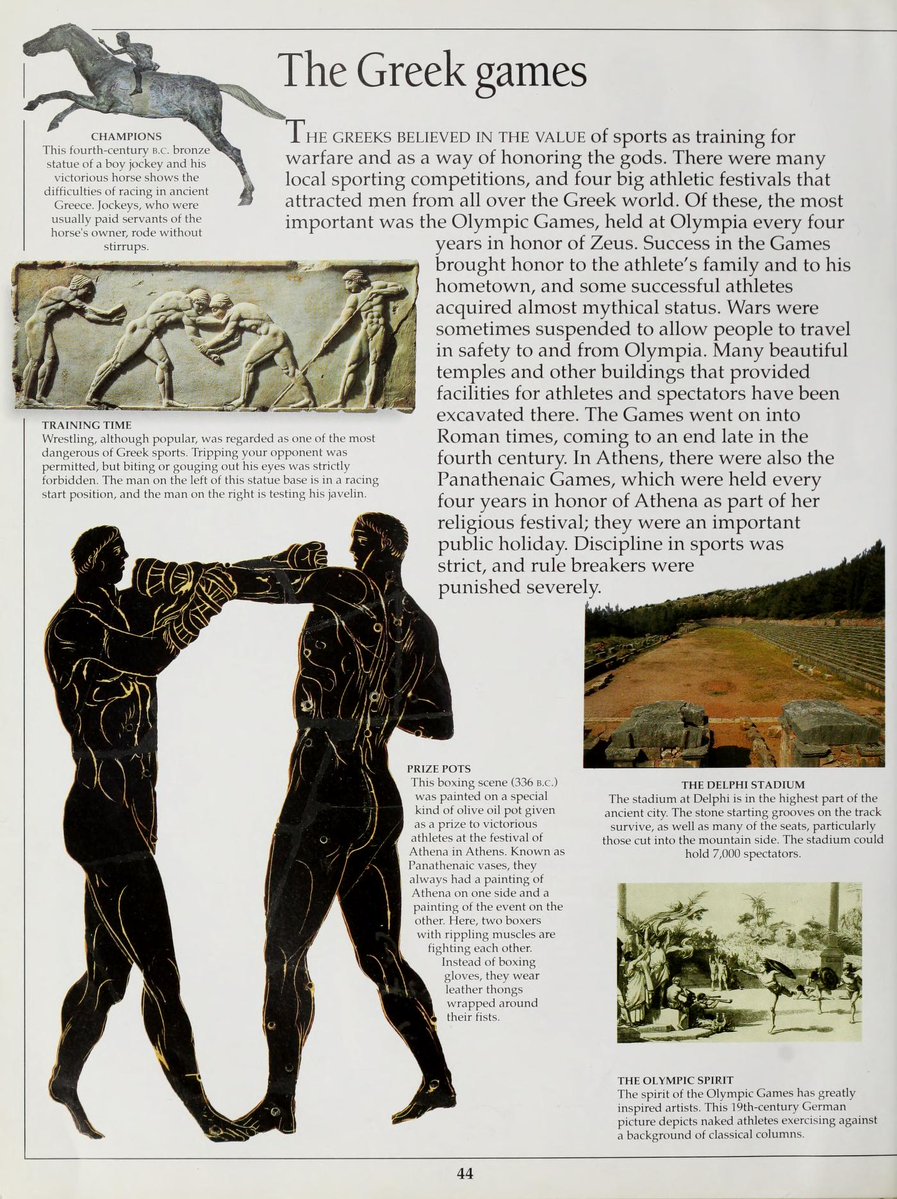
This texture is based on a Late Archaic marble relief (base of a funerary kouros, c. 510–500 BC) depicting palaestra life. In the center, two youths wrestle, while the man on the left is in a racing start position (or long jump), and the man on the right is testing his javelin.
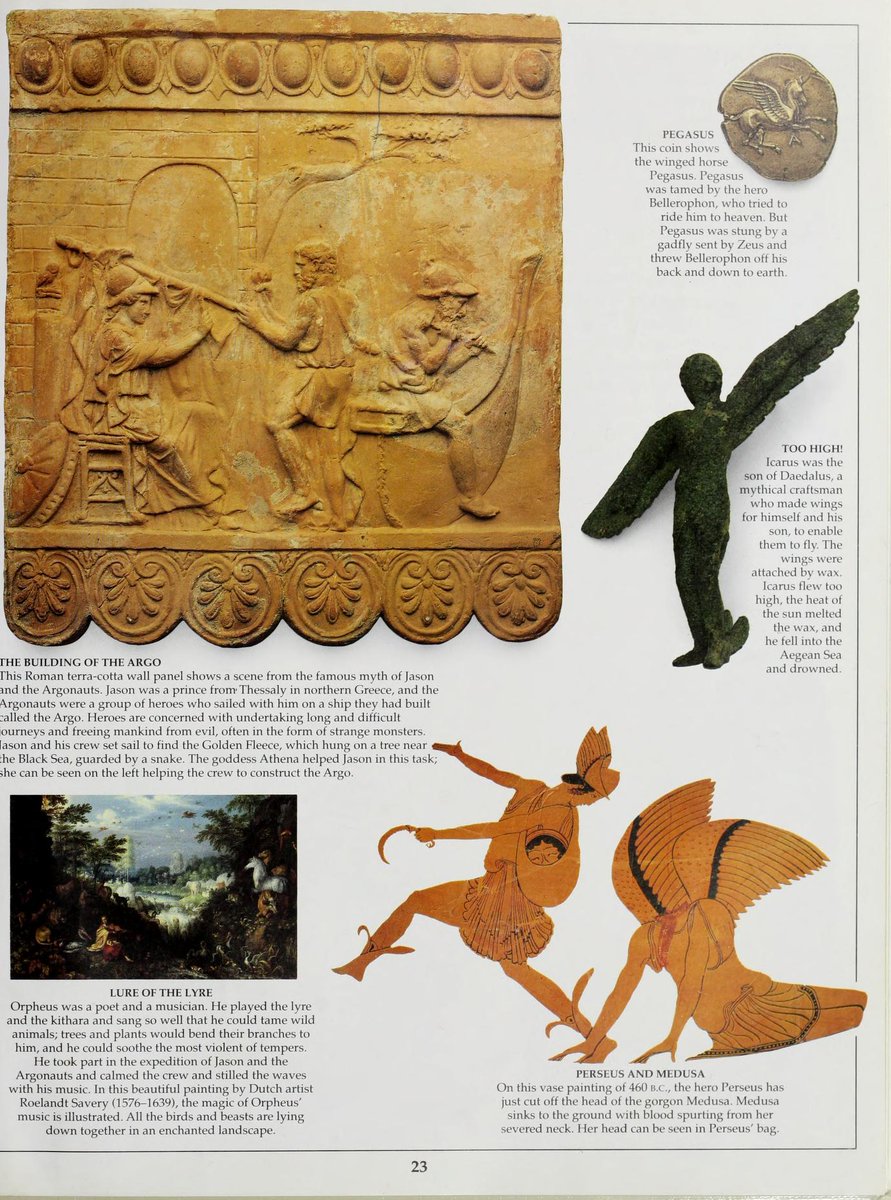
For one Scion plinth, developers used an image of winged horse Pegasus from ancient Greek coin shown in the photo. Pegasus was tamed by hero Bellerophon, who tried to ride him to heaven. But Pegasus was stung by a gadfly sent by Zeus and threw Bellerophon from his back to earth.
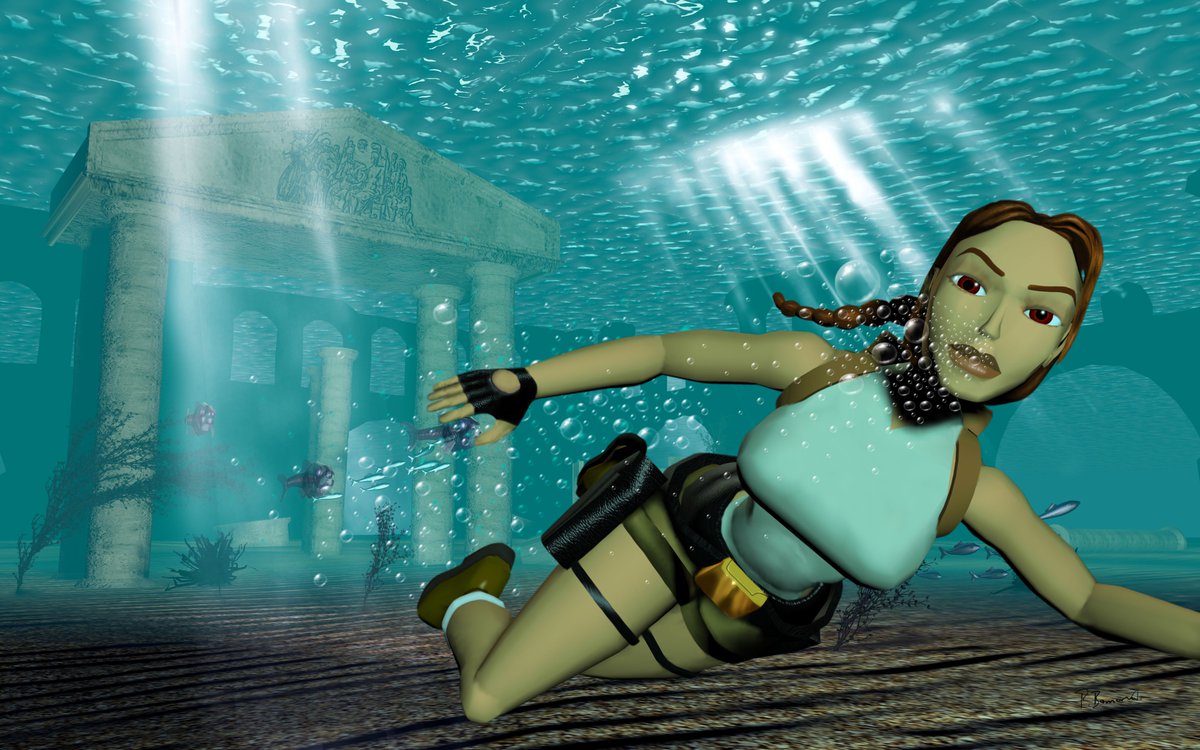
The figures depicted on the pediment of the Greek temple in one of the renders with Lara represent Emperor Augustus (Octavian) surrounded by gods and goddesses. The image itself was taken from the Gemma Augustea, a work of ancient Roman art from 1st century AD, carved from onyx.
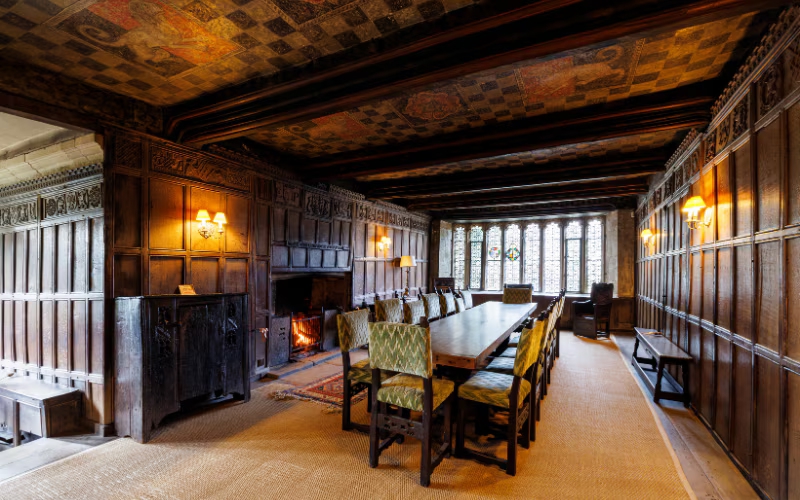
A photograph of a parlour wall at Haddon Hall, built in 1500, served as the basis for the wall textures in Lara’s Home. It also appears that this very image was used to create the ceiling texture, a separate photo of which I previously shared here: https://t.co/83dqtjeAV7
Update: the original ceiling image was taken from the book «Great English houses»/«The beauty of England» (reissue). Read more: https://t.co/rO7wcFqo5w
An image of a real ceiling whose pattern was used for Lara’s House in Tomb Raider I (based on the original ceiling ornament, but stylized for use in the game).
Location: Haddon Hall, Bakewell — The Parlour.