The Texas Tech Hurricane Research Team was established in 1998 with the mission to mitigate the effects of landfalling hurricanes on life and property.
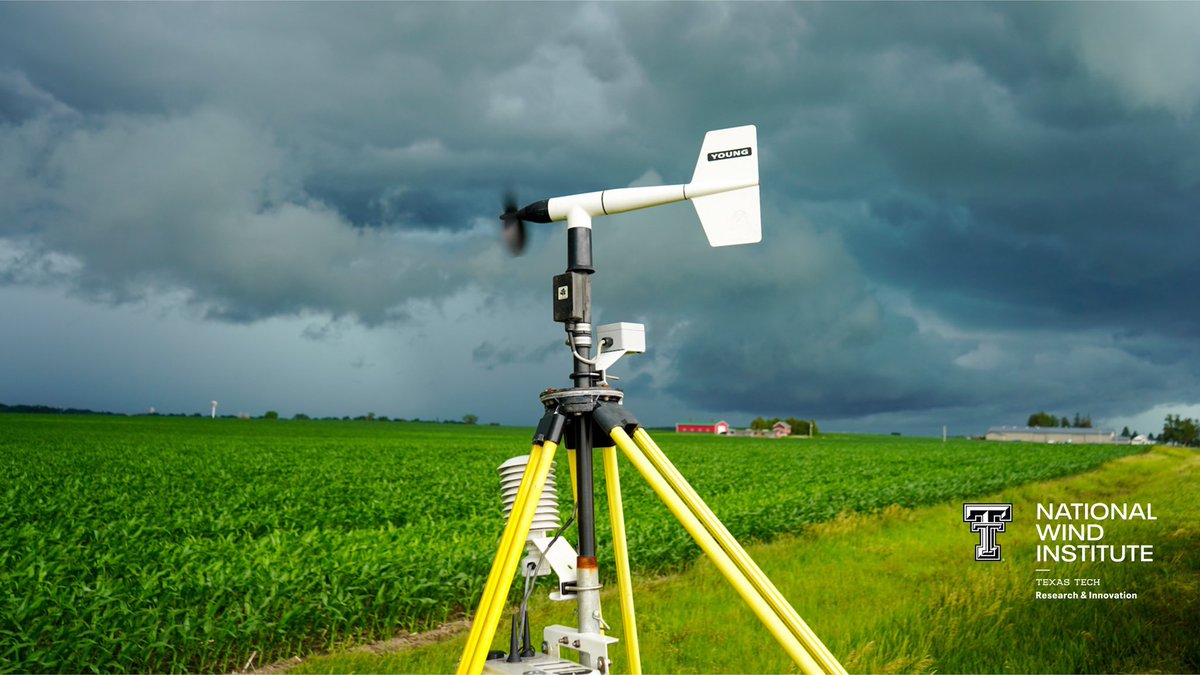
The new truck wraps were put to the test on their first project. They (along with the Ka-band mobile radars) traveled over 4k miles in the Midwest collecting data in high end wind events! #FromHereItsPossible
The Tropical Cyclone Report for Hurricane #Helene (September 24-27, 2024) has been posted on the NHC website. Helene made landfall in the Florida Big Bend region as a Category 4 Hurricane (on the Saffir-Simpson Hurricane Wind Scale). The storm brought historic catastrophic inland flooding and landslides, extreme winds, deadly storm surge, and numerous tornadoes that devastated portions of the southeastern United States and southern Appalachians. Helene was the deadliest hurricane for the contiguous U.S. since Katrina in 2005, with at least 248 fatalities (including at least 175 direct deaths), and produced an estimated $78.7 billion in damage in the United States.
https://t.co/BvWd87SXgn
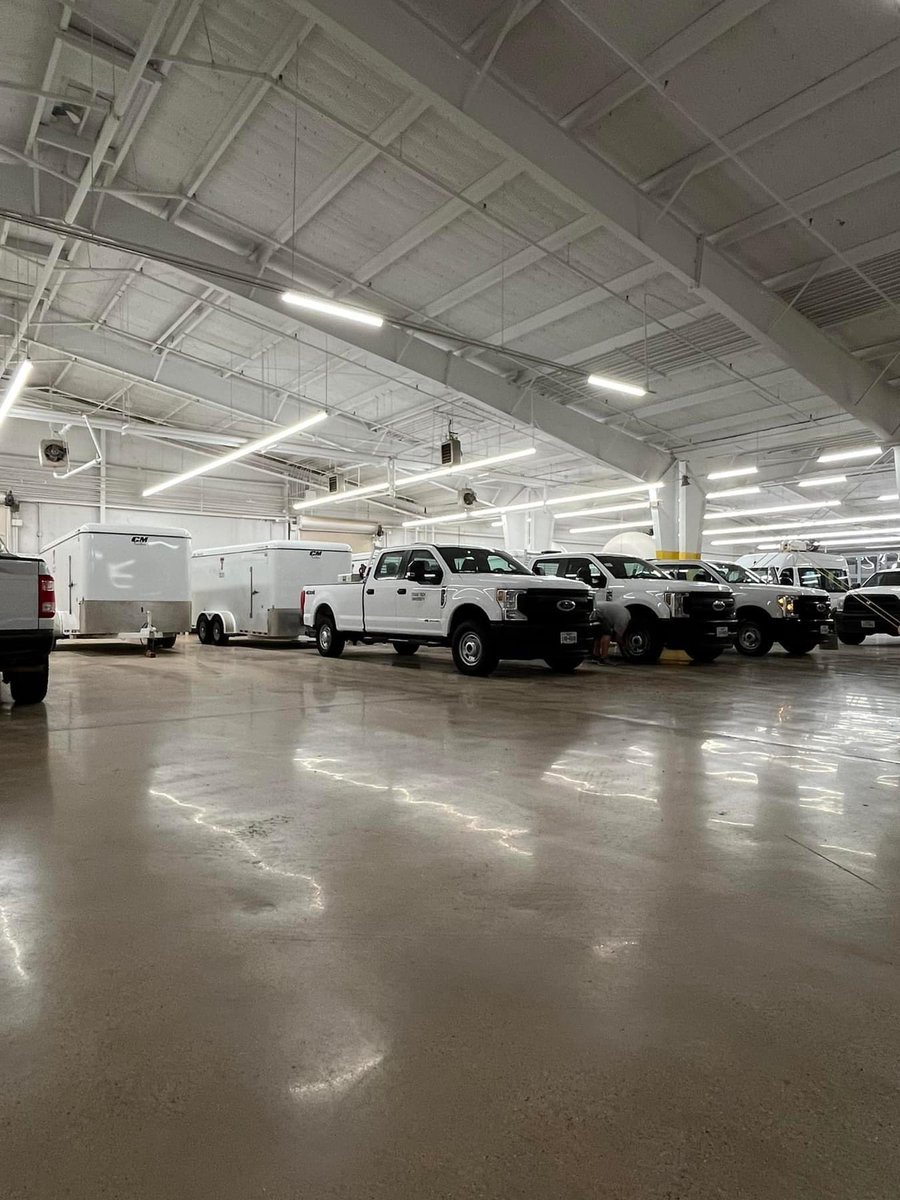
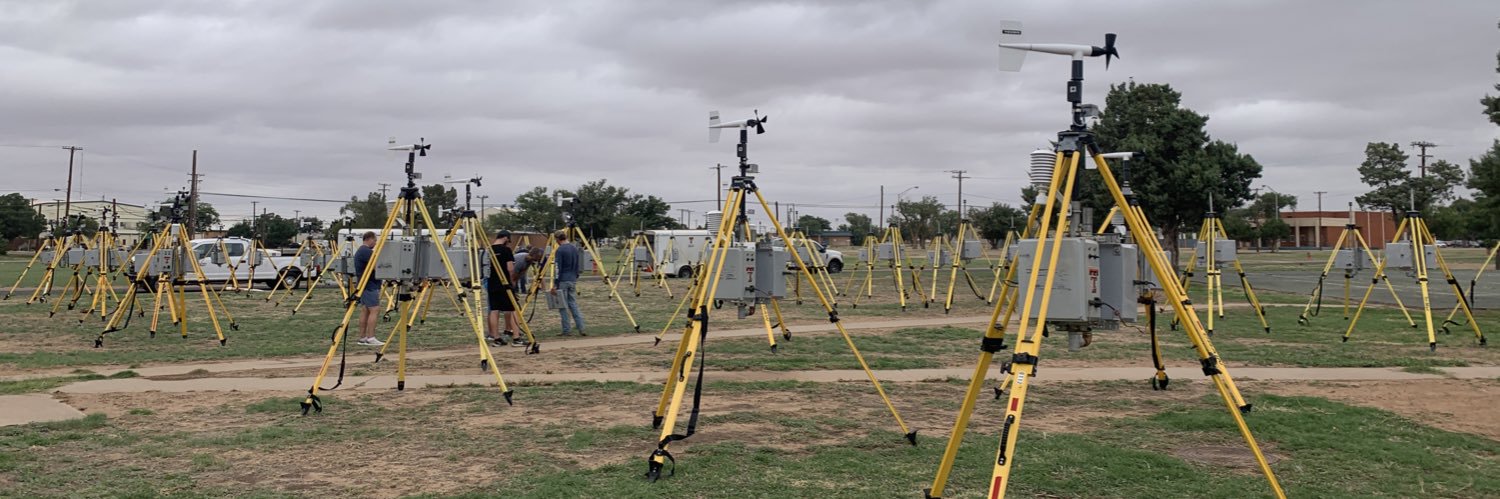
Upgrades! StickNet 1 & 2 both received new trailers! The wider trailers (iykyk) are complete with slip-resistant floors and reinstalled charging systems, ready for the 2025 hurricane season!
The Tropical Cyclone Report for Hurricane #Beryl (June 28-July 9, 2024) has been posted on the NHC website. Beryl was the earliest category 5 on record in the Atlantic basin. It made landfalls on Carriacou Island in Grenada, the Yucatan Peninsula of Mexico, and the Texas coast, and directly caused 34 deaths.
https://t.co/TChz65q6GH
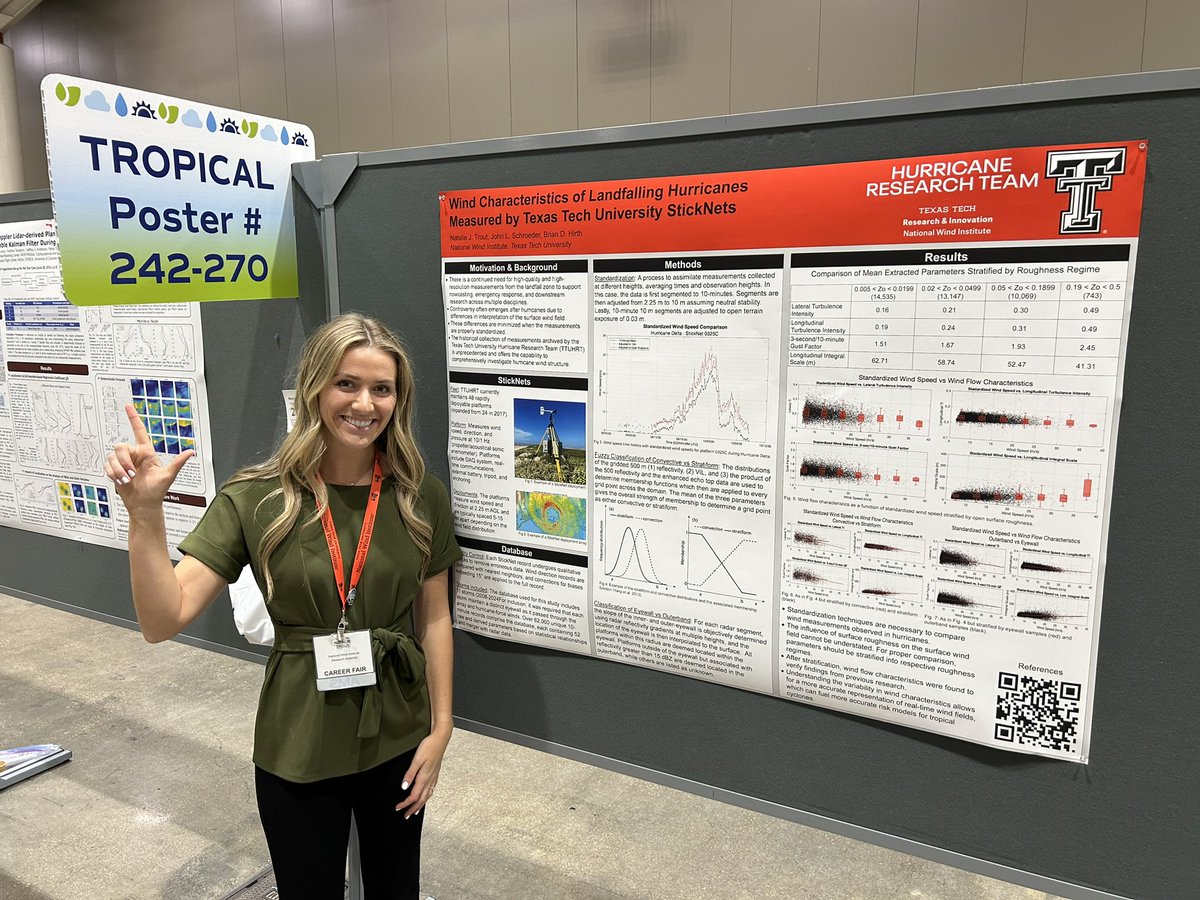
Want to hear about the surface wind characteristics of land falling hurricanes from measurements taken by @ttuhrt? Come check out my poster today at #AMS2025
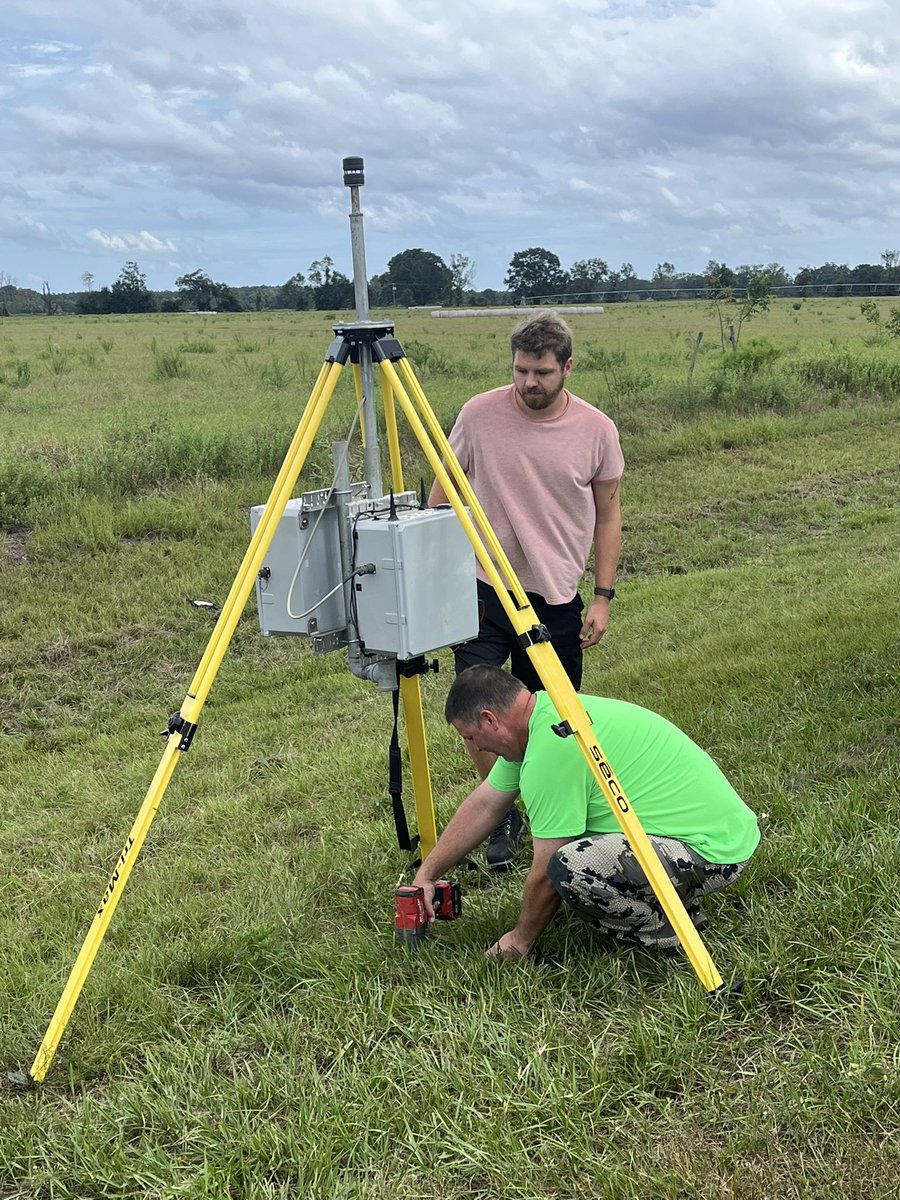
The Hurricane Research Team traveled to the Florida bend for its second hurricane deployment of the 2024 season. Read more about the deployment to Hurricane #Helene here:
https://t.co/NsMd8s3J2X
#everythingwind#fromhereitspossible#flwx#gawx
Headed home! Yesterday, the team was able to pickup all deployed platforms. We have now started our journey back home to Lubbock (over 1,000 miles)! #flwx#gawx#helene#fromhereitspossible
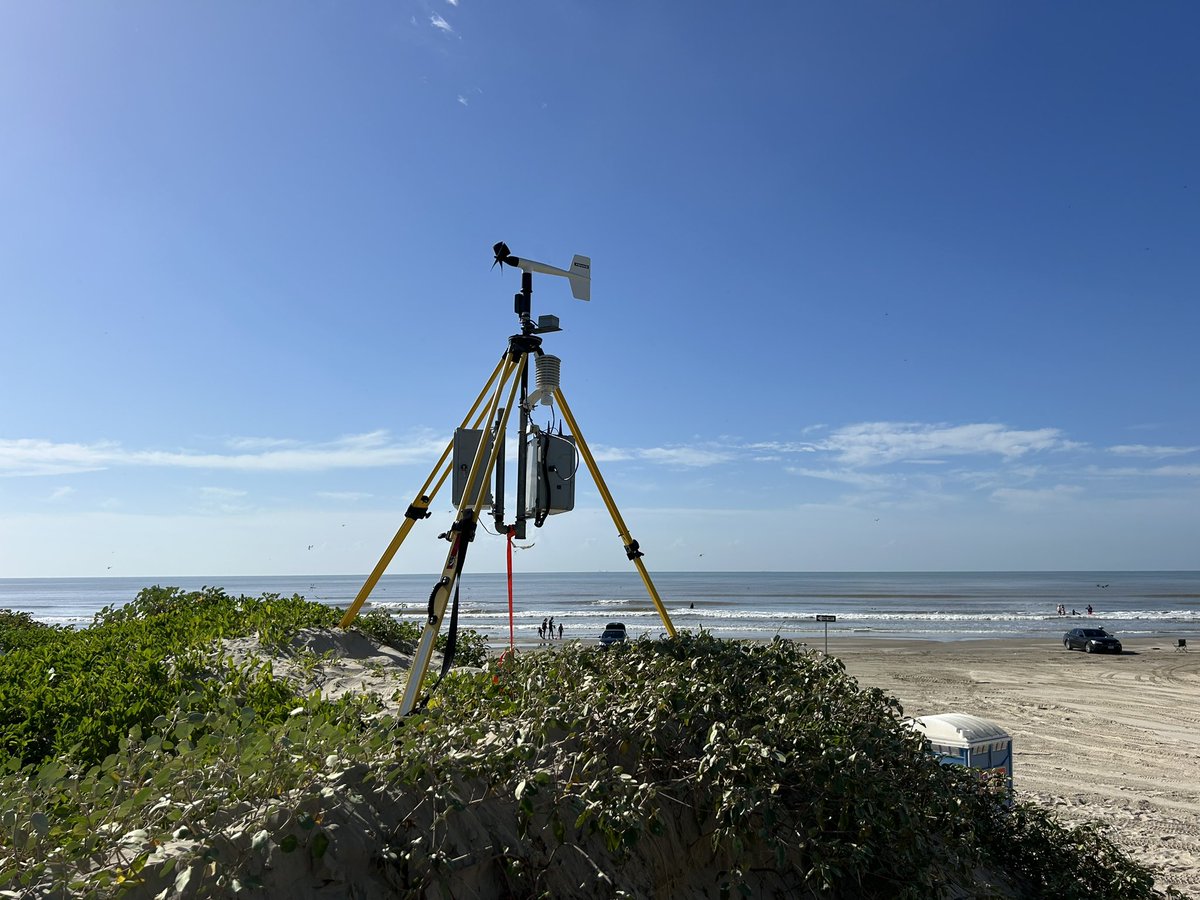
The Hurricane Research Team traveled to the Texas Coastline for the first deployment of the 2024 hurricane season. Read more about the deployment for Hurricane Beryl here:
https://t.co/iXpS7DyTGH
#everythingwind#fromhereitspossible#txwx
The trucks are ready and the platforms are charged! TTUHRT is preparing to deploy all StickNets ahead of #BERYL should the TX coastline be directly impacted. #txwx
The Texas Tech University Hurricane Research Team is preparing for an active 26th hurricane season.
Learn more about Texas Tech's involvement in hurricane research here:
https://t.co/8aJmnW9DD2
#fromhereitspossible#hurricaneprep
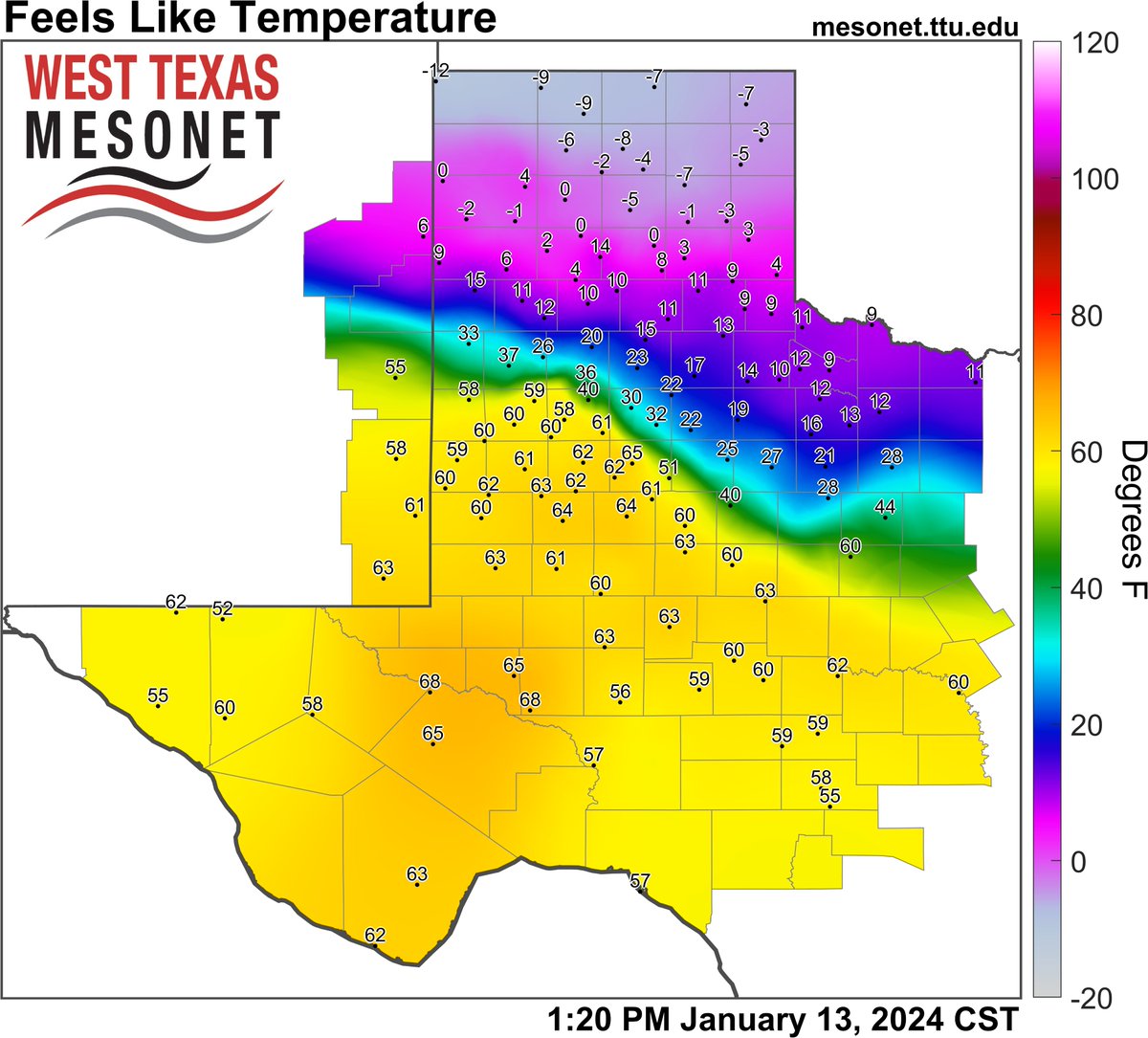
COLD FRONT! Strong cold front is moving south through the region bringing very cold temperatures and winds. Wind chills will be very low in the coming days. Stay warm everyone! #txwx#nmwx#okwx#mesonet#wtxmesonet
Just one year short of a 60-year tenure at the Edward E. Whitacre Jr. College of Engineering, Kishor Mehta, Ph.D., P.E., is a legend in wind engineering.
His awards and honors are many. He was the first person from Texas Tech to be elected a member of the National Academy of Engineering, served as the program director of structural and architectural engineering for the Engineering Directorate at the National Science Foundation and starred in an episode of “Bill Nye the Science Guy,” just to name a few.
But perhaps his most recognizable achievement was developing the Enhanced Fujita Scale, which has been used in the United States since 2007 to categorize the intensity of tornadoes.
While Mehta is most well-known for his renowned contributions to the body of research, his impact at Texas Tech extends beyond the classroom and laboratory.
What many people may not know about the father of the Enhanced Fujita Scale is he has been making philanthropic contributions to the university since 1977.
Through gifts from his retirement account, Mehta has established both a scholarship and a professorship in the College of Engineering: the Kishor C. and Mary Ann Mehta Graduate Endowment and the K.C. Mehta Professorship Endowment.
The scholarship provides funding for graduate students in the National Wind Institute and stems from his work developing the doctoral program in wind science and engineering at Texas Tech.
With the creation of endowments that will benefit students and professors for generations to come, Mehta has ensured his legacy, and the excellence of wind engineering at Texas Tech, will live on in perpetuity.
“Texas Tech as an educational institution graduates future generations of professionals,” Mehta said. “My contribution to Texas Tech leaves a legacy that promotes education of students on a long-term basis.”