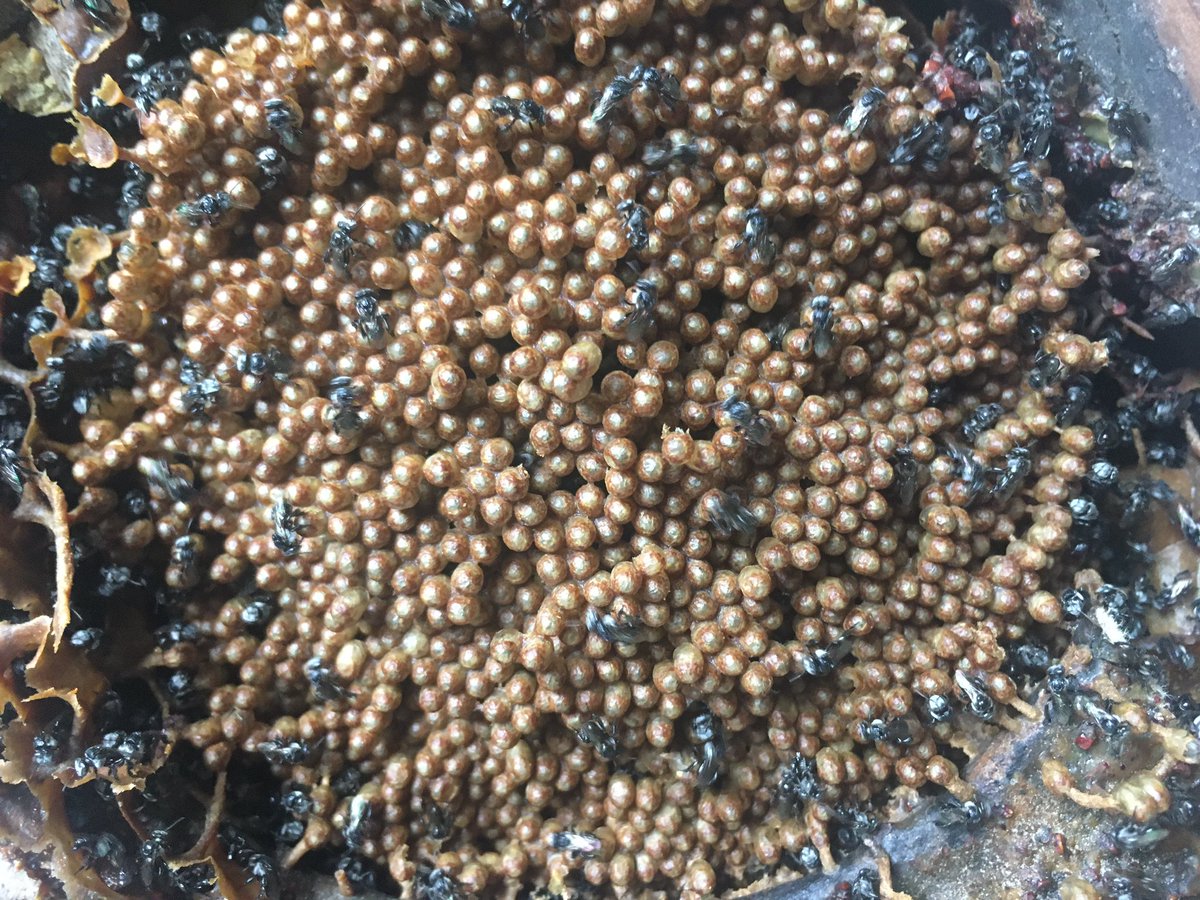
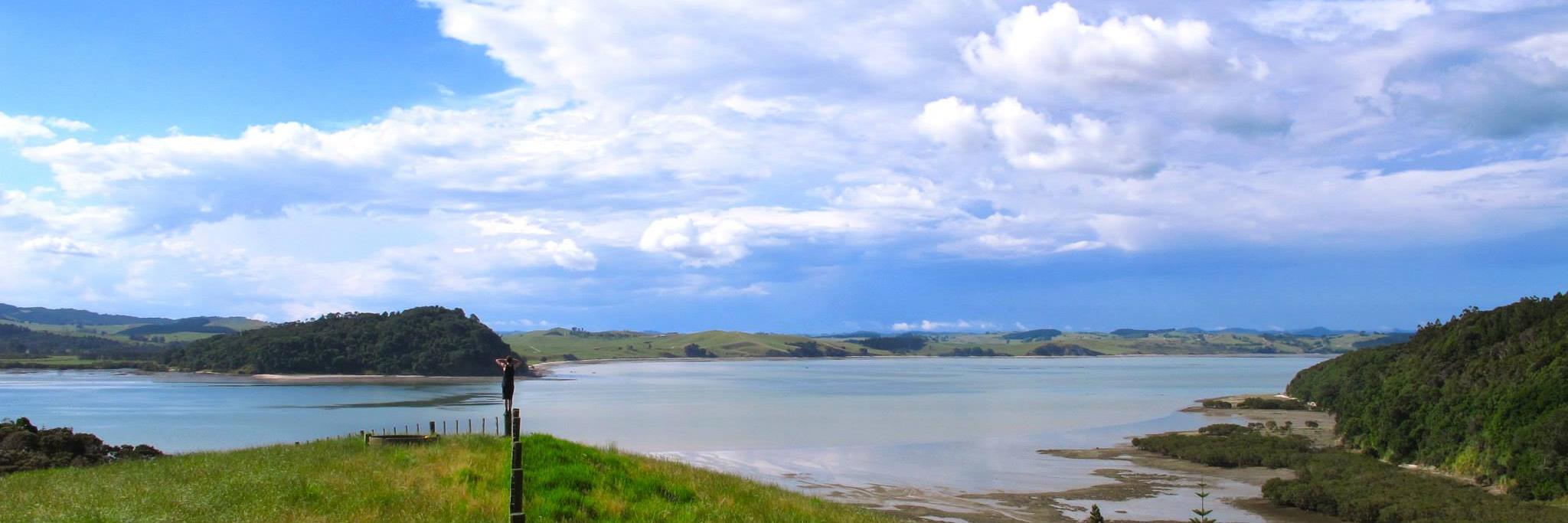
Had fun last week on the East Cape with Waka and the beekeepers from Ngāti Porou Miere. Fascinating to learn about maramataka and the various way it influences our natural world, inc. native bees and honey bees :D
I knew it! 😁 The miniature nervous system of #polistes#paperwasps#insects does not limit sophisticated behaviour. @davide_santoro @NZ_EntoSoc Biology Letters https://t.co/pUutBRYVZh
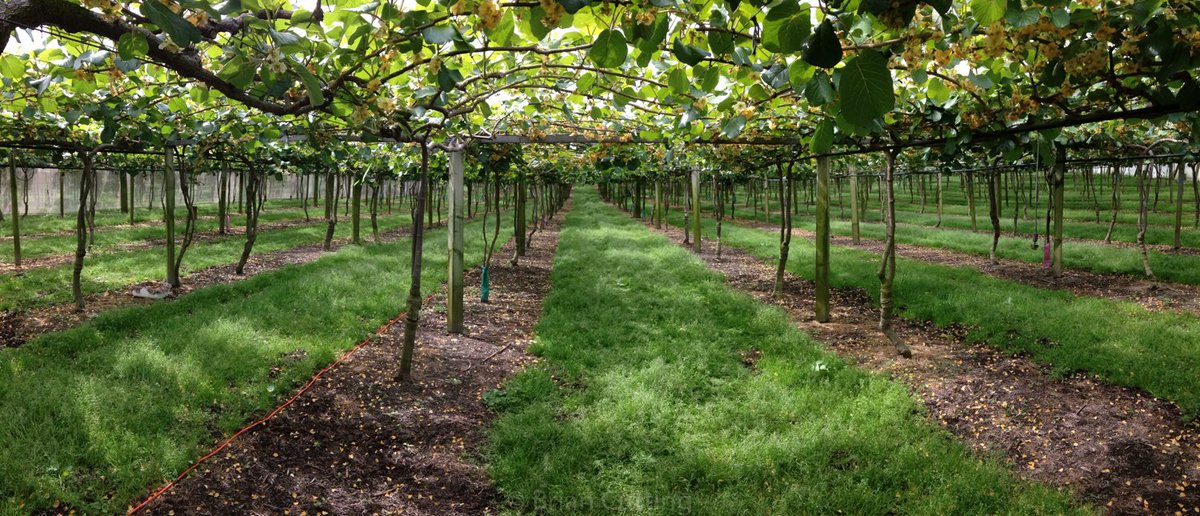
Glasshouses, netting, and covers can be helpful for crop production, but can cause problems for #bees and #pollination. We put RFID tags on honey bee workers under netting to see exactly what was going on: https://t.co/ugzWH4q42s @LisaEvansNZ@mateusz_NZ@plantandfood
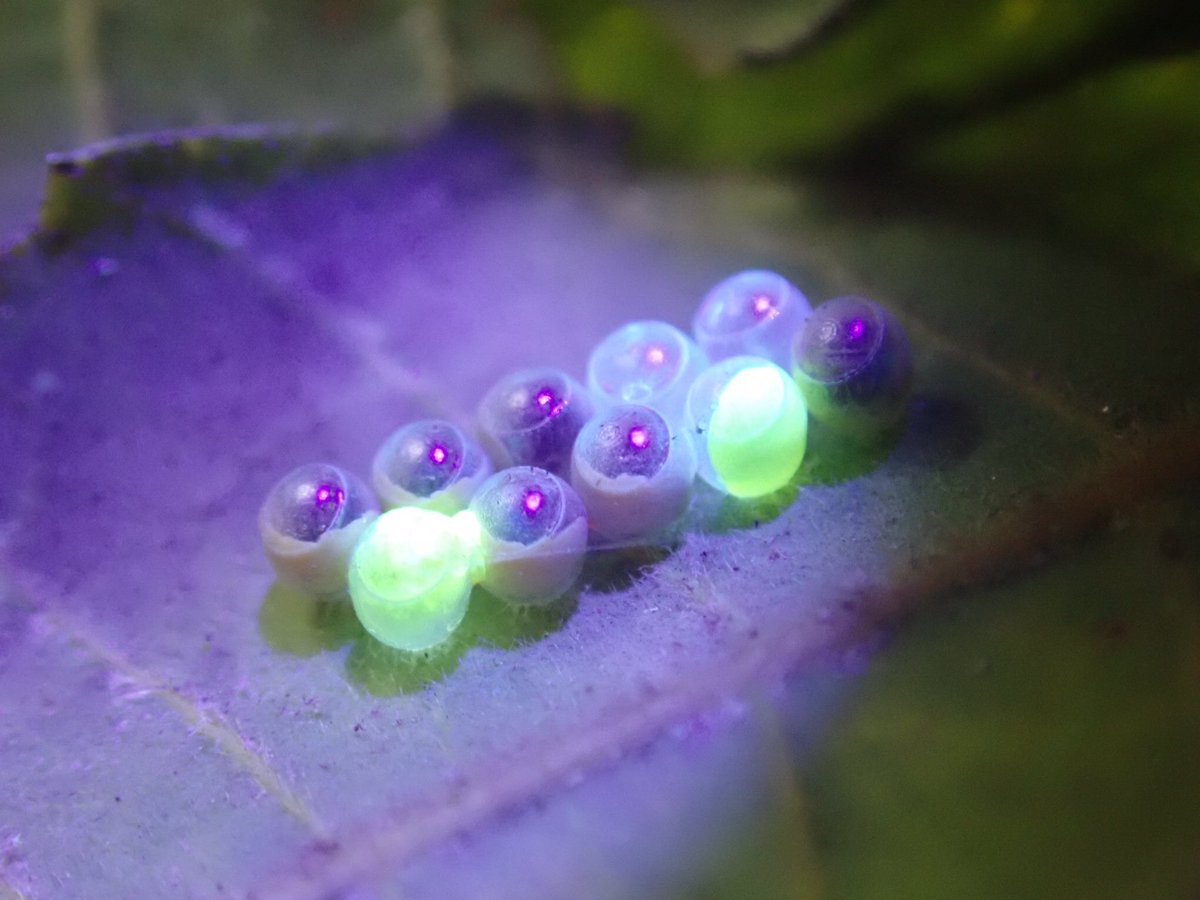
This group of stink bug eggs has had a rough start: most are parasitised by Anastatus wasps, those that remain appear infertile, but they glow intensely under UV light.
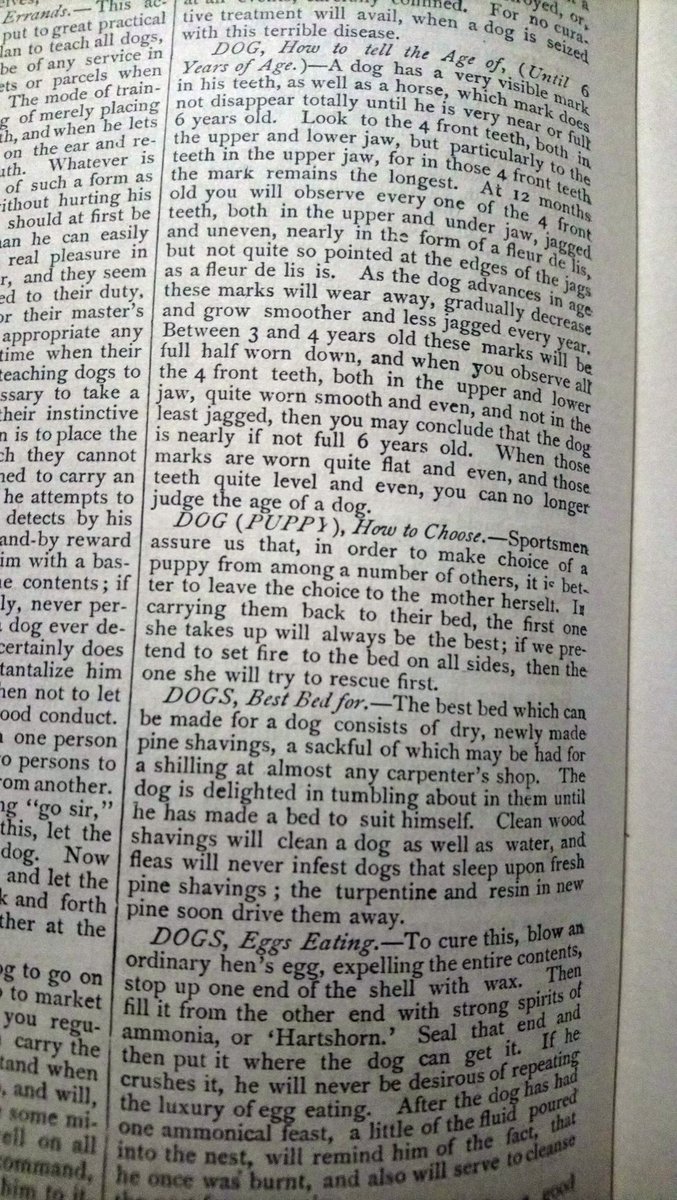
How to choose a puppy? Youman's dictionary of everyday wants (pub. 1884) suggests setting the litter's bed on fire and seeing which the mother saves first.
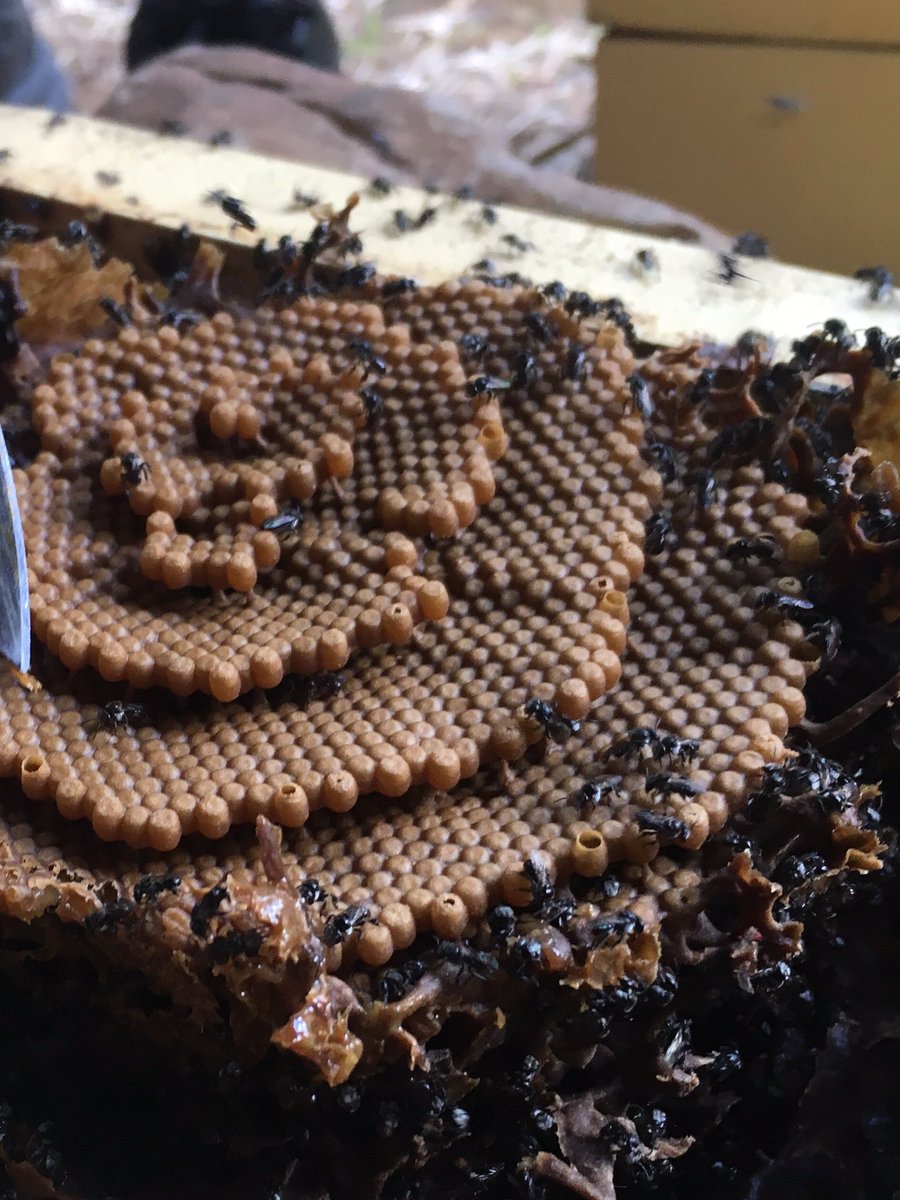
The stingless bee species most commonly found in Brisbane look similar, but the structures they build in their hives are very different!
Tetragonula carbonaria (left) Tetragonula hockingsi (right)
NZ’s smallest bird has been released into @ZEALANDIA. 59 tītipounamu also known as rifleman were captured and moved from Wainuiomata Mainland Island. The tiny birds weigh less than a $1 coin, about 6 grams.
Read more: https://t.co/97jP5XwKe8
https://t.co/QNySrXI67I
"...[Transylvanian] peasants lured bumblebees to nest in artificial cylindric “bumble houses” made of earthenware. These were kept in villages and peasants harvested the honey from time to time" #ethnobiology
@D_Pattemore @LisaEvansNZ@BrianTCutting