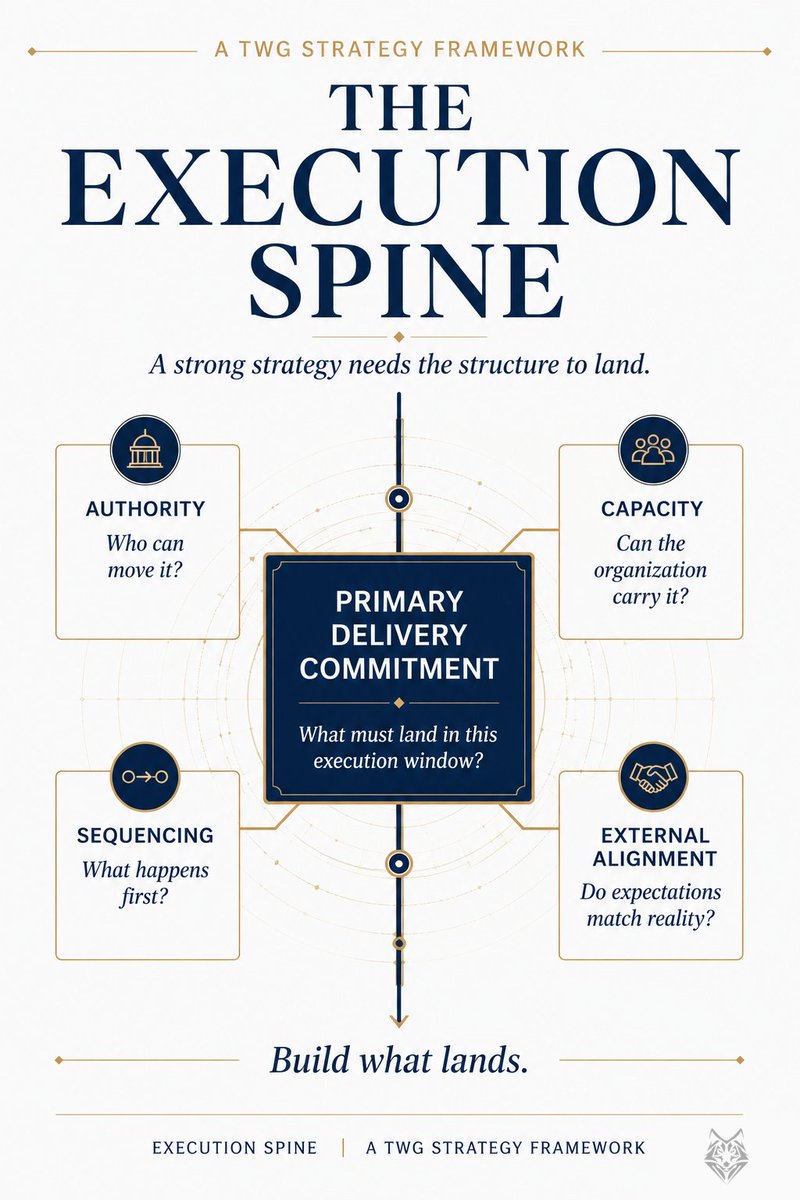
Not everything important belongs in this execution window. The Execution Spine separates work into Spine-Critical, Sustaining, or Out of Scope. “Not now” does not mean “not important.” It means deciding what must land first, and protecting the capacity to make it happen.
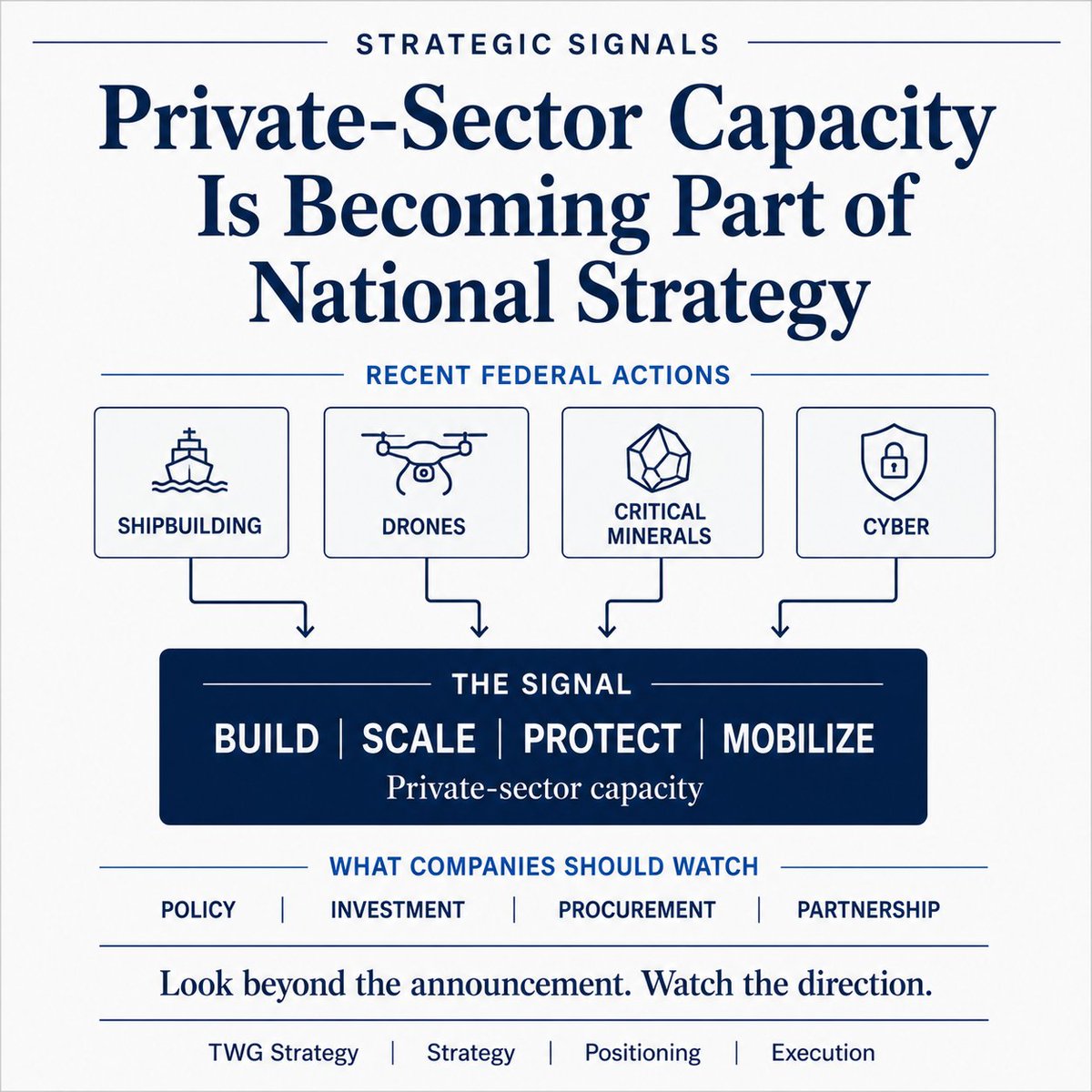
Shipbuilding, drones, critical minerals, and cyber reveal a broader signal: private-sector capacity is part of national strategy. For companies, the opportunity is to see where policy, investment, procurement, and partnerships converge to build what government needs.
Winning a major contract is only the start. The real test is whether your organization can carry the work. Before signing, assess staffing, cash flow, compliance, systems, leadership capacity, and tradeoffs. Growth is an operating decision, not just a sales success.
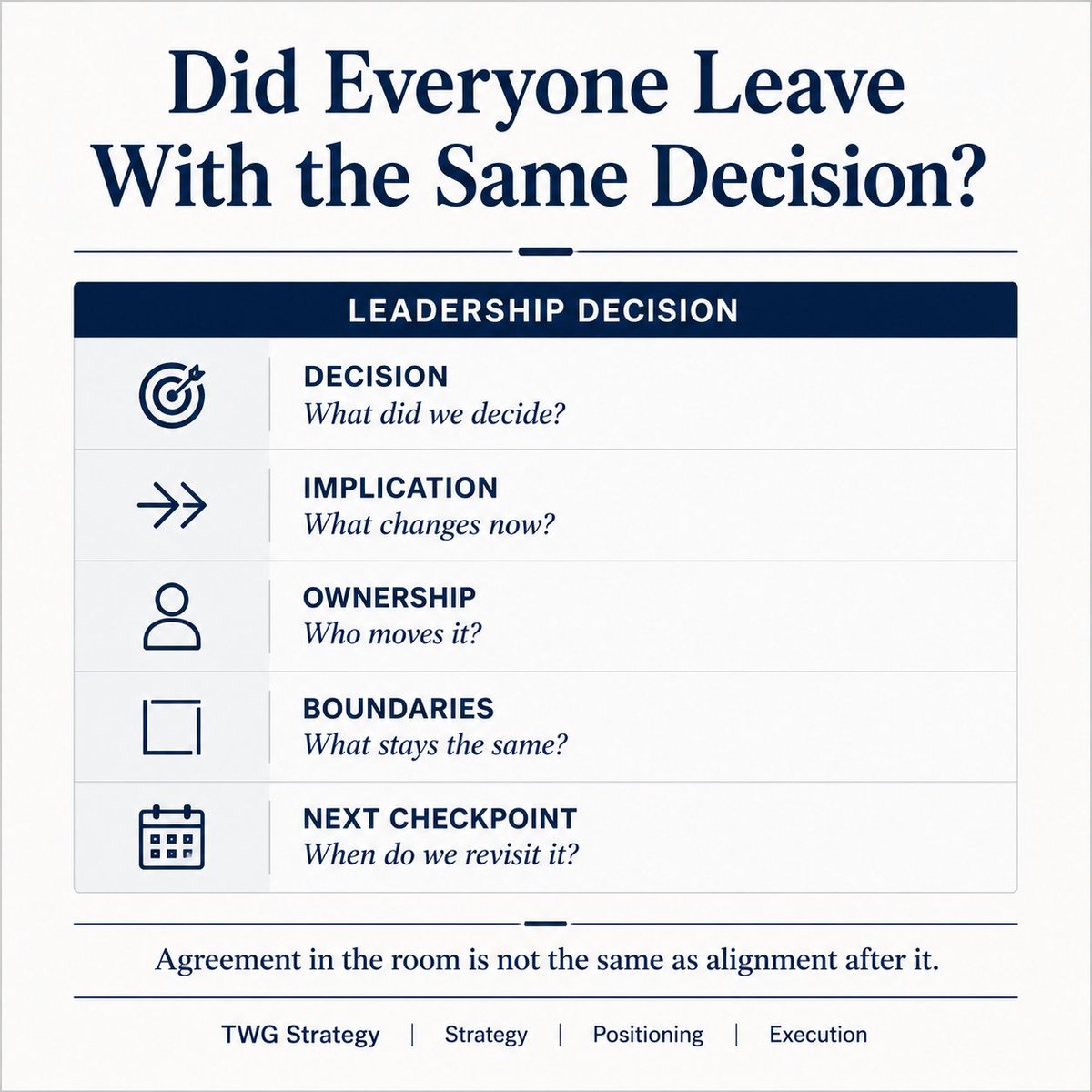
Did everyone leave with the same decision? Agreement isn't alignment. When priorities, ownership, timing, and next steps are unclear, teams act on different interpretations. Rework grows, signals blur, and unresolved issues return. Alignment is clarity about what happens next.
A strong company can still be hard to buy. If prospects understand what you do but not why it matters, or why they should choose you, the issue may be positioning, not messaging. Before increasing outreach, ask: Can the right buyer quickly see why they should choose you?
Strategy only becomes real when an organization can carry it. TWG’s Execution Spine identifies the Primary Delivery Commitment for a defined window, and tests whether authority, capacity, sequencing, and expectations support delivery. What must land now?
Today is 811 Day, a reminder to know what’s below before work begins. For infrastructure leaders, the lesson is clear: better information supports smarter priorities, investment, and risk decisions. What’s below matters. So does the information guiding decisions above ground.
August slows the rhythm of Washington, but that does not mean strategy should stop. Use the time to clarify the objective, audience, pathway, credibility, and ask. The meeting matters, but much of its value is determined before the first meeting ever takes place.
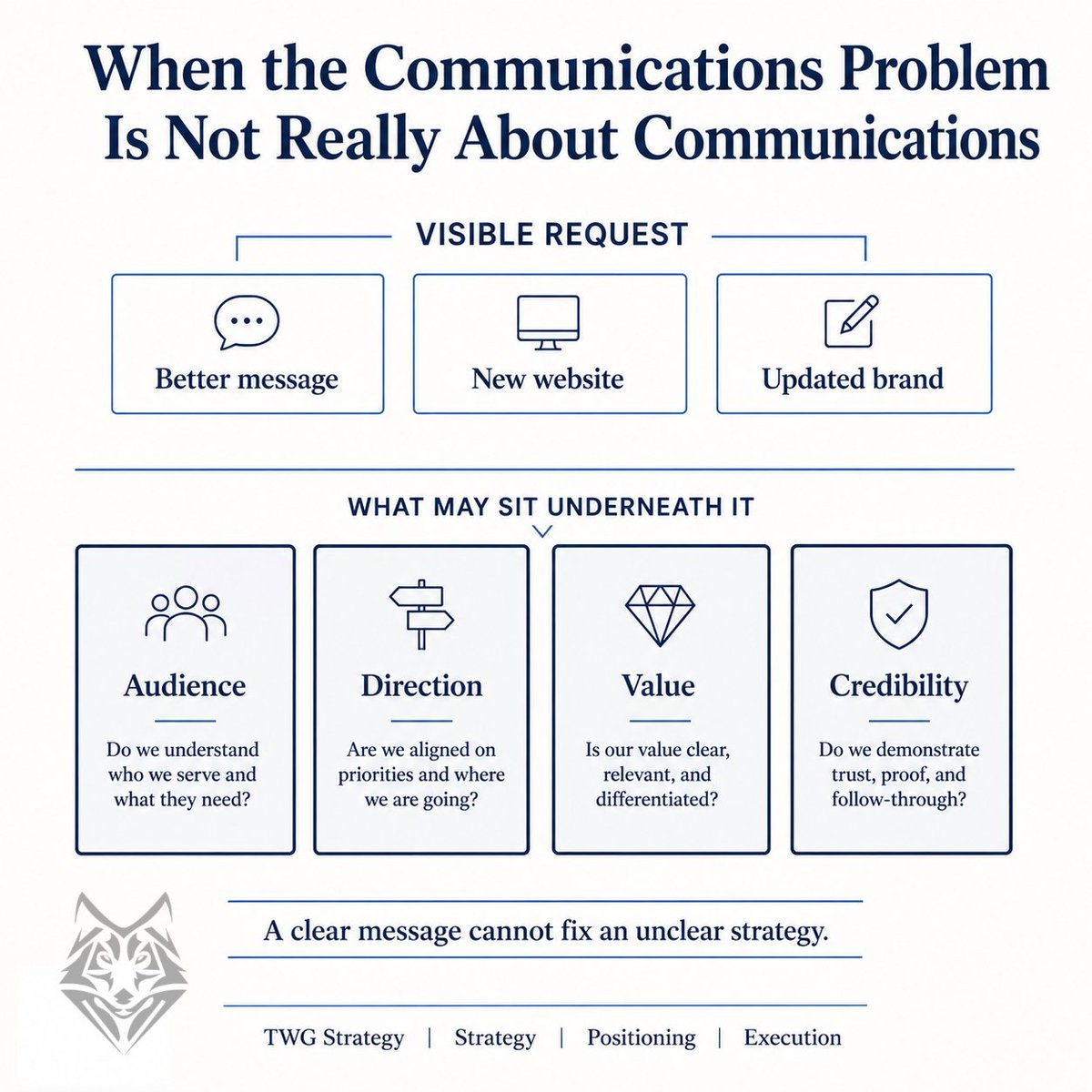
Companies often ask for stronger messaging when the real issue is internal uncertainty. Positioning cannot define an audience, resolve leadership misalignment, or create credibility that strategy has not established. Strong messaging works best when the strategy is already clear.
The National Resilience Strategy makes clear that resilience is bigger than emergency response. It will shape how government and industry plan, invest, and partner across infrastructure, technology, supply chains, public safety, and operations. #Resilience
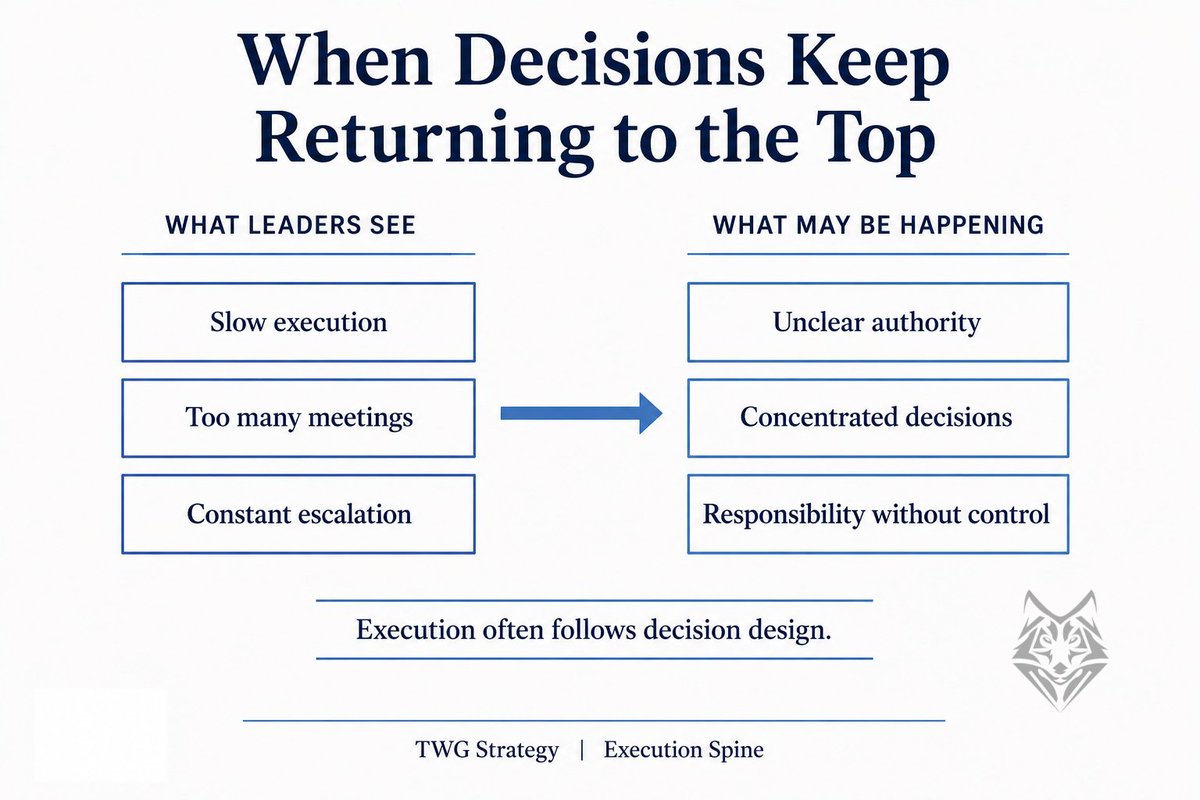
Many organizations don’t have an execution problem. They have a decision problem. Work slows when authority stays at the top while responsibility spreads across the business. Real effectiveness comes when authority, accountability, and expectations actually line up.
Growth doesn’t just create more work. It changes the organization. More clients, staff, and complexity expose gaps in role clarity, authority, accountability, and coordination. The question isn’t whether a company is growing, but whether it has evolved to support it.
The most important business problems rarely stay in one department. Growth becomes leadership. Communication becomes strategy. Execution becomes decision-making. Strong solutions come from seeing how it all connects and helping leaders move from diagnosis to execution.
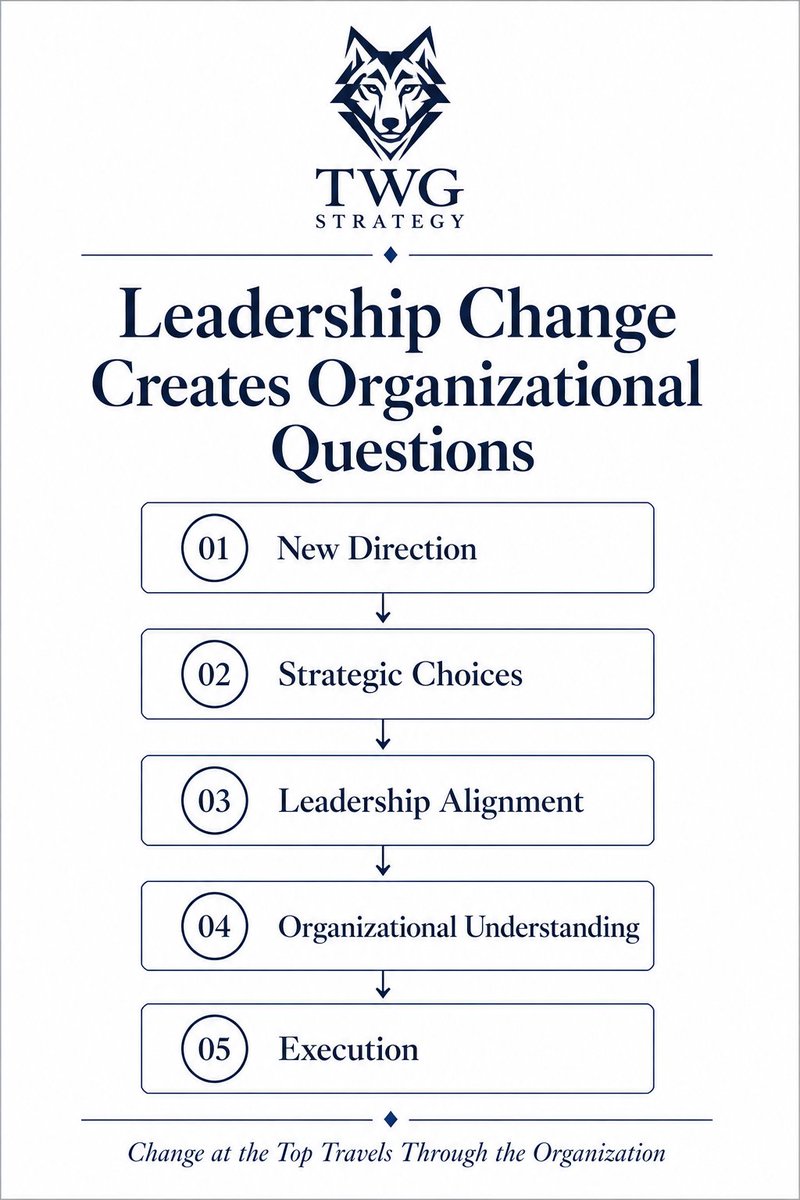
Leadership transitions are not just about a new person at the top. They test alignment. What changes, who owns decisions, and can employees, customers, and investors explain the new direction? A new strategy only works when the organization is ready to move with it.
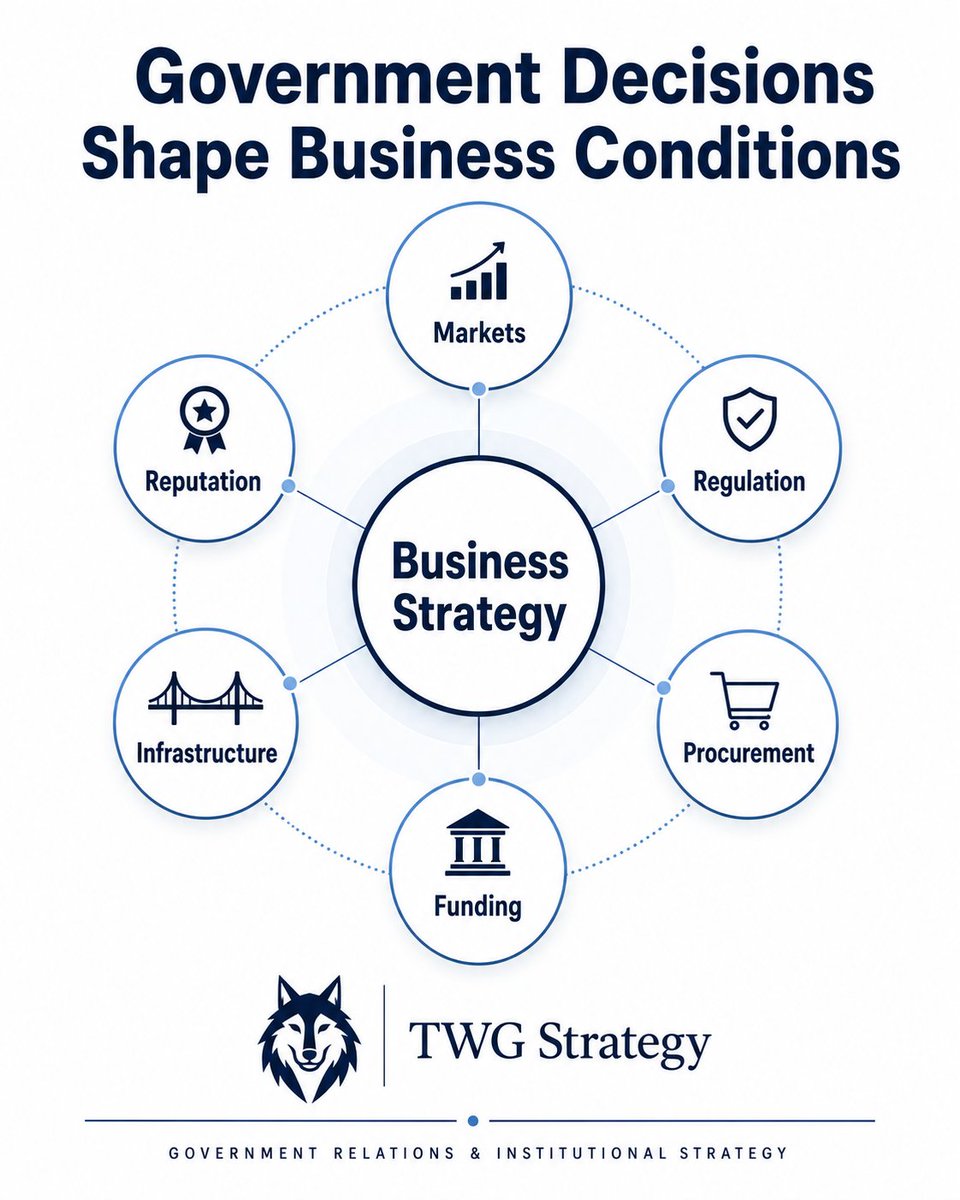
You do not need to sell to government for government decisions to shape your future. Policy, funding, procurement, and regulation all influence markets. Strong strategy means understanding where public priorities and business decisions intersect before you are forced to react.
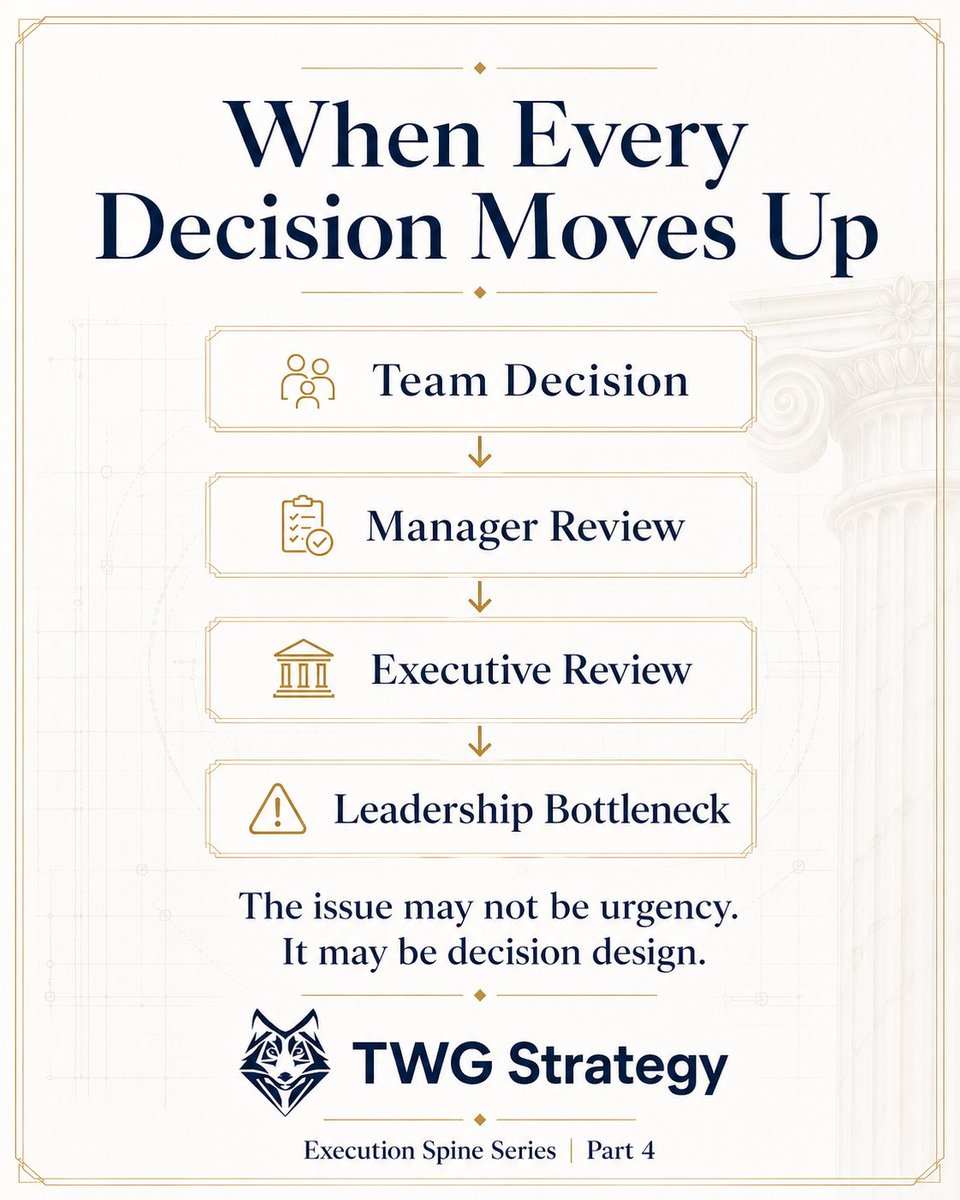
Talented leaders can still struggle to make decisions when every call moves upward. Projects stall, managers hesitate, and teams wait. Clear decision rights are not about less leadership. They give an organization the confidence to act and execute as it grows.
Growth doesn’t just add work. It reveals when decision-making, roles, structure, and messaging no longer fit the organization you’ve become. Sustainable growth requires more than capacity. It requires strategy, leadership, and execution to evolve together.
A weak website is often a symptom, not the real problem. If the message is outdated, the audience unclear, or strategy misaligned, a redesign only improves the packaging. Better websites start with better positioning, sharper strategy, and a clearer story.
Most communication problems aren’t communication problems. They���re strategy, alignment, decision-making, or execution problems showing up in the message. Communication can amplify clarity, but it can’t create it. Strong communication reflects a clear organization.
Government relations starts before the first meeting. Access matters, but it isn't the strategy. Credibility, positioning, preparation, and timing shape what happens next. The meeting may open the conversation, but readiness determines whether it goes anywhere.