PNR: 8250816844 | Train: 12809
No water in the coaches since 7 AM. Passengers are literally trapped in the washrooms for hours because the taps are dry. This is unacceptable and inhumane. Immediate action is needed. #IndianRailways@RailMinIndia
@IndiaPostOffice@IndiaPostOffice My consignment CX001653159IN is still stuck. Complaint CRM no. 2144092053 registered on 16 Sept, but no resolution till now (25 Sept). It’s just ‘under enquiry’ with no progress. Extremely disappointing service. Please act urgently.
@IndiaPostOffice My consignment CX001653159IN, booked on 11/08/2025 from Sasaram HO to Sarjapura S.O (562125), was dispatched from Bengaluru City TMO but has not reached. Tracking stuck since then. Also unable to file complaint on website. Please resolve urgently.
@AmazonHelp@amazonIN Thanks for responding. I understand that this mistake must have been made by the regional office. However, such behavior not only wastes the consumer's time but also increases anxiety as it is difficult for a middle-class person to buy accessories. Hope my problem will be solved.
The Khayr al-Manazil Masjid, built in 1561, assisted by Delhi’s governor Shihab al-Din Ahmad Khan, it functioned as a mosque and madrasa. Its rich architecture, with domes, intricate tile work, and an ablution pool, stands timeless.
The Bada Gumbad Mosque in Lodhi Garden, built in 1494 AD, showcases Lodi-era architectural brilliance. Its five-arched façade, intricate Arabic inscriptions, corbelled pendentives, domes on octagonal drums, and carved red sandstone balconies exemplify a blend of simplicity.
Athpula Bridge in Lodhi Garden, built during Akbar’s reign by Nawab Bahadur, stands as a rare Mughal relic in Delhi. Named after its 8 piers, it once spanned a Yamuna tributary. Known as Khairpur ka Pul, it now arches over a serene reservoir, blending history and tranquility.
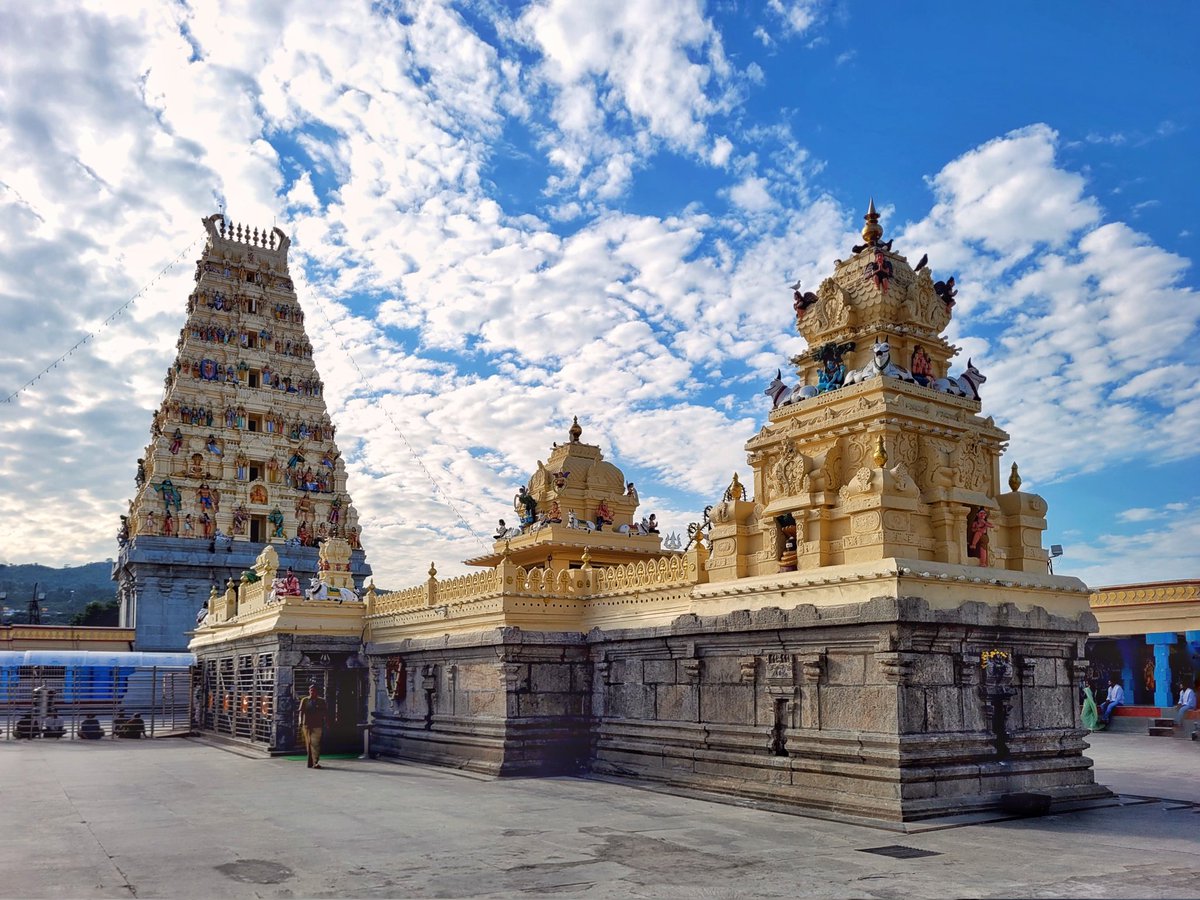
Situated in the serene Male Mahadeshwara Betta of Karnataka, the Male Mahadeshwara Temple stands 3,000 feet high. Built in Dravidian style with stone-carved pillars, a Nandhi statue, and a sacred tank, it’s a spiritual haven for pilgrims and a natural retreat for nature lovers.
The Varadaraja Perumal Temple in Puducherry is a Dravidian architectural marvel, showcasing Chola and Pandya styles. It is believed it was built in the 11th century by the Cholas and later expanded by the Pandyas.
The Rashke Jannat Mahal, or Tipu Sultan's Summer Palace in Bangalore, was built by Hyder Ali and completed in 1791 by Tipu Sultan. This teak wood palace, with its Indo-Islamic architecture, served as a summer retreat and royal court.
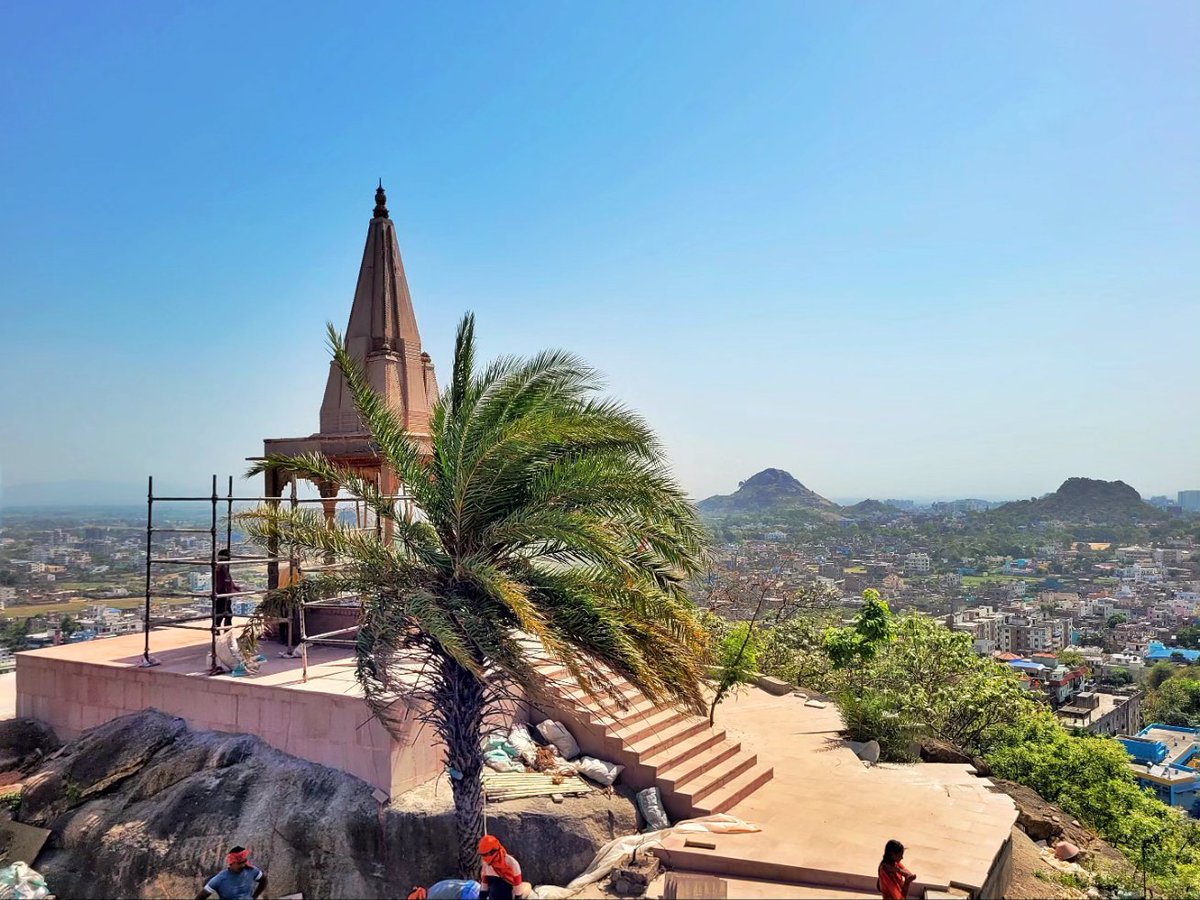
Tagore Hill in Morabadi, Ranchi, Jharkhand, is a 300-foot-tall sanctuary for art enthusiasts. Linked to Jyotirindranath Tagore, it housed Shantidham, where he settled in 1912. Jyotirindranath, a polymath, left a lasting legacy, celebrated through Shanti Dham and Brahma Sthal.
Bada Gumbad in Lodhi Gardens, a relic from the Lodhi era (1490 CE), stirs curiosity with its mysterious purpose. Some say tomb, others gateway. Its fusion of Islamic and Hindu styles, with lofty minarets, tells tales of ancient craftsmanship.
Shish Gumbad: Constructed in 15th-16th century during Lodhi Dynasty rule in Delhi. Fusion of Islamic & Hindu architecture, featuring a mihrab on its western wall. Purpose remains debated, possibly a family tomb or memorial.
@INCTharoorian@Jairam_Ramesh@ShashiTharoor Indeed, Indian secularism has ancient roots. The place came under the Khanqah Estate when ths rock edict of Ashoka was founded. In the book 'Ahoka', it is stated that E. L. Ravenshaw got the copy of the edict from Shah Kabiruddin (supritendent of Khanqah Estate).
Fun Fact: Former Prime Minister of Pakistan @ImranKhanPTI also belongs to the Niazi Tribe and identifies himself as the descendant of Haibat Khan Niazi.
The Jama Masjid in Rohtasgarh fort, Sasaram, Bihar was built by Haibat Khan Niazi in 1543 during the reign of Sher Shah Suri. It stands at 40ft with three domes. Made of white sandstone, adorned with motifs and calligraphies, sadly it's now abandoned and used as a cattle shelter.
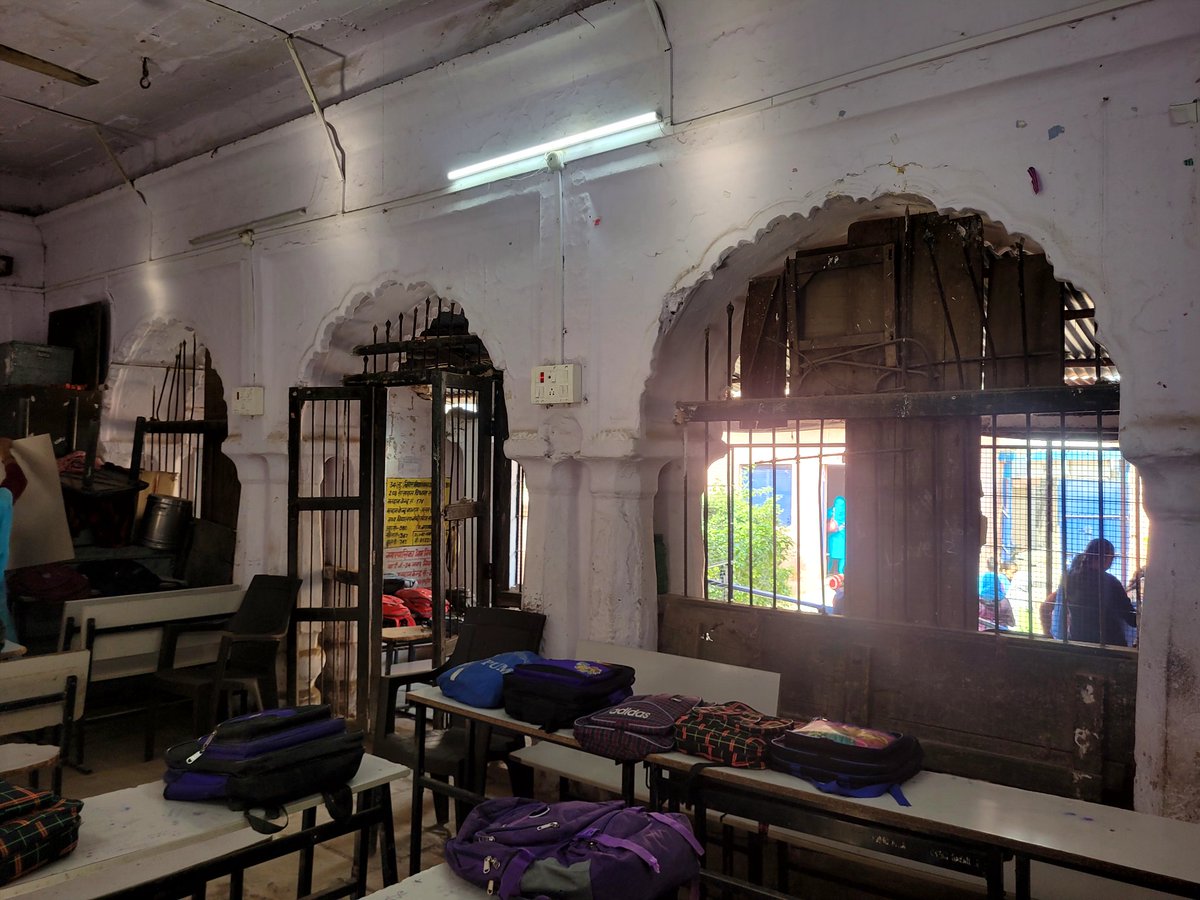
This building served as the court for Khanqah Estate, built in the late 18th century, where the superintendents used to sit and collect revenue and taxes from their land. In 1968, Talat Rashtriya Urdu Middle School was established here.
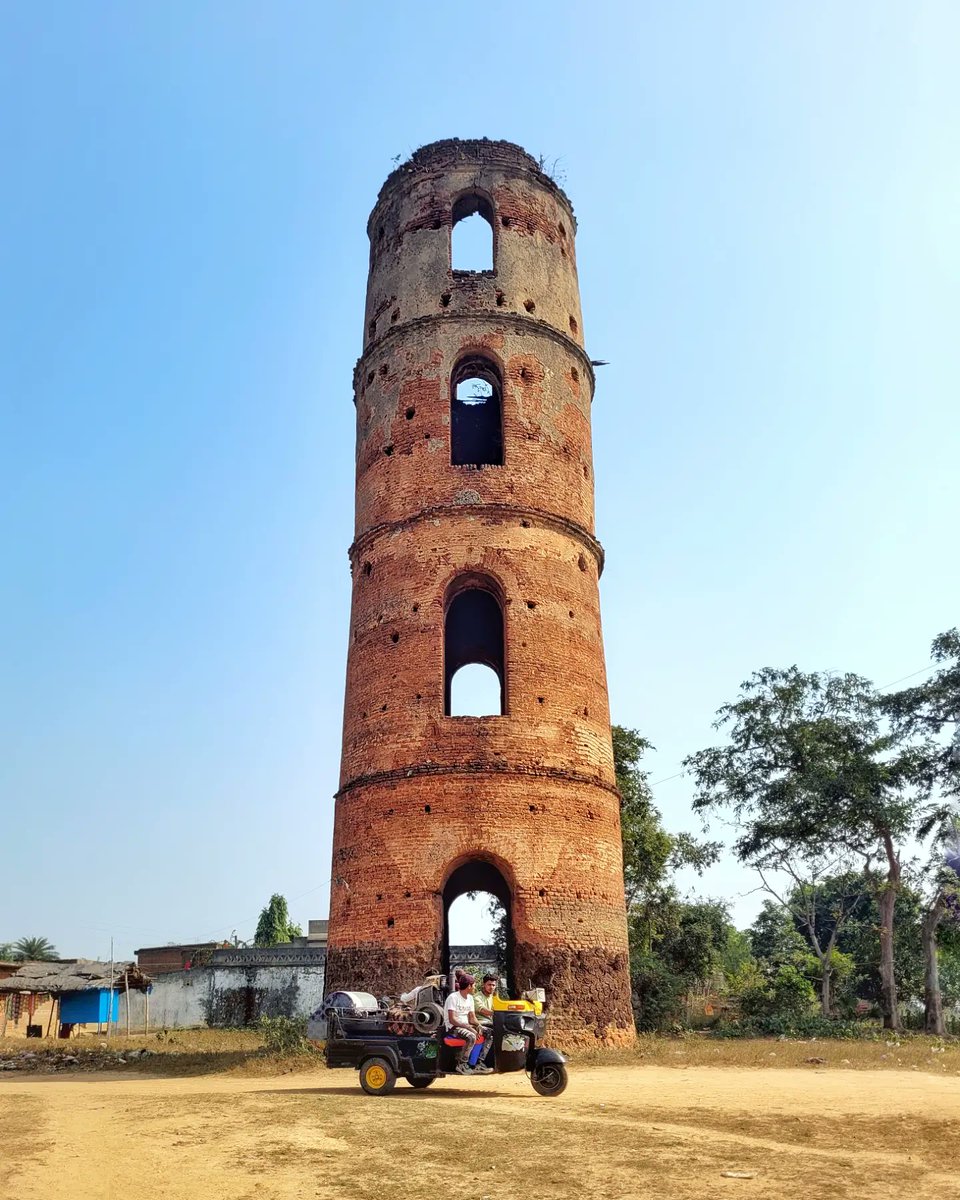
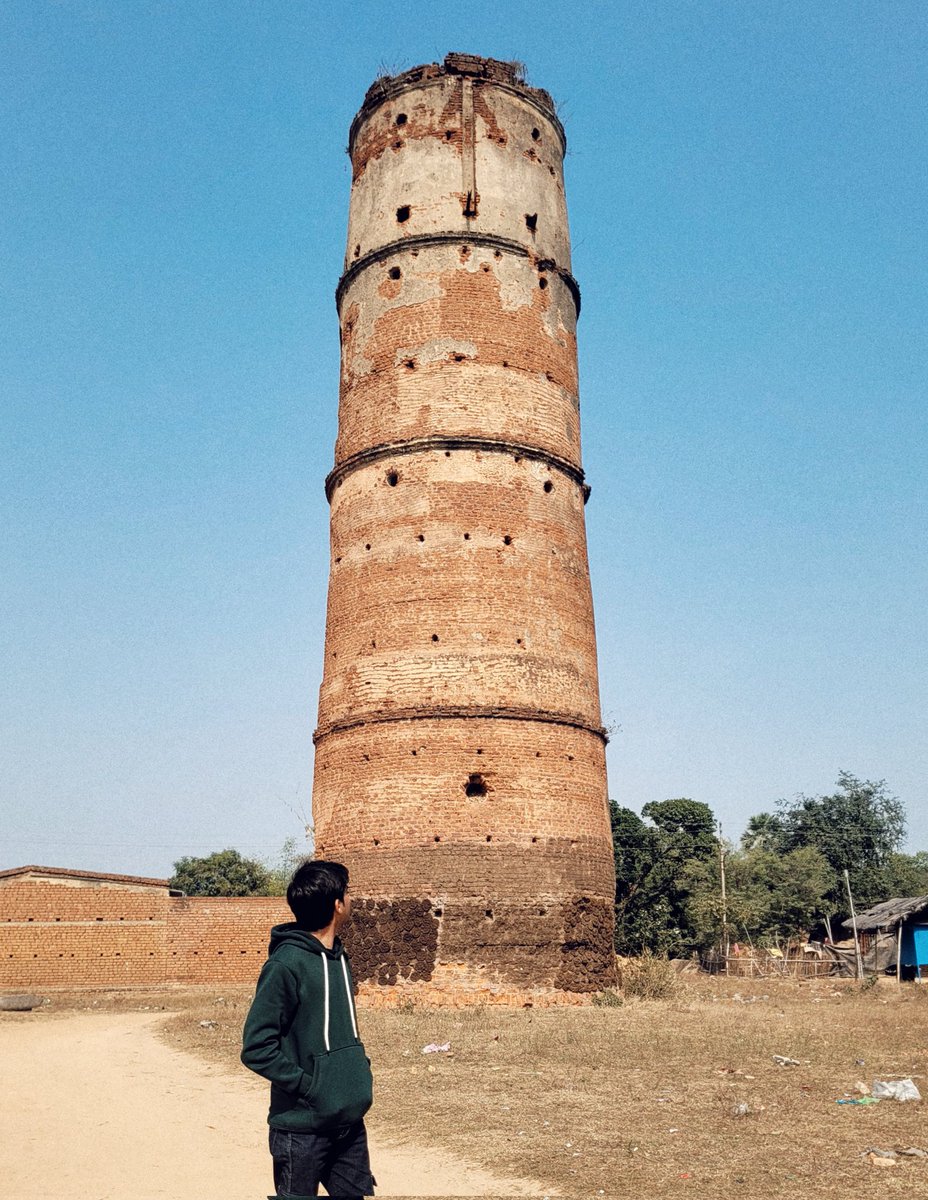
These two dilapidated towers at Babudih and Satanpur within Bokaro, Jharkhand, were part of the Indian semaphore line from 1816-28, providing visual communication at 5–20 mile intervals. Invented by Claude Chappe in 1792, operators relayed messages swiftly using semaphore arms.