"- Doutor, o senhor esta preso por estupr0, mas antes de levarmos o senhor, vai querer uma agua, um café? Se preferir lhe preparo um lanche pro senhor nao ficar com fome no trajeto ate a delegacia, pode ser?"
@engpedrorogerio@simpraisa Ufa! Ainda bem que cheguei aqui! Por um momento achei que só eu não tinha entendido ou entendido errado! Só correr não resolve!
Os primeiros 8 minutos 99% das pessoas percebem que estavam usando errado o Claude.
Salva esse post e aplique o que está se passando no vídeo e tenha mais eficiência.
Vídeo legendado em português pelo mano Netto.
Dünyanın oluşumundan insanlık tarihine kadar.
Mutlaka izlemeniz gereken harika bir Nat Geo Wild belgeseli
4,5 milyar yaşında olan Dünya'nın nasıl oluştuğunu, buz devrini, dinozorlar çağını ve insan evrimini basit ama harika bir şekilde anlatan muhteşem bir belgesel
Türkçe dublajı ile
Não é crise, é troca 🤔
“O brasileiro diminui a cerveja em quase 7% e aumentou a a água em 60%”
Essa frase chama a atenção, o que os números estão dizendo em relação aos novos hábitos do varejo.
O vídeo é longo mas vale assistir 🤝
A community college professor taught the same study skills lecture for 30 years, and the video quietly became one of the most watched educational recordings on the internet.
His name is Marty Lobdell. He spent his career as a psychology professor watching students fail not because they were lazy, but because nobody had ever taught them how their brain actually works under the pressure of learning something hard.
The lecture is called "Study Less Study Smart." Over 10 million views. Passed around in Reddit threads, Discord servers, and university study groups for over a decade. And the core insight buried inside it has been sitting in cognitive psychology research for years, waiting for someone to explain it in plain language.
Here is the framework that completely changed how I think about effort.
Your brain does not sustain focus the way you think it does. Studies tracking real students found that the average learner hits a wall somewhere between 25 and 30 minutes.
After that, efficiency doesn't just decline. It collapses. You're still sitting at your desk, still looking at the page, but almost nothing is going in.
Lobdell illustrated this with a student he knew personally. She set a goal of studying 6 hours a night, 5 nights a week, to pull herself out of academic probation. Thirty hours of studying per week. She failed every single class that quarter.
She wasn't failing because she lacked effort. She was failing because she had confused time spent near books with time spent actually learning. The 25-minute crash hit her at 6:30pm every night. She spent the next five and a half hours sitting in the wreckage of her own focus and calling it studying.
The fix sounds almost too simple. The moment you feel the slide, stop. Take five minutes. Do something that actually gives you a small reward. Then go back. That five-minute reset returns you to near full efficiency. Across a six-hour window, the difference is not marginal. It is the difference between thirty minutes of real learning and five and a half hours of it.
The second thing he taught destroyed something I had believed about how memory actually works.
Highlighting feels productive. Going back over your notes and recognizing everything feels like knowing. But recognition and recollection are two completely different cognitive processes, and your brain is very good at making you confuse them.
You can see something you've read before and feel completely certain you understand it, even when you couldn't reconstruct a single sentence from memory if the page were blank.
He proved this live in the room. He read 13 random letters to his audience. Almost nobody could recall them. Then he rearranged the same 13 letters into two words: Happy Thursday. The whole room got all 13 without effort.
Same letters. Same count. The only thing that changed was meaning.
The brain stores meaning. Not repetition. The moment new information connects to something you already understand, the retention changes entirely.
This is what the cognitive psychology literature calls elaborative encoding, and it is the mechanism underneath every effective study technique.
The third principle was the one that hit me hardest, and the one almost nobody applies.
Lobdell cited research showing that 80 percent of your study time should be spent in active recitation, not passive reading. Close the material. Say it back in your own words.
Teach it to someone else, or to an empty chair if no one is around. The struggle of retrieval is where the actual learning happens. Reading your notes again is watching someone else do the work.
His parting line has stayed with me longer than almost anything else I have read about learning.
He told the room that if what he shared didn't change their behavior, they hadn't actually learned it. It would just live in their heads as something they had heard once and felt good about.
He was right. And most people leave every lecture exactly like that.
The students who remember everything aren't putting in more hours.
They stopped confusing the feeling of studying with the fact of it.
Isso aqui é um dos principais sintomas do surto!
Se contar pra torcedores do mundo todo que a prefeitura EXTORQUIU o clube e parte da torcida apoiou a prefeitura, ninguém acredita.
🚨 VEJA l Ernesto Lacombe desabafa após levar golpe de Allan dos Santos na Timeline: "Allan ficou com tudo. Todos os equipamentos, 13 câmeras e todo o mobiliário"
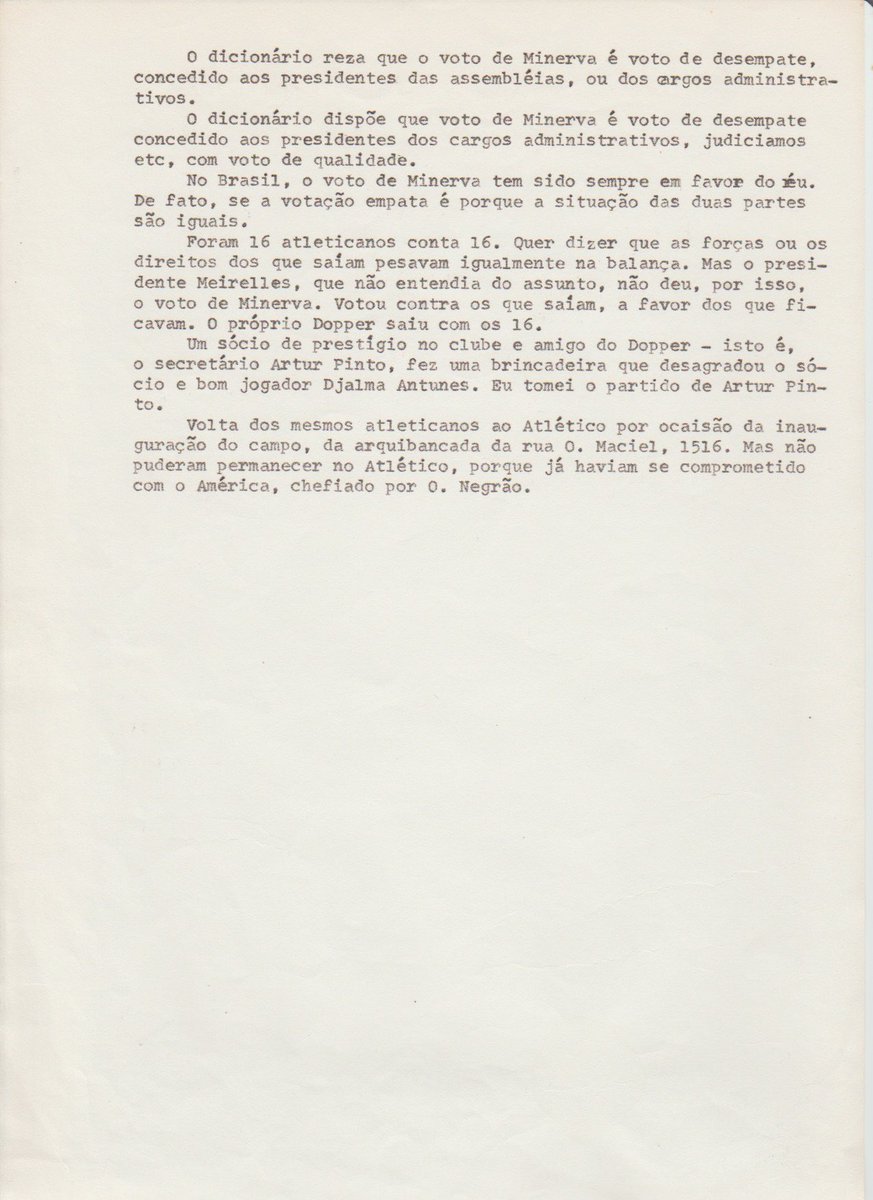
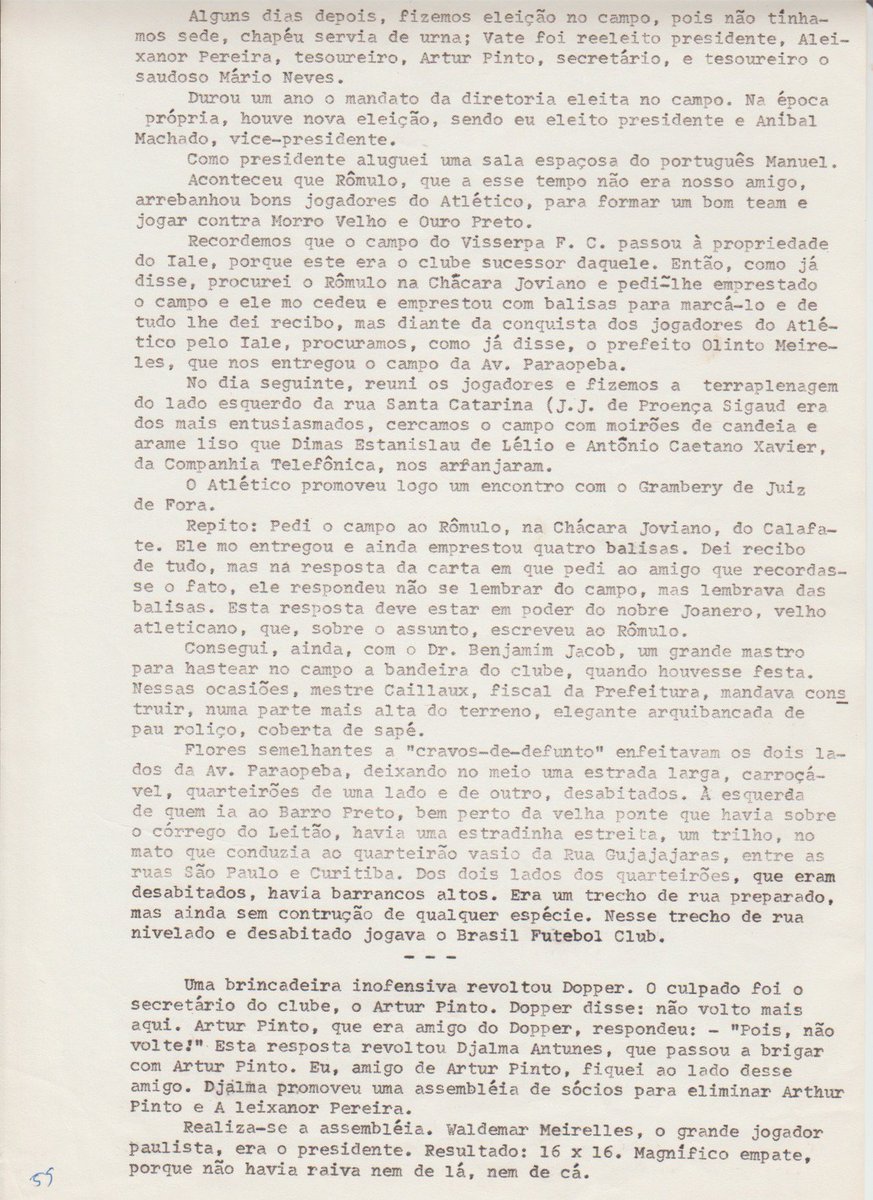
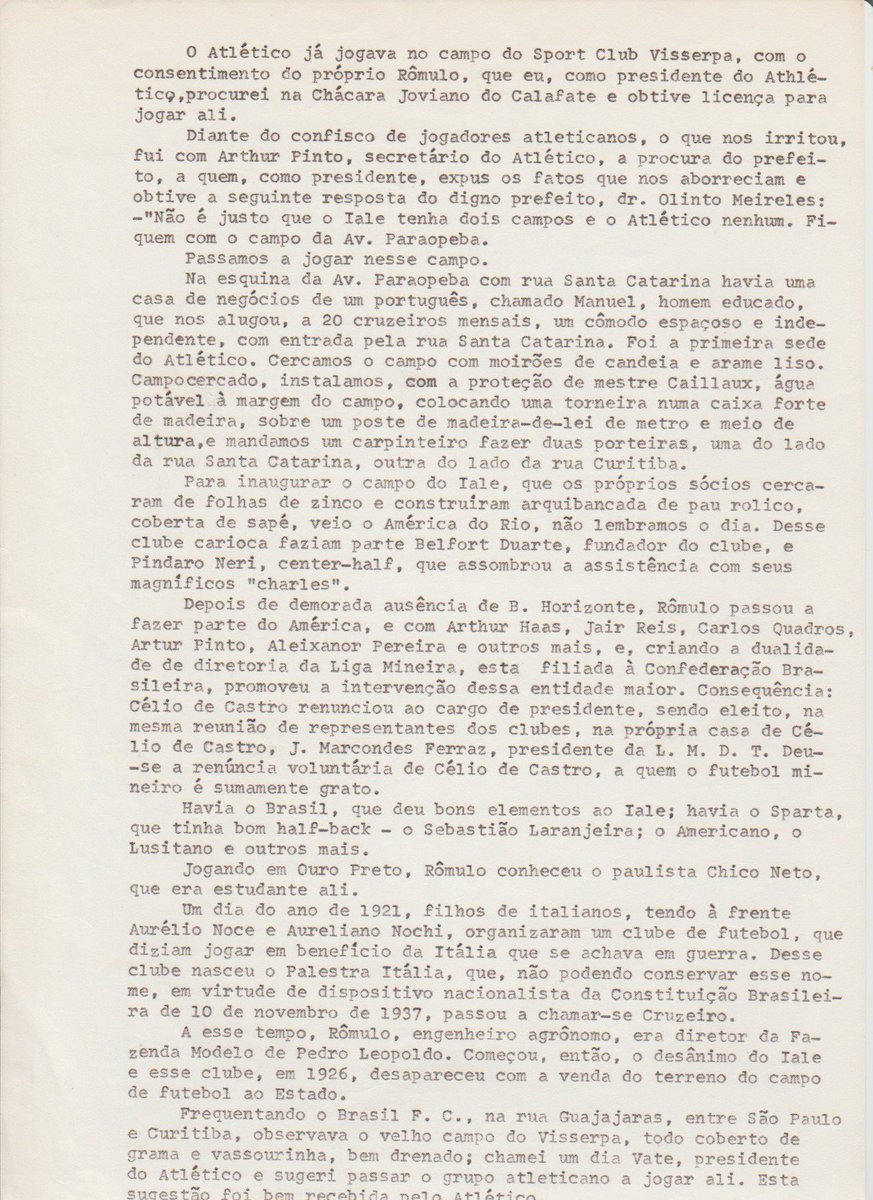
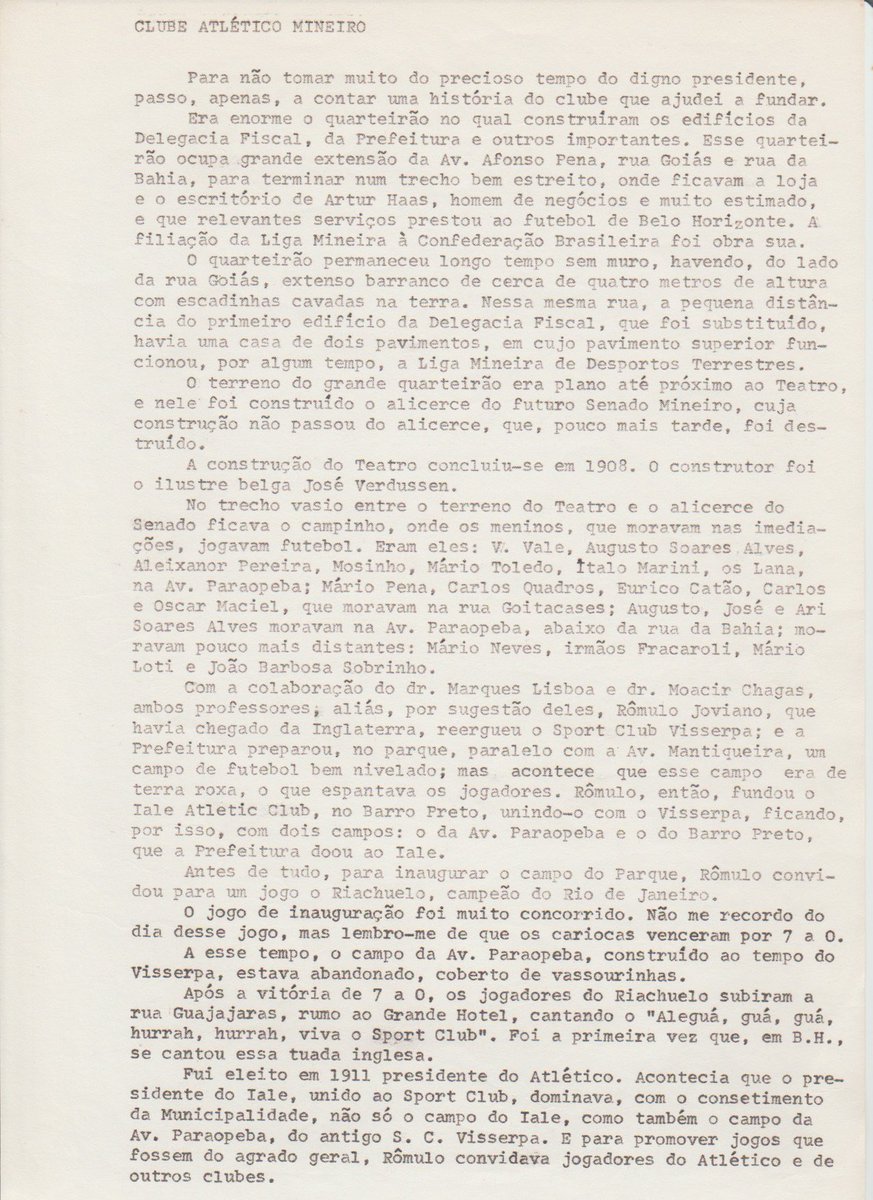
Aleixanor deixou uma carta escrita onde conta o contexto da criação do Galo em 1908
São 6 partes. Vou colocar as 2 restantes em outro tweet
Faleceu aos 89 anos em 1983, 21 dias antes do aniversário de 75 anos do #Galo
Intimidação - Gravações das câmeras corporais de policiais militares mostram a disputa de poder hierárquico entre um cabo _ que queria preservar o local onde a soldado Gisele Alves foi baleada na cabeça _, e a autoridade de um oficial de alta patente, o marido dela, o tenente-coronel Geraldo Neto.
As imagens foram feitas em 18 de fevereiro no apartamento do casal, no Brás, Centro de São Paulo. Gisele foi socorrida, mas morreu no hospital.
Neto foi preso preventivamente na quarta-feira (18), quando se tornou réu na Justiça por feminicídio (assassinato de mulher por razões de gênero —como violência doméstica e familiar ou menosprezo e discriminação à condição feminina) e fraude processual (porque alterou a cena do crime para simular um suicídio).
A equipe de reportagem teve acesso a imagens da câmera corporal do cabo, onde é possível assistir esse embate entre ele e o tenente-coronel. Neto insiste em entrar no banheiro, tomar banho e circular pelo apartamento onde Gisele estava — exatamente o tipo de conduta que acendeu o alerta dos investigadores e enfraqueceu a versão de suicídio sustentada por ele.
Veja os detalhes obtidos na gravação no #g1
#gisele #tenente #sãopaulo
@kleysller Contrato de confidencialidade, se for negócio! Registre, mesmo que seja com seu pai, seu irmão, sua esposa, seu melhor amigo! São coisas distintas! Isso mantém amizade! Só alinhar no início!