450 ميغاواط قدرة متعاقد عليها اليوم في غانا. ما يلفتني هو الانتقال من حلول طارئة إلى استخدام الغاز المحلي وشراكات أوسع، تجربة مشجعة تستحق المتابعة. https://t.co/bMUUXUKddy
The Newark, NJ police posted this video last night (I added the still and fixed the audio as much as I could) as they've reportedly been unable to identify the violent criminal.
This is as good a time as any to remind the most vulnerable population (women, elderly, disabled, etc....) that criminals are predators and often intentionally target the weak.
This woman knew she was being followed so she had time to stack the odds in her favor. If she had a gun she could have produced it (that alone normally stops the threat) and used it if needed to avoid this assault that easily could have devolved into rape/murder/etc.
Plan and train accordingly...
"Newark Public Safety Director Emanuel Miranda, Sr., requests the public’s help identifying the suspect pictured below, who assaulted a female victim on September 18, 2026.
The victim had gotten off work and was walking home from a bus stop at approximately 1:30 a.m. when she saw a Black male watching and following her. As she reached her apartment in the 200 block of Leslie Street, the suspect, who was wearing locs, a black tank top, and blue shorts, approached her from behind.
When she turned around, he repeatedly punched her in the face and body, telling her to be quiet. She fought back and screamed, causing the suspect to flee." -Newark PD
#CityLife #crime #decay #3rdWorld #newark #NewJersey #urban #assault #women #19th #weak #predators #democrats #2nd #CivilRights #jersey
Big matchups. Big rivalries. Big Noon Saturday. Stream it LIVE every Saturday, all season long on FOX One. Don't miss a single game-changing play. Watch 3 days free.
أمن الطاقة ليس مجرد شعار هنا: طلب العراق رفع خط الأساس إلى 6 ملايين برميل يومياً قد يمنحه مساحة إنتاج أكبر وإيرادات أعلى، لكنه يفتح أيضاً اختباراً صعباً داخل أوبك+ لأن الطلب لا يعني الموافقة. https://t.co/n4kxqzAa37
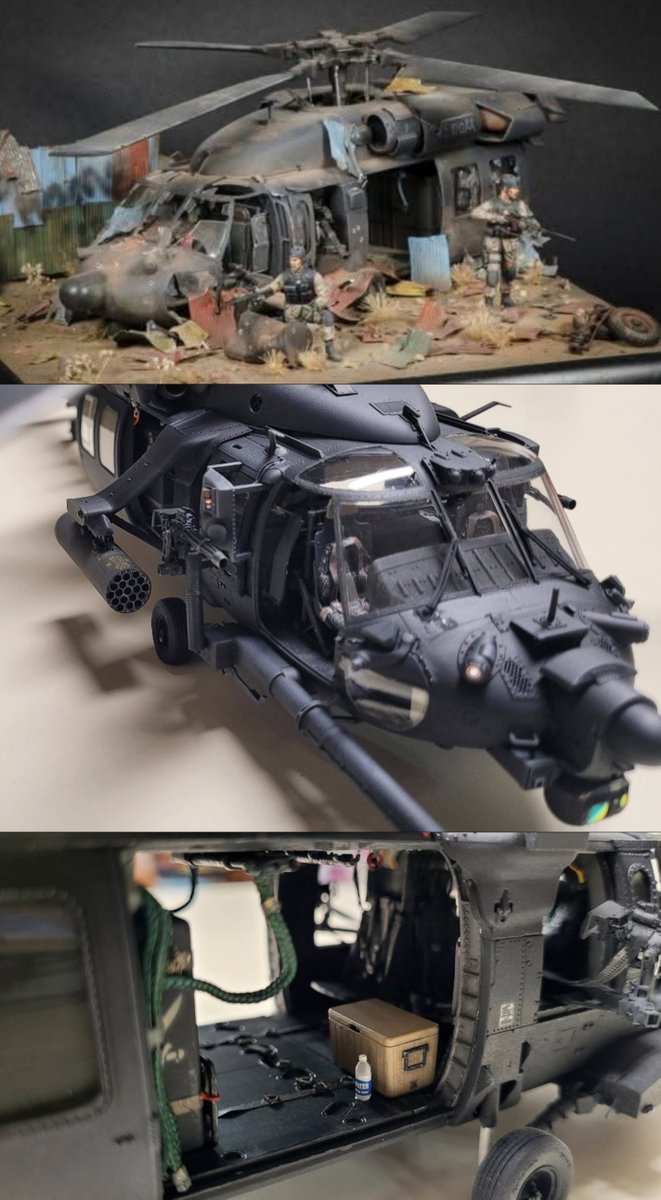
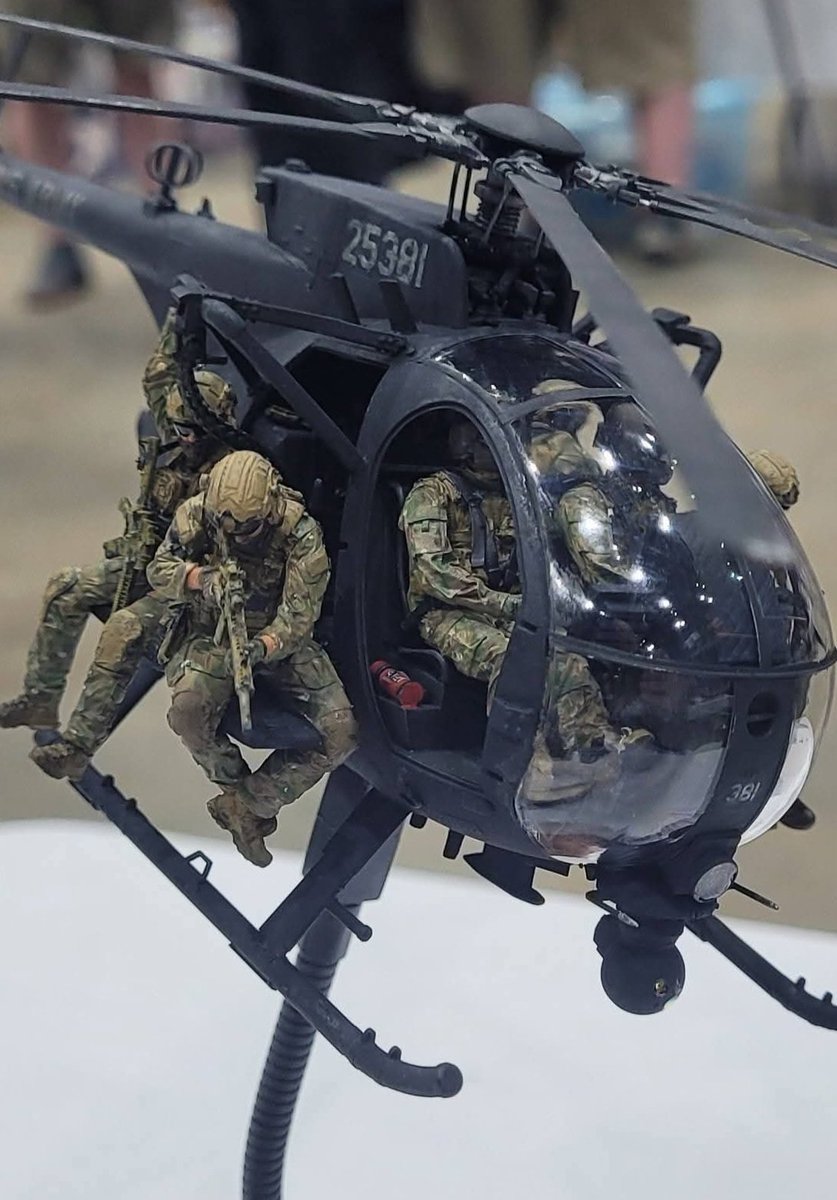
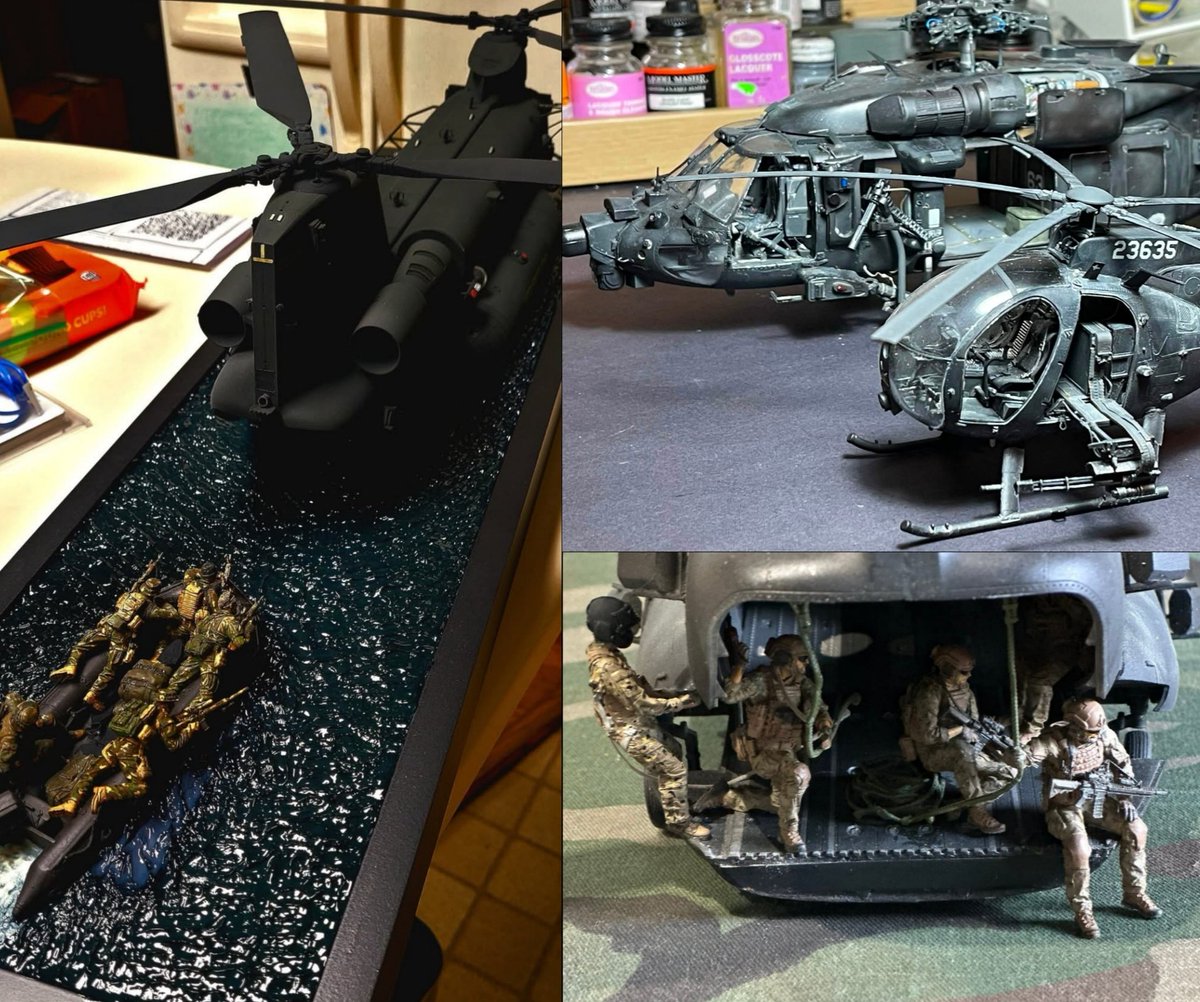
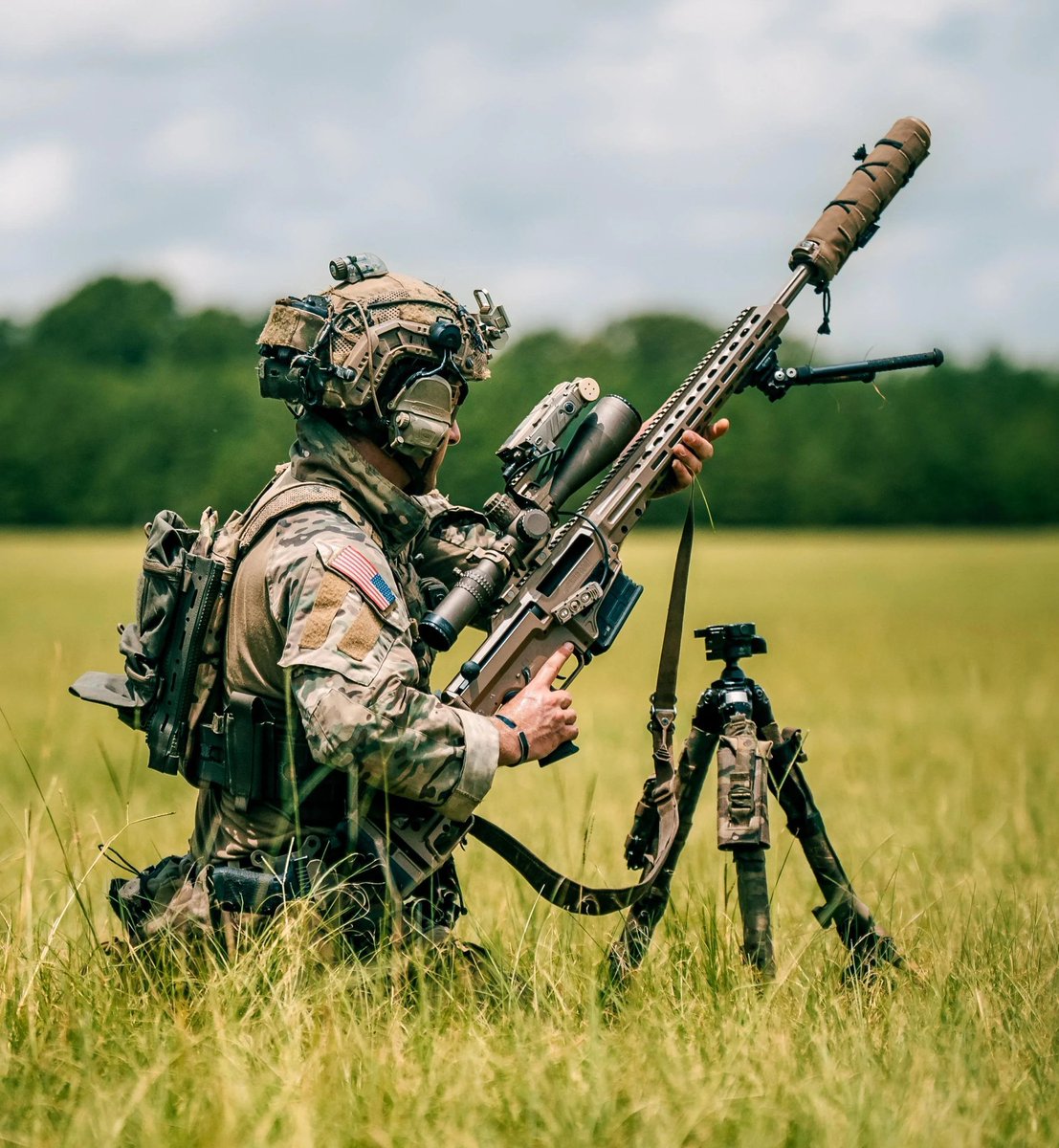
Let's talk about the 160th SOAR MH-47. The helicopter that looks like "two palm trees trying to hump a dumpster," according to a few Night Stalker pilots.
Jokes aside, the MH-47 Chinook is the 160th Special Operations Aviation Regiment’s (160th SOAR) heavy-lift workhorse, built so Night Stalker crews can put special operations teams into denied terrain at night and bring them back out.
After the failed 1980 Iran rescue attempt, the Army created what became the 160th and began turning standard Chinooks into special operations aircraft. The first dedicated variant was the MH-47D in the mid-1980s, followed by the MH-47E and the current MH-47G.
Performance is why the regiment still relies on it. Two powerful turboshaft engines give the MH-47G the power to work at high altitude and in hot conditions that beat smaller helicopters. It can haul around 50 troops or a mix of operators and light vehicles, cruise near 120 knots, and push toward 170 knots in a dash. Most people assume it's slow because of its size, when in reality it's one of the fastest military helicopters in the world.
Unrefueled mission radius is nearly 400 miles, but mid-air refueling from MC-130s stretches that almost without limit. On the ground it can also act as a “fat cow,” landing with extra fuel bladders and topping off other aircraft at remote sites. That combination of lift and range has put the MH-47 on some of the 160th’s most important jobs.
In 1988, two Night Stalker Chinooks flew about 490 miles at night across Chad during Operation Mount Hope III and sling-loaded a captured Soviet Mi-25 Hind out of the desert. In October 2001, two MH-47Es lifted Green Beret teams ODA 555 and 595 (the Horse Soldiers) from Uzbekistan over the Hindu Kush into Afghanistan on an 11 hour flight that required three in-flight refuelings.
MH-47s later became the backbone of insertions and extractions in Afghanistan and Iraq, including the 2005 Operation Red Wings rescue attempt in which an MH-47 was shot down. And more recently, they went into Venezuela on the mission to capture Nicolas Maduro in 2026.
When a raid needs a large assault force delivered far, fast, and in the dark, the Night Stalkers still send the Chinook.
"Night Stalkers Don't Quit"
A Sepehran Airlines Boeing 737 returned to Mashhad airport in Iran after suffering a burst tyre and engine damage shortly after takeoff. Iran has difficulties obtaining spare parts and maintenance services amid decades of strict US sanctions.
The Delta Force rescue of Roy Hallums.
On November 1, 2004, gunmen stormed a compound in Baghdad’s Mansour district and seized American contractor Roy Hallums along with several colleagues. Hallums, who worked for a company supplying food to Iraqi forces, vanished into a nightmare that would last 311 days.
For months his family had almost no proof he was alive, until a January 2005 video showed him bound, bearded, and pleading with a rifle at his head. Other hostages were released, but Hallums was not. His captors demanded $12 million. He was shuffled between safe houses, beaten, and eventually sealed in a cramped concrete cell under the floor of a farmhouse south of Baghdad, surviving on air through a narrow tube.
The break came in early September 2005. Intelligence work, detainee interrogations, and the quiet work of analysts and operators finally produced a location. On the morning of September 7, Delta Force operators lifted off in 160th SOAR helicopters and hit a farmhouse in the Triangle of Death, about 15 miles south of the capital.
The kidnappers had already fled. Inside, the team found no obvious basement. Then they discovered a hatch hidden beneath a freezer. They broke through. An operator dropped into the darkness, looked at the bound, disoriented man inside, and asked the only question that mattered: “Are you Roy?” “Yes.” “Jackpot.”
Hallums and an Iraqi hostage were pulled from the hole. A Delta operator pressed a small American flag patch into Hallums’ hand, and after more than ten months underground, he was free.
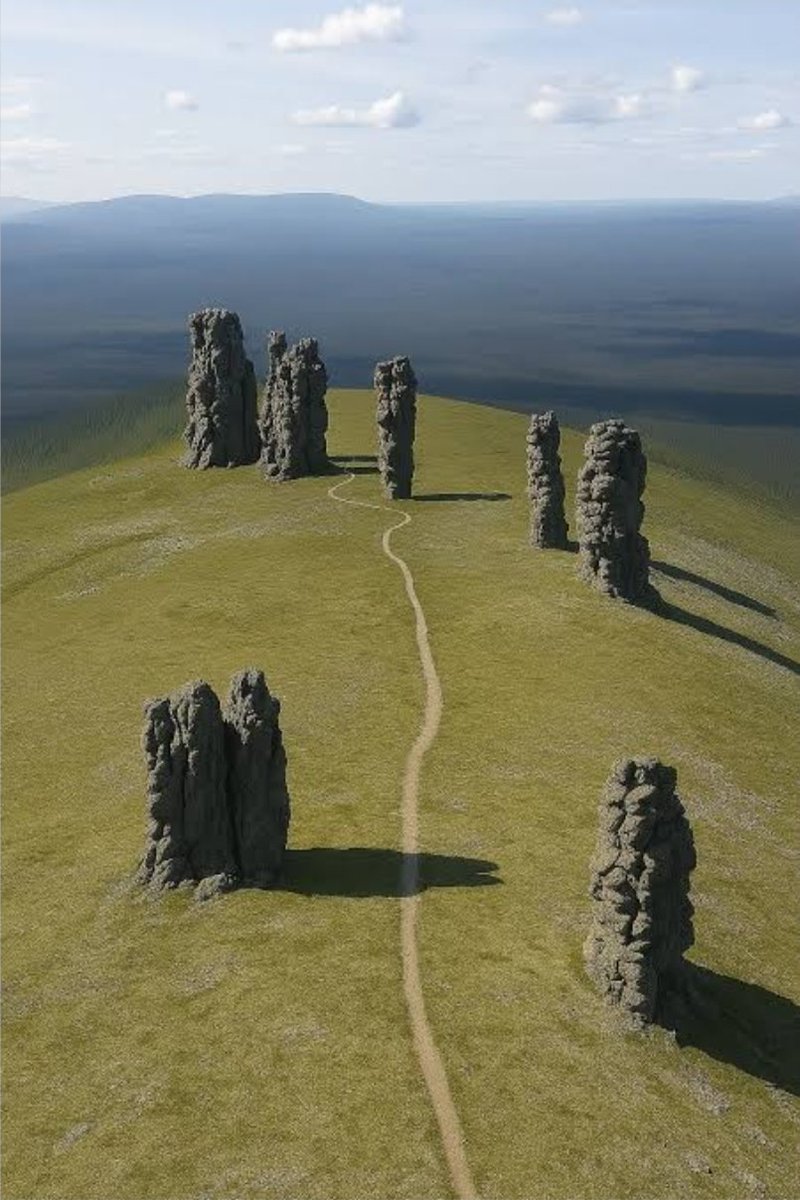
The "Seven Giants", Russia.
The Manpupuner rock formations, a breathtaking set of seven towering stone pillars located west of the Ural Mountains in the remote Komi Republic. Also known as the Seven Strong Men or the Poles of the Komi Republic, these monoliths stand between 98 to 138 feet tall and are officially recognized as one of the Seven Wonders of Russia.