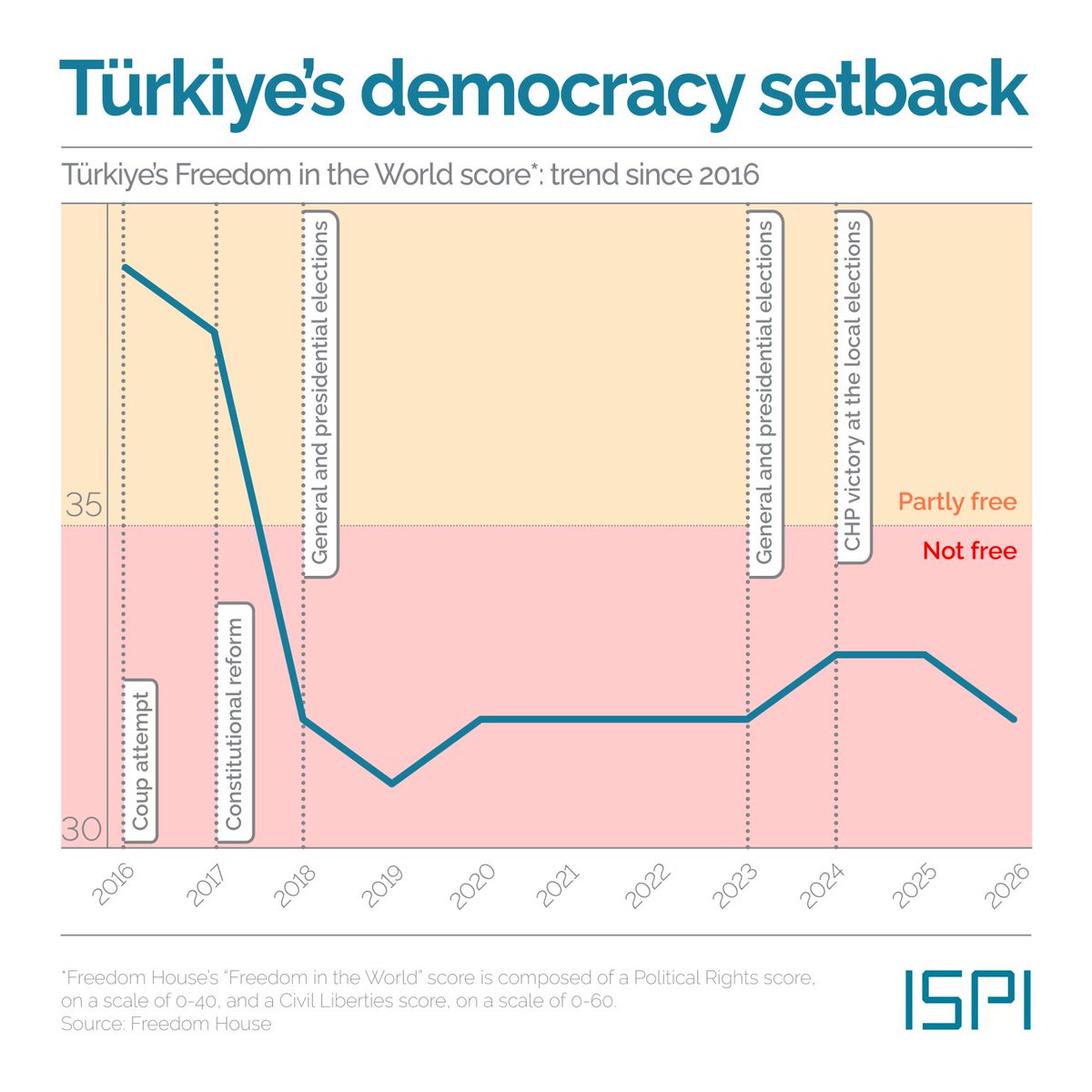
As pressure mounts on #Türkiye’s opposition, the #CHP leadership crisis raises fresh concerns over the state of Turkish democracy. Can the party remain united ahead of 2028, or will deeper fragmentation strengthen #Erdoğan’s grip on power?
#MEDThisWeek → https://t.co/TR5JAlrQLv
The Guardian's editorial on recent developments in Turkey.
"Mr Erdoğan has presented himself as the solution to problems he created...Democracy does not disappear overnight; it is chipped away over months, years and decades."
https://t.co/ZtFkCnqZjp?
Caught between Washington and Tehran, #Iraq’s new government faces mounting pressure over the future of the #PMF. Can PM Ali al-Zaidi secure state control of arms, or will Iraq be pulled deeper into the regional power struggle?
#MEDThisWeek → https://t.co/Jf51ga4lLg
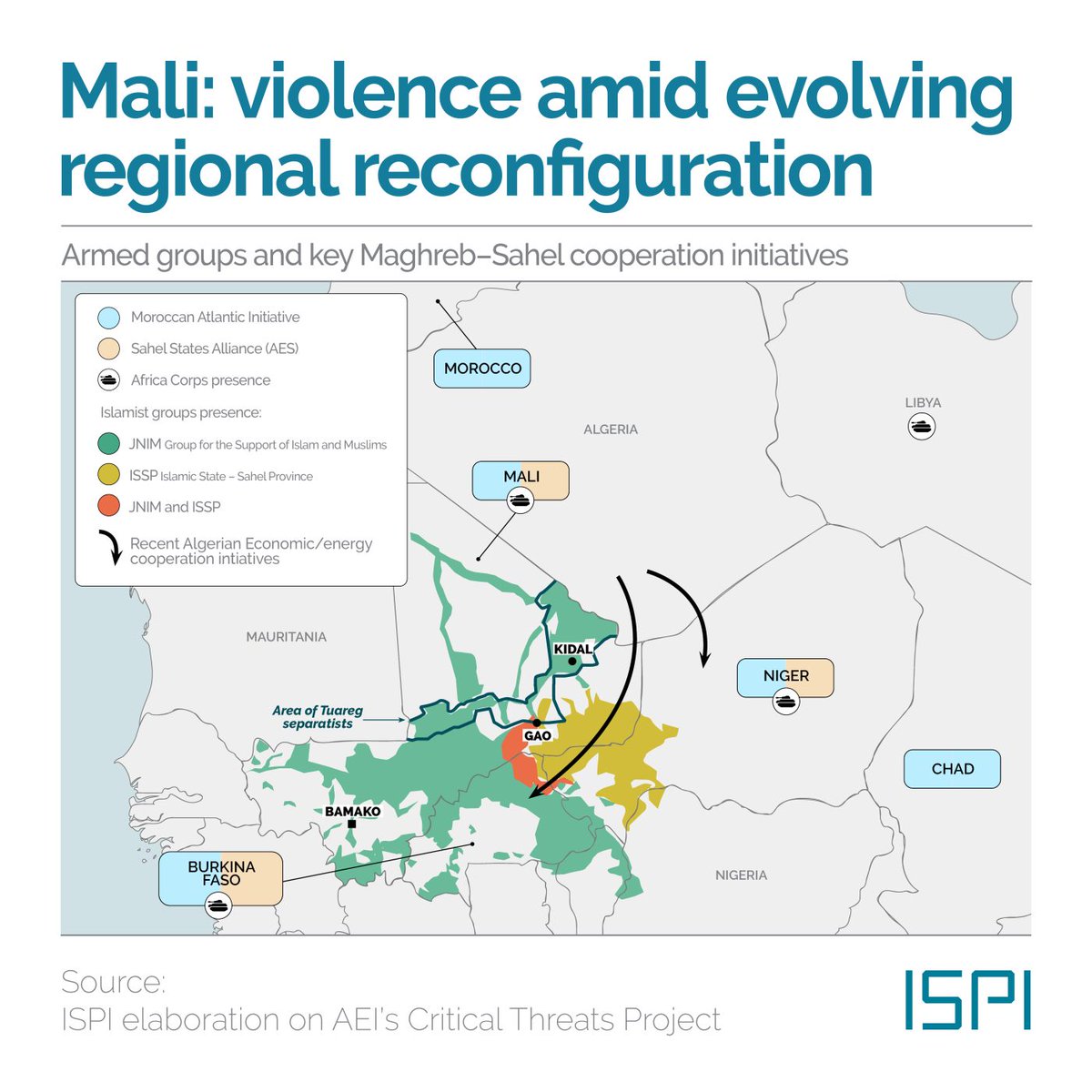
As violence in #Mali keeps escalating, increasing instability reverberates across the #Sahel and up to the #Maghreb. What are the consequences for the regional order and the actors involved?
#MEDThisWeek → https://t.co/AiBSnWQL5h
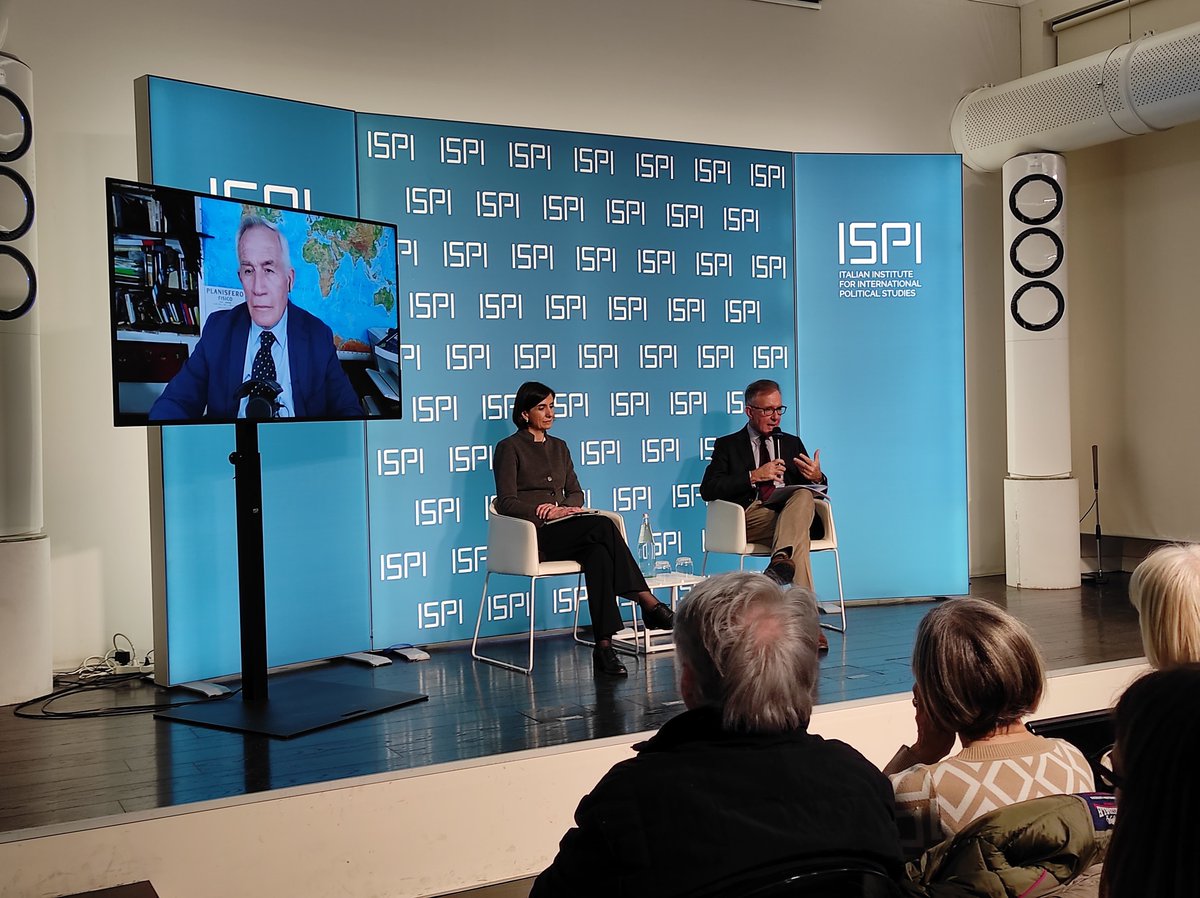
Today in Milan, MED Dialogues and @DohaForum, in partnership with @ispionline and @CIPResearch, hosted a high-level conversation on the future of relations between the European Union and the Gulf Cooperation Council.
The event featured @majedalansari, Advisor to the Prime Minister and Official Spokesperson for the Ministry of Foreign Affairs of Qatar, as well as President of CIPR, alongside @luigidimaio, EU Special Representative for the Gulf Region, and was moderated by Maria Cuffaro, journalist at RAI, and Paolo Magri, President of the ISPI Advisory Board.
Set against a backdrop of renewed instability across the wider Middle East, the discussion examined the political, strategic, and diplomatic challenges facing both the GCC and the EU, while exploring avenues for stronger cooperation between the two blocs.
We would like to thank the speakers for contributing to a rich and forward-looking exchange at a particularly consequential moment for the region and for EU-GCC relations.
As geopolitical tensions continue to reshape the international landscape, dialogue between Europe and the Gulf has become more urgent than ever.
On May 7, 2026, MED Dialogues and @DohaForum will host a high-level conversation in Milan (Via Clerici 5, 6:30 PM) on the future of relations between the European Union and the Gulf Cooperation Council.
The event - organized by @ispionline and @CIPResearch - will feature Majed Al Ansari (@majedalansari), Advisor to the Prime Minister and Official Spokesperson for the Ministry of Foreign Affairs of Qatar, and Luigi Di Maio (@luigidimaio), EU Special Representative for the Gulf Region, moderated by Maria Cuffaro, journalist at RAI, and Paolo Magri, President of the Advisory Board at ISPI.
Learn more and register now: https://t.co/7zE7TeWnC9
On 25 April, Palestinian citizens in the West Bank and Deir al-Balah went back to the polls for the first time in years. What significance and consequences does this event carry?
#MEDThisWeek → https://t.co/0sQrT4O8hS
Ieri a Palazzo Clerici si è tenuto il sesto appuntamento della serie The World This Week Live dedicato alla crisi in #MedioOriente.
L’incontro ha analizzato le dinamiche tra #Israele, #Libano e #Iran, l’approccio non convenzionale degli #StatiUniti tra escalation e negoziazione, la tenuta del sistema iraniano e le implicazioni economiche delle tensioni nello Stretto di #Hormuz, con particolare attenzione agli effetti sugli equilibri europei e al ruolo della #Cina.
Ringraziamo i relatori – @LucaGiansanti, @paolo_magri, @TalbotValeria, Nadia Urbinati – per le analisi e le prospettive condivise.
È possibile rivedere l’incontro qui: https://t.co/HBLHVAv12j
𝟲𝟬 𝗠𝗶𝗻𝘂𝘁𝗶
➡️USA-Iran: vincitori e perdenti
Con @TalbotValeria e Pejman Abdolmohammadi
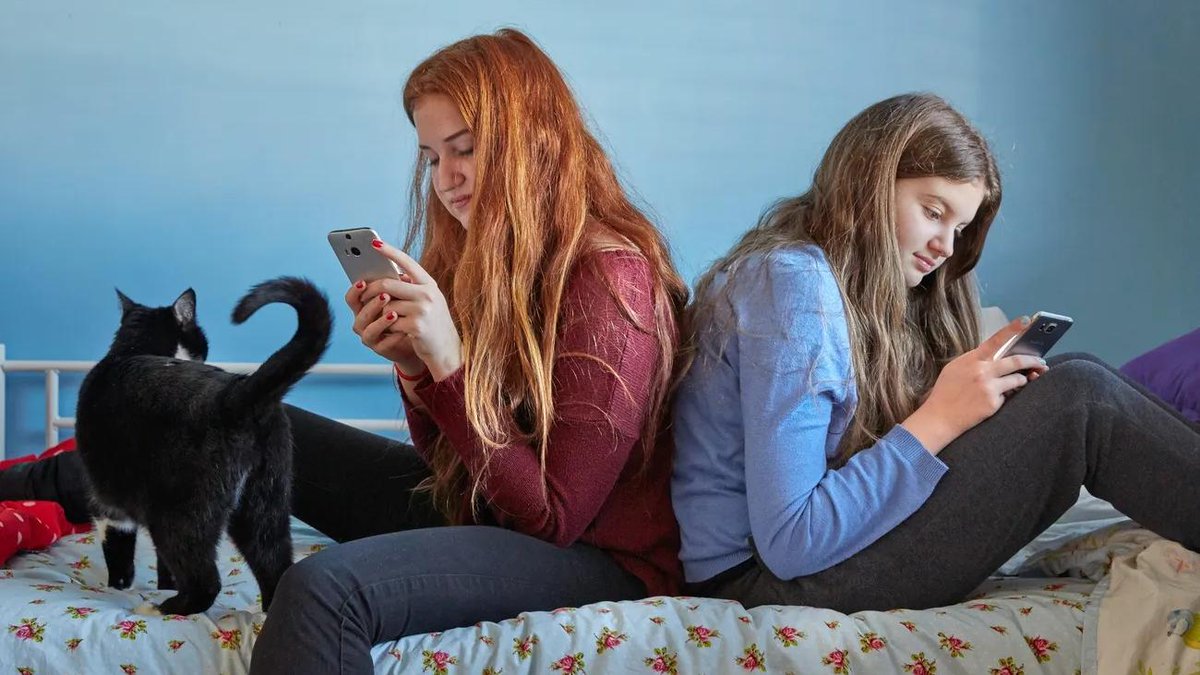
➡️Vietare i social ai minori di 16 anni: soluzione o alibi?
Con Paolo @Attivissimo_me, Claudia De Gasparo, @GiorgioFonio, Ilario Lodi e @veronicabarassi
Stasera, 20:45, LA 2
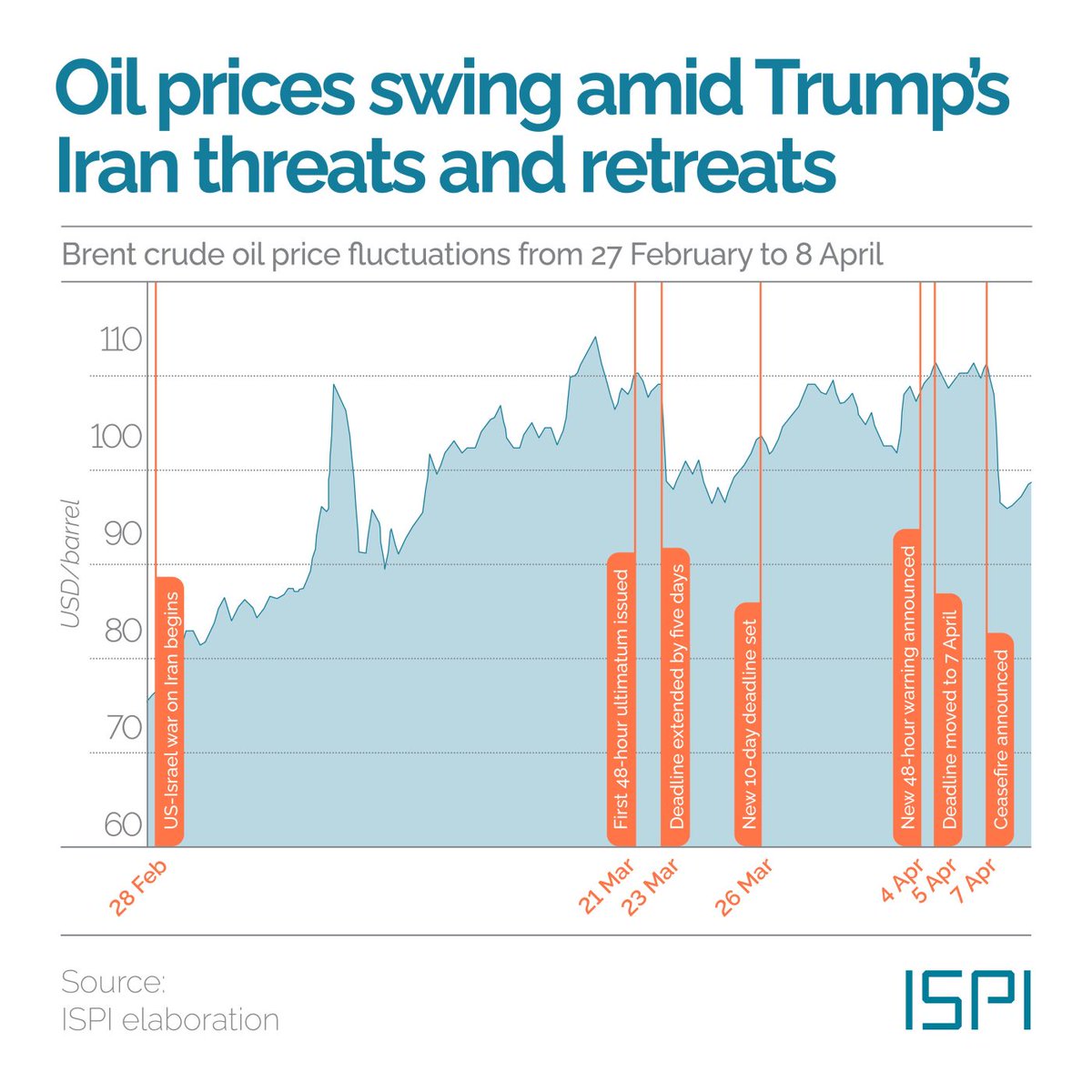
Although raising hopes of halting the escalation, the US-Iran #ceasefire has so far proved largely nominal. Amid shifting dynamics and no credible path to peace, what medium-term scenarios can be drawn after six weeks of war between the #US, #Israel and #Iran?
#MEDThisWeek → https://t.co/patcaW6b2J
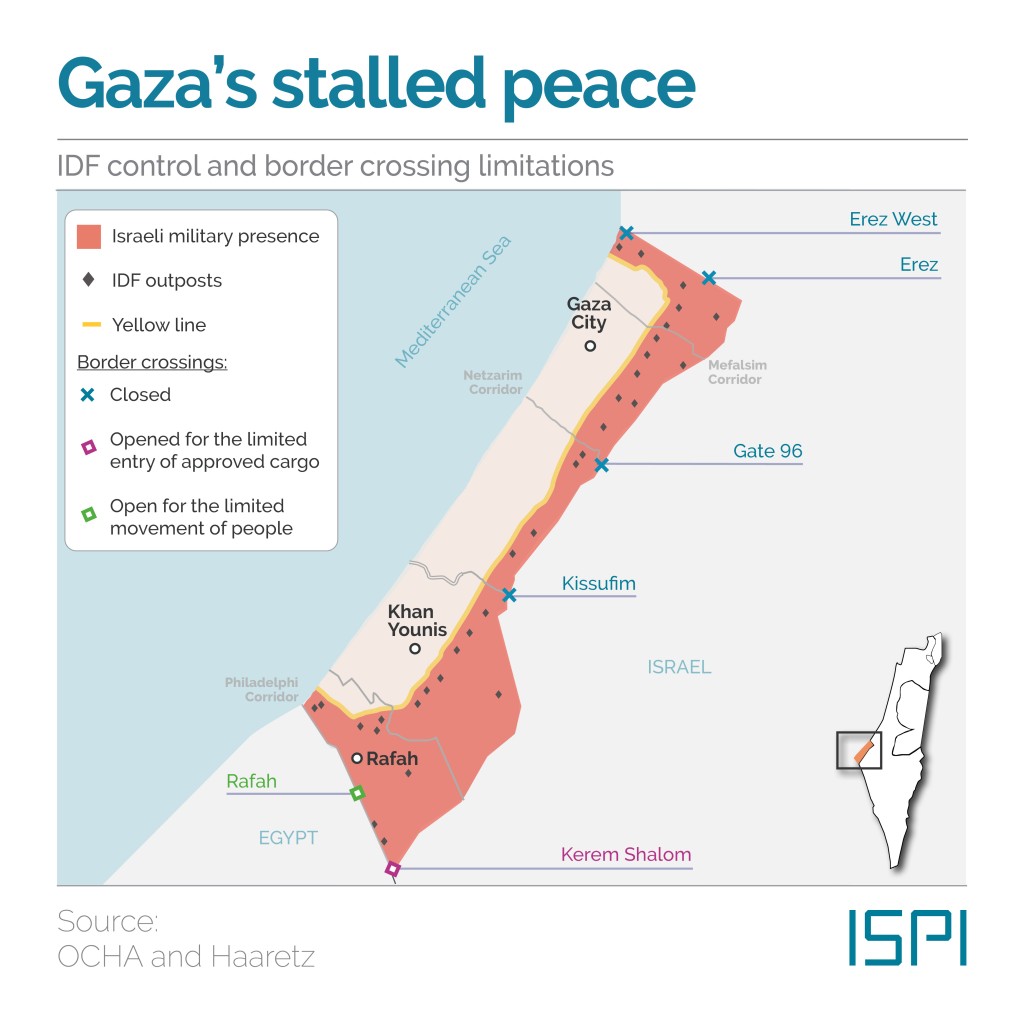
As the #Iran war reshapes regional priorities, #Gaza’s crisis deepens: humanitarian conditions worsen, aid is disrupted, and prospects for reconstruction fade.
#MEDThisWeek → https://t.co/CznnNkXOZ2
Between mixed signals from Washington and Tehran’s intransigence, the risk of further escalation is growing, placing #energy infrastructure at the front line of the conflict. What drives the strategic calculus of the #US, #Israel and #Iran at this stage of the war?
#MEDThisWeek → https://t.co/25g0LJWcin
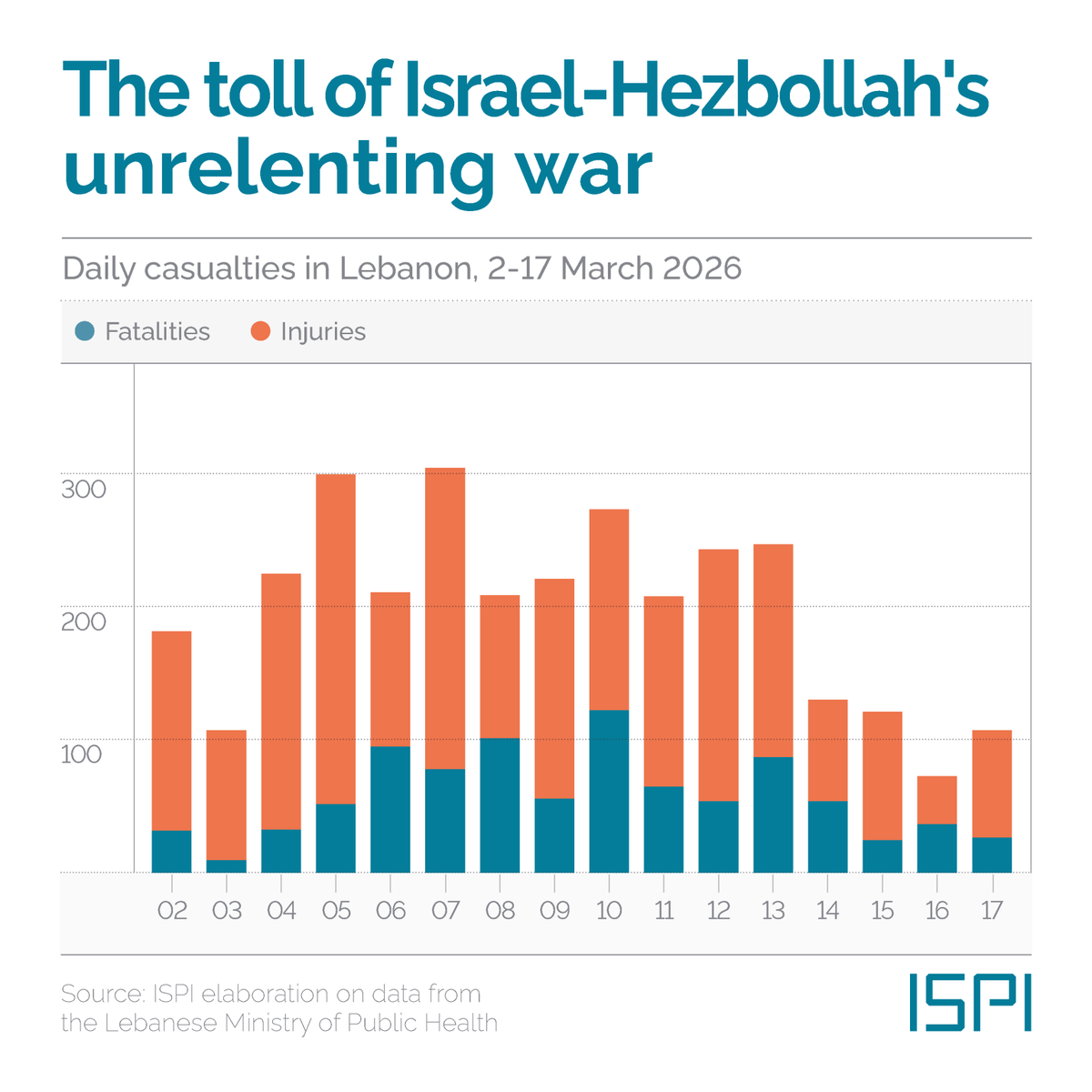
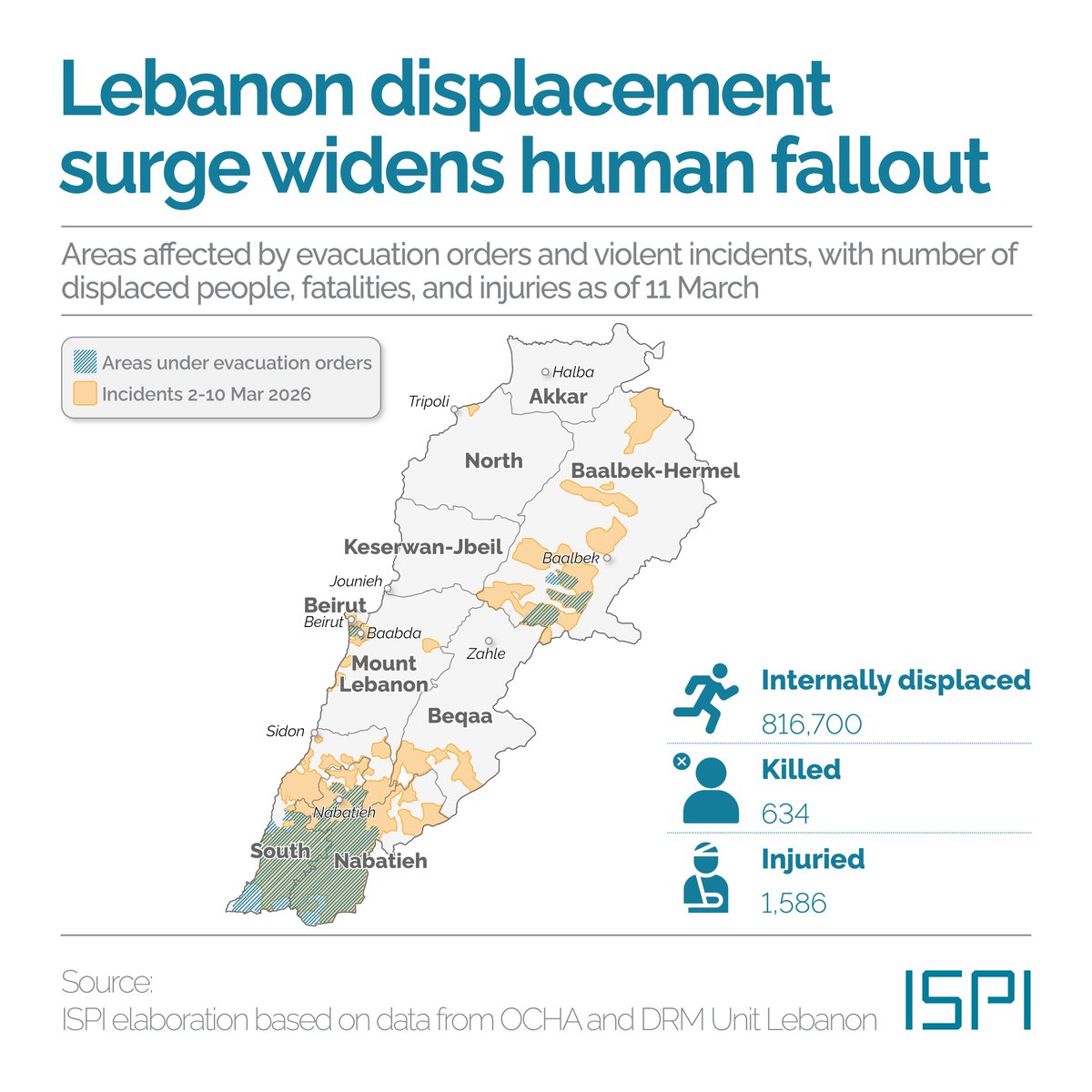
As #Israel expands its ground operations across the border and the prospect of a full-scale invasion looms, #Lebanon's fragile institutions and communities are bearing an increasingly heavy toll. What does the continued escalation mean for the country?
#MEDThisWeek → https://t.co/0i4vAzbNsK
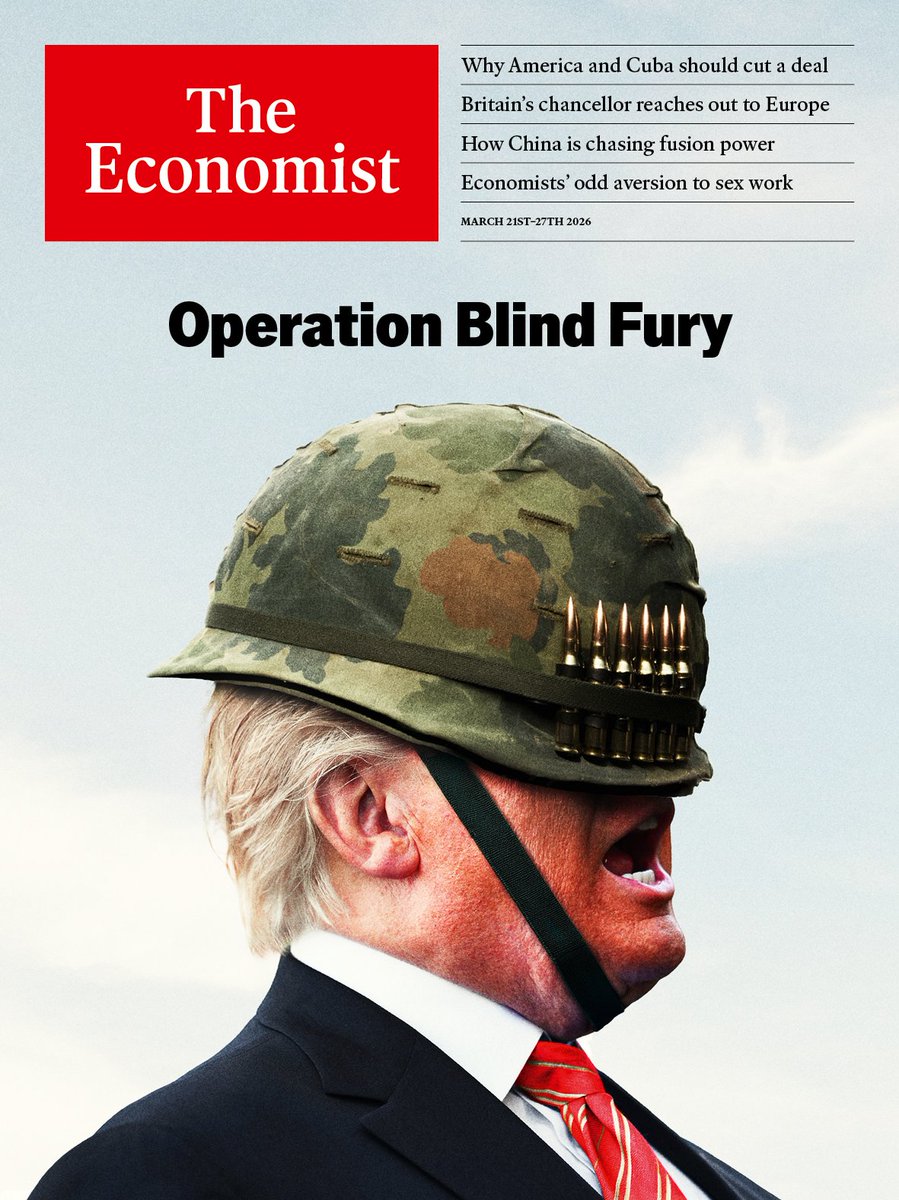
The reckless campaign against Iran will weaken America’s president. That will make him angry. Be warned: he makes a very bad loser https://t.co/UUNQjqewMl
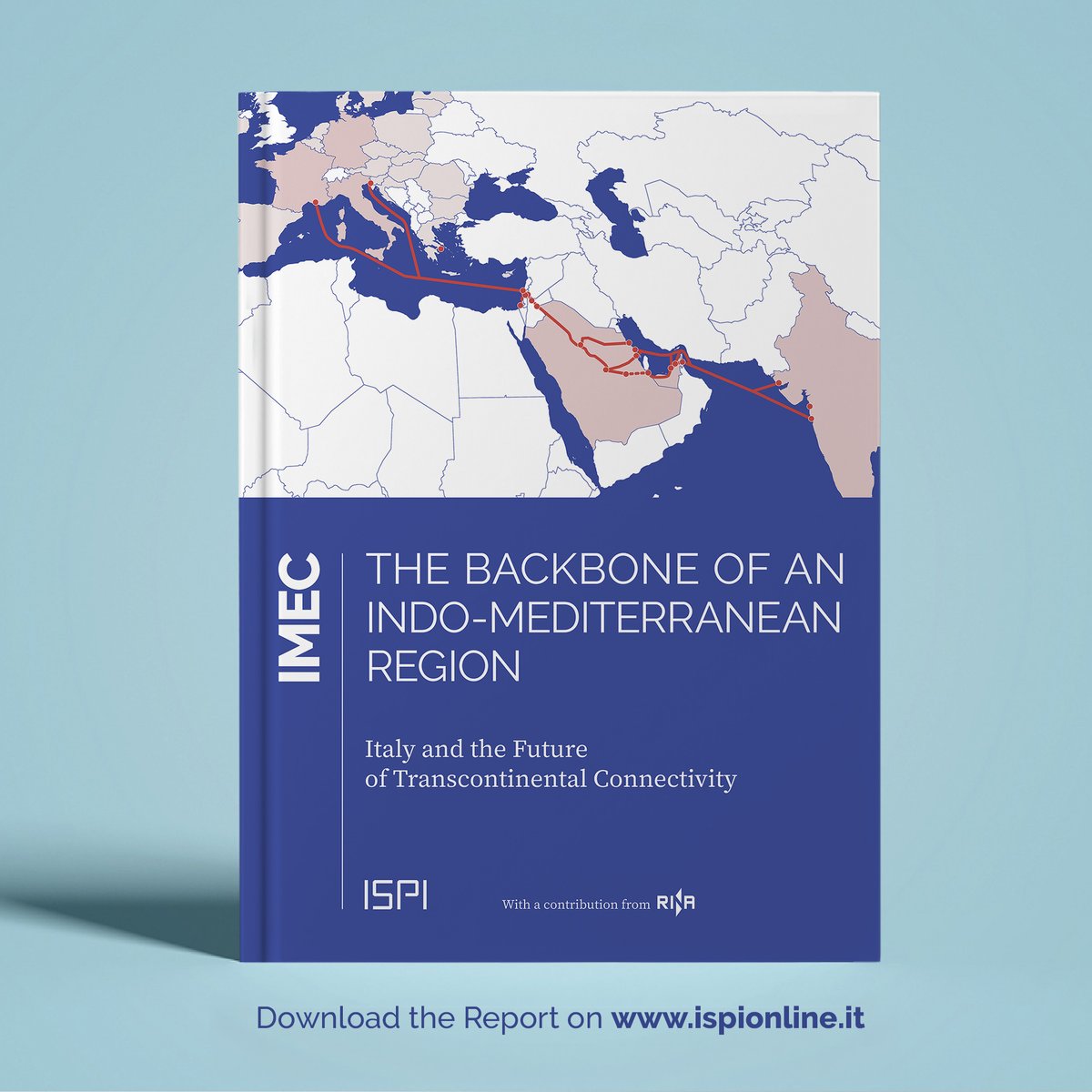
The India-Middle East-Europe Economic Corridor (#IMEC) offers a strategic opportunity to reshape global trade and digital connectivity, positioning #Italy as a key Mediterranean hub.
This new ISPI Report analyses IMEC’s implications across transport, energy, and digital sectors, and assesses Italy’s potential role as a central Mediterranean gateway connecting Indo-Mediterranean flows to European markets.
📖 Download and read the Report, co-edited by Filippo Fasulo (@filippofasulo), Nicola Missaglia (@mardilevante), and Valeria Talbot (@TalbotValeria) → https://t.co/iQcOluKC8k
The Report will be presented today by ISPI at the IMEC Forum, organised by the Italian Ministry of Foreign Affairs and International Cooperation in Trieste.
As the war in the #MiddleEast shows no sign of de-escalation, #civilians continue to pay the highest price.
How are people across the region coping with the realities of #war? And how are states responding to these challenges?
#MEDThisWeek → https://t.co/9VEezQvODY
L’#Iran rischia di essere un pantano?
🗣️Ne parliamo con @gasgas19, insegna Storia bizantina e Storia militare antica presso l'Università di Pavia e @TalbotValeria, responsabile programma Medio Oriente di @ispionline
SEGUI LA DIRETTA▶️https://t.co/zDR0GgyNp0
Ieri a Palazzo Clerici abbiamo discusso dei possibili sviluppi della guerra in #MedioOriente e delle sue conseguenze geopolitiche ed economiche.
Il confronto ha esplorato l’escalation tra #Israele, #StatiUniti e #Iran, le nuove dinamiche della guerra asimmetrica – come l’uso di droni a basso costo – e le ripercussioni della crisi sulle rotte energetiche globali, a partire dallo Stretto di #Hormuz. È emerso come gli shock geopolitici possano generare forte volatilità nel breve periodo, mentre i mercati hanno storicamente mostrato una significativa capacità di adattamento. L’incontro ha infine affrontato anche le ricadute umanitarie della crisi, con particolare attenzione alla situazione in #Libano.
Ringraziamo i relatori – Paolo Capitini, Paolo Magri, Donatella Principe, Davide Tabarelli, @TalbotValeria – per le analisi e le prospettive condivise.
È possibile rivedere l’incontro qui: https://t.co/W5Fsb3Z8H6
L'#Iran vuole massimizzare i costi della guerra nella regione e a livello globale: l'analisi di @TalbotValeria, Senior research fellow e Head of the MENA all'@ispionline