Property, infrastructure, private credit. The minimums are too high, the capital gets locked, and the networks are closed.
Tim Russell, CEO of TangibleX, breaks it down in full. Worth watching. 👇
https://t.co/2gYujTTDmk
Real-world assets are becoming an increasingly important part of long-term portfolio diversification discussions within the SMSF sector.
What’s evolving is how investors can access these opportunities through structured digital infrastructure.
Read more: https://t.co/qOlkzY94gt
SMSF portfolios have traditionally focused on equities, cash and property.
What’s evolving is the growing interest in broader diversification across infrastructure, private credit and other real-world asset opportunities.
Learn more: https://t.co/aiZYXMbJec
SMSFs typically access large-scale real-world asset opportunities through structured vehicles managed by licensed fund managers.
The frameworks remain important. What’s evolving is how investors engage with them.
Learn more: https://t.co/aiZYXMbJec
SMSF portfolios can sometimes become concentrated around familiar assets like equities, cash or residential property.
The key question is not just what is held, but how different exposures work together over time.
Learn more: https://t.co/aiZYXMbJec
Traditional SMSF portfolios have often centred around equities, cash and residential property.
What’s evolving is not the role of these assets, but the range of structured investment opportunities investors can now explore.
Learn more: https://t.co/aiZYXMbJec
Diversification has always played an important role in long-term superannuation strategies.
Many SMSF trustees are now exploring broader exposure across property, infrastructure and other real-world assets.
Learn more: https://t.co/aiZYXMbJec
The SMSF mindset has always been shaped by long-term thinking, portfolio responsibility and active participation in investment decisions.
What’s evolving is how structured investment opportunities are being accessed.
Learn more: https://t.co/aiZYXMbJec
SMSFs have become an increasingly important part of Australia’s investment landscape.
They give trustees greater involvement in how portfolios are structured, diversified and managed within long-term investment frameworks.
Learn more: https://t.co/aiZYXMbJec
Real-world assets aren’t new. What’s changing is the infrastructure around ownership.
The shift isn’t about new assets… it’s about new ways to access and represent them.
Read our blog post: https://t.co/KZO9Tv1ify
Investment markets are evolving. But not everything is changing.
Assets, legal frameworks and fund managers remain the same. What’s changing is how opportunities are presented, accessed and experienced.
Learn more: https://t.co/aiZYXMbJec
Investment ownership isn’t changing, how we access it is.
New digital infrastructure improves how ownership is recorded, managed, and viewed, while existing legal frameworks remain.
Explore more: https://t.co/aiZYXMbJec
Imagine a $20M property. Fractionalisation lets multiple investors own a share instead of one large commitment. It doesn’t change the asset, just how you access it.
Explore more: https://t.co/aiZYXMbJec
Access to real-world assets hasn’t always been straightforward.
1️⃣ High capital requirements.
2️⃣ Complex structures.
3️⃣ Institutional distribution.
The assets were always there. Participation wasn’t.
Learn more: https://t.co/VTTp8BolzX
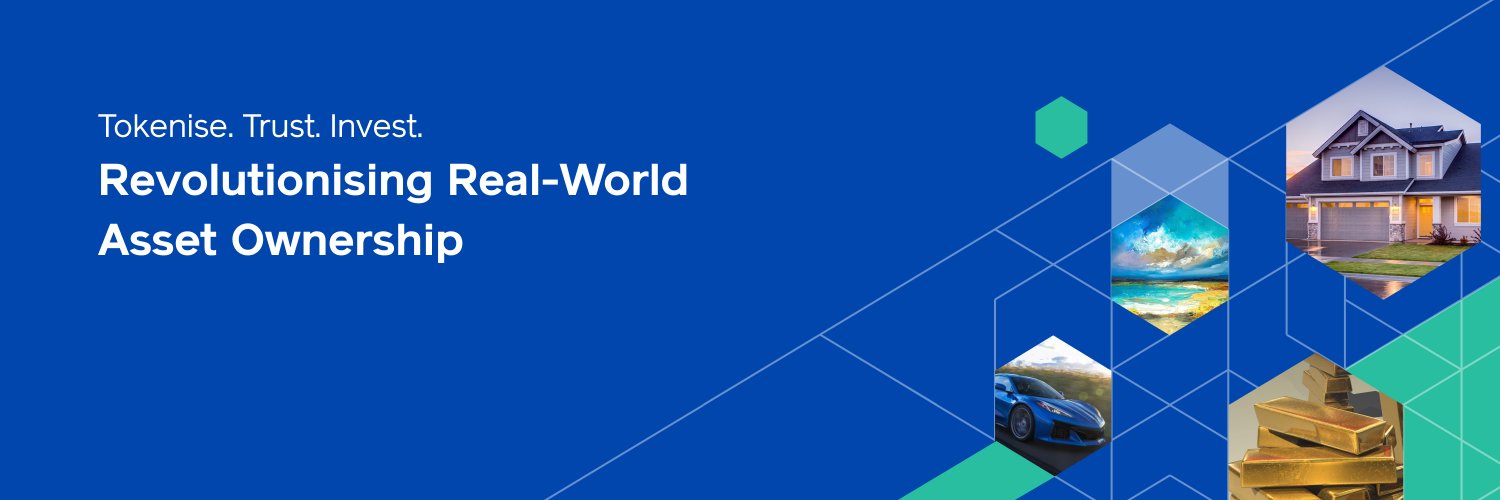
The term “real-world assets” might sound new. It isn’t. These are the same assets that have underpinned global markets for decades.
What’s changing isn’t the assets… it’s how they’re accessed and represented.
Learn more: https://t.co/VTTp8BolzX
Real-world assets have long played a role in institutional portfolios.
They offer exposure to real economic activity, diversification and, in many cases, income potential. The challenge hasn’t been relevance… it’s been access.
Learn more: https://t.co/VTTp8BolzX
Most investors understand shares. But what about real-world assets?
They’re not new. They’ve been the foundation of global markets for decades. What’s changing isn’t the assets… it’s how people access them.
Learn more: https://t.co/VTTp8BolzX
At TangibleX, we’re building a marketplace designed to make fractional property investment simple, transparent and secure through blockchain technology.
And the best part? You can be among the first to access it: https://t.co/TW4vS2DQE7
Good assets rarely disappear.
What changes is how investors access them. Real estate has been part of portfolios for generations. New structures simply change how exposure can be sized and managed over time.
More info: https://t.co/zq2P5lTiEu
David mostly invested in equities and avoided real estate because entry felt too high.
Then he tried a smaller allocation to RWAs linked to property.
The lesson was simple: exposure does not need to be large to matter.
More info: https://t.co/zq2P5lTiEu