“Pakistan won” – not just “Muslims won.”
Milka Tariq explores how language shapes national identity and why recognising Pakistan’s diverse fabric is essential.
🔗 https://t.co/CaO8g6FBPv
#MinoritiesMatter#Diversity#Pakistan
Pakistan’s story isn’t just Muslim—it’s Christian, Hindu, Sikh, and more.
Milka Tariq’s article urges a shift to inclusive language that reflects the nation’s true diversity.
@TariqMilka
🔗Read more: https://t.co/CaO8g6FBPv
#Pakistan#Diversity#FaithInclusion#religious
💧Water is life.
💧Water is food.
❌Water is NOT an infinite resource.
It's time to stop taking water for granted.
Let's take #WaterAction for food and be the change our world needs.
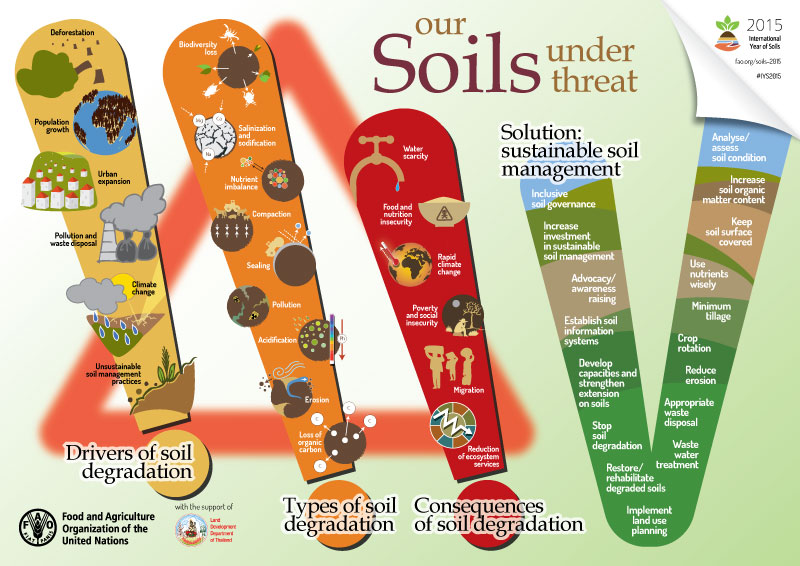
#DidYouKnow that there are many different causes and consequences of soil degradation?
Check out this infographic to learn more about soil degradation and sustainable #soil management. 👇
Via @FAO
🧄🥔🌰🧅
White & brown-coloured fruits & vegetables contain phytochemicals with antiviral & antibacterial properties as well as potassium that makes our cells function normally.
#HealthyDiets
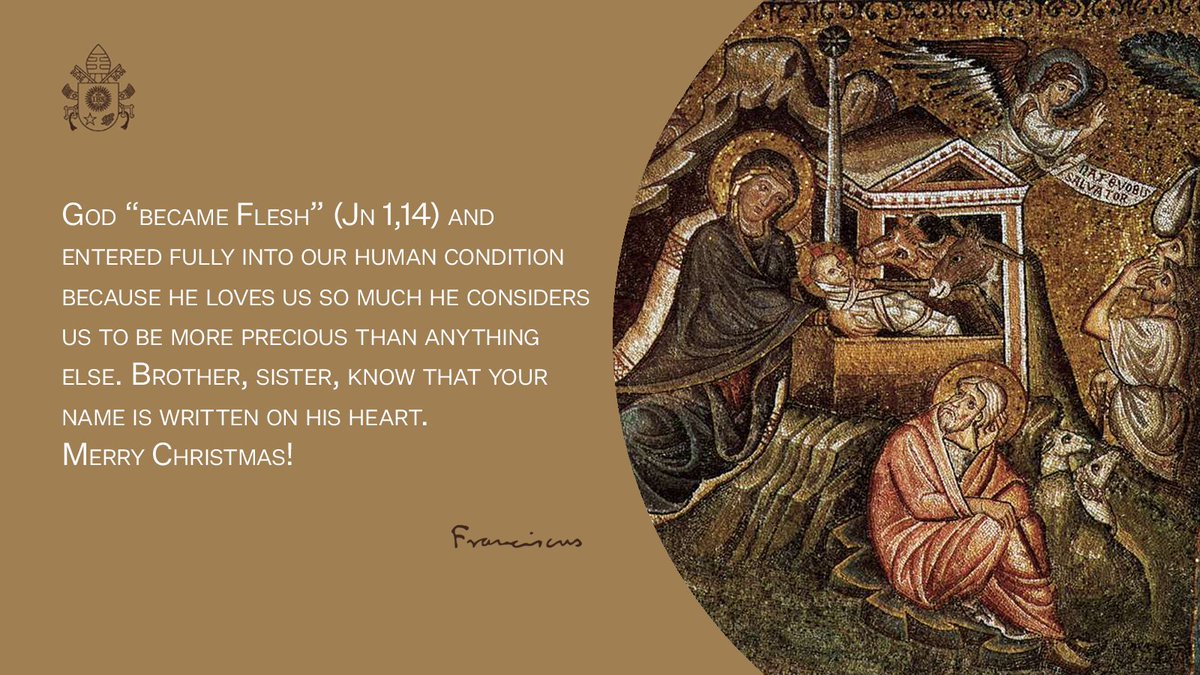
At #Christmas, God reveals Himself as the One who humbles Himself, descending to earth small and poor. Therefore, in order to be like Him, we must humble ourselves, serve others, and become small with the little ones and poor with those in need.
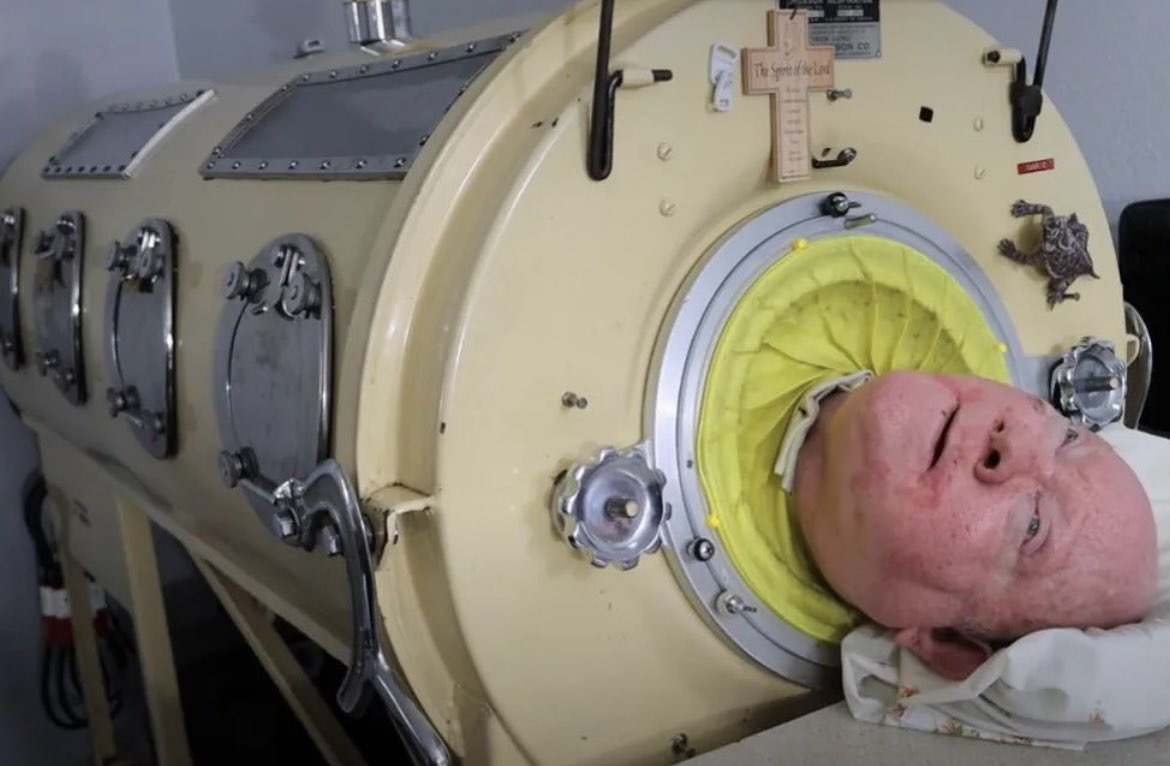
Paul Alexander is one of the last people living in an iron lung after he contracted polio in 1952 at the age of six. He has been using the iron lung for over 70 years and has become an advocate for polio awareness and the importance of vaccines.
The iron lung, also known as a negative pressure ventilator, is a large horizontal cylinder designed to stimulate breathing in patients who have lost control of their respiratory muscles. The patient's head is exposed outside the cylinder, while the body is sealed inside. Air pressure inside the cylinder is cycled to facilitate inhalation and exhalation.
In the mid-20th century, iron lungs were widely used to treat patients with polio, a highly contagious viral disease that can cause paralysis and respiratory failure. However, with the development of the polio vaccine in the 1950s and 1960s, the incidence of polio decreased dramatically, and the use of iron lungs became less common.
Today, there are only a handful of people in the world who still rely on iron lungs for their survival. Paul Alexander is one of them, and his story serves as a powerful reminder of the importance of vaccination and the impact that polio has had on the lives of many people.
Tonight, our hearts are in Bethlehem, where the Prince of Peace is once more rejected by the futile logic of war, by the clash of arms that even today prevents him from finding room in the world. #Christmas
🌳🏡 Over 50% of the 🌍's population lives in urban areas.
🌲🌳Trees & urban forests can make our cities cooler, greener & happier places to live.
They also filter fine particulates from the air, which helps urban communities to stay healthy!
#GreenCities
By 2050 the urban population is expected to rise to 68% mainly in low-income countries.
We need to rethink our cities to reshape our future, starting from the way we grow & consume our food.
#GreenCities
We often talk of Christmas as a time of hope fulfilled. In the birth of Christ, as the famous carol goes, ‘the hope and fears of all the years are met in thee tonight.’
But Advent is the time before that hope is fulfilled – the time when our hopes have not yet been answered, and yet we are challenged to continue hoping.
During the talks on Northern Ireland at the time of the Troubles, a British Minister involved was asked, ‘Minister, are you optimistic?’
‘No,’ he replied, ‘but I am hopeful.’
Vaclav Havel, the former President of then Czechoslovakia, said, ‘Hope is definitely not the same thing as optimism. It is not the conviction that something will turn out well but the certainty that something makes sense, regardless of how it turns out.’
Hope is the quiet certainty that, in Christ, all things will, one day, be made right, even if we don’t know how yet.
Optimism depends on ourselves. It looks inwards. It believes that we can fix things. But when things don’t turn out exactly how we want, it can lead to despair.
Hope looks to God alone. In him, all our hopes will be fulfilled.