Happy Independence Day to Poland! 🇵🇱
Taste Poland: https://t.co/VgKfrWbrwy
Celebrated every year on November 11 to commemorate the restoration of Poland's sovereignty in 1918, today is the perfect occasion to look at the country's rich culinary heritage.
Built on wild forest mushrooms, tangy fermented rye and cabbage, smoked mountain cheeses, and some of the world's most beloved dumplings, Polish food is all about deep, comforting flavors.
To mark the occasion, here are some of the essential Polish foods you need to try!
Jagodzianka
📍 Warsaw, Poland 🇵🇱
Taste Poland: https://t.co/ez16aVJJgk
A good jagodzianka leaves little doubt about what is inside: cut through the soft yeast dough and it is packed with dark, juicy jagody. These small wild bilberries have a sharper, more intense flavor than the larger cultivated blueberries and stain almost everything they touch.
In Polish bakeries, the fruit is wrapped in dough and baked until its juices soak into the crumb. Piekarnia Kromka’s version adds a generous layer of kruszonka, the buttery flour-and-sugar crumble that gives each bite a little crunch.
Credits: @piekarnia_kromka on Instagram
Karın Dolması
📍Adana, Turkiye 🇹🇷
Taste Turkiye: https://t.co/3YYxoXgxF4
In Adana, Diyarbakır, and Mardin, offal isn’t wasted—it’s the foundation of a centuries-old late-night dining culture. Karın Dolması (also called İşkembe Dolması or Kibe) was born in southeastern Anatolian homes as a way to stretch small amounts of meat into a filling meal using every part of the sheep. Over time, this home-cooked winter staple moved onto the streets. Today, specialized shops and night carts start serving it only after 9 PM, when locals gather until dawn to eat it piping hot after a night out.
Cooks stuff cleaned honeycomb lamb tripe with raw rice, minced lamb, pepper paste, and dried mint, sew the pockets shut by hand, and simmer them for hours alongside şırdan and mumbar. Before serving, the thread is pulled, the tripe is cut open, drenched in hot red fat from the pot, and dusted with cumin and chili flakes.
Video: @endermutfakta
50 Best Stews in the World 🍲
See the full ranking at https://t.co/qvnEiszk8S
Stew is practical cooking at its best: tougher cuts, everyday ingredients and enough time to make them tender.
The method is simple, but every kitchen builds it differently, using fermented corn beer and cilantro in northern Peru, coconut milk and curry pastes in Southeast Asia, smoky eggplant in Türkiye or butter and tomato in India.
Taking first place is seco de cabrito, a northern Peruvian stew of young goat marinated in chicha de jora and slowly cooked in a cilantro-rich sauce. It is commonly served with rice, beans and cassava: the kind of plate designed to feed you properly.
Happy Independence Day 🇰🇭
Taste Cambodia: https://t.co/BLXxfmEE1O
While the world knows this Southeast Asian gem for the ancient temples of Angkor, the true beating heart of the country is found on its bustling streets.
From the crack of dawn until late at night, Cambodian streets transform into vibrant open-air kitchens. Over glowing charcoal braziers, sizzling woks, and woven baskets balanced on bamboo shoulder poles, street vendors keep centuries-old Khmer culinary traditions alive. It’s a world of smoky grilled meats, fragrant lemongrass, fresh tropical fruit, and steaming bowls of noodles served on tiny plastic stools.
Armed with charcoal grills and woks, these vendors are the true guardians of Khmer flavor.
Photos: @vandemong
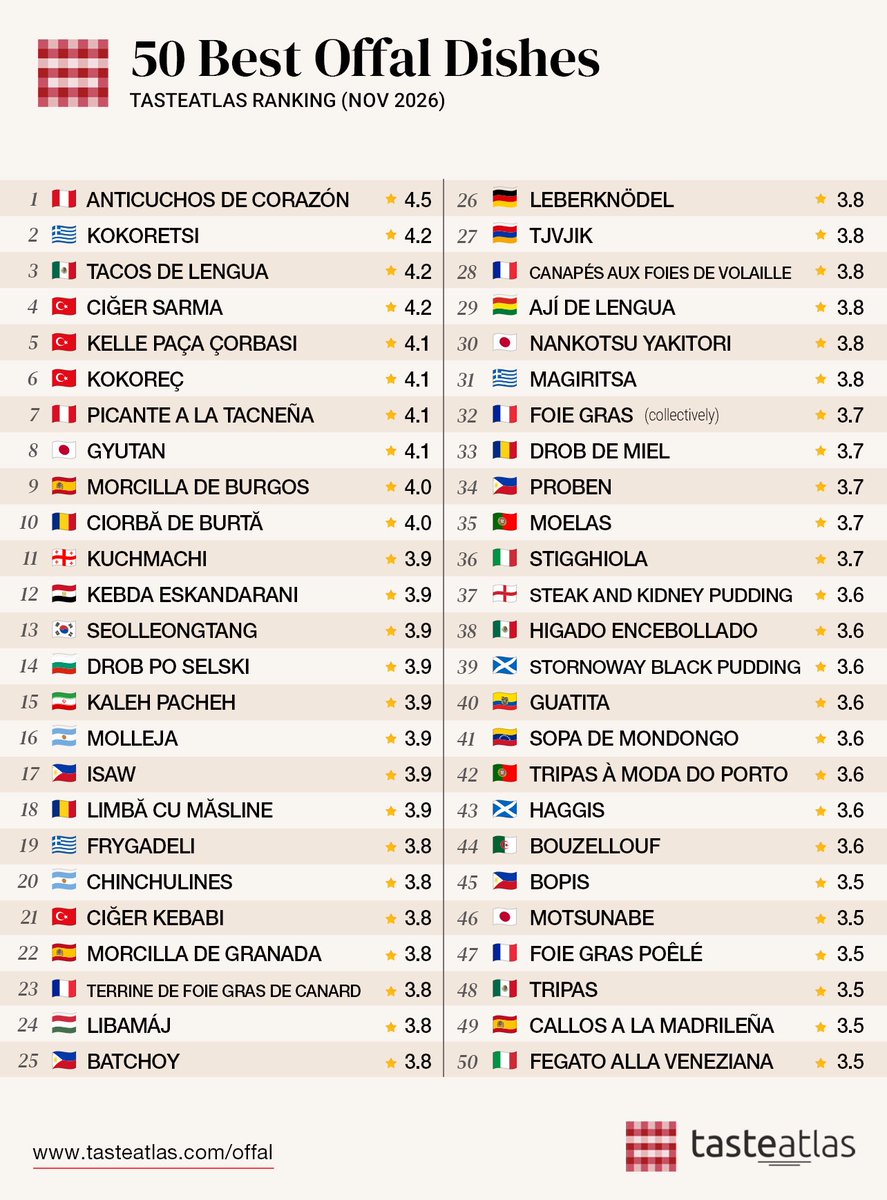
50 Best Offal Dishes: https://t.co/IMwDKiwunR
Good cooking has never depended on expensive cuts. Heart, tongue, tripe, liver, and blood demand patience, proper seasoning, and a cook who knows exactly what to do with them.
Across the world, they became skewers, sausages, soups, and stews that survived long after necessity first put them on the table.
Alwar Ka Mawa (Indian Milk Cake) by @khatrisweetsraipur
📍Raipur, India 🇮🇳
Taste India: https://t.co/dHy95aujjN
As decorative gift boxes of homemade sweets (mithai) are exchanged across India and the global diaspora for Diwali—the five-day Hindu, Jain, and Sikh Festival of Lights—one of the most prized confections tucked inside is milk cake, known in its birthplace of Alwar, Rajasthan, as Alwar ka mawa.
Despite its name, this festive treat contains no flour or batter; instead, full-fat milk is slow-simmered in a heavy iron kadai for hours and lightly curdled with a pinch of alum or lemon juice to create a fine, delicate grain before being cooked down with sugar, ghee, and fragrant green cardamom.
The boiling-hot mixture is then packed into deep molds, covered, and wrapped in thick cloths to trap the heat so the center continues to slow-cook and caramelize over several hours. Once cooled and sliced into rectangular bars garnished with pistachios and almonds, it reveals its signature two-toned cross-section—pale and milky around the edges with a rich, dark-brown caramelized core.
Have you ever tried Indian milk cake, and what is your favorite Diwali sweet?
Sidra Asturiana 🍏 with @TurismoAsturias
In Asturias, cider begins with local apples, pressed and fermented into a dry, lightly sparkling drink known as sidra natural.
Production remains closely tied to small cider houses, where blends of sweet, sharp, and bitter apples shape the final character.
The cider is usually poured from height in the distinctive escanciado style, aerating a small serving just before it is drunk. More than a beverage, sidra is part of everyday Asturian food culture, especially in sidrerías, where it is shared alongside cheese, seafood, and hearty regional dishes.
Credits: @turismoasturias, @pablo_laviana, Idole Muadaepi (TikTok), Kar La Kos (TikTok), @sidravdadepalacio, @pedrohacessordo
Music: Asturias (Legend) by Isaac Albéniz.
Mushrooms of the World 🍄🟫
https://t.co/r40Rml5GYg
For some mushrooms, you go to the market. For others, you wait for the right rain and head into the woods.
They can be dried to give a broth depth, fried until crisp, or cooked simply enough to let their own flavor come through.
There’s a lot more to mushrooms than the ones in the supermarket
Sarma
🇹🇷🇧🇦🇭🇷🇷🇸🇧🇬🇷🇴🇲🇰🇽🇰🇲🇩
⭐️ 4.2
Learn more: https://t.co/toOAR8ysyQ
An iconic cold-weather and holiday staple across the Balkans, Central Europe, and the former Ottoman lands, sarma consists of a seasoned filling of minced pork, beef, or lamb mixed with rice, onions, and garlic, tightly rolled inside tangy fermented cabbage leaves (sauerkraut) or brined vine leaves. Arranged tightly in a heavy pot alongside smoked meats like bacon, ribs, or sausage and slow-simmered for hours in a broth enriched with sweet paprika and roux (zaprška), the rolls emerge tender, smoky, and famously even more flavorful when reheated over the following days.
Video: @ivo_zinee
A cabbage leaf looks humble until someone decides to fill it. Across continents, it has wrapped meat, rice, grains, legumes, and whatever a household could spare, then simmered until leaf and filling become one. The recipes differ, but the idea remains the same: stretch modest ingredients, feed a crowded table, and make something that often tastes even better the next day.
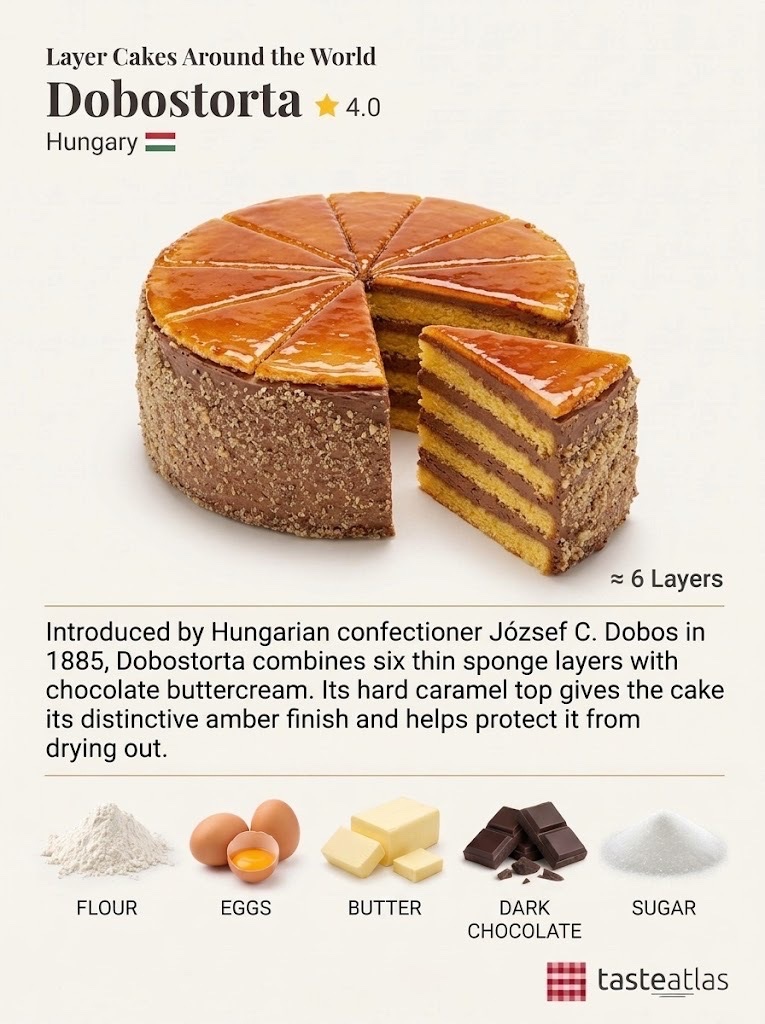
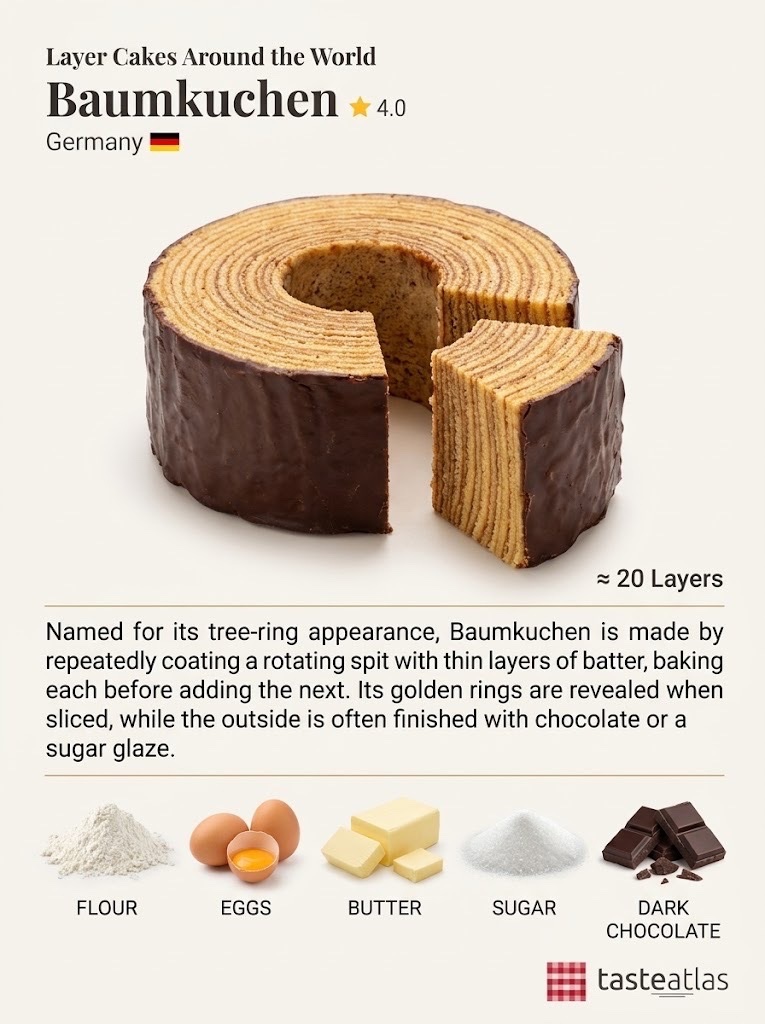
Layer Cakes Around the World:
🔗 https://t.co/9xHmD497im
Some cakes rise. Others are built, one painstaking layer at a time. Each stripe records another round of rolling, baking, spreading, or waiting—work that disappears quickly once the knife comes out. Whether made with honey, chocolate, custard, dulce de leche, or spiced fruit, these cakes turn patience into something you can count.
Sponge Candy 🇺🇸 Cinder Toffee 🇬🇧 Sponge Toffee 🇨🇦 Hokey Pokey 🇳🇿
Video: @watsonschocolates
As bonfires are lit and fireworks fill the skies across Great Britain tonight for Bonfire Night (November 5th)—commemorating the failed Gunpowder Plot of 1605, when Guy Fawkes attempted to blow up the Houses of Parliament—people traditionally snack on a confection born from a small kitchen explosion of its own.
When baking soda is whisked into a boiling syrup of sugar, molasses, or corn syrup, a rapid release of carbon dioxide causes the mixture to foam wildly and rise into a massive, airy dome. Once poured into a tall metal ring and cooled, this fragile sugar foam sets into a porous, crunchy honeycomb structure that melts instantly on the tongue.
Brits call this treat cinder toffee because its golden-brown, aerated interior looks just like the cooled embers and ashes of a bonfire, New Zealanders know it as hokey pokey, while in Buffalo, New York, it is celebrated as sponge candy—a local icon cut into cubes and drenched in rich chocolate, just like this batch from the city’s famous Watson’s Chocolates.
Have you ever tried this crispy treat, and what is it called in your part of the world?
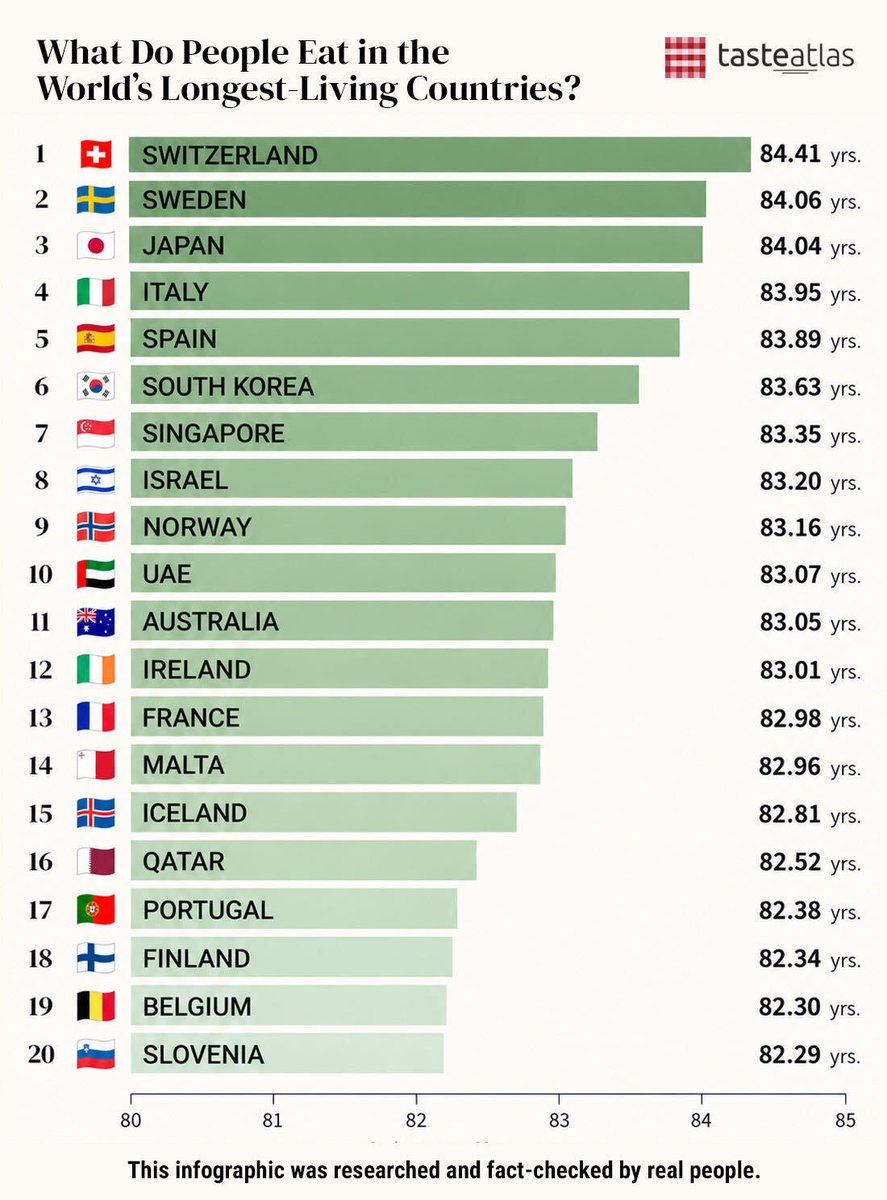
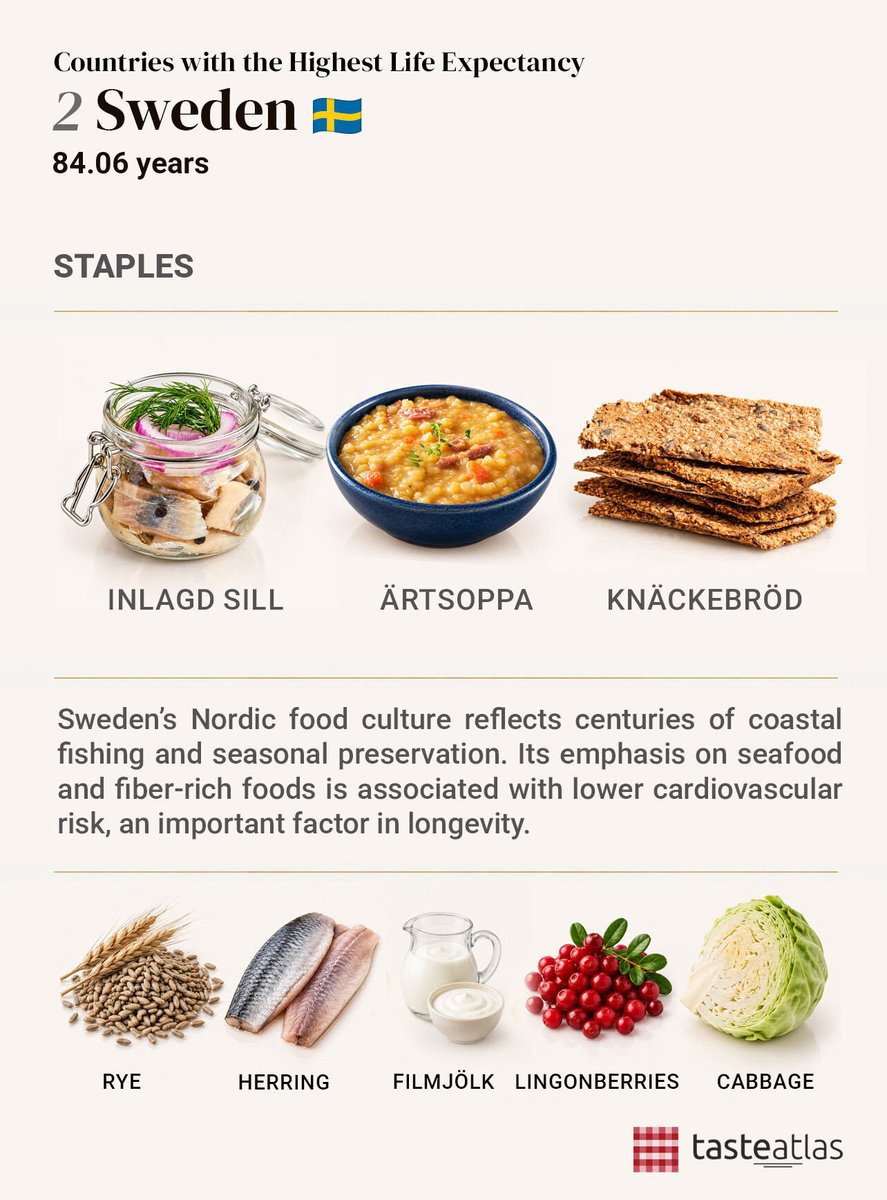
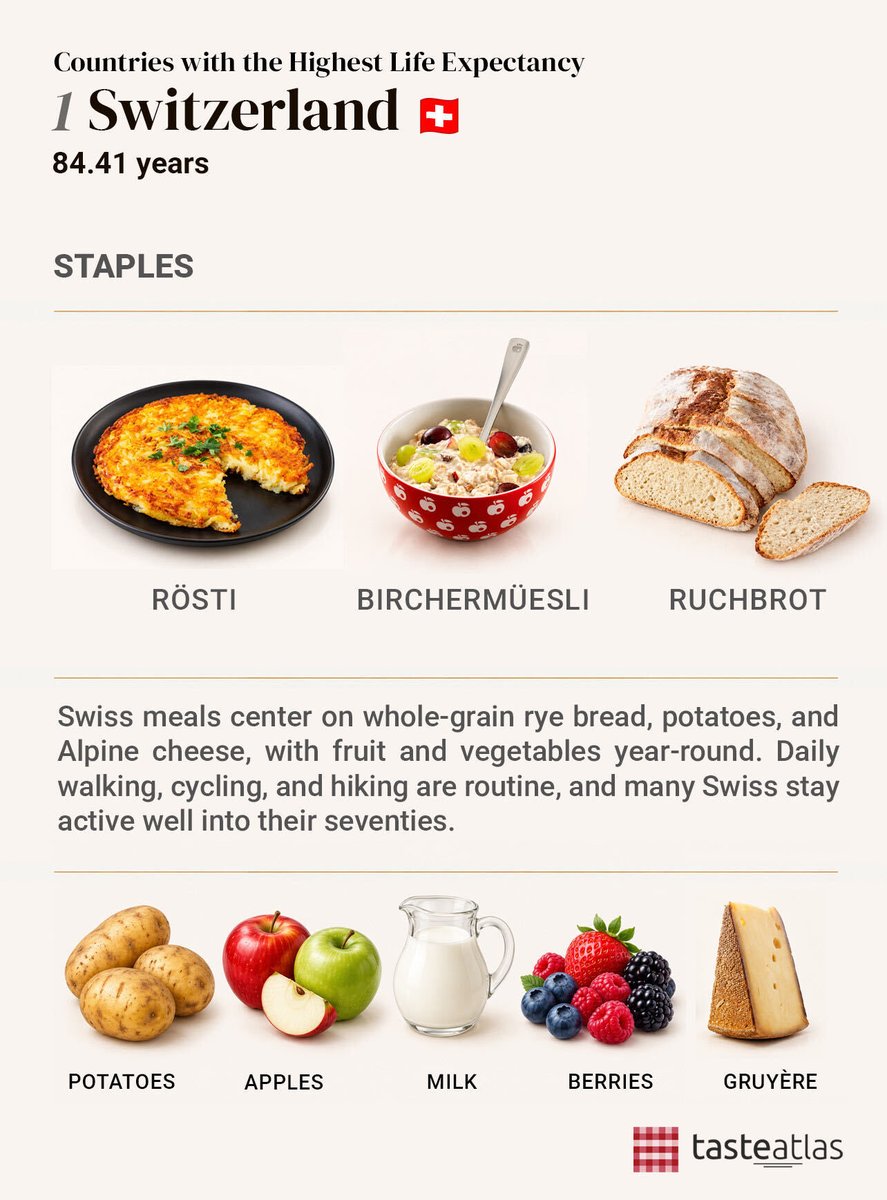
What Do People Eat in the World’s Longest-Living Countries?
There is no single recipe for a long life. The same list includes Alpine cheese and potatoes, Nordic rye and herring, Mediterranean legumes and olive oil, and East Asian rice and fermented foods. Longevity is shaped by far more than dinner, but these countries show how traditional food, regular movement, shared meals, and daily routine can work together over a lifetime.
Which of these everyday diets would suit you best?
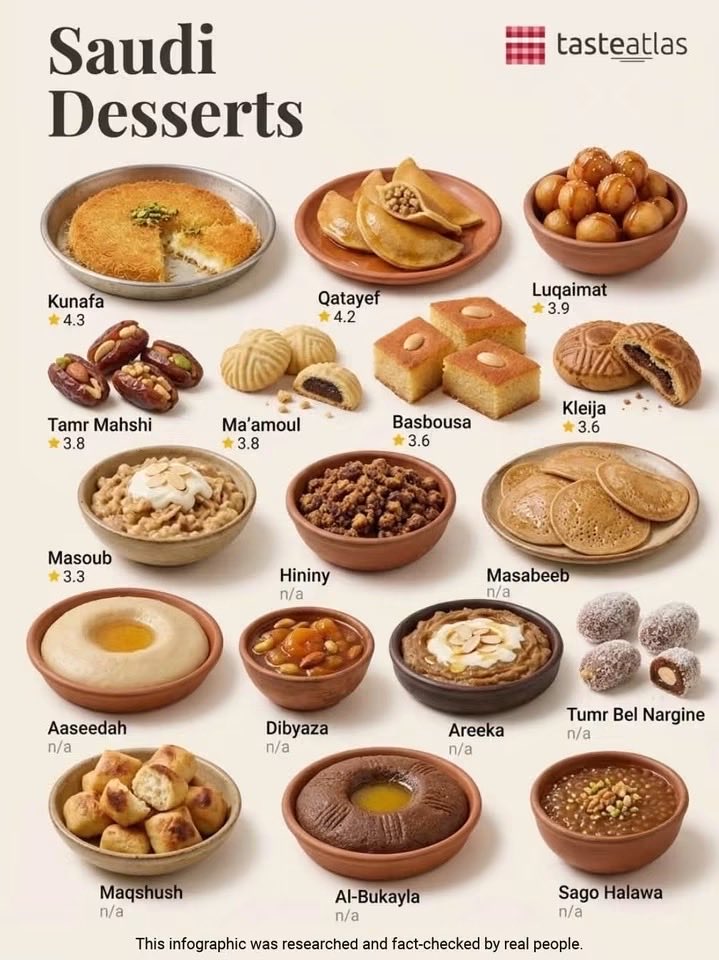
Saudi Desserts 🇸🇦 https://t.co/A53Cp8dHGV
Dessert doesn’t always wait until the end of a meal in Saudi Arabia. Bread, dates, ghee and honey come together in sweet dishes eaten for breakfast, while filled pastries and syrup-soaked sweets mark holidays and family gatherings.
In Najd, hininy is a winter staple; in Hejaz, apricot-rich dibyaza is associated with Eid al-Fitr. Many of these desserts are shared with neighboring countries and the wider Middle East, with recipes and names changing across borders. This is a selection of sweets enjoyed in Saudi Arabia, rather than a claim that every dish originated there.
Happy World Sandwich Day!
Check out the best sandwiches in the world: https://t.co/d5kALZEFNk
In 1762, John Montagu, the 4th Earl of Sandwich, refused to leave a 24-hour gambling table for dinner and ordered his salted beef tucked between two slices of bread so he wouldn’t grease the playing cards—a late-night habit celebrated every November 3rd on World Sandwich Day, the Earl’s birthday.
Long reigning at the very top of the TasteAtlas ranking of the world’s best sandwiches is a creation far removed from British gaming parlors: Turkey’s 🇹🇷tombik döner (or gobit kebab). What sets this street food classic apart is its “chubby” (tombik) pocket-style pide bun, which masters press directly against the rotating vertical spit so the airy crumb sponges up the hot, spiced meat drippings and crisps on the grill before being packed with shaved meat, onions, and tomatoes.
Which sandwich takes the #1 spot on your personal list?
Video: @himmetpolatt
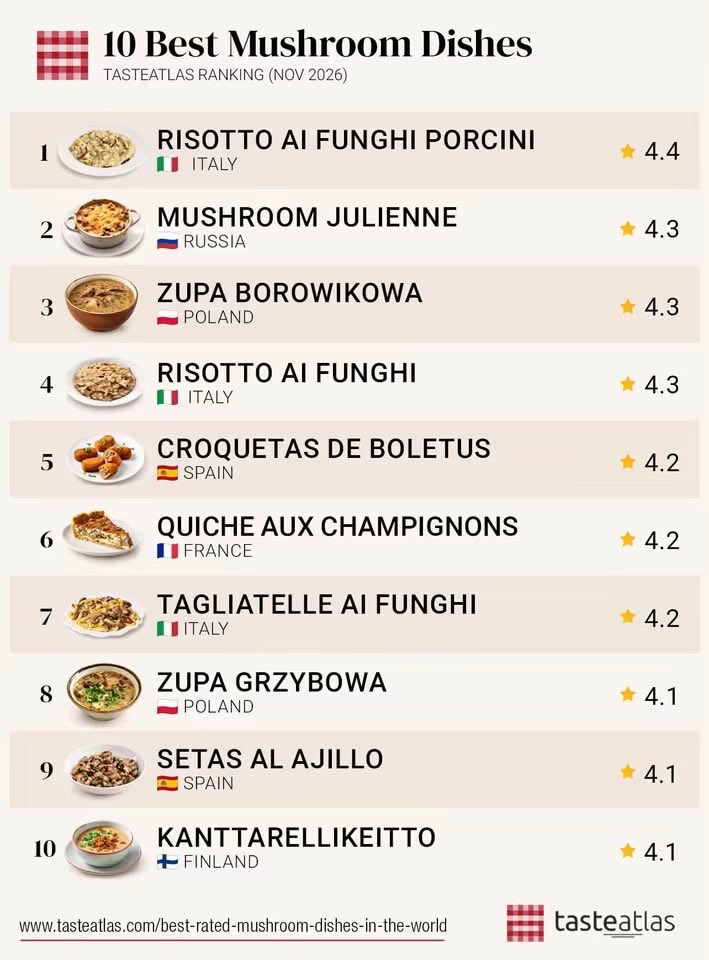
10 Best Mushroom Dishes in the World! 🍄🟫
https://t.co/4R5ObSviXT
Mushrooms do what few ingredients can: make a dish taste deeper without taking it over. Their natural glutamates bring plenty of umami, while drying concentrates their aroma and flavor.
Which mushroom dish would you put at number one?
Día de Muertos
📍Mexico 🇲🇽
Taste Mexico: https://t.co/3DscXj9L9A
Día de los Muertos (Day of the Dead) is a vibrant Mexican holiday observed annually on November 1st and 2nd, blending indigenous Mesoamerican rituals with Catholic All Saints' and All Souls' Days to honor and reunite with deceased loved ones.
Far from a somber occasion, it is a joyful celebration of life and memory centered around elaborate home altars (ofrendas) adorned with marigolds (cempasúchil), candles, sugar skulls (calaveras de azúcar), and the departed’s favorite foods and drinks.
Food is the spiritual bridge of the holiday: families gather at gravesites and homes to share traditional dishes such as citrus-scented pan de muerto, rich mole negro, tamales, candied pumpkin (calabaza en tacha), and warm pozole, welcoming the returning souls through familiar scents and flavors.
Video: @mexicosabrosodelicioso
@tasteatlas presents @mercadosanmiguel
📍Madrid, Spain 🇪🇸
Taste Madrid: https://t.co/OwCTlUnNnN
Located just steps away from Plaza Mayor in the very heart of Madrid, this historic gastronomic market originally opened in 1916 as a traditional food market under the direction of architect Alfonso Dubé y Díaz, standing out as one of the few surviving examples of cast-iron and glass architecture in the city.
Following a thorough restoration and reopening in 2009, the market was transformed from a classic grocery spot into Madrid’s premier culinary hub dedicated to tapas culture. Today, it brings together more than 20 specialized stalls offering the finest ingredients from across Spain’s regions—from Galician oysters and Basque pintxos to aged Iberian cured meats, local cheeses, fine wines, and pastries.
Welcoming over ten million visitors a year, it remains an essential stop for experiencing Spain’s culinary heritage under one roof.
Best Mezcals by Agave Type 🇲🇽 https://t.co/ZhzCgCi1jQ
Some agaves take decades to mature. Where they grow and how the mezcalero works with them shape what ends up in the glass. Explore 24 bottles across eight agave types:
@Casacortes1 @rucoindecente @MezcalCarrenoUS