Perspective: Billy Hamilton shares his experiences at the Washington State Tax Forum, finding that the forum’s informal, collaborative model is especially valuable because Washington’s tax policy is entering a volatile period. https://t.co/Gj61T1pzpY
Perspective: William A. Stone III examines the IRS’s efforts to establish an Office of Conservation Easements and the withdrawal of a recent settlement initiative for cases involving syndicated conservation easement transactions. https://t.co/QctmgN3KR5
Perspective: Daniel Keuper examines the new German guidelines on the creation of permanent establishments in complex and diverse modern industries. https://t.co/ihilx8BxZO
Perspective: Tom Duffy examines how becoming a bona fide resident of Puerto Rico can affect eligibility for U.S. income tax treaty benefits, and he identifies the U.S. treaties under which those individuals may remain eligible for such benefits. https://t.co/kXf5x5RDeH
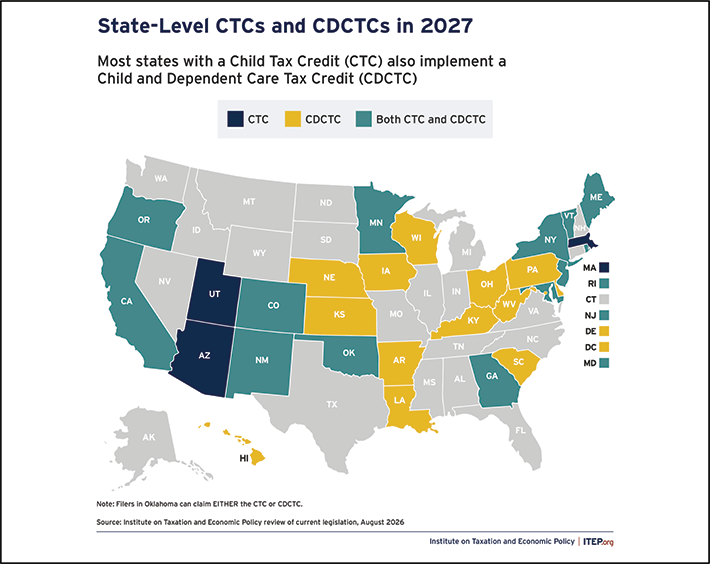
Perspective: Maddie Brown Shirley analyzes three popular state tax credits that support families with children (the child tax credit, the child and dependent care tax credit, and the earned income tax credit) and their specific purposes. https://t.co/AqQQe6NPQM
Perspective: J. Harold McClure uses illustrative models to examine how different characterizations of the functions and risks of the affiliates of Shell and Glencore Energy UK can affect profit location. https://t.co/lmb75oureW
Perspective: Ayşe Uzun Nurili examines changes to Turkey’s qualified service center regime following the passage of Law No. 7582 and why they will increase Turkish competitiveness to attract multinationals. https://t.co/RahaWWcJ2s
Perspective: Gustavo Weiss de Resende examines the challenges posed by Brazil’s indirect tax reform as the country prepares to host the 2027 Women’s World Cup. https://t.co/YMEolqTEp0
"The other thing to watch is that there’s already been a number of announcements on retirements and departures from both taxwriting committees," @cady_stanton explains. https://t.co/1gk8mxW2uo
The Tax Court held that a Los Angeles art dealer must report $16.5 million he received from a New York gallery owner as income, rejecting his arguments that the money was a nontaxable customer deposit or a loan. https://t.co/QHzVEamUY7
Iowa voters will decide whether the state will join 16 others to require a supermajority legislative vote to increase income taxes. https://t.co/1TorzcouIE
Perspective: Carrie Brandon Elliot reviews the four elections that are provided in proposed regulations addressing foreign tax allocations related to One Big Beautiful Bill Act transition rules. https://t.co/cigYUPm7VX
Both candidates running to be Connecticut’s governor have come out against tax breaks for sprawling artificial intelligence data centers. https://t.co/HnfPfqY09z
The European Commission is consulting on targeted amendments to make the EU VAT directive more supportive of the circular economy. https://t.co/UMR6S9MEST
Treasury and the IRS are looking to clarify the One Big Beautiful Bill Act’s modifications to the qualified Opportunity Zone reporting obligations and provide a voluntary decertification process for qualified opportunity funds. https://t.co/yaWqRRr7fj
Perspective: @ryanmfinley explains why, under the current cost-sharing regulations, Meta Platform’s contention that cost sharing isn’t a “transfer” of intangible property is wrong. https://t.co/DuKuwyRjID
This week on Tax Notes Talk, Anthony Infanti, professor of law at the University of Pittsburgh School of Law, discusses how taxation helped create and uphold the institution of slavery in Colonial America.
🎧 Listen wherever you get your podcasts. https://t.co/BPPDPoLQiR
The IRS and Treasury issued proposed regs clarifying which deductions can reduce foreign-source income for foreign tax credit purposes, interpreting, “directly allocable” as requiring a closer relationship than under existing expense allocation rules. https://t.co/Oo1ENQbDnj
Tax experts are worried that President Trump’s plan to disburse a $5,000 dividend to every adult citizen in the United States would raise the budget deficit by over $1 trillion. https://t.co/WSgQKtFo9H
Pediction markets continue to create new tax and regulatory questions at both the federal and state level.
I was recently quoted in @TaxNotes on Illinois H.B. 5811 and whether other states may revisit their own approaches to taxing prediction market activity as the broader jurisdictional landscape continues to develop.