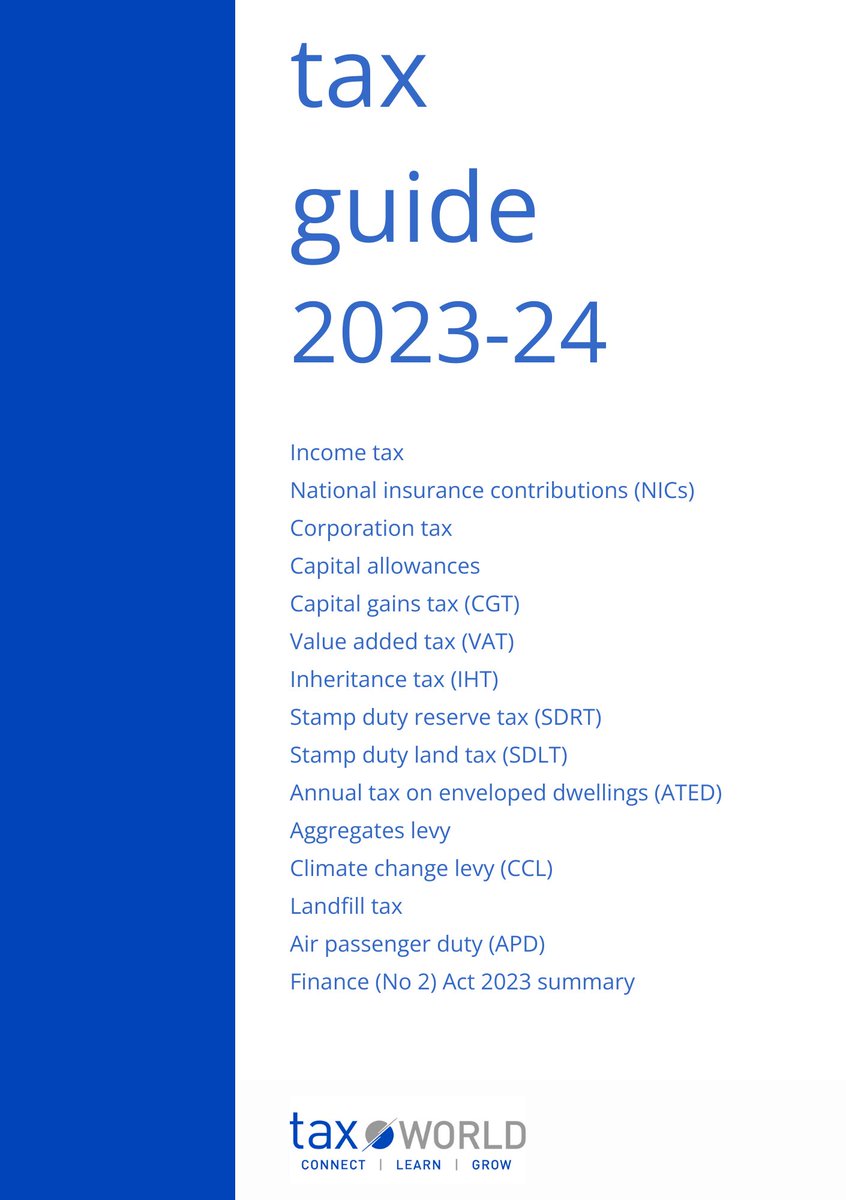
We've just published UK Finance Act 2025: text and commentary (267 pages).
Every section of the Act is explained and clarified, and it's available right now.
View any page of the book: https://t.co/095A2arkcl
Download your free pdf: https://t.co/89hHRADRkw
Marisa Lincoln as Legal Personal Representative of Martin Falzon v HMRC [2024] UKFTT 00886 (TC)
* Case concerned inheritance tax (IHT) liability on foreign properties
* Key issues: domicile, settled property, excluded property
* HMRC determination upheld, appeal dismissed
* Foreign properties formed part of estate and subject to IHT
This case concerned an appeal by Marisa Lincoln, acting as the legal personal representative of her deceased brother Martin Falzon, against an inheritance tax (IHT) determination made by HMRC. The determination related to foreign properties in Malta that Martin had inherited from his parents.
The main point at issue was whether these foreign properties formed part of Martin's estate for IHT purposes or whether they could be classified as excluded property and thus exempt from IHT.
HMRC argued that Martin was deemed domiciled in the UK at the time of his death based on his long-term residence, and that the foreign properties were therefore subject to IHT. They contended that the properties did not constitute settled property or excluded property under the relevant IHT legislation.
The appellant argued that Martin was not domiciled in the UK, that the foreign properties were held on trust and thus constituted settled property, and that they should be classified as excluded property. She also claimed that Martin's interest in the properties was a reversionary interest.
The Tribunal found in favour of HMRC on all key points. They held that an earlier determination of Martin's deemed UK domicile was conclusive and binding. They rejected the appellant's arguments that the properties were settled property, finding no evidence of a trust under Maltese law and concluding that even if a trust existed under UK law, it would not meet the definition of a settlement for IHT purposes. The Tribunal also found that the properties did not constitute excluded property or a reversionary interest.
In conclusion, the Tribunal dismissed the appeal, upholding HMRC's determination that the foreign properties formed part of Martin's estate and were subject to IHT. This case illustrates the complexities surrounding IHT liability for foreign assets and the importance of domicile in determining tax treatment.
Podcast: https://t.co/ZHE3mEPkdS
Interesting tax case...
Greene v HMRC [2024] UKFTT 00872 (TC) (26 September 2024)
* Appeal against discovery assessment for unauthorised pension payment
* HMRC's discovery assessment upheld as valid
* Taxpayer failed to provide sufficient evidence to overturn assessment
* Assessment reduced from £74,370 to £14,592 due to HMRC concessions
This case concerned an appeal by James Greene against a discovery assessment issued by HMRC for an unauthorised payment from his pension fund. The assessment was for £74,370.45, which HMRC later agreed to reduce to £14,592.
In 2015, Mr Greene transferred his UK pension fund worth £192,825 to a Qualifying Recognised Overseas Pension Scheme (QROPS) in Gibraltar. Shortly after, £48,000 was transferred from the QROPS to purchase shares in Lily Research Ltd. Eight days later, £36,480 was paid to Mr Greene personally.
HMRC argued this constituted an unauthorised payment from Mr Greene's pension fund, subject to income tax. They issued a discovery assessment in 2019 based on information received about investments made by the QROPS trustee.
Mr Greene contended that the payment was part of a complex investment structure involving multiple entities, and did not constitute an unauthorised payment from his pension. His representative argued that the shares purchased were worth their full value due to a "cooling off" period, so no pension funds remained to make an unauthorised payment.
The key issues were whether HMRC's discovery assessment was valid, and whether Mr Greene had been overcharged by the assessment.
The Tribunal found that HMRC's discovery was valid. The officer had formed a reasonable belief that tax was due based on the information available, meeting both the subjective and objective tests required.
On the substantive issue, the Tribunal noted a severe lack of evidence from Mr Greene about the alleged investment structure and reasons for the payment he received. In the absence of such evidence, the Tribunal was unable to conclude that Mr Greene had been overcharged. The legislation places the burden on the taxpayer to demonstrate an assessment is excessive.
While not necessary for its decision, the Tribunal also rejected Mr Greene's arguments about share valuation and lack of connection between the investment and payment. It found that a cooling-off period would not justify valuing potentially worthless shares at face value. The Tribunal also considered there was likely a connection between the investment and payment, based on the limited evidence available.
The Tribunal therefore upheld HMRC's assessment, but at the reduced amount of £14,592 that HMRC had conceded was correct.
Listen to the podcast: https://t.co/XbDAXFgFMG
Dear @HMRCgovuk this is a nonsense. A Tribunal hearing with all the required appeal proceedings for a £200 Child Benefit tax penalty. Here is what you should do, suspend first offence penalties and issue educational material https://t.co/UpFq6vezY6
Ezylia our #ai#artificialintelligence bot has now been trained on #hmrc manuals 68k pages and 83m words, tax commentary for all main Acts- on https://t.co/zCqVZNPjgB - it can answer detailed questions relating to all UK taxes , summarise tax topics and write letters to clients











![taxworldie's tweet photo. Marisa Lincoln as Legal Personal Representative of Martin Falzon v HMRC [2024] UKFTT 00886 (TC)
* Case concerned inheritance tax (IHT) liability on foreign properties
* Key issues: domicile, settled property, excluded property
* HMRC determination upheld, appeal dismissed
* Foreign properties formed part of estate and subject to IHT
This case concerned an appeal by Marisa Lincoln, acting as the legal personal representative of her deceased brother Martin Falzon, against an inheritance tax (IHT) determination made by HMRC. The determination related to foreign properties in Malta that Martin had inherited from his parents.
The main point at issue was whether these foreign properties formed part of Martin's estate for IHT purposes or whether they could be classified as excluded property and thus exempt from IHT.
HMRC argued that Martin was deemed domiciled in the UK at the time of his death based on his long-term residence, and that the foreign properties were therefore subject to IHT. They contended that the properties did not constitute settled property or excluded property under the relevant IHT legislation.
The appellant argued that Martin was not domiciled in the UK, that the foreign properties were held on trust and thus constituted settled property, and that they should be classified as excluded property. She also claimed that Martin's interest in the properties was a reversionary interest.
The Tribunal found in favour of HMRC on all key points. They held that an earlier determination of Martin's deemed UK domicile was conclusive and binding. They rejected the appellant's arguments that the properties were settled property, finding no evidence of a trust under Maltese law and concluding that even if a trust existed under UK law, it would not meet the definition of a settlement for IHT purposes. The Tribunal also found that the properties did not constitute excluded property or a reversionary interest.
In conclusion, the Tribunal dismissed the appeal, upholding HMRC's determination that the foreign properties formed part of Martin's estate and were subject to IHT. This case illustrates the complexities surrounding IHT liability for foreign assets and the importance of domicile in determining tax treatment.
Podcast: https://t.co/ZHE3mEPkdS](https://pbs.twimg.com/media/GZXeuARWQAAeJig.jpg)
![Taxworlduk's tweet photo. Interesting tax case...
Greene v HMRC [2024] UKFTT 00872 (TC) (26 September 2024)
* Appeal against discovery assessment for unauthorised pension payment
* HMRC's discovery assessment upheld as valid
* Taxpayer failed to provide sufficient evidence to overturn assessment
* Assessment reduced from £74,370 to £14,592 due to HMRC concessions
This case concerned an appeal by James Greene against a discovery assessment issued by HMRC for an unauthorised payment from his pension fund. The assessment was for £74,370.45, which HMRC later agreed to reduce to £14,592.
In 2015, Mr Greene transferred his UK pension fund worth £192,825 to a Qualifying Recognised Overseas Pension Scheme (QROPS) in Gibraltar. Shortly after, £48,000 was transferred from the QROPS to purchase shares in Lily Research Ltd. Eight days later, £36,480 was paid to Mr Greene personally.
HMRC argued this constituted an unauthorised payment from Mr Greene's pension fund, subject to income tax. They issued a discovery assessment in 2019 based on information received about investments made by the QROPS trustee.
Mr Greene contended that the payment was part of a complex investment structure involving multiple entities, and did not constitute an unauthorised payment from his pension. His representative argued that the shares purchased were worth their full value due to a "cooling off" period, so no pension funds remained to make an unauthorised payment.
The key issues were whether HMRC's discovery assessment was valid, and whether Mr Greene had been overcharged by the assessment.
The Tribunal found that HMRC's discovery was valid. The officer had formed a reasonable belief that tax was due based on the information available, meeting both the subjective and objective tests required.
On the substantive issue, the Tribunal noted a severe lack of evidence from Mr Greene about the alleged investment structure and reasons for the payment he received. In the absence of such evidence, the Tribunal was unable to conclude that Mr Greene had been overcharged. The legislation places the burden on the taxpayer to demonstrate an assessment is excessive.
While not necessary for its decision, the Tribunal also rejected Mr Greene's arguments about share valuation and lack of connection between the investment and payment. It found that a cooling-off period would not justify valuing potentially worthless shares at face value. The Tribunal also considered there was likely a connection between the investment and payment, based on the limited evidence available.
The Tribunal therefore upheld HMRC's assessment, but at the reduced amount of £14,592 that HMRC had conceded was correct.
Listen to the podcast: https://t.co/XbDAXFgFMG](https://pbs.twimg.com/media/GYjoZgfWUAAspo3.jpg)