T3 impacts every single stage of the digestive process.
For example, T3 is required to stimulate the parietal cells in the stomach lining to secrete hydrochloric acid (HCl) and it also regulates gastrin.
Then, it stimulates peristalsis (the smooth muscles of your digestive tract to contract rhythmically).
Thyroid hormones overall, also control both the synthesis of bile from cholesterol in the liver and the relaxation of the Sphincter of Oddi (the muscle valve that opens to let bile flow into the small intestine).
So:
-Too little = SIBO, constipation, bloating etc
-Too much = shitting yourself 4 times a day
If you have an autoimmune condition, you have to take good care of your gut.
Here’s why:
In genetically susceptible individuals, gut dysbiosis can drive and exacerbate autoimmune pathogenesis through a vicious cycle of interconnected mechanisms.
Here are some examples:
-Loss of protective metabolites + barrier breakdown (leaky gut).
The classic example is depleted SCFA producers.
SCFAs (acetate, propionate, butyrate) are produced by gut bacteria (especially Firmicutes like Faecalibacterium prausnitzii, Roseburia, Eubacterium, cross-fed by Bifidobacterium) through fermentation of dietary fiber and resistant starch.
In our conversation, some of their protective effects include:
-Activate G-protein-coupled receptors (GPR41/FFAR3, GPR43/FFAR2, GPR109A/HCAR2) on immune and epithelial cells.
-Inhibit histone deacetylases (HDAC) → epigenetic changes that upregulate FoxP3 (Treg master regulator) and IL-10 expression.
-Reinforce the intestinal barrier (increased tight junction proteins like occludin/claudins, enhanced MUC2 mucus production).
So low SCFAs impair:
-Treg induction and IL-10 production. -HDAC inhibition (epigenetic anti-inflammatory effects).
-NF-κB suppression.
-Nrf2 activation (antioxidant defense).
-Tight junction and mucus reinforcement.
In a nutshell: low SCFA levels → impaired Treg induction, unchecked Th17 expansion (IL-17-driven tissue damage), increased intestinal permeability and systemic low-grade inflammation.
-Modulation of NF-κB and Nrf2 signaling pathways.
The gut microbiota influences the following two transcription factor pathways that control inflammation and oxidative stress (one is pro-inflammatory and one is anti-oxidant/anti-inflammatory):
-NF-κB pathway (pro-inflammatory):
In dysbiosis, increased translocation of LPS (from Gram-negative bacteria) or other microbial products activates TLR4/MyD88 → IKK activation → NF-κB nuclear translocation → transcription of pro-inflammatory genes (TNF-α, IL-6, IL-1β, IL-12, chemokines).
This amplifies systemic inflammation and autoreactive T/B cell activation. Beneficial metabolites (SCFAs, indoles) inhibit NF-κB (for example, butyrate suppresses p65 translocation).
-Nrf2 pathway (anti-oxidant/anti-inflammatory):
Nrf2 is the master regulator of antioxidant response elements (ARE) → upregulates genes like HO-1, NQO1, GCLC (glutathione synthesis), SOD and catalase.
Certain microbial metabolites such as butyrate, sulforaphane-like compounds from cruciferous metabolites and some indoles activate Nrf2 via Keap1 dissociation → reduce oxidative stress, protect epithelial cells and dampen inflammation in general.
In dysbiosis, the loss of Nrf2-activating metabolites leads to increased ROS, mitochondrial damage and exacerbated tissue injury in autoimmune targets (meaning the joints, endocrine organs etc).
-Disruption of the balance between Treg, Th1 and Th17 cells.
The gut microbiota profoundly shapes CD4+ T cell differentiation and the Treg/Th17/Th1 axis:
Treg cells (FoxP3+ regulatory T cells): Maintain tolerance and suppress autoreactivity.
Promoted by SCFAs (HDAC inhibition + GPR activation → FoxP3 upregulation), indoles (AhR activation → Treg induction), retinoic acid (from gut DCs), and TGF-β/IL-10-rich environment.
Depleted or dysfunctional in dysbiosis → failure to suppress autoreactive responses.
Th17 cells (RORγt+): Produce IL-17/IL-22; important for mucosal defense but pathogenic when dysregulated.
Expanded by pro-inflammatory microbial signals (e.g., segmented filamentous bacteria in mice, certain Proteobacteria), low SCFAs, and high IL-6/IL-23.
Overactive Th17 → tissue inflammation and damage.
Th1 cells (T-bet+): Produce IFN-γ; drive cell-mediated immunity but contribute to autoimmunity.
Skewed by dysbiosis → increased IFN-γ → macrophage activation, autoantibody production, and tissue damage.
Balanced microbiota (high SCFAs/indoles) suppresses excessive Th1/Th17 while boosting Treg → maintains tolerance.
Dysbiosis tips the balance toward Th1/Th17 dominance and Treg impairment → breakdown of self-tolerance → autoimmunity.
Moving on to:
-Modulation of the release of inflammatory factors.
The microbiota regulates systemic and local cytokine/chemokine production:
Pro-inflammatory factors (TNF-α, IL-6, IL-1β, IL-12, IL-23, IFN-γ):
-Increased by dysbiosis → LPS/TLR4 activation, loss of SCFA/indole suppression, pathogen overgrowth → chronic low-grade inflammation.
This fuels autoreactive T/B cell activation, autoantibody production, and tissue damage.
-Anti-inflammatory/tolerogenic factors (IL-10, TGF-β):
Reduced in dysbiosis → impaired Treg/Breg function, failure to resolve inflammation. Beneficial microbes restore IL-10/TGF-β via SCFAs, indoles, and direct DC/macrophage modulation.
-Other factors: Chemokines (CCL20, CXCL10) recruit inflammatory cells while IL-22 (from Th17/ILC3) supports the barrier but can be pathogenic if excessive.
But once again, if you are a first-time reader and all of these seem too complicated, then keep in mind the following mechanisms:
-Molecular mimicry: Microbial peptides resemble self-antigens → cross-reactive T/B cells.
-Epitope spreading: Initial immune response to microbial antigens spreads to self-antigens.
-Bystander activation: TLR stimulation (by LPS for example) non-specifically activates nearby autoreactive cells.
-Loss of immune exclusion: Reduced secretory IgA (sIgA) coating → unchecked microbial overgrowth and translocation.
Or at least that the gut microbiota contributes to autoimmune pathogenesis through complicated but interconnected mechanisms such as:
-Reduced secretion of protective metabolites (SCFAs, indoles).
-Modulation (often suppression) of anti-inflammatory pathways (NF-κB inhibition, Nrf2 activation).
-Disruption of Treg/Th1/Th17 balance (fewer Tregs, more Th17/Th1).
-Increased release of inflammatory factors (cytokine storm from leaky gut and TLR activation).
This creates a self-reinforcing cycle overall: dysbiosis → leaky gut → systemic inflammation → loss of immune tolerance → autoreactive attack on self-tissues.
So what should we do?
Well, as always, nothing in here should be used as a substitute for medical advice but usually, supporting the tight junctions and the overall epithelial barrier (including Paneth cell function) first is often the smarter, lower-risk move in most cases for the following reason.
From the experience i’ve had with clients, it’s VERY unlikely that a person who struggles with an autoimmune condition also doesn’t suffer from a pathogen overgrowth as well.
Let’s say that a person has SIBO.
The overgrowth is proximal (duodenum/jejunum/ileum), where Paneth cells are abundant and mucus is thinner compared to the colon.
So if you aggressively feed bacteria with fermentable fibers or prebiotics, you can dramatically give fuel where the overgrowth already exists.
On the other hand, if we focus on supporting the barrier first, you target the loop of:
compromised tight junctions → LPS/endotoxin translocation → TLR4/NF-κB activation → cytokine storm → fuels autoimmune activity (Th17 skew, reduced Treg function).
Then, supporting Paneth cell AMP production and epithelial health helps break the cycle of: reduced α-defensins, lysozyme, RegIIIγ → allows bacterial overgrowth closer to the epithelium.
Here’s the recommended sequence in a nutshell.
Phase 1: Stabilize & repair the barrier (4–8 weeks, sometimes longer)
The goal here is to reduce permeability, support tight junctions, mucus, and Paneth cell function without feeding the overgrowth.
This will happen through:
Getting rid of highly processed foods, fats such as canola oil, soybean oil and in general very high O6 fats, alcohol, coffee, NSAIDs, monitoring stress, and getting rid of grains and likely acellular carbs such as sugar.
Low FODMAP diet.
Oral BPC-157.
Sunlight exposure/RLT.
Postbiotics such as butyrate/tributyrin.
Zinc carnosine and quercetin.
L-glutamine.
A micronutrient-dense diet.
Ginger.
Maybe melatonin as well, in some cases.
This combination will directly fuel colonocytes, upregulate tight junctions (occludin, claudin-1, ZO-1), mucus (MUC2), fuel enterocytes, support Paneth cells, AMP production (defensins) and reduce zonulin expression.
Phase 2: Add biofilm disruptors and slowly rebuild SCFA/indole producers without massive fermentation in the small intestine (4–8 weeks)
Biofilms are structured communities of microorganisms (bacteria, fungi, sometimes archaea or viruses) that adhere to surfaces such as the gut mucosa or dental plaque and surround themselves in a self-produced protective matrix made of:
-Polysaccharides (slime layer).
-Proteins.
-Extracellular DNA (eDNA).
-Other secreted compounds.
This matrix acts like a fortress since it:
-Shields microbes from antibiotics, antimicrobials, immune cells, and host defenses.
-Allows slow-growing or dormant “persister” cells to survive.
-Enables horizontal gene transfer (antibiotic resistance sharing).
-Creates micro-niches with different pH, oxygen, and nutrient gradients.
In the gut, biofilms can form on the mucus layer, epithelial surface, or even in small intestinal crypts.
Now here’s how biofilms can contribute to autoimmunity:
-Barrier disruption
Biofilms erode or thin the mucus layer (especially pathogenic ones like Klebsiella, Pseudomonas, Candida, or certain E. coli strains).
They can directly damage epithelial cells or trigger chronic low-grade inflammation → zonulin upregulation → tight junction opening → increased permeability.
Result: More LPS/endotoxin and microbial antigens translocate → systemic endotoxemia → TLR4/NF-κB activation → cytokine storm (TNF-α, IL-6, IL-1β) → fuels autoimmunity.
-Chronic low-grade infection & immune activation
Biofilms act as a protected reservoir for pathogens or pathobionts (opportunistic bacteria).
They release antigens and metabolites slowly → chronic immune stimulation without acute infection signs. This can drive bystander activation (non-specific activation of autoreactive cells) and molecular mimicry (microbial proteins resembling self-antigens).
-Skewed immune balance
Biofilm-protected bacteria evade clearance → prolonged antigen exposure → Th17 dominance (IL-17 production) and impaired Treg induction.
-Reduced SCFA-producing bacteria (buried under biofilm layers) → low butyrate/indoles → further Treg loss and barrier compromise.
Chronic innate activation (macrophages, DCs) → IFN-γ, TNF-α → perpetuates inflammation.
So our goal is to weaken/disrupt the matrix first (3–6 weeks) usually with things such as NAC, serrapeptase and/or nattokinase and then add antimicrobials.
Now when it comes to slowly rebuilding SCFA/indole producers without massive fermentation in the small intestine, understand the following.
Anyone who has tried addressing a pathogen overgrowth just with antimicrobials and biofilm disruptors knows that you will 100% face some serious constipation, especially if you are using broad-spectrum antimicrobials (which is usually a mistake).
On the other hand, a lot of people’s pathogen overgrowths are so bad, that they can’t really use any probiotics in the beginning as well.
A generally safe solution for this is adding PHGG.
If you decide to use it, start with just 1-2 grams and then work up to 5-10 (max).
So in phase 2, your supplement stack will probably look like this:
NAC (start with just 300mg every other day)
Serrapeptase or nattokinase
Activated charcoal if you experience any die off symptoms (start with just 500mg-1 gram every other day)
Aloe vera
Colostrum or bovine immunoglobulin to supply IgA and growth factors.
Postbiotics such as butyrate/tributyrin.
PHGG
Now maybe some of you can also add resistance starch in this phase as well (start with type 3).
Note 1: If you are severely constipated, stop all supplements besides prokinetics.
Note 2: Your chronic gut issues will never truly resolve unless you pay attention to your hormones.
Hypothyroidism for example, slows down peristalsis, which is a major risk factor for SIBO to the point where some studies have found that over 50% of people with hypothyroidism may have SIBO.
You also have an increased risk for H. Pylori.
Then, progesterone may actually inhibit the ability of Candida albicans to form biofilms and colonize epithelial cells, while estrogen is the dominant hormone that supports and sustains Candida infections.
The same goes for insulin.
I know that balancing your hormones is quite hard if you have autoimmune issues but please test your hormones.
Phase 3: Using antimicrobials, binders and stabilizing mast cells.
Phase 4: Broader microbiome rebuilding (once the overgrowth is controlled) with higher fiber intake (30g), targeted probiotics and post biotics.
All of these can be found in detail here:
https://t.co/D5v3QKxGHQ
Neglecting your gut health if you have Hashimoto's is a big mistake for example.
There's now a clear link between poor gut health and Hashimoto's thyroiditis with various studies showing that people with Hashimoto's have:
-Lower microbial diversity
-Higher levels of harmful bacteria
-A damaged gut lining
All of these endorse/trigger the immune system to attack the thyroid gland.
Here is every illness AI says is tied to glymphatic waste clearance issues or glymphatic dysregulation.
I’d *highly* recommend safe, diagnostic range (1MHz - 12MHz) ultrasound(s) to try and alleviate these.
The medical community will catch up in about 20 years.
Neurodegenerative & Cognitive Disorders
•Alzheimer’s disease: Impaired amyloid-β and tau clearance promoting plaques, tangles, and progression.
•Parkinson’s disease and synucleinopathies: Reduced α-synuclein clearance contributing to Lewy body pathology and motor/cognitive decline.
•Amyotrophic lateral sclerosis (ALS): Disrupted CSF–ISF exchange and TDP-43 accumulation with extracellular fluid changes.
•Frontotemporal dementia (behavioral variant): Altered perivascular diffusion and clearance metrics.
•Mild cognitive impairment and vascular cognitive impairment/dementia: Early clearance deficits correlating with white-matter hyperintensities and cognitive decline.
Acute Brain Injury & Vascular Disorders
•Traumatic brain injury (TBI) and chronic traumatic encephalopathy: Acute suppression of influx (including noradrenergic effects) and chronic protein/debris accumulation.
•Ischemic and hemorrhagic stroke: Edema, AQP4 dysregulation, and ipsilateral clearance impairment.
•Cerebral small vessel disease: Shared mechanisms with reduced pulsatility, AQP4 mislocalization, and EPVS burden.
•Cerebral amyloid angiopathy: Vessel-wall amyloid impairing perivascular flow.
CSF Dynamics Disorders
•Idiopathic normal pressure hydrocephalus (iNPH): Impaired CSF dynamics, delayed clearance, and overlapping amyloid features with Alzheimer’s.
•Idiopathic intracranial hypertension (IIH): Altered CSF production/exchange, venous hypertension, and congestion.
Inflammatory, Autoimmune & Epileptic Conditions
•Multiple sclerosis: Lower DTI-ALPS indices, especially with progressive disease or cognitive impairment; links to lesion burden and AQP4 changes.
•Neuromyelitis optica spectrum disorder (NMOSD): Increased EPVS burden.
•Epilepsy: Suppressed transport in acute and chronic states; links to neuroinflammation and cognitive issues.
•Migraine (especially chronic) and cluster headache: Altered clearance, possible CGRP/solute accumulation, and choroid plexus changes.
Psychiatric & Neurodevelopmental Disorders
•Major depressive disorder: Reduced perivascular diffusion correlating with symptom severity, inflammation, and sleep disruption.
•Schizophrenia and early psychosis: Lower DTI-ALPS indices linked to cognitive impairment and longer untreated illness.
•Bipolar disorder: Circadian/sleep and metabolic factors impairing efficiency.
•PTSD and stress-related disorders: Sleep fragmentation and inflammatory contributions.
•Autism spectrum disorder: Early clearance alterations and reduced ALPS indices associated with symptoms.
•ADHD (emerging evidence): Associations with attentional/executive issues via sleep and clearance metrics.
Sleep-Related & Systemic Contributors
•Obstructive sleep apnea and chronic insomnia/sleep deprivation: Suppressed slow-wave activity reducing peak glymphatic function; major risk amplifiers for neurodegeneration.
•Aging: Progressive decline in influx efficiency, AQP4 polarization, and arterial pulsatility (~40% amyloid clearance drop in older models).
•Hypertension, diabetes, metabolic syndrome, obesity, and cardiovascular disease/heart failure: Reduced arterial compliance/pulsatility and vascular stiffening impairing driving forces.
•COPD and other conditions suppressing deep sleep: Indirect risk via sleep architecture disruption.
Post-Infectious & Other Associations
•Long COVID / post-acute sequelae of SARS-CoV-2 (neurocognitive impairment, brain fog): Asymmetric DTI-ALPS reductions correlating with BBB disruption and inflammation; proposed links to waste accumulation.
•ME/CFS (proposed): Overlap with Long COVID mechanisms involving clearance and autophagy impairment.
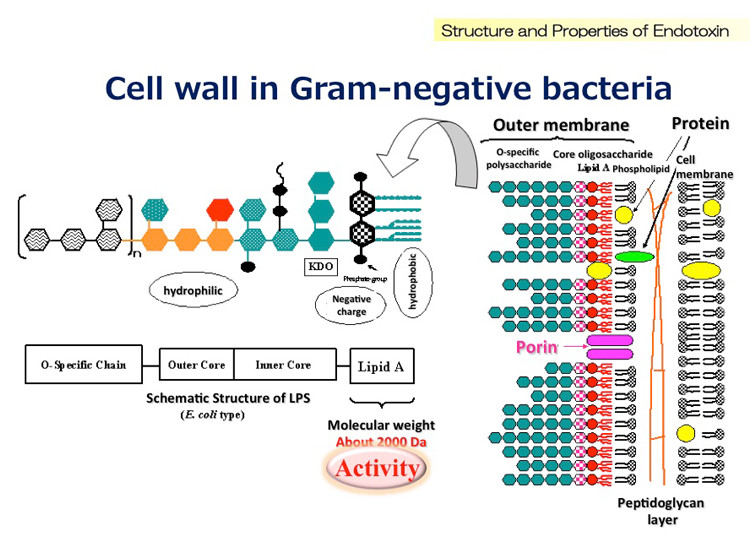
Endotoxins constitute even up to 20% of the microbiome in healthy individual and are lipopolysaccharides (LPS) that are mainly produced by gram-negative bacteria (they are found in their outer membrane) and released when bacterial cells die or divide.
Dysbiosis, such as in SIBO or inflammatory bowel disease (IBD) for example, increases their production by quite a lot.
Structurally, they consist of:
-Lipid A: The toxic anchor responsible for immune activation and inflammation.
-Core Oligosaccharide: A sugar-based structure that stabilizes the molecule.
-O-Antigen: A variable polysaccharide chain that determines bacterial strain specificity.
They exert their effects by interacting with the toll-like receptor 4 (TLR4) on immune cells such as the mast cells (also discussed in the mast cell part).
They trigger the release of pro-inflammatory cytokines such as IL-6 and TNF-α quite a lot and are some of the primary drivers behind chronic inflammation.
Some 101 when it comes to their side effects include:
-Triggering the release of pro-inflammatory cytokines like TNF-α, IL-1β, and IL-6.
-Compromising the integrity of the blood brain barrier.
-Disrupting endothelial cell integrity, increasing vascular permeability and promoting blood clotting.
-Generating reactive oxygen species (ROS) through activated immune cells.
-Disrupting insulin signaling and glucose metabolism.
-Impairing liver function by overwhelming Kupffer cells.
-Activating the HPA axis through cytokine signaling, increasing cortisol release.
-Inhibit steroidogenesis by downregulating key enzymes like steroidogenic acute regulatory protein (StAR) and cytochrome P450scc.
So how are endotoxins (LPS) carried out of the body?
They are primarily cleared from the body through the following mechanisms:
-The liver.
Kupffer cells engulf and degrade LPS through phagocytosis and hepatocytes incorporate LPS into bile.
-The intestines.
After what was just mentioned, LPS in the bile is eliminated through feces. This is also where a healthy intestinal barrier is of vital importance since it helps prevent reabsorption.
-The immune system.
Immune cells, such as macrophages and monocytes also have the ability of binding LPS and neutralize it.
They can also be bound by circulating proteins like lipopolysaccharide-binding protein (LBP) and high-density lipoproteins (HDL), which can facilitate its clearance or reduce its toxicity.
This is why for example, VERY high HDL can indicate endotoximia when it’s also paired with other symptoms of gut dysbiosis.
Note, test wise consider: fecal calprotectin, sIgA, IL-6, TNF-α, or C-reactive protein (CRP) paired with tests for SIBO, candida, H. Pylori and so on.
The kidneys also paly a minor role where small amounts of LPS may be filtered by the kidneys and excreted in urine.
Now that these absolute basics where covered, let’s see what we can do.
First and foremost, avoid the following foods and dietary habits that can negatively impact gut health in general:
1. The consumption of highly processed foods.
These are problematic for a variety of reasons.
Most of them for example will have emulsifiers and preservatives in them which are shown to disrupt the gut microbiome by altering bacterial composition and increasing inflammation.
Then most will be devoided of nutrients and the ones that aren’t often are high in histamine and also packaged in ways that leads to the leakage of toxins such ass aluminum (thik canned seafood for example).
2. The consumption of too many acellular carbs (think refined sugars).
These in excess promote the growth of harmful bacteria and yeast, leading to dysbiosis.
They also increase gut permeability by disrupting tight junction proteins.
3. Artificial sweeteners such as aspartame, sucralose, saccharin and acesulfame potassium.
Even though it is in fact true that in order for these to show a direct and immediate impact on things such as cancer, the doses that are required are quite high, in the context of gut health, even in small amounts they can alter gut bacterial diversity, reducing beneficial species like Bifidobacterium and increasing pro-inflammatory bacteria.
4. High O6 and trans fats.
Trans and easily oxidized fats produce pro inflammatory cytokines, damaging the gut lining and are also shown to reduce beneficial bacteria.
5. Excessive alcohol intake (if you have any gut issue, take a 2 month break from all alcoholic beverages, and if you have any pathogen overgrowth avoid all beers, ciders and wines for 4 months).
Alcohol is known to disrupt tight junctions, reduce microbial diversity and in the case of detoxing, it will of course over burden the liver.
6. Hybridized grains.
Overall, after 1960 we started creating wheat hybrids with the purpose of the plant being able to survive some pretty harsh climates.
Now the gluten that’s presented in hybridized grains is so hard to digest that it will inevitably lead to your gut taking such as big hit if they are consumed very often.
Note: Gluten is a mixture of different protein types (mainly gliadin and glutenin) or a protein composite that is found in things such as wheat, rye and barley.
Not only that but please also consider that we no longer sprout or ferment the grains a lot of the times which is designed to break down some of the gluten but also compounds such as phytic acid.
Then in a lot of countries such as the states, grains are probably the number 2 (soy is probably the number 1) thing that is sprayed with enormous amounts of herbicides such as glyphosate.
Gluten also triggers the release of zonulin (a protein that regulates the permeability of the intestinal wall by modulating the tight junctions).
Then, we have the issue of mycotoxin contamination and of course the fact that plenty of grains are fortified with folic acid and forms of iron that are basically iron shavings.
Some people are also sensitive to plant albumin.
7. A1 dairy and the overconsumption of dairy overall (even too much milk can dilute stomach acid for example and cause issues).
A2 dairy have proline in the 67 position of the beta casein chain while A1 dairy have histidine.
This can make a night and day difference when consuming dairy and makes A1 dairy a no go for people struggling with mast cell issues and and will inevitably lead to inflammation compared to A2.
8. The over consumption of high-FODMAP (fermentable oligosaccharides, disaccharides, monosaccharides, and polyols) foods such as onions, garlic, beans, lentils, wheat, apples, pears, stone fruits, honey, high-fructose fruits etc that lead to fast fermentation by gut bacteria.
9. The overconsumption of foods rich in phytates and oxalates that will bind to minerals such as zinc, iron, and calcium, reducing their absorption and potentially impairing gut cell function.
10. The overconsumption of caffeine (>100mg/day) increases peristalsis and reduces mucus production.
11. Herbicides and pesticides like glyphosate that act as antibiotics and reduce beneficial gut bacteria. Note: N-phosphomethylglycine aka glyphosate, works by inhibiting the enzyme 5-enolpyruvylshikimate-3-phosphate (EPSP) synthase.
This results in disrupting the shikimic acid pathway and reducing the aromatic amino acids.
In general, the shikimic acid pathway is responsible for the production of vitamins and aromatic amino acids such as phenylalanine through EPSP synthase so disrupting it negatively affects eNOS, the pancreas, adrenals, SOD, CAT and GPx enzymes, glutamate, GABA, the metabolism of retinoic acid and inhibiting GGT plus G6PD and can even exacerbate the damage that aluminum causes.
12. Irregular eating patterns that reduce gastric acid and enzyme production and disrupt the gut’s circadian rhythm, microbial balance and motility.
13. Eating too quickly or large portion sizes both of which will lead to incomplete digestion and fermentation in the gut.
14. Eating late at night will also disrupt the gut’s circadian rhythm, impairing microbial balance and motility. It will also increase the risk of acid reflux, as lying down after eating allows stomach acid to enter the esophagus.
15. Inadequate hydration which was previously discussed and will reduce mucus production while also slowing motility.
16. Frequent snacking.
Eating something every 1-2 hours, does not allow the migrating motor complex (MMC (a cyclical pattern of peristaltic activity that occurs during fasting state)) to clear bacteria from the small intestine for example.
Then, if you have symptoms of SIBO, SIFO, H. Pylori or candida overgrowth, go and get tested.
If you have one of these and do not address it, targeting endotoxins won’t work since we do not address the main driver behind the LPS increase.
Now tests you can take include:
H. Pylori:
-Urea breath test
-Stool antigen test: Identifies H. pylori antigens.
SIBO:
-Breath tests that measure hydrogen, methane, or hydrogen sulfide after lactulose/glucose ingestion.
-Stool Analysis
Candida:
-Fungal culture
-CHROMagar Candida
-Stool Analysis (mainly for SIFO (small intestinal fungal overgrowth)).
Proceed to work on tight junctions.
Tight junctions such as claudins, occludin and JAMs are the main factor that prevents LPS leakage into the blood stream.
Tight junctions (TJs) are protein-based structures (their structure is broken down in a moment) that form a selective barrier between epithelial (the top region of adjacent epithelial cells) and endothelial cells primarily in the gastrointestinal (GI) tract which makes them components of the intestinal mucosal barrier.
Without TJs enterocytes and colonocytes can not function properly and overall, tight junctions are essential for preventing the uncontrolled passage of things such as bacteria, toxins and undigested food into the bloodstream maintaining a selective barrier (they allow regulated paracellular transport of small molecules such as ions, water and glucose for example through claudin pores).
They also assist the gut-associated lymphoid tissue (GALT), limit translocation of lipopolysaccharides (LPS), facilitate mucus layer integrity and do much more which is why increased permeability or leaky gut, leads to system inflammation (TLR4 is activated and cytokines such as IL-6 and TNF-a are activated after LPS, food antigens or toxins enter circulation for example), contributes to to food sensitivities (IgG-mediated), autoimmune disorder and of course, issues such as pathogen overgrowths, IBS and IBD where for example even up to 80% of people with IBS have increased permeability.
Now TJs are made out of:
1. Transmembrane proteins such as:
-Claudins which is a family of 27 proteins that determine TJ permeability (claudin-1 and -3 for example form tight seals, while claudin-2 increases pore size).
-Occludin that enhances TJ stability and regulates paracellular transport by organising TJ strands and linking them to the actin cytoskeleton via ZO protein for example or by regulating paracellular transport of ions and small molecules.
-JAMs that modulate TJ assembly and immune cell transmigration.
For example, they contribute to the initial formation of TJs by recruiting scaffolding proteins and facilitating cell-cell adhesion.
They also interact with claudins and occludin while also regulating leukocyte and monocyte transmigration across endothelial and epithelial barriers.
-Tricellulin that strengthens junctions at tricellular contacts (where three cells meet).
For example, it forms a barrier to prevent paracellular flux of macromolecules and pathogens at these sites while also binding to LSR (lipolysis-stimulated lipoprotein receptor) to maintain tricellular integrity.
2. Intracellular scaffolding proteins such as:
-Zonula occludens (ZO) proteins are members of the membrane-associated guanylate kinase (MAGUK) family and serve as intracellular scaffolding proteins that place TJ transmembrane proteins (claudins, occludin, JAMs, tricellulin) to the actin cytoskeleton, stabilize TJ structure and mediate signaling.
-Associated (cytoskeletal) proteins actin and myosin filaments in the cytoskeleton dynamically regulate TJ opening/closing via phosphorylation responding to mechanical and biochemical cues.
Now here’s how you can improve the function of tight junctions in a nutshell:
Number 1: If you have any inflammatory condition such as MCAS you need to take it into consideration.
Number 2: Eliminate gluten, sugar, alcohol, the overconsumption of high FODMAP foods, NSAIDs, PPIs, heavy metals and glyphosate.
Number 3: Relax.
As stated, cortisol disrupts TJs by dysregulating the HPA axis and it also activates MLCK.
Number 4: Go to sleep and get sun.
Poor sleep and CR disrupt TJ protein expression while sunlight and vitamin D upregulates it.
Number 5: Provide enough zinc (stabilizes TJs), L glutamine (enhances TJ protein expression), retinol and polyphenols.
Number 6: Pick the following probiotic that works best for you:
-Lactobacillus rhamnosus GG.
-Bifidobacterium longum.
-Saccharomyces boulardii.
If these do not work for you or you can’t use them, consider:
-Quercetin
-Curcumin
NAC can also help in the specific context of people with Chrohn’s
-DGL
Support your immune system and rebuild the natural protection mechanisms with SAFE tools.
As it was stated immune cells, such as macrophages and monocytes, detect LPS and circulating proteins like lipopolysaccharide-binding protein (LBP) and high-density lipoproteins (HDL) also neutralize LPS, facilitating its clearance.
So:
-Get sunlight.
Melanin for example fights Candida directly, while vitamin D upregulates LL-37 (an antimicrobial peptide), acts as an immune modulator by binding to VDRs in immune cells, such as T-cells, B-cells, and macrophages, within the gut-associated lymphoid tissue (GALT).
-Sweat and do the big 6.
Very basic ways to manage toxin overload without many side effects.
-Move.
Regular movement is crucial for our gut health.
Movement:
-Stimulates the smooth muscles of the GI tract, promoting peristalsis.
-Enhances HCl, enzyme, and bile production for digestion.
-Promotes MMC activity.
-Supports lymphatic flow.
-Boosts antimicrobial peptide production and reduces inflammation.
-Influences the diversity and composition of the gut microbiota. Physical activity for example has shown to increase the production of short-chain fatty acids (SCFAs) like butyrate and also promote the growth of beneficial bacterial species, such as Lactobacillus and Bifidobacterium.
-Enhances circulation, ensuring that the gut receives adequate oxygen and nutrients to support its high metabolic demands.
-Regular movement has anti-inflammatory effects that protect the gut lining and prevent chronic inflammation, a key driver of gut disorders.
Name one pill that does all these (you can’t).
-Provide KEY nutrients such as zinc, B vitamins, potassium, magnesium, selenium, vitamin C, E and glutamine.
Zinc for example is a cofactor for enzymes involved in gastric acid secretion in the stomach, competes for binding sites on gut epithelial cells with pathogens and strengthens the intestinal lining by supporting tight junction proteins while also being critical for the gut-associated lymphoid tissue (GALT) and the immune system.
While selenium, is a cofactor for selenoproteins, such as glutathione peroxidase, which protect gut cells from oxidative damage and support immune cell function (it supports T-cell proliferation and cytokine production for example).
Vitamin E also protects gut cell membranes from lipid peroxidation and ROS overall.
-GET ON THAT S. Boulardii
https://t.co/dGrVaMlt9s
-Consider safe prokinetics such as:
-Ginger.
-Dandelion root.
-Artichoke leaf.
-Peppermint.
-Licorice root.
-Go to sleep and fix your CR.
When it comes to circadian health and sleep:
-The gut microbiota dynamics follow a 24-hour cycle (the entire G.I tract follows a circadian pattern, bacterial populations, gastric emptying, peristalsis, and enzyme secretion peak at specific times to aid digestion and shift work for example has been shown to alter microbial composition, reducing beneficial bacteria and promoting harmful species).
Note: This is why, believe it or not, the simple act of eating at consistent times has improved the gut health of so many people.
-Melatonin acts as a potent antioxidant in the gastrointestinal tract, enhances mucosal repair and regulates gut motility.
-Sleep is critical for cellular repair and tissue regeneration (through growth hormone for example) throughout the body and thus the gastrointestinal tract as well.
-During sleep, immune cells like T-cells and B-cells in the gut are replenished and primed to combat pathogens
-Then during sleep, anti-inflammatory cytokines like IL-10 are upregulated.
-Also, poor sleep or circadian disruption elevate cortisol, which reduce microbial diversity, increase gut permeability, and also promote inflammation.
-Then the gut-associated lymphoid tissue (GALT) also relies on circadian rhythms to maintain its surveillance and response capabilities.
-During sleep, immune cells like T-cells and B-cells in the gut are replenished and primed to combat pathogens.
-Adequate sleep enhances the production of immunoglobulin A (IgA), an antibody that coats the gut mucosa to neutralize harmful bacteria and viruses.
-Supports the migrating motor complex (MMC), which clears bacteria from the small intestine during fasting.
Work on bile
The gut eliminates LPS and other toxins via stool, with bile as a carrier.
Start working on biofilms.
Biofilms are organized “groups” of microorganisms such as bacteria, fungi, archaea, or protozoa commonly formed in the gut, oral cavity and sinuses.
They are embedded in a self-produced extracellular matrix composed of polysaccharides, proteins, and extracellular DNA (eDNA) that acts as a physical barrier and makes them highly resistant to antibiotics and antifungals.
Biofilm formation starts with planktonic microbes adhering to a surface through something called van der Waals forces or specific adhesins, then microbes start producing matrix components.
Then the maturation process begins where cell division and matrix expansion form microcolonies starts and finally three-dimensional structures develop, with channels for nutrient flow.
This process is regulated by quorum sensing which is a cell-to-cell communication system using signaling molecules to coordinate gene expression, enhancing virulence and resistance.
The three biofilm disruptors with the least chances of backfiring include:
1. Apolactoferrin
Lactoferrin comes in two forms:
-Native lactoferrin
-Apolactoferrin
Both can be quite valuable but the first one is iron bound and the second one is not which allows it to deprive pathogens of iron and thus helping us actually starve iron-dependent pathogens like candida albicans.
It also prevents pathogens from adhering to surfaces by interfering with adhesins and inhibits quorum sensing.
It also seems to be better tolerated from people who experience discomfort from things such as NAC and bromelain.
And it can of course help people who have hereditary hemochromatosis and find that even though flavonoids help their markers and some symptoms, they lower their libido too much.
2. L. reuteri DSM 17938, ATCC PTA 5289.
These are suggested since they produce reuterin that has broad-spectrum antimicrobial properties that can also disrupt EPS, competes for adhesion sites and inhibits quorum-sensing pathways.
3. Curcumin.
This one inhibits quorum sensing and disrupts bacterial cell membranes as well.
Other ones that can help include: NAC, berberine, garlic extract, bromelain and serrapeptase.
Number 5: Nuke, bind and manage die offs.
This is where antifungals such as caprylic acid, sodium caprylate, molybdenum, berberine, ceylon cinnamon, blackseed oil paired with prokinetics such as ginger and binder such as activated charcoal come into play.
Disclaimer: If you do everything else right, you really should feel die off with small amounts of these.
If not (and i’ve seen this happen) the tips that were addressed so far might actually have already taken care of the overgrowth so consider taking the tests again.
When it comes to die offs, antimicrobial or antifungal therapies can often trigger a Jarisch-Herxheimer reaction or “die-off” with symptoms that can range from nausea, headaches, slight fevers, fatigue, rashes, feelings of histamine intolerance and so on.
This reaction occurs during rapid pathogen death and includes the release of microbial components such as:
-Lipopolysaccharides (LPS).
Endotoxins from gram-negative bacteria activate the toll-like receptor 4 on immune cells, triggering nuclear factor-kappa B (NF-κB) signaling and the release of pro-inflammatory cytokines such as interleukin-6 (IL-6), tumor necrosis factor-alpha (TNF-α) and interleukin-1β (IL-1β).
-β-Glucans and Mannoproteins.
Fungal cell wall components from Candida species stimulate dectin-1 receptors on macrophages, further activating NF-κB and cytokine release.
-Acetaldehyde and ethanol.
These are metabolic byproducts of Candida and certain bacteria that cause oxidative stress and neurotoxicity.
-Nucleic acids and proteins.
These are released during microbial lysis, these act as damage-associated molecular patterns (DAMPs), perpetuating immune activation through pattern recognition receptors (PRRs).
Now the intensity of die-off is influences by the:
Microbial loads (severe SIBO with >10^5 CFU/mL will release more toxins than a minor case for example)
The person’s detoxification capacity.
Impaired phase I (cytochrome P450) and phase II (conjugation) liver detoxification pathways will obviously harm the person’s ability to detox these products.
The states of his immune system.
Overactive Th1/Th17 responses or mast cell activation syndrome (MCAS) amplify inflammatory responses for example.
His gut barrier integrity.
A leaky gut, allows greater translocation of toxins into systemic circulation.
So it’s vital to follow every process that’s presented in this email step by step and taking your time with hit especially considering that some die offs can last days.
Supplements that can help you mitigate die-off symptoms by reducing inflammation, binding toxins and enhancing detoxification include:
-Activated charcoal (start with just 500mg 2 hours before or after your meals and medications).
This one absorbs LPS, acetaldehyde and mycotoxins due to its porous structure.
-Bentonite clay (start with just ½ a teaspoon on an empty stomach).
This one binds cationic toxins.
-N-Acetylcysteine (NAC) (start with just 300mg twice a day).
This one increases GSH synthesis and conjugates acetaldehyde while also inhibiting NF-κB.
-Milk thistle (Silymarin).
This one upregulates Nrf2.
-Quercetin.
This one inhibits mast cell degranulation and downregulates NF-κB.
-Pantethine.
This serves a s precursor to coenzyme A, supporting acetyl-CoA formation from acetate (it basically enhances phase II detoxification).
-Provide enough B3 (or NAD+ precursors such as NMN), molybdenum, magnesium and zinc to support ALDH/AOX activity.
-Thiamine (B1) can aso help by supporting pyruvate dehydrogenase and preventing acetaldehyde formation from pyruvate.
And finally after all these, remember to restore the balance.
This one will require testing in order to see if the overgrowth is at bay and tools such as glutamine, PEA, quercetin, tributyrin, colostrum, zinc, B2 and B1 can be used.
That’s all.
I hope that you found something interesting in this post.
If you did, make sure to leave a like/RT.
And if you want to understand the root causes of the most common gut issues such as general bloating and constipation all the way to SIBO, IBS , H.Pylori , Candida albicans and how to approach them you can check this for another 26 hours:
https://t.co/D5v3QKxGHQ
Studies show that glyphosate may increase the risk of cancer, disrupt our immune systems, and cross the blood-brain barrier. Getting it out of our food supply is a huge priority.
Now to be diagnosed with ADHD, a person needs to have:
5+ inattention symptoms such as:
-Failing to give close attention to details or making careless mistakes.
-Having difficulty sustaining attention in tasks.
-Not being able to listen when spoken to directly quite often.
-Having difficulty organizing tasks and activities (poor time management, messy work, trouble with deadlines).
-Losing things necessary for tasks or activities (keys, phone, wallet, paperwork).
-Easily distracted by extraneous stimuli (including unrelated thoughts).
-Time blindness, losing hours or missing appointments / Forgetful in daily activities (paying bills, keeping appointments, returning calls).
-Hyperfocus, can obsessively focus on interesting things for hours, but can’t force it on boring tasks.
5+ hyperactivity and impulsivity symptoms such as:
-Fidgeting with or tapping hands/feet, or squirming in the seat.
-Feeling restless or “driven by a motor”.
-Being unable to play or engage in leisure activities quietly.
-Talking excessively.
-Blurting out answers before questions have been completed, or finishing other people’s sentences.
-Having difficulty waiting their turn (lines, conversations etc).
-Restless mind (feels like having 97 tabs open in your brain at all times).
-Emotional regulation struggles (experiencing big feelings, fast).
Now if you have ADHD, these should sound very familiar and you should then further look into the diagnostic criteria, especially given the fact that to be diagnosed with ADHD, you also need to:
-Have symptoms that started before age 12.
-Have symptoms present in two or more settings ( home + school/work + social life etc).
-Having symptoms that are not better explained by another mental disorder.
and overall things that a psychiatrist can walk someone through.
Of course, if you have a few of them, that’s being called being a human since all of us have dysfunctional behaviours to a certain extent.
Please also keep in mind that just because 10 people can have ADHD, it does not mean that 10/10 of them will experience it at the same severity.
Some will experience mild, others moderate and others severe.
Amphetamine triggers a massive release and blocks the reuptake of both dopamine and norepinephrine in the synaptic clefts of the brain.
The surge of dopamine affects the mesolimbic system.
This alters the hedonic value of food, meaning your brain temporarily stops seeking the pleasure or comfort normally derived from eating.
URGENT WARNING — From Dr. Peter McCullough:
Pfizer mRNA COVID vaccine is STILL producing spike protein in a real patient’s blood 3.6 YEARS after the shot. Documented bloodwork. Causing blood clots and heart damage right now.
This isn’t temporary. The mRNA has no “off switch” — it keeps turning cells into spike factories.
The exact same untested mRNA platform is now being rolled out in Moderna RSV and flu shots.
ALL mRNA shots must be halted immediately. No more COVID. No RSV. No flu. Nothing.
This is experimental tech with catastrophic long-term risks. Politicians, regulators, and pharma must be held accountable NOW.
Besides elevated B9, elevated serum B12 alongside the classic B12 symptoms (aka a functional tissue deficiency) AND elevated homocysteine, is a classic sign of a pathogen overgrowth such as SIBO.
Here’s why.
B12 features a specific base molecule (5,6-dimethylbenzimidazole) required to bind correctly to human transport proteins and cellular receptors.
*If you have no idea what this is, go to the search function in my profile and add the key words.
Now many pathogenic/opportunistic bacteria in an overgrowth setting synthesize inactive B12 analogues (these are called pseudo-vitamins or cobamides).
In the case of SIBO for example, when these bacteria multiply excessively in the small intestine, they secrete massive amounts of these inactive analogues into the gut lumen that can be absorbed across the damaged gut wall into the bloodstream(*)
This is a problem since standard clinical blood tests measure total serum B12 using competitive binding assays that are often unable to differentiate between human-active cobalamin and structurally similar, bacteria-derived pseudo-B12.
So the presence of immense amounts of bacterial analogues causes a falsely elevated reading on a blood panel.
(*) Inactive bacterial analogues bind competitively to Transcobalamin II (the transport protein responsible for delivering B12 into human cells).
Because the transport proteins are saturated with useless bacterial analogues, true active cobalamin is blocked from entering human cells.
This leaves the tissues starved of the vitamin, leading to elevated Methylmalonic Acid (MMA) and homocysteine levels, despite high circulating blood levels.
So bacteria aggressively consume B12 for their own survival, starving the host (low cellular B12, high serum B12).
Number 3: Poor bile flow.
Bile, produced by the liver and stored in the gallbladder, has antimicrobial properties and aids in clearing bacteria from the small intestine.
Impaired bile production or flow can happen due to deficiencies in C, taurine, glycine, lack of bitter foods, liver dysfunction or gallbladder issues.
Number 4: Immune system dysfunction.
Reduced secretory IgA (sIgA) in the gut-associated lymphoid tissue (GALT) weakens pathogen defense, enabling overgrowth for example.
This can happen through even basic nutrient deficiencies such as zinc, vitamin D and B vitamins.
Number 5: Chronic stress.
Stress can lead to SIBO through various mechanisms.
It suppresses vagal tone, slows motility, impairs stomach acid and enzyme production and reduces sIgA for example.
Number 6: Environmental and lifestyle factors such as antibiotics, mold, heavy metals, glyphosate, PPIs and so on.
Number 7: Coexisting conditions such as hypothyroidism, insulin resistance, celiac's and SIFO.
Low thyroid hormones or hypothyroidism for example will slow peristalsis leading to low transit time and as it was previously stated, prolong the exposure to glucose and carbohydrates that fuel the glycolysis and fermentation of these pathogens, upregulating adhesins such as Als3 and quorum-sensing molecules such as tyrosol through the Ras1-cAMP-PKA pathway.
They also modulate immune responses by regulating T-cell differentiation, neutrophil activity and cytokine production so low T3/T4 levels reduce these functions leading to reduced phagocytosis by neutrophils and macrophages.
Number 8: Good old vitamin and mineral deficiencies.
Micronutrients like vitamin D, zinc, vitamin A, and vitamin C for example are critical for innate and adaptive immunity, including phagocytosis, cytokine production, and AMP expression.
Zinc and vitamin A deficiencies impair neutrophil and macrophage activity but also weaken mucosal epithelial barriers by reducing cell turnover and mucus production.
A zinc deficiency by itself is shown to reduce neutrophil phagocytosis by up to 50%.
Then, a vitamin D deficiency reduces IL-17 and IL-22 production by Th17 cells.
Then deficiencies in selenium, zinc, retinol, vitamin D and C are shown to reduce secretory IgA (sIgA).
A vitamin A deficiency for example reduces sIgA production by impairing B-cell differentiation and antibody secretion.
A zinc deficiency also disrupts sIgA synthesis by affecting B-cell activation and cytokine signaling.
A selenium deficiency may reduce sIgA levels by increasing oxidative stress and impairing B-cell function.
Of course, vitamin D and zinc are also essential for upregulating AMPs like β-defensins (hBD-2) and cathelicidins (LL-37) in epithelial cells.
Vitamin D deficiency reduced hBD-2 expression by 40% in mucosal tissues, increasing Candida colonization by 2-fold.
This can also be neglected when it comes to beneficial gut bacteria, yet a zinc deficiency can reduce Lactobacillus populations by 20%-50%.
Deficiencies in B vitamins and minerals such as magnesium can also lead to slow trasnit time (B vitamins affect neurotransmitters quite a lot (but also bile release) which is why so many people with general gut issues find B1, B6 (in the form of P5P) and B8 so helpful).
Not to even mention that deficiencies in B vitamins, magnesium and potassium impair glucose metabolism, exacerbating this effect.
Holy SMOKES… DMSO combined with vitamin C ERASED 86.7% of the world’s MOST COMMON skin cancer in just 8 weeks.
The basal cell cancers were NO MATCH for the low-cost topical solution in this study.
It also CLEARED 56% of squamous cell carcinomas, while 44% of lesions SHRANK by over 85%.
94% of patients AVOIDED surgery.
Larger clinical trials should be launched IMMEDIATELY, as 20% of Americans will develop skin cancer in their lifetime.
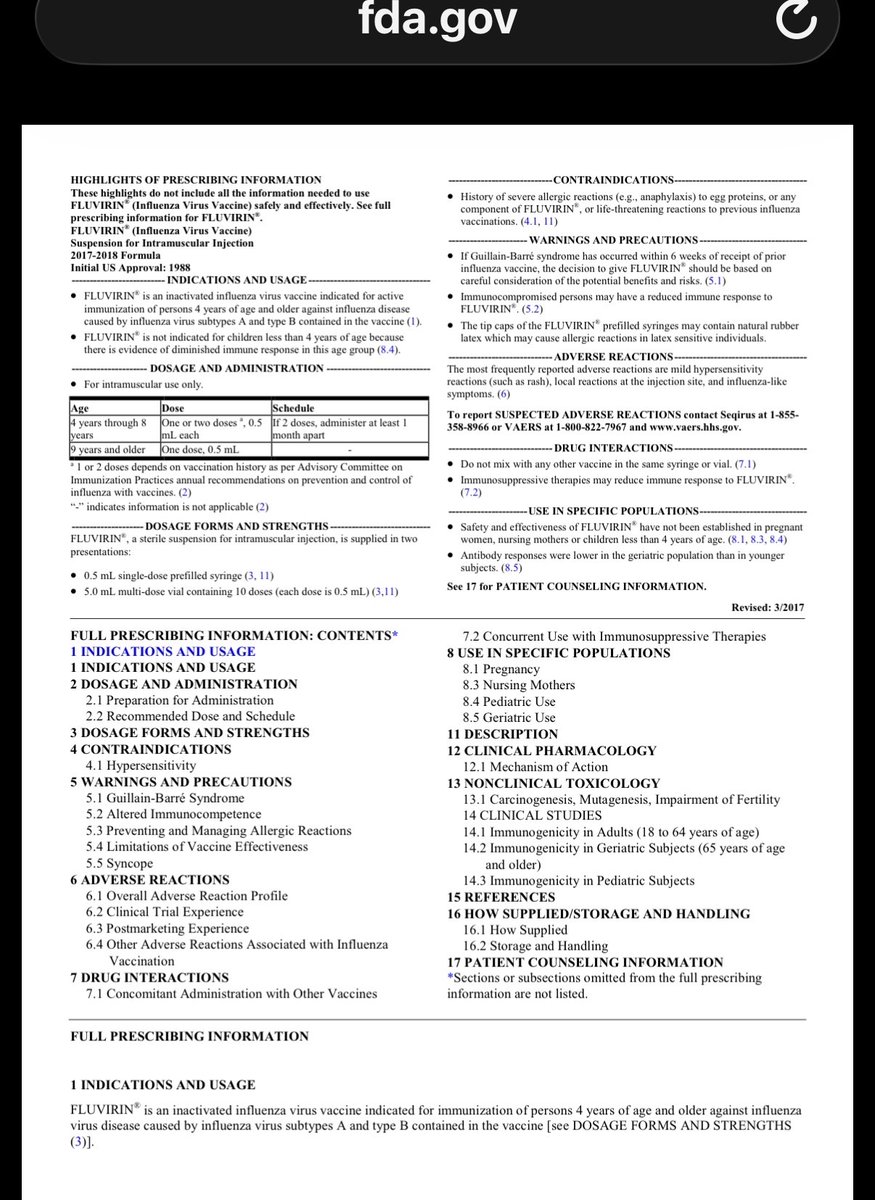
Me: "May I please have the package insert for the flu vaccine?"
Rite-Aid Pharmacist: "Why?"
Me: "So I can read it."
P: "Which one?"
Me: "The one advertised with the little banners on every aisle."
P: "I will print you the information sheet."
Me: "No, that's not the same thing."
P: "What do you want to know? I can tell you."
Me: "I would just like to read the whole thing before I consider getting one...side effects, contraindications, effectiveness, ingredients like mercury."
P: "I don't think I have any. Let me check. (checks) Sorry, I can't give you one until the box is empty, because it has to stay in the box. And there isn't any thimerisol in the single dose flu shot any more. I can print you the information sheet."
Pharmacy co-worker with big smile at me: "Hi, I found one." (hands insert to me)
***
Here are some things in the insert not on the store's sheet:
1. The single dose vial contains mercury at ≤1mcg (This is called a "trace amount" by the industry.) The multi-vial contains 25 mcg.
2. People with egg allergies are contraindicated.
3. "Safety and effectiveness have not been established in pregnant women, nursing mothers and children under four. There are no adequate and well-controlled studies in pregnant women. This vaccine should be used during pregnancy only if clearly needed. It is not known whether fluvarin is excreted in human milk."
4. "Fluvarin has not been evaluated for carcinogenic or mutagenic potential, or for impairment of fertility."
5. "Antibody response is low in the geriatric population."
6. "Serious reactions, including anaphylactic shock, have been observed."
7. "There are no data to assess the concomitant administration of flu vaccine with other vaccines."
8. "The vaccine has been associated with an increased frequency of Guillain-Barre syndrome."
9. "In some studies, fluvarin protected up to 50% of subjects."
With love to those who read this far. Please share. 👊🏼
No one needs a #Flu shot!
(It unalived my mom…)
#Throwback
https://t.co/TwJLRtkinR…
https://t.co/k8TqYgH1Fw.…
https://t.co/xaThL32wyp…
WARNING: The "Vitamin K" shot for newborns? It's NOT natural Vitamin K from food—it's a SYNTHETIC Chemical Toxin with the FDA's HARDEST Black Box Warning for Fatal Reactions.
From the OFFICIAL Pfizer PACKAGE INSERT—here's the ugly truth they DON'T tell you at the hospital:
🧪 INGREDIENTS: A Toxic Brew for Tiny Bodies
- Synthetic Phytonadione (Vit K1): Lab-made chemical, NOT the bioavailable nutrient in greens or K2 supps. Forces blood to clot 9,000X faster—turning it to "sludge" & halting natural stem cell repair post-birth.
- Polysorbate 80 (70 mg/mL): 200X MORE than in Gardasil vaccine! Crosses blood-brain barrier, delivers aluminum to the brain, triggers anaphylaxis, heart issues, & hypersensitivity shocks. (Used in chemo to target tumors—WTF for babies?!)
- Benzyl Alcohol (9 mg/mL preservative): Causes "Gasping Syndrome" in newborns—gasping breaths, CNS depression, metabolic acidosis, seizures, liver/kidney failure. Fatal in preemies!
- Aluminum: Builds up to TOXIC levels, linked to brain damage & bone toxicity. Premature babies at highest risk.
- Others: Phenol, propylene glycol, hydrochloric acid—no natural benefits, just risks.
⚠️ BLACK BOX WARNING: Strongest FDA Alert Short of a Ban
- FATAL Reactions: Anaphylaxis, shock, liver failure, cardiac/respiratory arrest—can hit DURING or RIGHT AFTER the shot. Even on the FIRST dose!
REPORTED ADVERSE EVENTS (Post-Marketing—from Insert)
- DEATH & Near-Death: Cardiovascular collapse, bradycardia, cyanosis, hypersensitivity shocks.
- Brain & Body Harm: Seizures, neurological deterioration, intracranial hemorrhage (the EXACT thing they claim to prevent!), SIDS links in studies.
- Liver/Lung/Light Issues: Jaundice, hyperbilirubinemia, hemolysis (blood breakdown)—worse in preemies from overdose.
- Skin Horror: Scleroderma-like patches, urticaria, delayed hypersensitivity (up to 1 YEAR later!).
- Bonus Red Flag: Studies tie synthetic K1 to leukemia risk.
Low newborn Vit K? It's BIOLOGY—not a "deficiency." Babies need thin blood for stem cell travel from cord blood post birth; 30% is still in the placenta & cord which needs to transfer to baby via non-coagulated blood. Vitamin K levels rise naturally by day 7.
Nature designed birth this way—NOT for chemical intervention! Demand FULL informed consent. Say NO to this poison & protect your baby.
If concern is still there, pregnant mom consuming plenty of nutrient dense vitamin K rich foods & a simple single drop or oral natural Vitamin K for baby post birth prevents any issues.
This is how most other developed countries care for their pregnant moms & newborns. The U.S. needs to STOP the chemical assault on pregnant moms & babies.
Histamine causes anxiety and panic attacks - usually alongside gastrointestinal issues and nasal congestion.
In some people, it is due to a deficiency of DAO - an enzyme that breaks down histamine.
“A 40-year-old woman presented with sneezing, postnasal drip, chest tightness, pruritus, fatigue, and palpitations. Alcohol triggered vomiting and hypotension. She also experienced bloating after eating shrimp and had softer stools.... A low-histamine diet and DAO supplementation significantly improved symptoms.”
“A 25-year-old woman presented with persistent postnasal drip, throat irritation, sneezing (triggered by sunlight), nasal discharge and congestion, occasional dyspnea, and frequent palpitations. She also reported gastrointestinal symptoms, including diarrhea after consuming fast food and chocolate.
She had gallbladder polyps, PCOS, and rosacea. During palpitations, her heart rate reached 140 beats per minute (bpm), and blood pressure was typically low (90/60 mmHg).. Anxiety was suspected. DAO level was 10.3 IU/mL. Upon starting a low-histamine diet and DAO supplementation, she experienced increased energy and decreased fatigue, sneezing, and palpitations.”
“A 54-year-old woman presented with nasal congestion, nausea, and palpitations that occasionally awoke her at night. Her heart rate sometimes reached 180 bpm, and blood pressure was consistently low. Panic attacks were previously diagnosed... A low-histamine diet and DAO supplementation led to improved allergic symptoms and near-resolution of palpitations.”
“A 26-year-old woman presented with clear nasal discharge, sneezing, mild cough, sputum, skin rashes on her arms, pruritus, and palpitations. Her heart rate occasionally reached 140 bpm at rest. She was diagnosed with anxiety. DAO level was 5.6 IU/mL. A 2-month course of low-histamine diet and DAO supplementation led to complete symptom resolution.”
PMID: 41211484
https://t.co/uEZdgNmPsZ