@Rohan_student23@LifeEdAus You could also link walking to school to other SDGs as students who are opting to drive less are reducing the pollution created by vehicles.
@BellaWightman Teachers would complete the task of recycling cans and bottles that students collect. Though that doesn't limit the students engaging and encouraging the wider community to do their part when it comes to recycling.
Wanting to encourage your school community to engage in sustainable practices? Why not introduce Return and Earn. Not only will it raise funds for your school but reduce the amount of plastics entering our oceans. #educ4750#UoNteach
Make a positive impact on the environment while fundraising by getting your group involved in Return and Earn. Visit the link for more information on how you can get started https://t.co/nJguG7LWIM
You can help slow global warming by reducing your #carbonfootprint to help protect our #oceans from becoming warmer. What will you choose to help make a difference? #educ4750#UoNTeach
Do you know what causes #CoralBleaching?
Neither did I, until I came across this educational video created by #BTN. What a great ITC resource to inform students about #SDG14, and how climate change impacts the life of coral. #UoNTeach#educ4750
Recently we got some bad news about the #GreatBarrierReef: widespread #CoralBleaching has been discovered across the Marine Park. Join #BTN to find out what that means and why it’s got experts worried about the reef’s future. https://t.co/2jyMCVnjHB
The preservation of this local place in @lakemac is great way to teach students Aboriginal perspective. We can link this back to #SDG14 and highlight how Aboriginal people didn’t overfish this area so that they were provide with an abundance of food for generations. #EDUC4750
For the Awabakal people, Belmont Lagoon was a place of great cultural and ecological value for over 6,000 years. Much has changed, but despite coal mines & wartime fortifications, it has survived as a coastal oasis — https://t.co/wSnHHkjIp3
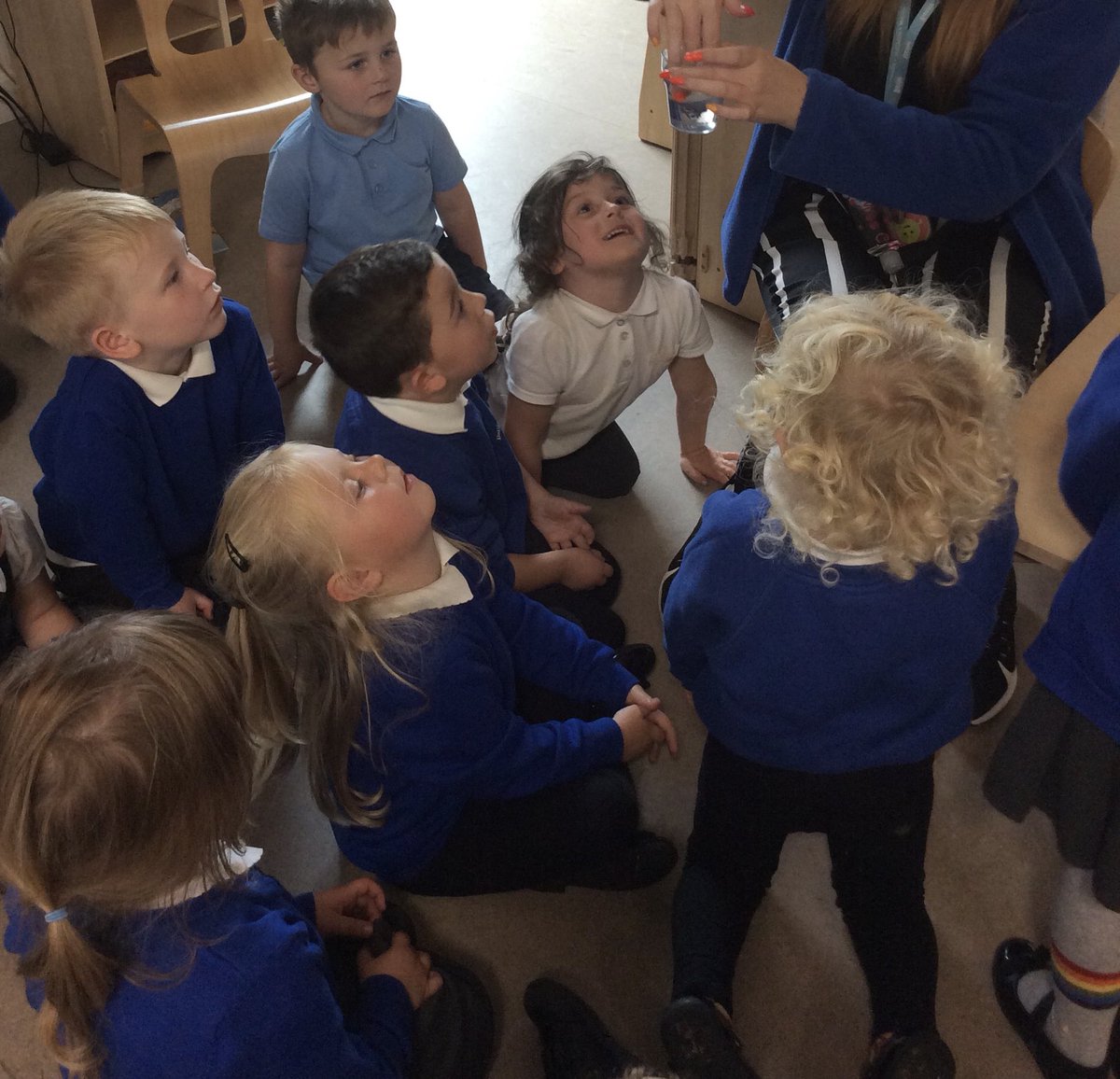
Experiments encourage learners to apply their knowledge to new situations. This experiment is great for a unit looking at plastic pollution and how it decomposes in the ocean. It really highlights the damages plastic has if we don't place it in the bin. #educ4750#UoNTeach
This experiment demonstrated the clear differences between plastic and paper materials once submerged in water. The children concluded that plastic does not breakdown and will harm our sea animals if left in the water or is not placed in a bin🌍🧪♻️💚 #science
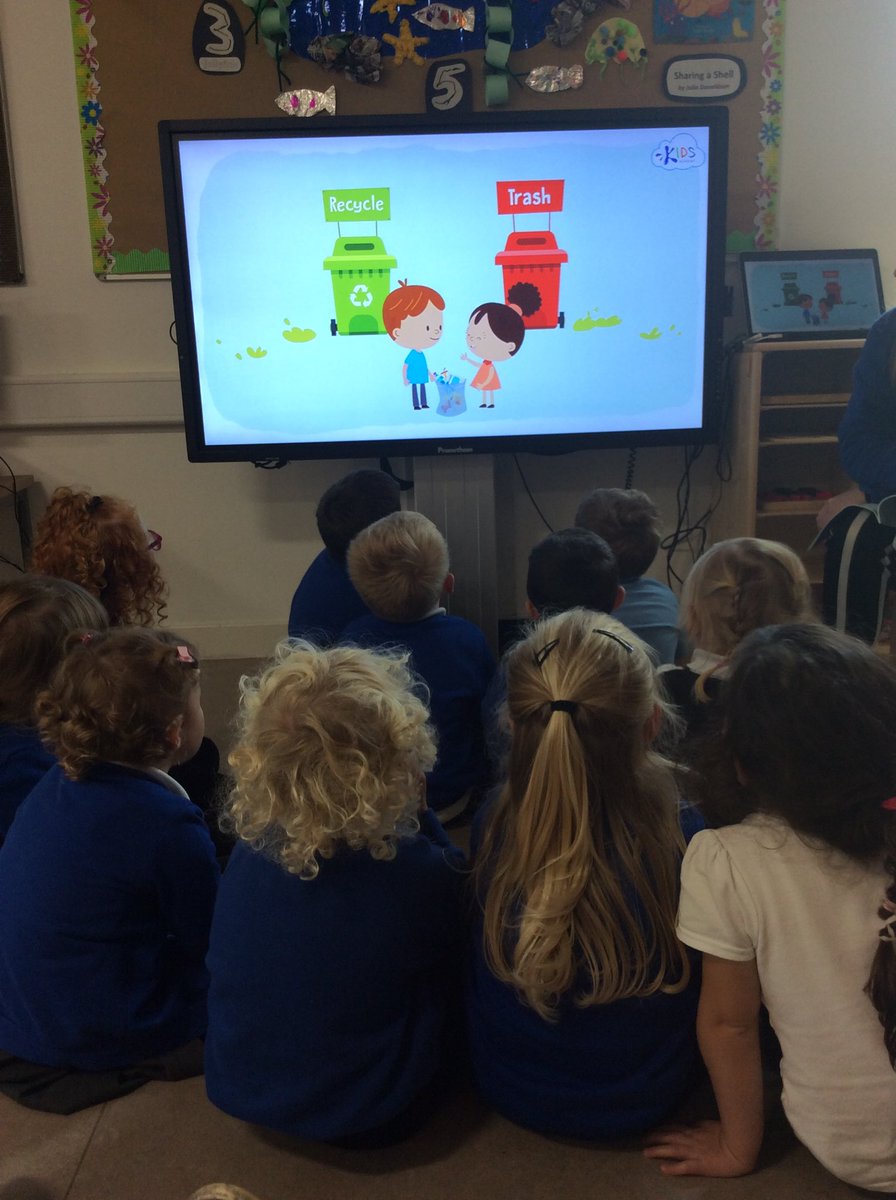
Want to get students excited about recycling or more simply putting their rubbish in the bin. This video provides a fun and engaging way to encourage students just to do that. #educ4750#UoNTeach
https://t.co/xsrlWnbpZE
This is one video that evokes emotions and educates students about Sustainable Development Goal 14. It definitely opened my eyes to serious issues that are occurring in our oceans. #educ4750#UoNTeach
Turtle Journey: the crisis in our oceans https://t.co/mfikvnByiQ
Don't know what to do with your recycling? How about engaging in this amazing program by @bags2benches to install %100 recycled benches from the soft plastics you and your school collect. Will you get your students involved? #educ4750#UoNteach
https://t.co/ncNrUpZBaB
An incredible initiative to take part and show students. Simply by picking up 3 pieces of rubbish you are taking part in reducing the plastic pollution that ends up in our oceans.#TAKE3FORTHESEA and help reduce global plastic pollution! #educ4750#UoNteach https://t.co/en0YJJM1wD
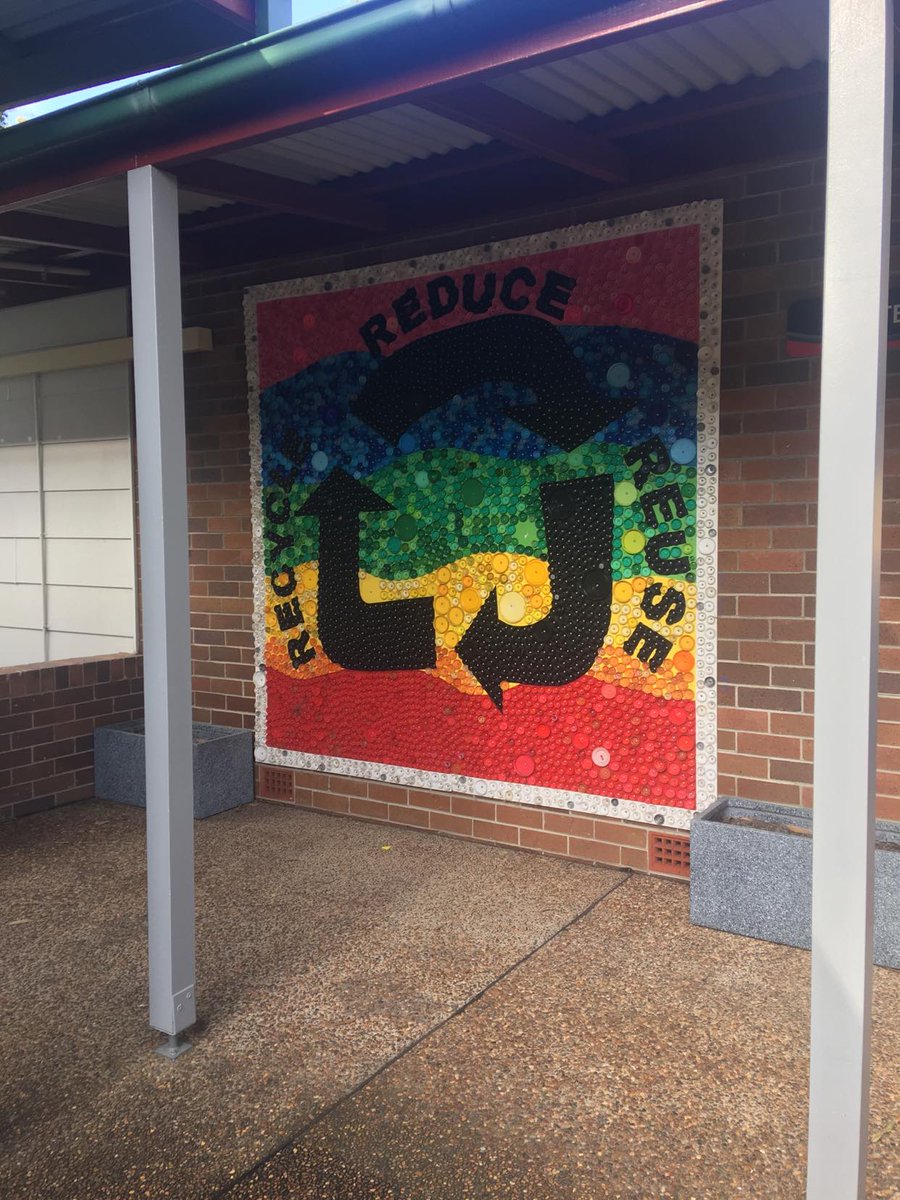
Did you know it can take anywhere from 20 - 500 years for plastic to decompose (WFF, 2021). A local school has created a mural out of bottle lids to remind and encourage students and their families to recycle, reduce and reuse plastics. #UoNteach#educ4750
Waste-free lunches benefit the environment by reducing packaging waste, which in turn reduces energy and resource use. This is something I'll push my students to think about during a unit on #SDG14#UoNTeach#educ4750
Today is #NationalPackYourLunchDay! 🥪
Choose local and pack reusable containers to make your lunch even greener🍃.
What are some of your waste free lunch tips?
ICT learning platforms such as #Kahoot are a useful tool to improve student engagement. It is also a great strategy to assess student knowledge. This Kahoot would be great to use in a unit about #SDG14 🐳🐠🌊#UoNTeach#educ4750 https://t.co/aRXFBxozRl
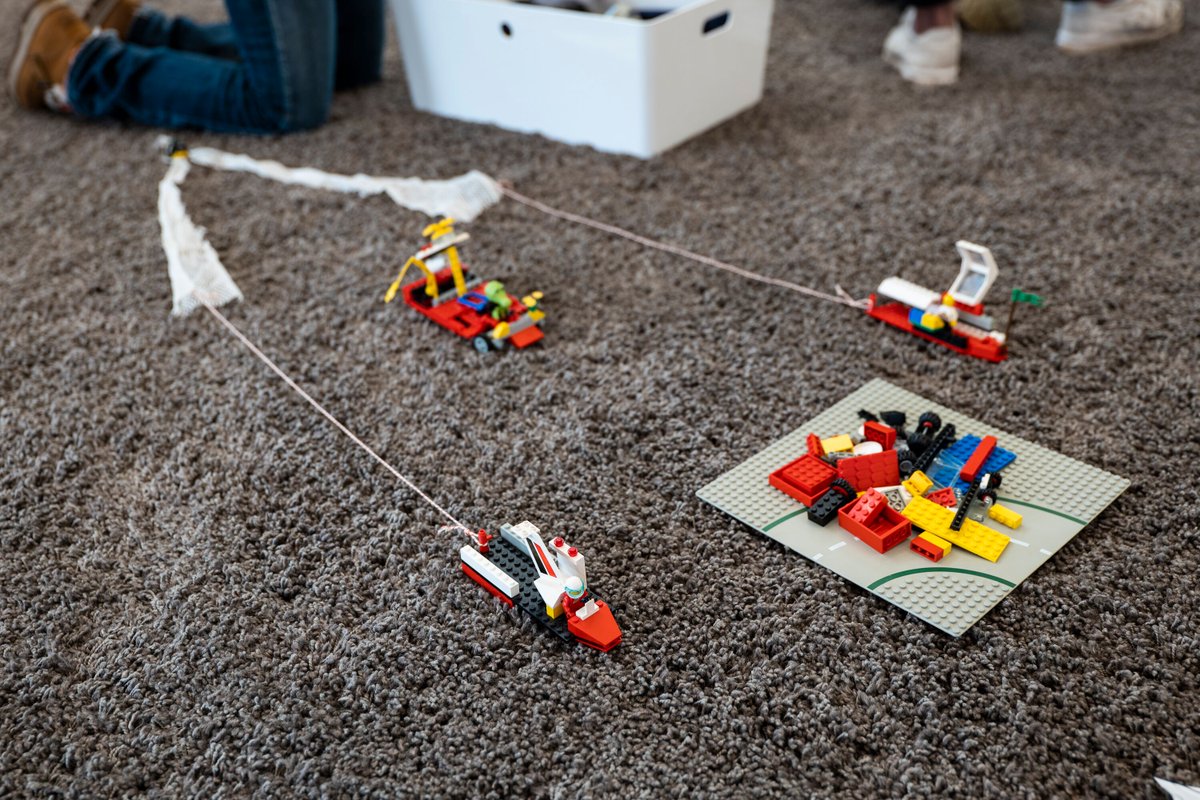
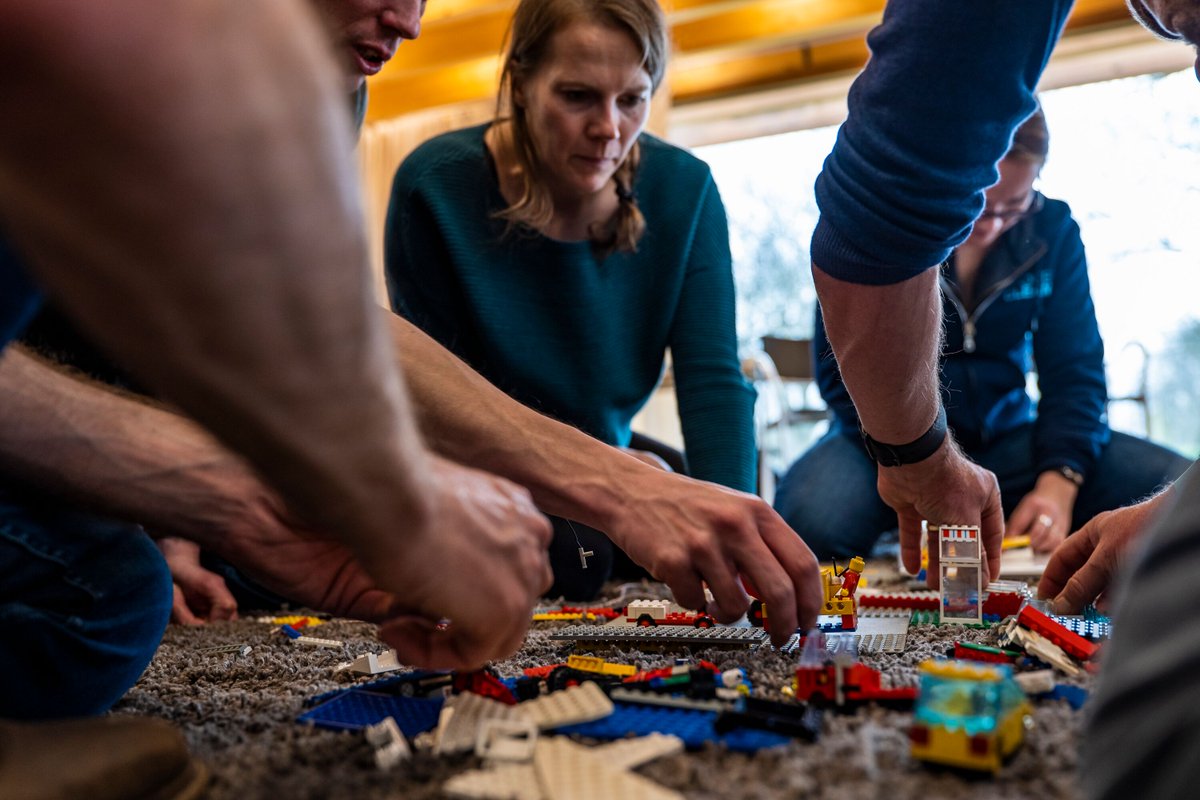
@B_Elise93@TheOceanCleanup Lego is an awesome way to integrate STEM and develop students problem solving skills. Here is another great resource that involves STEM to help encourage students to think about ways to eliminate plastics from the ocean https://t.co/FR87Aa07aE
What an innovative way to design important systems that help keep our oceans healthy @TheOceanCleanup. Definitely showing this amazing idea during a lesson focussed on #SDG14 in hopes to inspire students to create their own solution to help our oceans #educ4750#UoNTeach
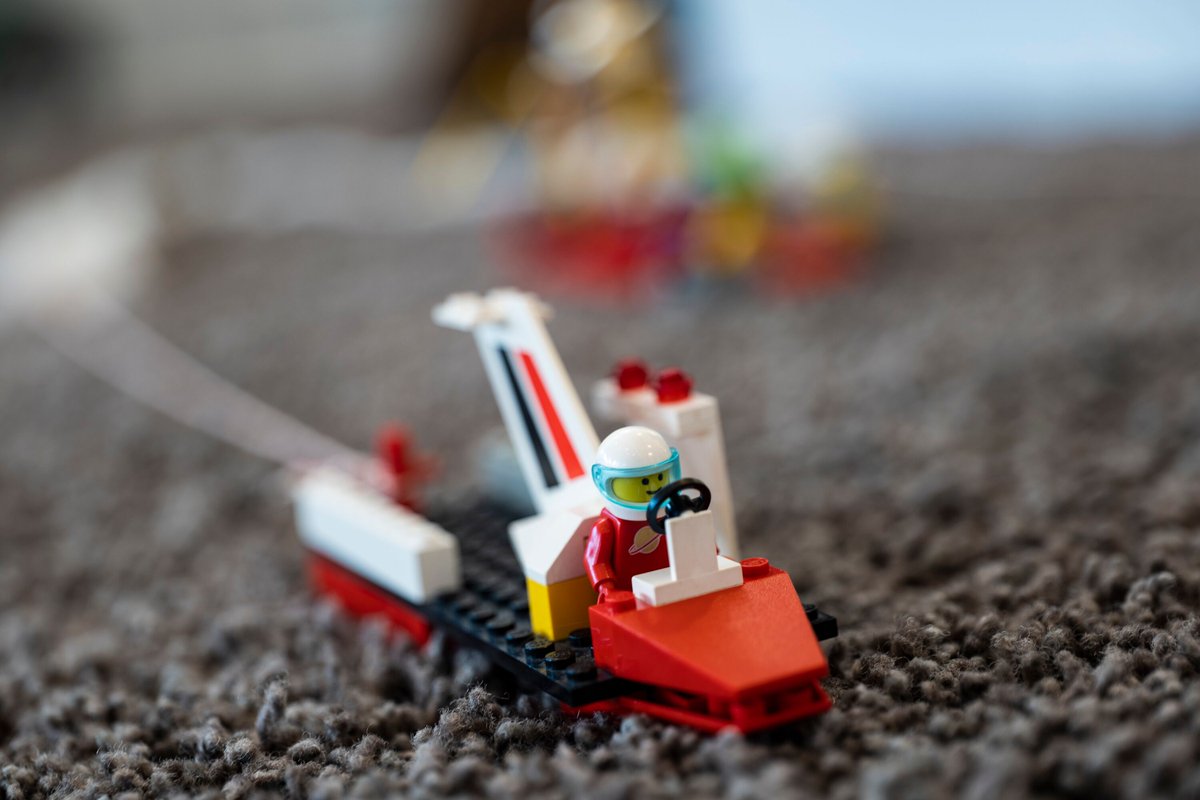
To develop large cleanup systems, you sometimes need to step away from the laptop and visualize things differently. Our team used LEGO to simulate System 003 operations and plan logistics for this first full-scale system (1800m span) that we aim to deploy later this year.
@B_Elise93 I'll definitely be using 'The Mess That We Made' by Michelle Lord. But there is so many other great options like 'What a Waste' by Jess French and 'Somebody Swallowed Stanley' by Sarah Roberts.
Books are an awesome resource to teach students about the UN Sustainable Development Goals. Their website provides a curated reading list to help teach students the importance of each 17 SDGs. Here is the list for Goal 14. #educ4750#UoNTeach
https://t.co/CHEyTWkzPh
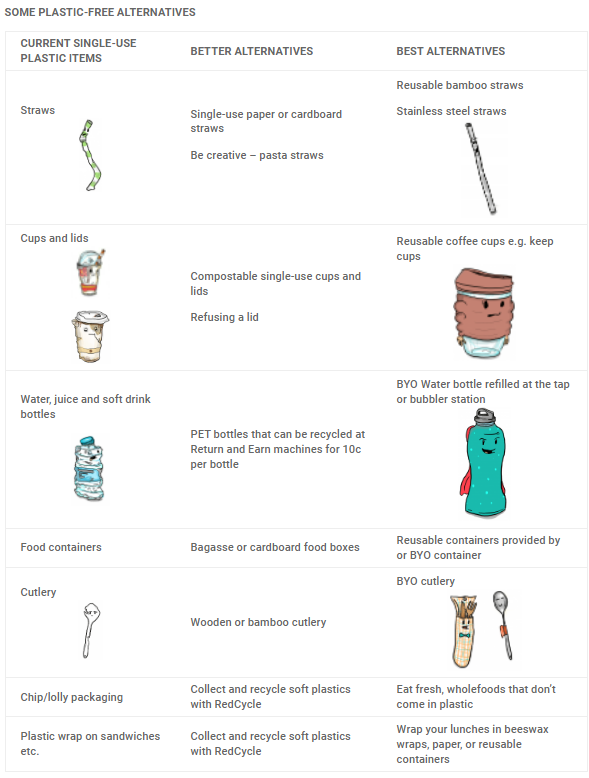
Alternatives to solve plastic pollutions to keep our #lifebelowwater clean. This resource created to help schools make changes about single use plastic. Use the link to see more resources to help your school become plastic-free https://t.co/yizd2ABK5b #UoNTeach#educ4750
Thank you @Rachelle_m_99 for this ITC resource! Similarly, students could interact with the app created by @NatGeo called 'Debris Tracker' during a unit on #SDG14 to help contribute to the data needed for critical research about plastic pollution #educ4750#UoNTeach
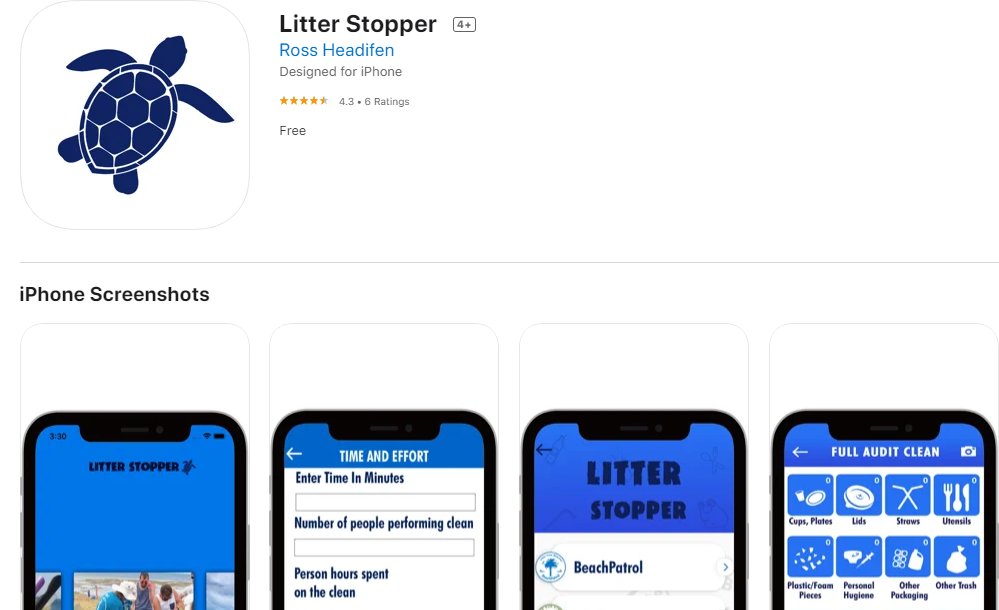
Litter Stopper is an ICT resource that S will be utilising when collecting #litter along their local shoreline. S will use the app to collect and contribute to scientific data on #marinepollution as well as be active citizens in their community. #SDG14#UonTeach#educ4750
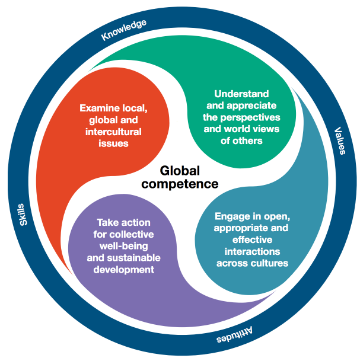
Teaching #GlobalCompetence can ensure my students are provided with learning experiences which allow exploration about the world around them and further develop their ideas, attitudes and values on global issues. How could you embed them in your classroom? #educ4750#UoNTeach