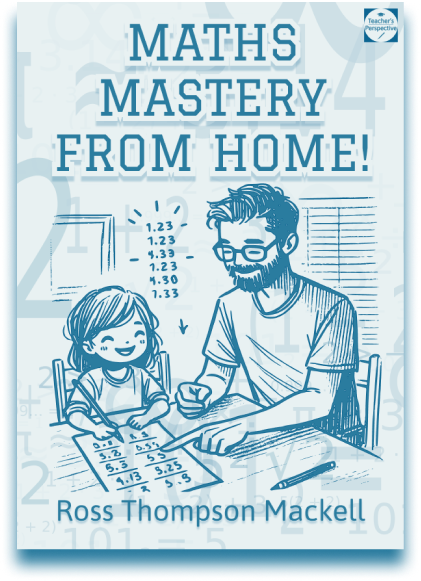
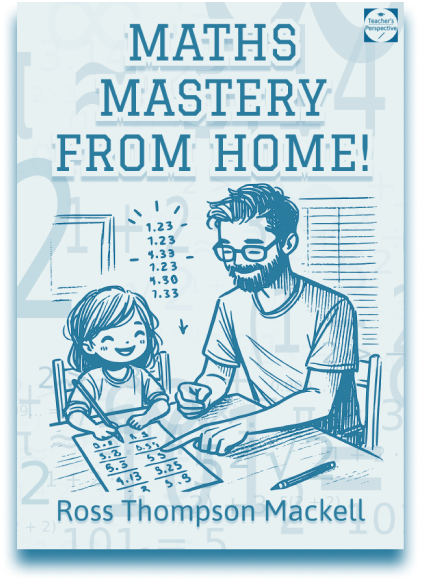
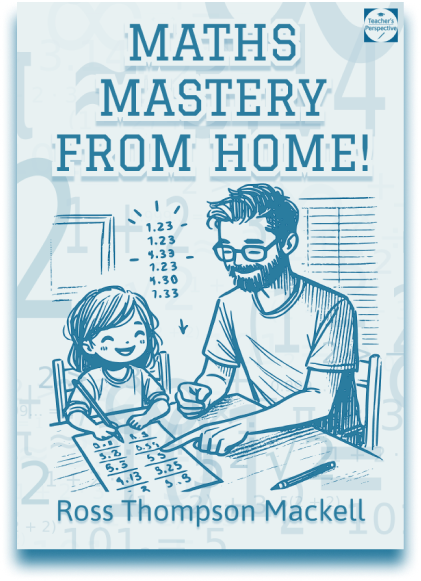
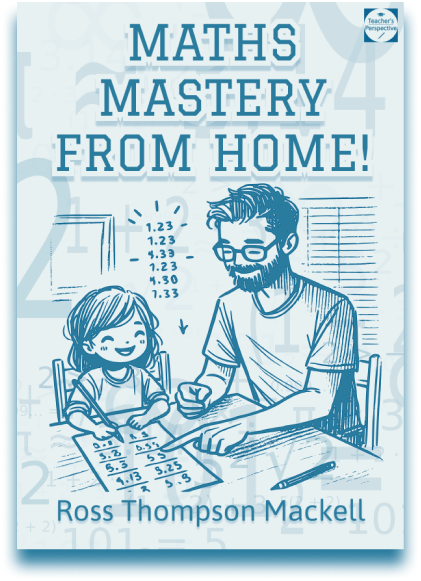
🎉 FREE Maths Mastery Guide for Parents! 🎉
Unlock the secrets to boosting your child’s maths confidence and performance at home with my 5-Point Framework! 📚🚀
Discover proven strategies teachers use to keep kids focused and thriving in maths. These tips can help your child make rapid progress in school! 🧠✨
Don’t miss out—grab your free guide now and set your child on the path to maths success! ⬇️
https://t.co/1qAnXkI8do
🎯 Why Setting Maths Goals Can Boost Your Child’s Motivation 🚀
⏳2 minute read⏳
📘You’ll learn:
-🧠Struggling to keep your child engaged in maths? Learn how setting clear goals can increase motivation and confidence
-🚀Discover why small, achievable maths goals help build momentum, progress, and a sense of accomplishment
-🔍Find out how to set personalised maths goals that keep your child focused and excited about learning
👇READ ON👇
#MathsSupport #ParentingTips #MathSkills #MathsForKids #HomeLearning #MathsPractice #EducationMatters #MathsSuccess #KidsEducation #LearningAtHome #MathsIsFun #MathsConfidence #ParentingAdvice #MathsHelp #ChildDevelopment #StudyTips #EducationGoals #MathsMotivation #ParentingHacks #MathsTutoring
Motivation in maths isn’t just about talent—it’s about having a clear direction.
Setting achievable maths goals helps children focus, track progress, and feel a sense of accomplishment, making learning more engaging and enjoyable.
Whether it’s mastering multiplication or improving problem-solving skills, structured goals provide the motivation kids need to keep pushing forward.
The Power of Setting Clear Maths Goals
One of the biggest challenges in learning maths is feeling overwhelmed.
When children don’t know where to start or what success looks like, they may lose confidence.
Setting specific, measurable goals—such as “solve 10 multiplication problems correctly in five minutes” or “master fractions by the end of the month”—gives them a clear target to work toward.
Small Wins Lead to Big Confidence
Breaking maths learning into smaller milestones makes success more achievable.
Each time a child reaches a goal, they experience a confidence boost that motivates them to tackle the next challenge.
This positive reinforcement encourages persistence, even when they face difficult concepts.
How to Set Effective Maths Goals
The best goals are specific, realistic, and suited to your child’s current skill level.
Instead of saying, “Get better at maths,” try “Improve mental maths speed by practising for 10 minutes a day.”
Encourage your child to track progress with a simple chart or reward system to keep them engaged and motivated.
Making Maths Goals Fun and Engaging
Gamifying goals can turn maths practice into an exciting challenge.
Timed quizzes, interactive apps, or real-world applications (like calculating shopping totals) make maths feel more rewarding.
When learning is enjoyable, motivation naturally follows.
Setting maths goals provides children with direction, confidence, and motivation to improve their skills.
By breaking learning into manageable steps, tracking progress, and making goals engaging, parents can turn maths into a subject their child enjoys rather than dreads.
With the right approach, every child can experience success in maths—one goal at a time.
👇READ ON👇
🎉 FREE Maths Mastery Guide for Parents! 🎉
Unlock the secrets to boosting your child’s maths confidence and performance at home with my 5-Point Framework! 📚🚀
Discover proven strategies teachers use to keep kids focused and thriving in maths. These tips can help your child make rapid progress in school! 🧠✨
Don’t miss out—grab your free guide now and set your child on the path to maths success! ⬇️
https://t.co/1qAnXkI8do
🏡 How to Use Everyday Objects to Teach Maths at Home 🚀
⏳2 minute read⏳
📘You’ll learn:
-🏡No fancy tools needed! Discover how everyday objects can make maths learning fun and practical at home
-🚀Turn household items into powerful teaching tools to build your child’s maths confidence
-🔍Learn simple, hands-on strategies to teach counting, fractions, geometry, and more—using things you already have!
👇READ ON👇
#MathsSupport #ParentingTips #MathSkills #MathsForKids #HomeLearning #MathsPractice #EducationMatters #MathsSuccess #KidsEducation #LearningAtHome #MathsIsFun #MathsConfidence #ParentingAdvice #MathsHelp #ChildDevelopment #StudyTips #EducationGoals #MathsMotivation #ParentingHacks #MathsTutoring
Teaching maths at home doesn’t require expensive tools or specialised resources.
Some of the best teaching aids are already in your home!
Everyday objects can make maths more hands-on, engaging, and relatable for children, helping them develop a deeper understanding of key concepts while having fun.
Using Household Objects for Maths Learning
Simple items like coins, buttons, measuring cups, and building blocks can reinforce important maths skills.
Coins help with counting, addition, and understanding money values.
Measuring cups make fractions and volume tangible.
Even something as basic as a ruler can teach measurement and geometry.
When children interact with numbers in real-life scenarios, learning becomes more meaningful.
Making Maths Hands-On and Interactive
Many children struggle with abstract maths concepts, but using objects they can touch and manipulate makes a huge difference.
For example, arranging LEGO bricks into groups helps visualise multiplication, while cutting an apple into slices is a great way to demonstrate fractions.
Learning through play and hands-on activities helps children retain information and feel more confident in their abilities.
Real-Life Maths Activities to Try
You can turn everyday tasks into fun maths lessons.
While cooking, ask your child to measure ingredients and double or halve recipes to practise fractions.
When shopping, encourage them to calculate discounts and estimate totals.
At home, challenge them to sort laundry into patterns by color or size, reinforcing early maths skills like classification and grouping.
These small but effective activities build problem-solving abilities and make maths a natural part of daily life.
Why This Approach Works
Children learn best when they see how maths applies to the real world.
When they realise that numbers are more than just symbols on a page, they become more engaged and motivated to learn.
By using everyday objects, parents can create a stress-free learning environment that boosts confidence, problem-solving skills, and a lifelong appreciation for maths.
Teaching maths at home doesn’t have to be complicated.
Everyday objects can turn learning into an exciting, interactive experience that reinforces key skills.
By incorporating hands-on activities into daily life, you can make maths more accessible, enjoyable, and relevant to your child.
With the right approach, maths becomes not just a subject, but a tool they’ll use and appreciate for years to come.
👇READ ON👇
🎉 FREE Maths Mastery Guide for Parents! 🎉
Unlock the secrets to boosting your child’s maths confidence and performance at home with my 5-Point Framework! 📚🚀
Discover proven strategies teachers use to keep kids focused and thriving in maths. These tips can help your child make rapid progress in school! 🧠✨
Don’t miss out—grab your free guide now and set your child on the path to maths success! ⬇️
https://t.co/1qAnXkI8do
🧠 Why Early Mastery of Arithmetic Sets the Stage for Long-Term Success 🚀
⏳2 minute read⏳
📘You’ll learn:
-🧠Mastering arithmetic early builds a strong maths foundation—find out why it’s key to long-term academic success
-🚀Learn how early number skills impact problem-solving, confidence, and future learning in maths
-🔍Discover simple ways to help your child strengthen arithmetic skills for long-term achievement
👇READ ON👇
#MathsSupport #ParentingTips #MathSkills #MathsForKids #HomeLearning #MathsPractice #EducationMatters #MathsSuccess #KidsEducation #LearningAtHome #MathsIsFun #MathsConfidence #ParentingAdvice #MathsHelp #ChildDevelopment #StudyTips #EducationGoals #MathsMotivation #ParentingHacks #MathsTutoring
A strong foundation in arithmetic is one of the most important factors in a child’s long-term success in maths.
Early fluency in basic number skills not only improves problem-solving but also builds confidence, making future learning smoother and more enjoyable.
When children master arithmetic early, they develop the skills and mindset needed to tackle more advanced concepts with ease.
Why Early Arithmetic Matters
Arithmetic—addition, subtraction, multiplication, and division—is the basis of all higher-level maths.
If a child struggles with these fundamental skills, they may find more complex topics like fractions, algebra, and geometry overwhelming.
Mastery of arithmetic ensures they can approach these subjects with confidence rather than frustration.
Building Confidence Through Strong Foundations
When children can quickly and accurately perform basic calculations, they spend less time worrying about the mechanics of maths and more time focusing on problem-solving and reasoning.
This ability leads to greater engagement in learning, as maths becomes a subject they feel equipped to handle rather than one they fear.
Confidence in maths often extends to other areas of learning, reinforcing a growth mindset that encourages perseverance and curiosity.
How Arithmetic Supports Future Learning
Fluency in arithmetic allows children to recognise patterns, understand relationships between numbers, and think critically about mathematical problems.
These skills are crucial when they move on to more advanced topics. Without a strong foundation, learning new concepts can feel like building on shaky ground, leading to frustration and disengagement.
Practical Ways to Strengthen Arithmetic Skills
Early arithmetic mastery doesn’t have to come from endless worksheets.
Making maths part of everyday activities is one of the most effective ways to reinforce skills.
Simple practices like counting objects, playing number-based board games, and solving real-life problems (such as figuring out shopping totals or measuring ingredients) help solidify understanding in a fun and natural way.
Mastering arithmetic early sets children up for success by providing them with the confidence, problem-solving skills, and foundational knowledge needed for future learning.
By making maths a part of everyday life and encouraging consistent practice, parents can help their children develop the skills they need to excel—not just in maths, but in all areas of critical thinking and problem-solving.
👇READ ON👇
🎉 FREE Maths Mastery Guide for Parents! 🎉
Unlock the secrets to boosting your child’s maths confidence and performance at home with my 5-Point Framework! 📚🚀
Discover proven strategies teachers use to keep kids focused and thriving in maths. These tips can help your child make rapid progress in school! 🧠✨
Don’t miss out—grab your free guide now and set your child on the path to maths success! ⬇️
https://t.co/1qAnXkI8do
#MathsSupport #ParentingTips #MathSkills #MathsForKids #HomeLearning #MathsPractice #EducationMatters #MathsSuccess #KidsEducation #LearningAtHome #MathsIsFun #MathsConfidence #ParentingAdvice #MathsHelp #ChildDevelopment #StudyTips #EducationGoals #MathsMotivation #ParentingHacks #MathsTutoring
🧠 Does Maths Build Resilience? Unlocking the Truth for Your Child 🚀
⏳2 minute read⏳
📘You’ll learn:
-🧠Can maths actually build resilience? Discover how problem-solving strengthens your child’s ability to handle challenges
-🚀Learn why struggling with maths—and overcoming it—is key to developing persistence and a growth mindset
-🔍Find out how maths teaches resilience, patience, and confidence that extends beyond the classroom
👇READ ON👇
#MathsSupport #ParentingTips #MathSkills #MathsForKids #HomeLearning #MathsPractice #EducationMatters #MathsSuccess #KidsEducation #LearningAtHome #MathsIsFun #MathsConfidence #ParentingAdvice #MathsHelp #ChildDevelopment #StudyTips #EducationGoals #MathsMotivation #ParentingHacks #MathsTutoring
Resilience—the ability to bounce back from challenges—is one of the most valuable life skills a child can develop.
Surprisingly, maths is one of the best ways to build resilience, as it teaches patience, persistence, and problem-solving.
By encouraging children to work through maths challenges, we help them develop a mindset that embraces effort and growth.
Maths Encourages a Growth Mindset
One of the key elements of resilience is understanding that failure is a step toward success.
When children struggle with a maths problem, they have two choices: give up or keep trying.
Encouraging them to persist, rethink their approach, and learn from mistakes fosters a growth mindset—the belief that abilities can improve with effort.
This mindset helps children in all areas of life, from academics to personal challenges.
Problem-Solving Strengthens Persistence
Maths problems often require multiple steps to reach a solution.
This process of trial and error teaches patience and determination.
When a child works through a difficult equation, they learn that perseverance leads to success.
The ability to stay focused, adjust strategies, and keep going despite setbacks is a key trait of resilient individuals.
Building Confidence Through Small Wins
Resilience isn’t just about overcoming major obstacles—it’s built through small victories.
Each time a child successfully solves a maths problem after struggling with it, their confidence grows.
These small moments of achievement reinforce the idea that persistence leads to results, giving children the courage to face bigger challenges in the future.
How Parents Can Support Resilience Through Maths
To help your child develop resilience, focus on effort rather than just correct answers.
Praise their problem-solving strategies and encourage them to try different approaches.
Instead of stepping in immediately when they’re stuck, ask guiding questions that help them think critically and find their own solutions.
This empowers them to take ownership of their learning and builds their confidence in handling challenges.
Maths is more than just an academic subject—it’s a resilience-building tool that teaches children patience, persistence, and confidence.
By helping them embrace challenges, learn from mistakes, and celebrate progress, you’re not just improving their maths skills—you’re preparing them for a lifetime of success.
The next time your child faces a tricky maths problem, remind them: every challenge is an opportunity to grow.
👇READ ON👇
🎉 FREE Maths Mastery Guide for Parents! 🎉
Unlock the secrets to boosting your child’s maths confidence and performance at home with my 5-Point Framework! 📚🚀
Discover proven strategies teachers use to keep kids focused and thriving in maths. These tips can help your child make rapid progress in school! 🧠✨
Don’t miss out—grab your free guide now and set your child on the path to maths success! ⬇️
https://t.co/1qAnXkI8do
#MathsSupport #ParentingTips #MathSkills #MathsForKids #HomeLearning #MathsPractice #EducationMatters #MathsSuccess #KidsEducation #LearningAtHome #MathsIsFun #MathsConfidence #ParentingAdvice #MathsHelp #ChildDevelopment #StudyTips #EducationGoals #MathsMotivation #ParentingHacks #MathsTutoring
Supporting Reluctant Learners Framework:
1. Identify the root cause 🤔
2. Establish current level 📝
3. Frame challenges positively 😊
4. Consolidate arithmetic and place value 🧮
5. Praise and reward 🌟
🎉 FREE Maths Mastery Guide for Parents! 🎉
Unlock the secrets to boosting your child’s maths confidence and performance at home with my 5-Point Framework! 📚🚀
Discover proven strategies teachers use to keep kids focused and thriving in maths. These tips can help your child make rapid progress in school! 🧠✨
Don’t miss out—grab your free guide now and set your child on the path to maths success! ⬇️
https://t.co/1qAnXkI8do
🏡 What Every Parent Needs to Know About Supporting Maths at Home 🚀
⏳2 minute read⏳
📘You’ll learn:
-🏡Want to help your child with maths at home? Learn simple, effective strategies that make a real difference
-🚀Discover how to build confidence, encourage problem-solving, and make maths practice stress-free
-🔍Find out why your approach to maths matters and how to create a positive learning environment
👇READ ON👇
#MathsSupport #ParentingTips #MathSkills #MathsForKids #HomeLearning #MathsPractice #EducationMatters #MathsSuccess #KidsEducation #LearningAtHome #MathsIsFun #MathsConfidence #ParentingAdvice #MathsHelp #ChildDevelopment #StudyTips #EducationGoals #MathsMotivation #ParentingHacks #MathsTutoring
Many parents worry about how to help their child with maths at home, but the good news is that you don’t need to be a maths expert to make a difference.
A supportive, encouraging approach can help your child build confidence, develop problem-solving skills, and see maths as something they can master.
Building Confidence is Key
A child’s attitude toward maths plays a huge role in their success.
If they believe they’re “bad at maths,” they’re more likely to avoid it and feel frustrated.
Encouraging a growth mindset—where effort and progress are celebrated—helps children understand that skills develop over time.
Praise persistence, remind them that mistakes are part of learning, and focus on how far they’ve come rather than just the final answer.
Incorporate Maths into Everyday Life
Maths isn’t just about worksheets—it’s everywhere!
Involve your child in real-life maths experiences, such as measuring ingredients while cooking, calculating change while shopping, or estimating how long a trip will take.
These natural learning moments show that maths is useful and help children become more comfortable with numbers.
Keep Practice Simple and Stress-Free
A little maths practice every day is more effective than occasional long study sessions.
Short, engaging activities like mental maths challenges, maths-based puzzles, or fun worksheets help reinforce concepts without creating stress.
By making maths a routine part of their day, children build confidence and skills without feeling overwhelmed.
Use the Right Resources for Your Child’s Learning Style
Every child learns differently, so explore different approaches to find what works best.
Some children benefit from visual explanations, while others prefer hands-on activities or interactive apps.
Try different methods, like maths games, number puzzles, or real-world problem-solving tasks, to make learning engaging and effective.
Supporting your child’s maths learning at home is all about building confidence, making maths part of everyday life, and keeping practice fun and consistent.
With the right mindset and approach, you can help your child see maths as a skill they can develop, not something to fear.
Encouragement and patience go a long way in turning maths into a positive experience.
👇READ ON👇