February 2023
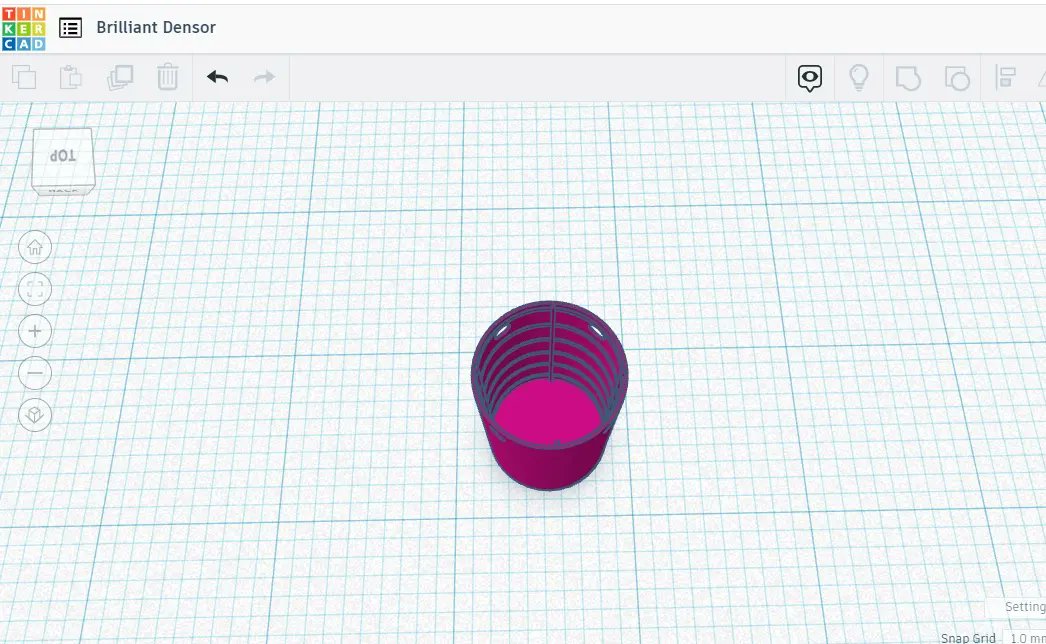
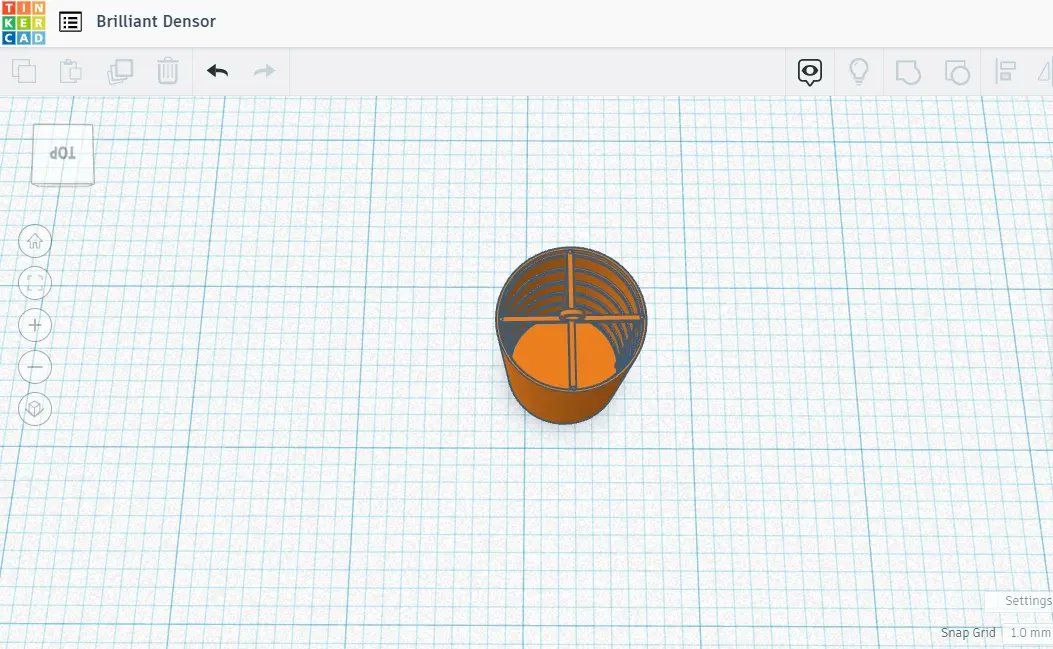
This is the initial screw thread 3D model printing - it was printed 25% of the size of the actual can in order to test if the halves would screw together correctly.
February 2023
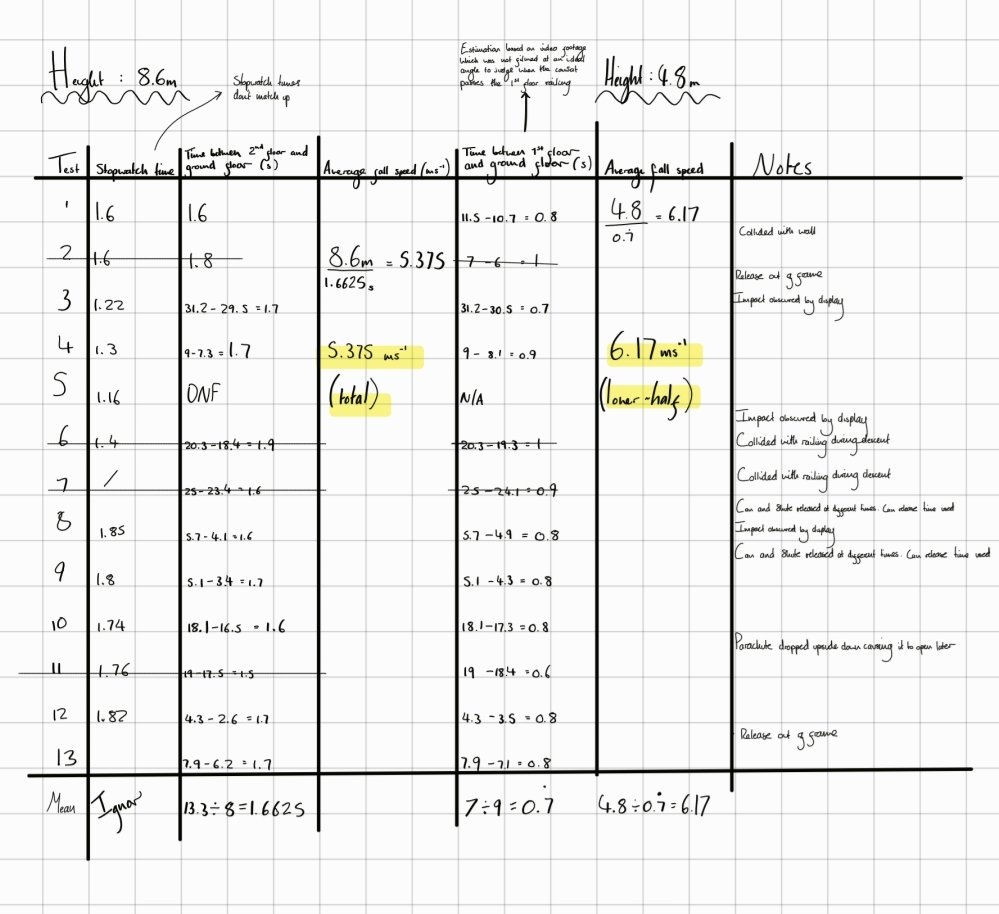
Results & conclusions of the hemispherical parachute tests!
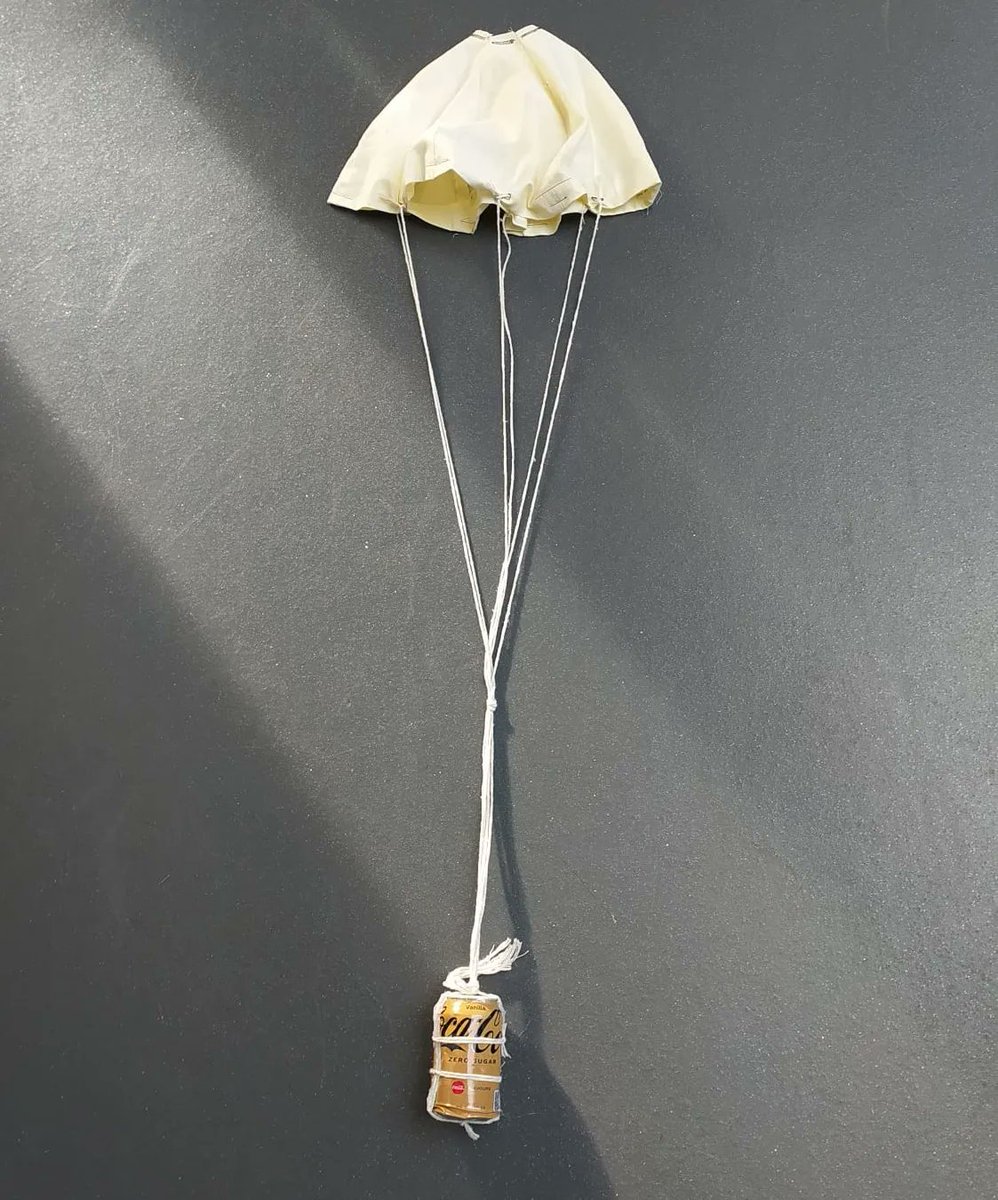
The parachute falls at roughly 6 m/s which is in the range stated in the guidelines, final tests are to be carried out using a parachute of a different material to determine if more/less drag is created.
February 2023
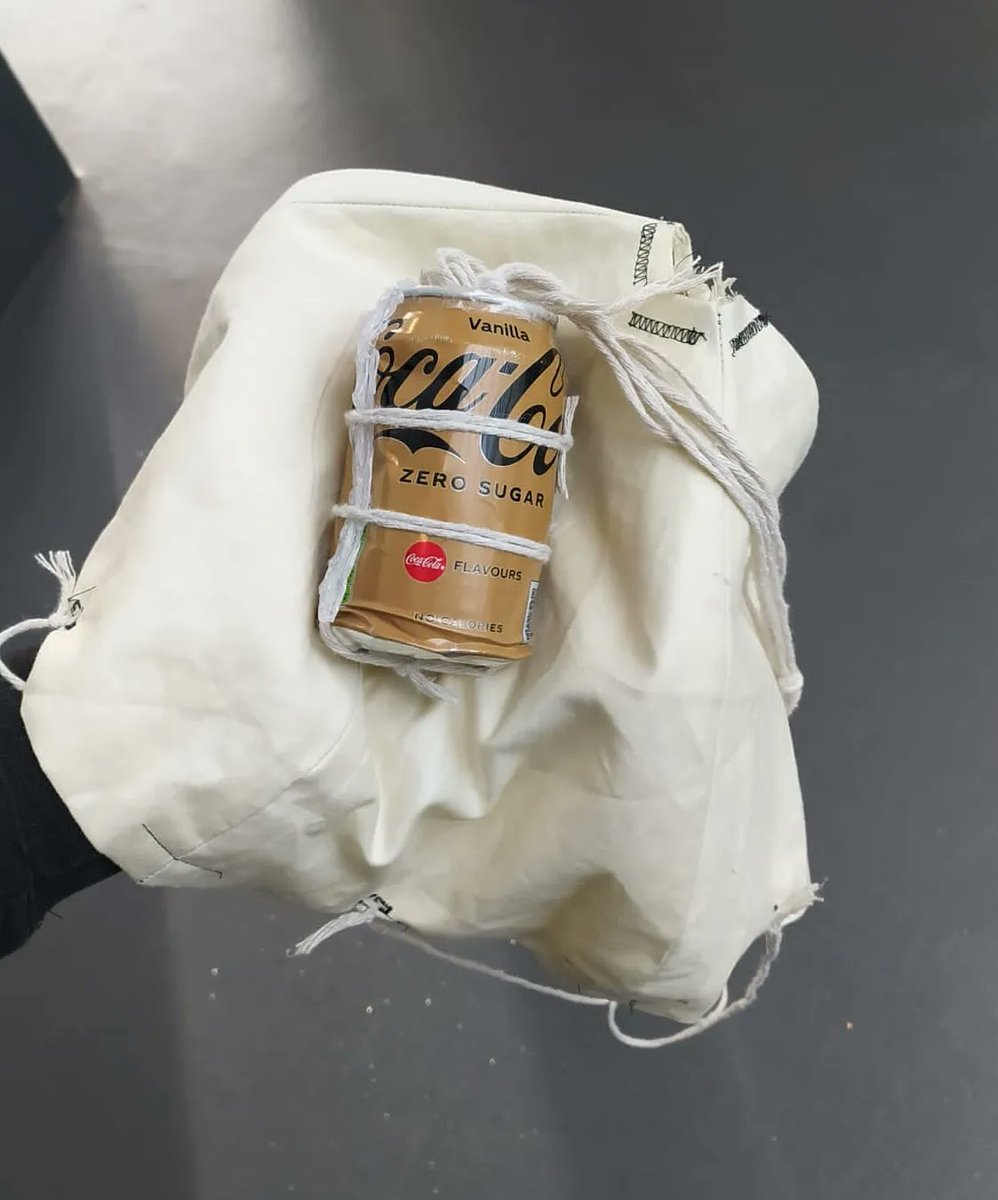
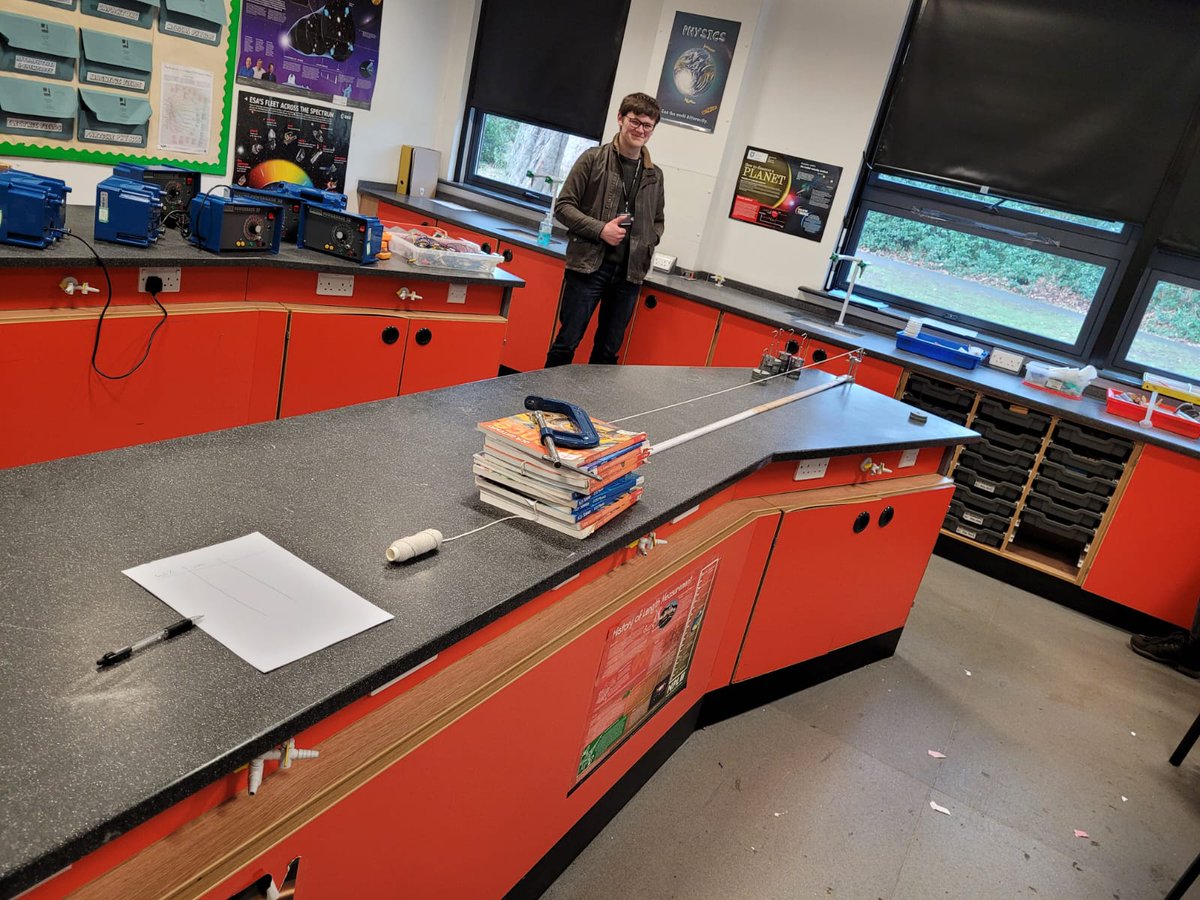
String tension tests for the parachute - we used weights to determine how much the string could hold before snapping, the strongest string will then be used to attach the parachute to the can.
January 2023
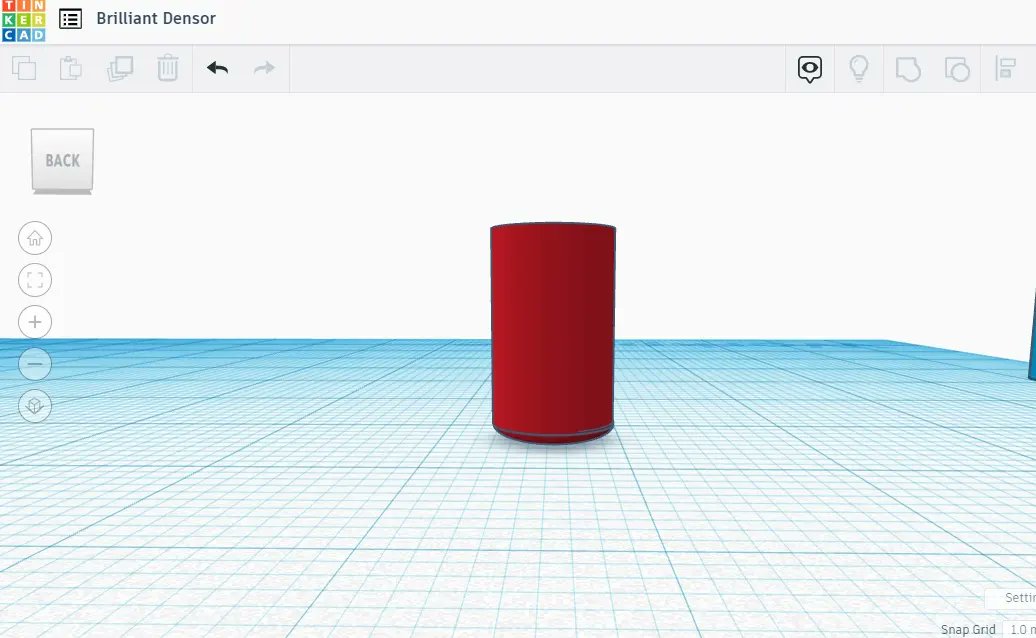
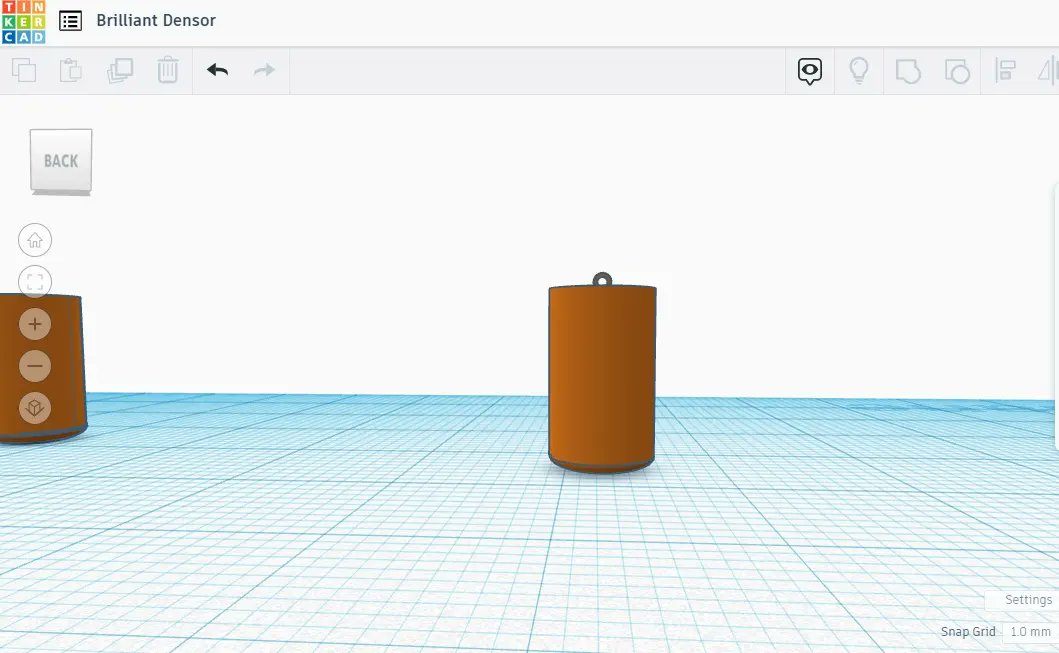
These are the initial 3D designs for the body made using TinkerCAD. We tested different designs in order to find the best way to attach the parachute, including a hook and holes in the side of the can itself.
December 2022
Our drop tests and results!
The can falls a bit too slowly so parachute adjustments are to be made so we can get it to fall at around 6 m/s.
December 2022
Our first Drop Tests !!! 🛰
Testing the prototype CanSat indoors (by dropping it) and gathering results, with the whole team...
(footage and results coming soon !)
November 2022
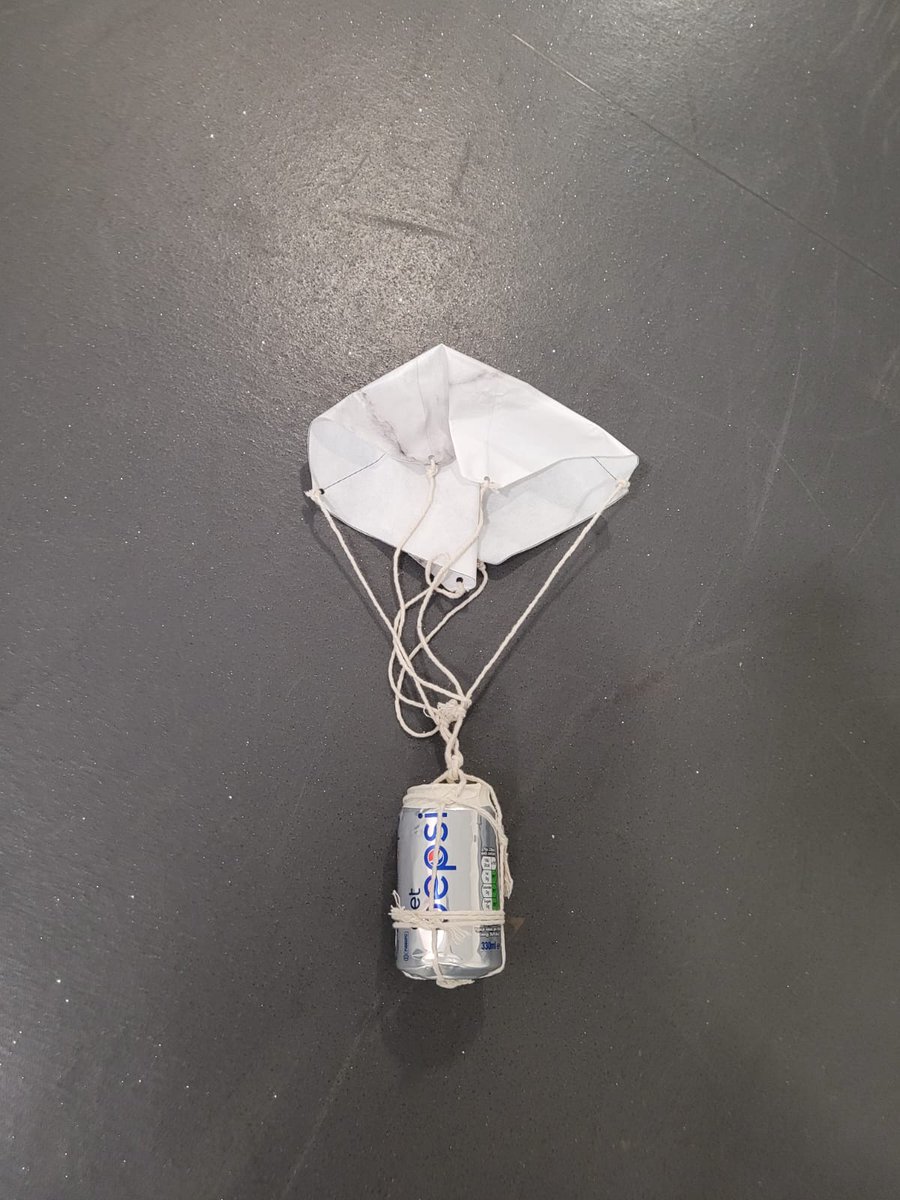
Completed prototype CanSat design for testing parachute calculations and design in drop tests:
Using a:
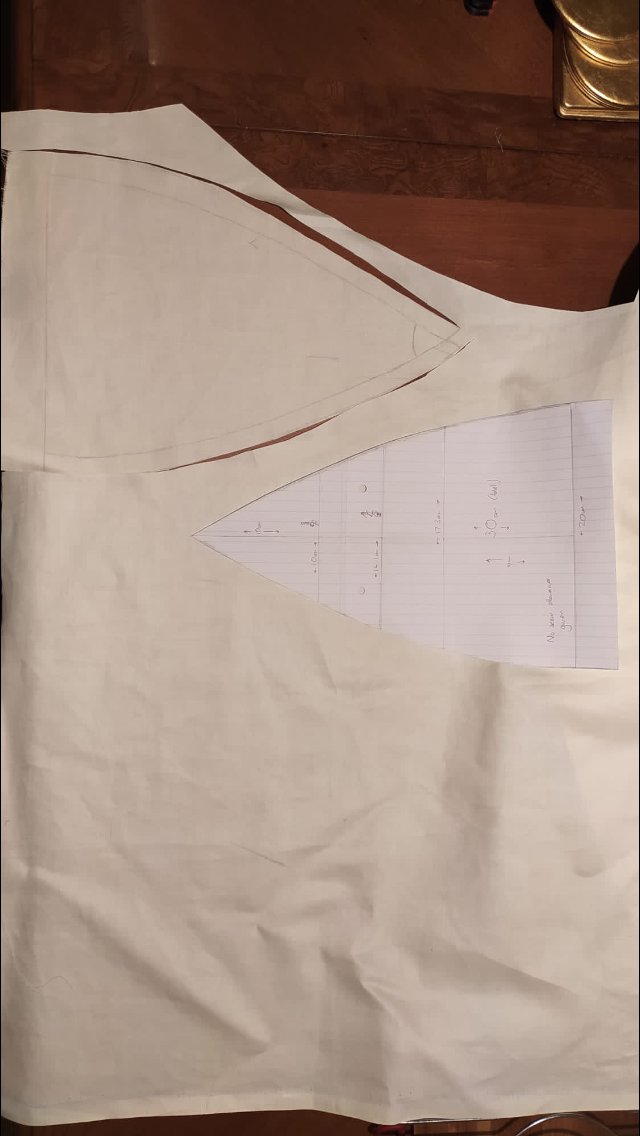
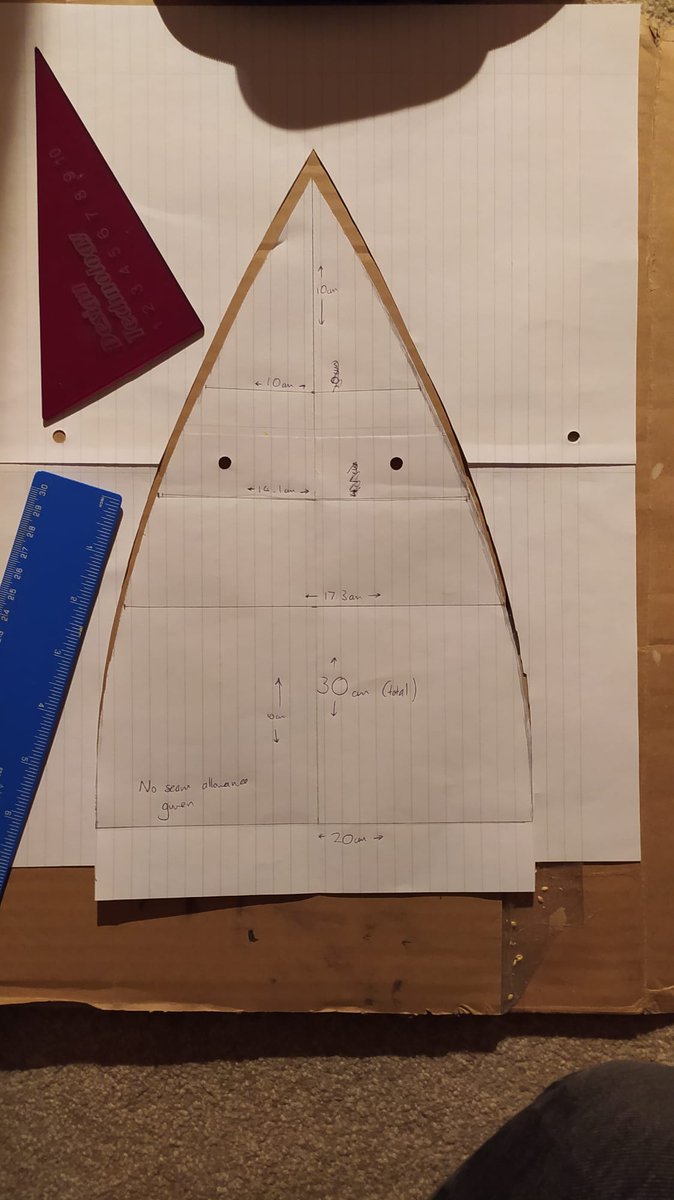
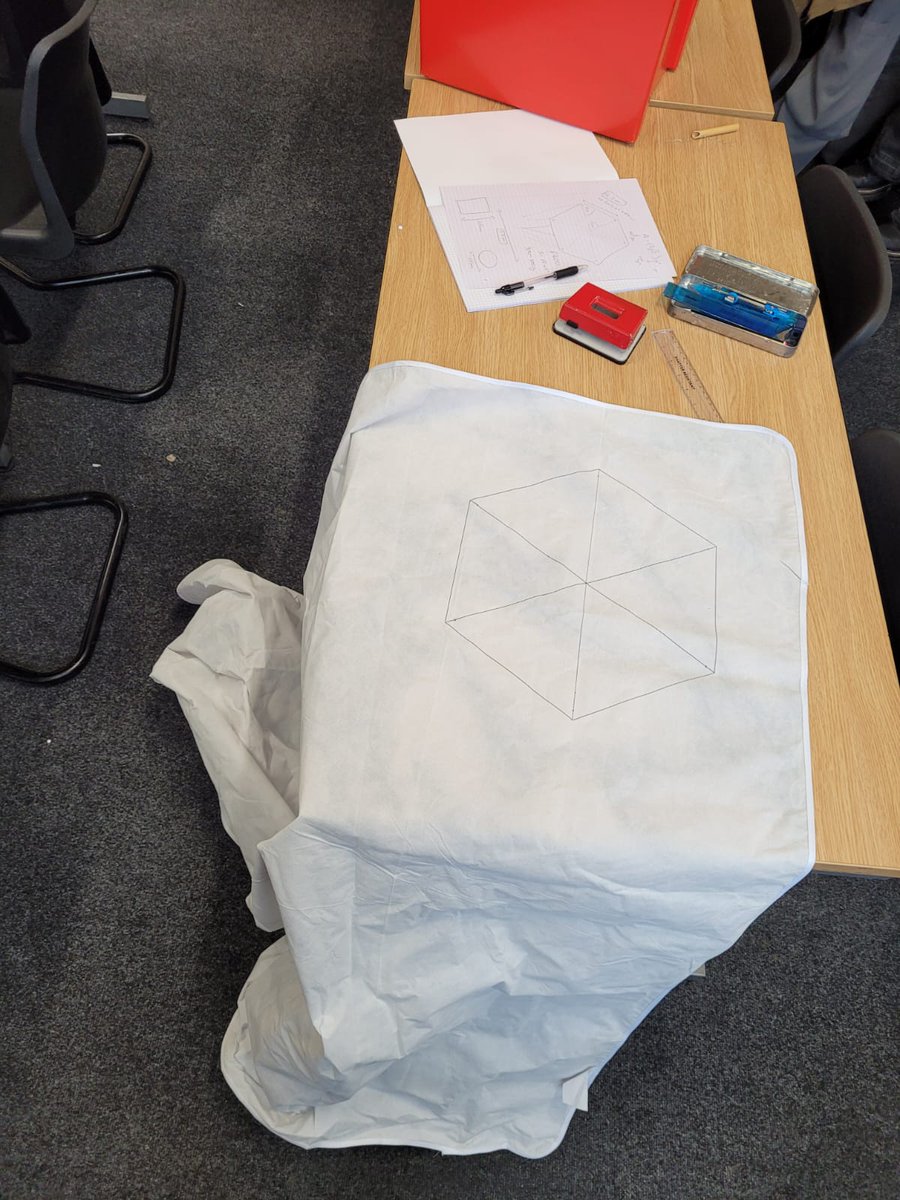
- Hexagonal parachute design
- Soda can filled with sand to simulate mass and correct body dimensions
Planning drop tests very soon...
November 2022
Working on hexagonal parachute design to be used in drop tests..
A soda can filled with sand (simulate weight between 300-350g) will be used as the 'satellite' to test the effectiveness of the parachute and accuracy of our calculations for the size and dimensions
November 2022
Prototype parachute design materials...
Chosen because of low cost and resemblance to material used in parachutes,
1. Cotton linen, tightly woven fabric
2. Plastic tablecloth, similar to parachutes
More expensive and formal material planned for the final design