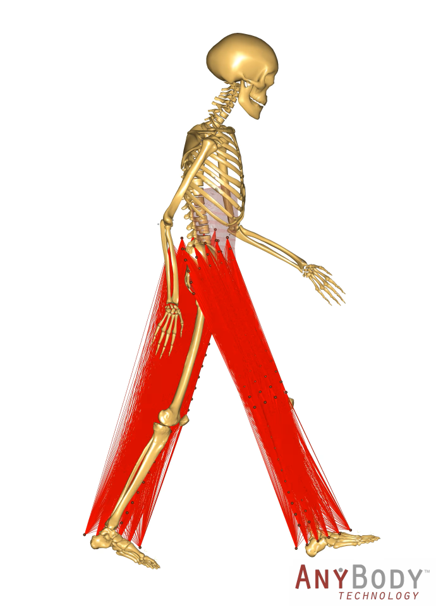
𝐓𝐨𝐰𝐚𝐫𝐝𝐬 𝐦𝐨𝐫𝐞 𝐞𝐟𝐟𝐢𝐜𝐢𝐞𝐧𝐭 𝐩𝐚𝐭𝐢𝐞𝐧𝐭-𝐬𝐩𝐞𝐜𝐢𝐟𝐢𝐜 𝐦𝐮𝐬𝐜𝐮𝐥𝐨𝐬𝐤𝐞𝐥𝐞𝐭𝐚𝐥 𝐦𝐨𝐝𝐞𝐥𝐥𝐢𝐧𝐠
A research study proposes how to automatically construct patient-specific models without compromising quality.
🔗 https://t.co/I1EbZJF0jz
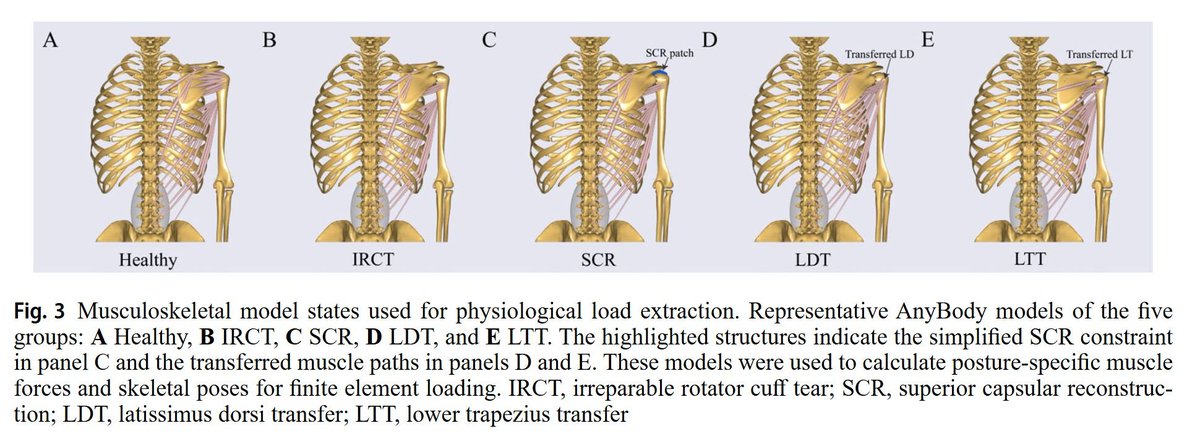
AnyBody was used to link posture-specific shoulder muscle forces and kinematics with finite element analyses of three reconstructive approaches for irreparable rotator cuff tears.
🔗 Read the open-access paper: https://t.co/w09kOrGDrJ
AnyBody was used to link posture-specific shoulder muscle forces and kinematics with finite element analyses of three reconstructive approaches for irreparable rotator cuff tears.
🔗 Read the open-access paper: https://t.co/ILVnb3mh0x
Using AnyBody, researchers assessed gait and human–machine coupling for a reconfigurable ankle rehabilitation mechanism with staged 1R, 2R and 3R modes.
Read the open-access paper: https://t.co/tK7QqaabP4
Using AnyBody, researchers evaluated posture and joint reaction forces during simulated wall construction at two working heights.
🔗 Read the preprint here: https://t.co/s7x7ftmAt9
𝐂𝐚𝐧 𝐠𝐚𝐢𝐭 𝐚𝐧𝐚𝐥𝐲𝐬𝐢𝐬 𝐡𝐞𝐥𝐩 𝐩𝐫𝐞𝐝𝐢𝐜𝐭 𝐰𝐡𝐢𝐜𝐡 𝐭𝐢𝐛𝐢𝐚𝐥 𝐟𝐫𝐚𝐜𝐭𝐮𝐫𝐞𝐬 𝐰𝐨𝐧'𝐭 𝐡𝐞𝐚𝐥? A new study used AnyBody simulations to help find out.
📜 Read the full open-access paper: https://t.co/JuA7PSSmRw
New study uses AnyBody Modeling system to investigate the injury risk to attendants by simulating and analyzing the joint moment that occurs during wheelchair transportation for five different ramp ratios and five different velocities.
🔗 https://t.co/xaFxnD7DBd
New study from investigates the 𝑺𝒆𝒏𝒔𝒊𝒕𝒊𝒗𝒊𝒕𝒚 𝒐𝒇 𝒎𝒖𝒔𝒄𝒖𝒍𝒐𝒔𝒌𝒆𝒍𝒆𝒕𝒂𝒍 𝒎𝒐𝒅𝒆𝒍-𝒑𝒓𝒆𝒅𝒊𝒄𝒕𝒆𝒅 𝒍𝒐𝒂𝒅𝒔 𝒕𝒐 𝒔𝒑𝒊𝒏𝒂𝒍 𝒂𝒍𝒊𝒈𝒏𝒎𝒆𝒏𝒕 𝒊𝒏𝒅𝒊𝒗𝒊𝒅𝒖𝒂𝒍𝒊𝒛𝒂𝒕𝒊𝒐𝒏 𝒊𝒏 𝒂𝒅𝒖𝒍𝒕 𝒔𝒑𝒊𝒏𝒂𝒍 𝒅𝒆𝒇𝒐𝒓𝒎𝒊𝒕𝒚.
https://t.co/RkMCliN8op
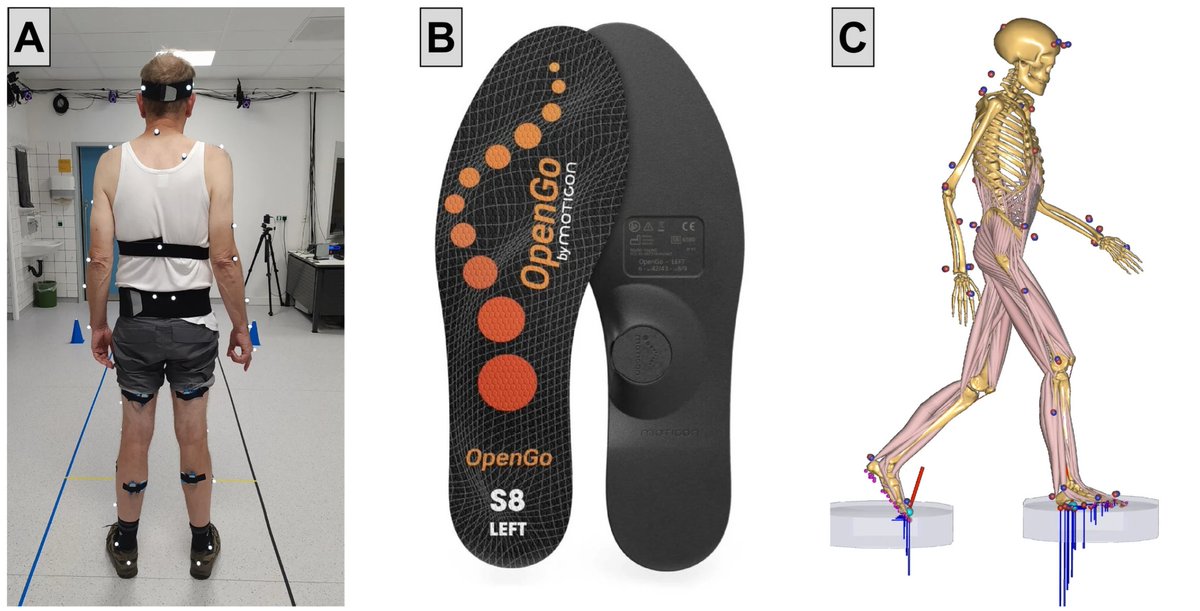
Watch or re-watch Dr. David Lunn's recent webcast about a newly published open-access motion capture dataset of 137 post-operative total hip replacement patients.
📽️ https://t.co/KKUDZWWp7h