Are you a fan of vendor lock-ins? What if the llm model changes and it's no longer accessible?
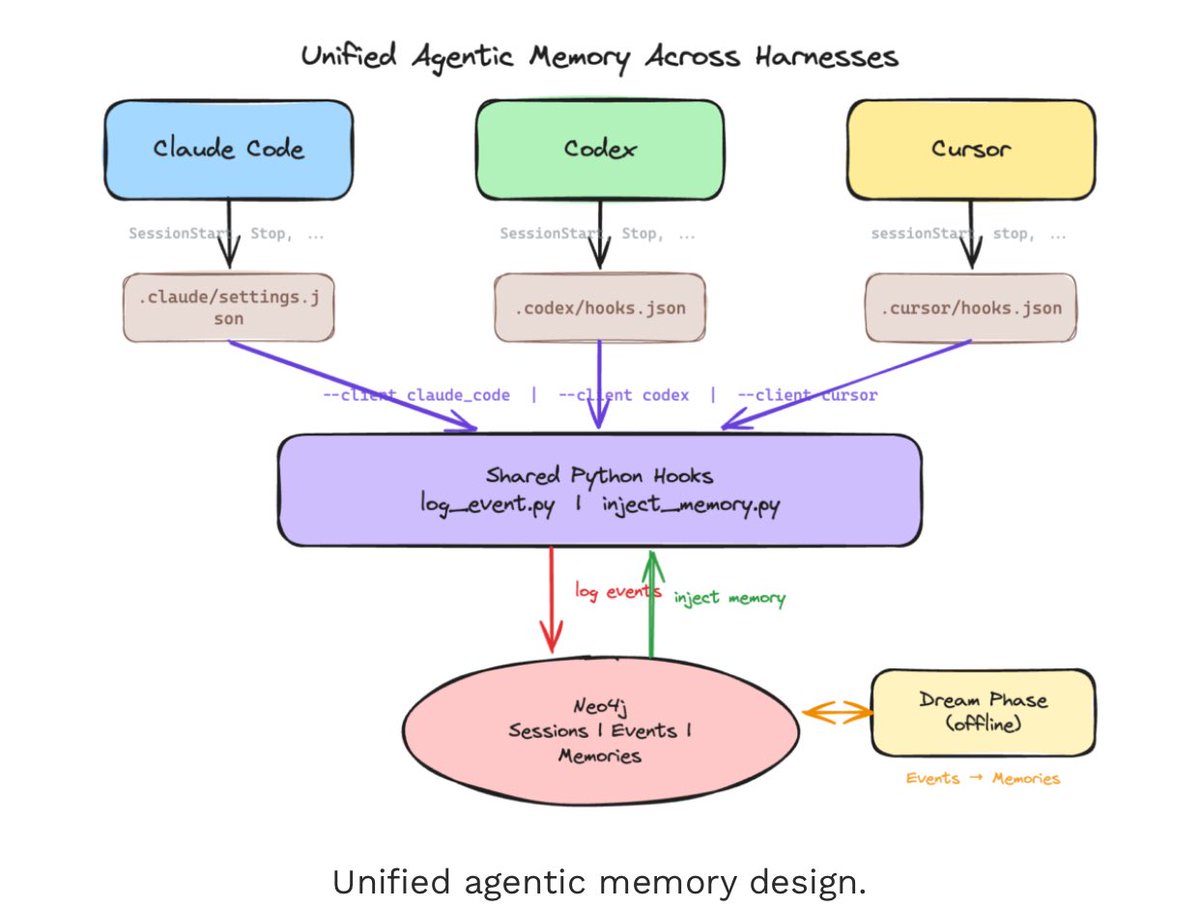
It's time to keep memory management layers separate.
I really like Tomaz Bratanic's article on harnessing hooks in Neo4j so you own your solution forever.
https://t.co/ejHGH033Bt
We’re rushing to push unpredictable AI systems into production. and then burning twice the time and money containing the damage. That’s not progress, it’s poor discipline.
Before we scale machines that mimic intelligence, we need to raise the bar on our own: better judgment, stronger engineering rigor, and clearer accountability. Otherwise, we’re just automating chaos.
https://t.co/tSP9foevWB
If you don’t understand the data, the problem, and the failure modes, AI won’t save you. It will just help you be wrong faster.
Last week I vibe-coded an interactive report on top of messy, noisy data.
AI wrote the code.
I did the thinking.
I used NLP for tagging, statistics to cut noise, and visualization to surface the real insights.
The model helped execute.
But without direction, it would’ve gone nowhere.
SQL is easy, but good data architecture is hard.
The challenge is not writing queries but understanding a highly complex data model.
How would you go about simplifying data models? Find granularity, define relationships, use indexes and plan for future schemas evolution.
AI “loops” sound elegant until you have to debug one.
Prompts calling models calling tools calling prompts, and no clear state.
The real cost of autonomy is traceability.
How is a human supposed to clean that up?
Waiting to ‘fix all the fundamentals’ before embracing AI is like refusing to use the internet until dial-up speeds improve. Progress never waits for perfection.
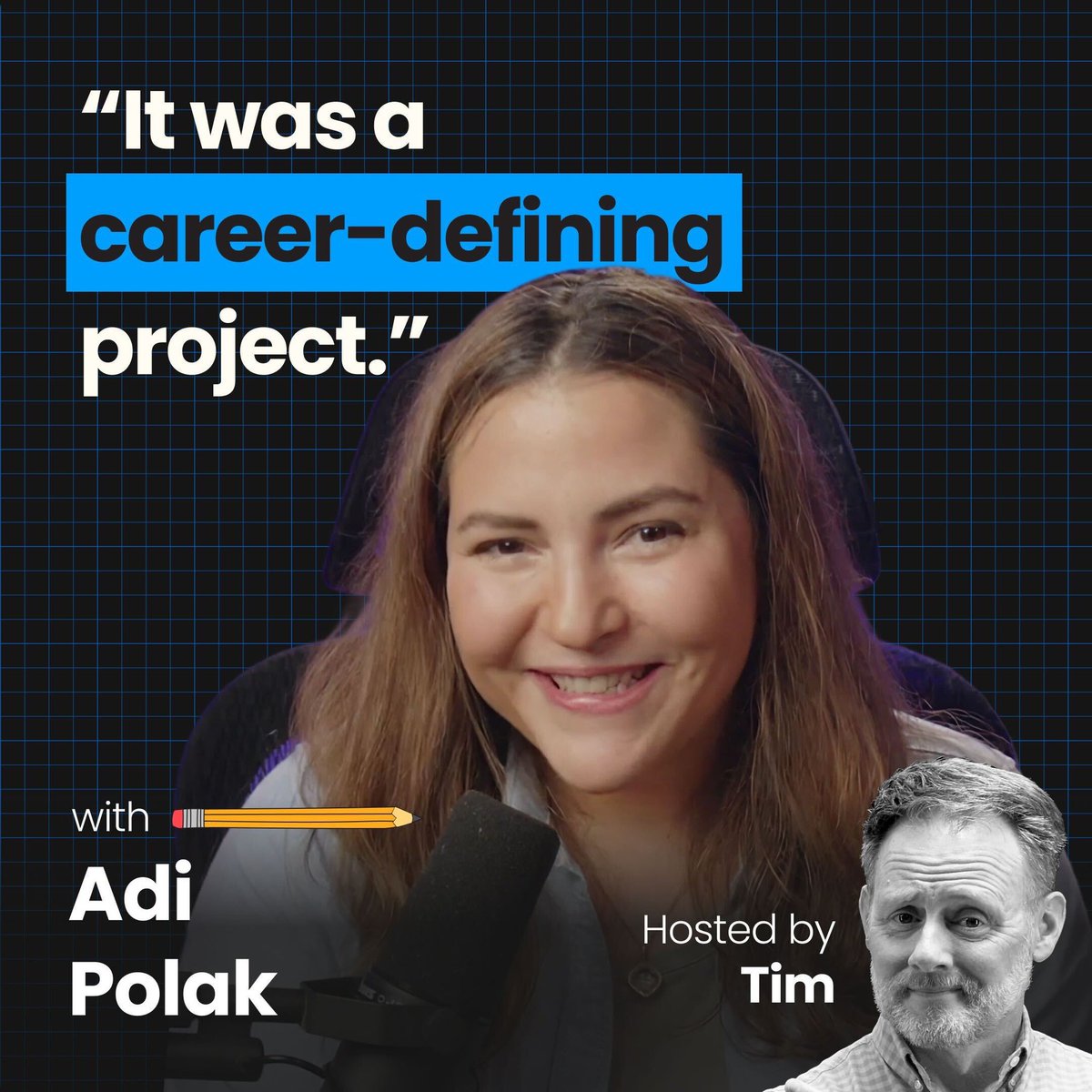
💡 @tlberglund and I talk every day about strategy, priorities, and growing people. But this one’s different. This time, we recorded it. Join us for a candid conversation on the project that turned out to be truly career-defining. 🎙️
In a startup world, you learn a lot and fast. One of the signals of healthy team culture is when the most experienced people say to everyone, "I have no idea how to do this. I'll have to figure this out."
Orchestrating agents feels new, but we’ve done this for years with microservices, workflows, and event streams.
The difference is: agents are non-deterministic. this makes evel and validation loops critical for success.
Every major AI lab is hiring people who can:
– ship eval pipelines
– scale training infra
– write interpretable logs
MLE ≠ "fine-tune a llama"
It’s how to make reasoning reliable at scale.
Get in. It’s day 1.
The best time to start in ML was 5 years ago.
The second best time is after reading that an LLM solved 5 IMO problems in natural language.
The field just shifted from language generation to reasoning.
Learn to build systems, not just prompts.
Building AI agents? 🤖🤖🤖
You might actually be building microservices.
@AdiPolak is back at the lightboard to explain what an AI agent is, what a modern AI system looks like, and how to architect that system for production using event-driven microservices!
Watch the full video here: https://t.co/7iXIAAtxwH
Want to learn more about designing multi-agent systems? We've got you covered.
👉 Check out this guide: https://t.co/JVPKHAwjYZ
👉 Tap into these resources: https://t.co/ExrTYj6jOj
This great presentation from @AdiPolak about data streaming includes the type of knowledge you want to have before prompting LLMs to build any complex systems.
Ask better questions by first knowing these architectural concepts!
https://t.co/WxdK6UywkJ