Folks, thanks a ton for your ongoing support!
Just letting you know that our future pieces will be hosted on our Substack.
We’ve moved most of our archive there as well.
Do yourselves a favour and give our Substack a subscribe!
Thanks, legends!
https://t.co/KvwALsoy6O
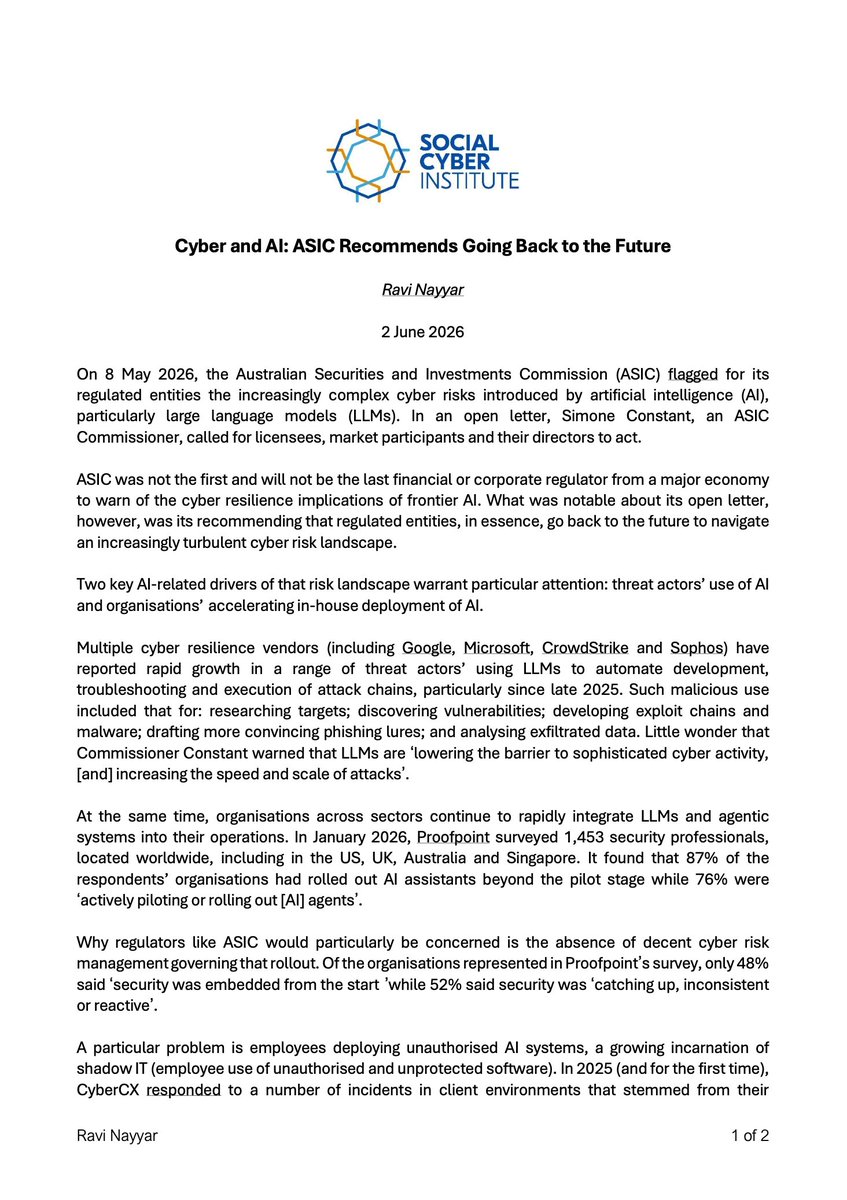
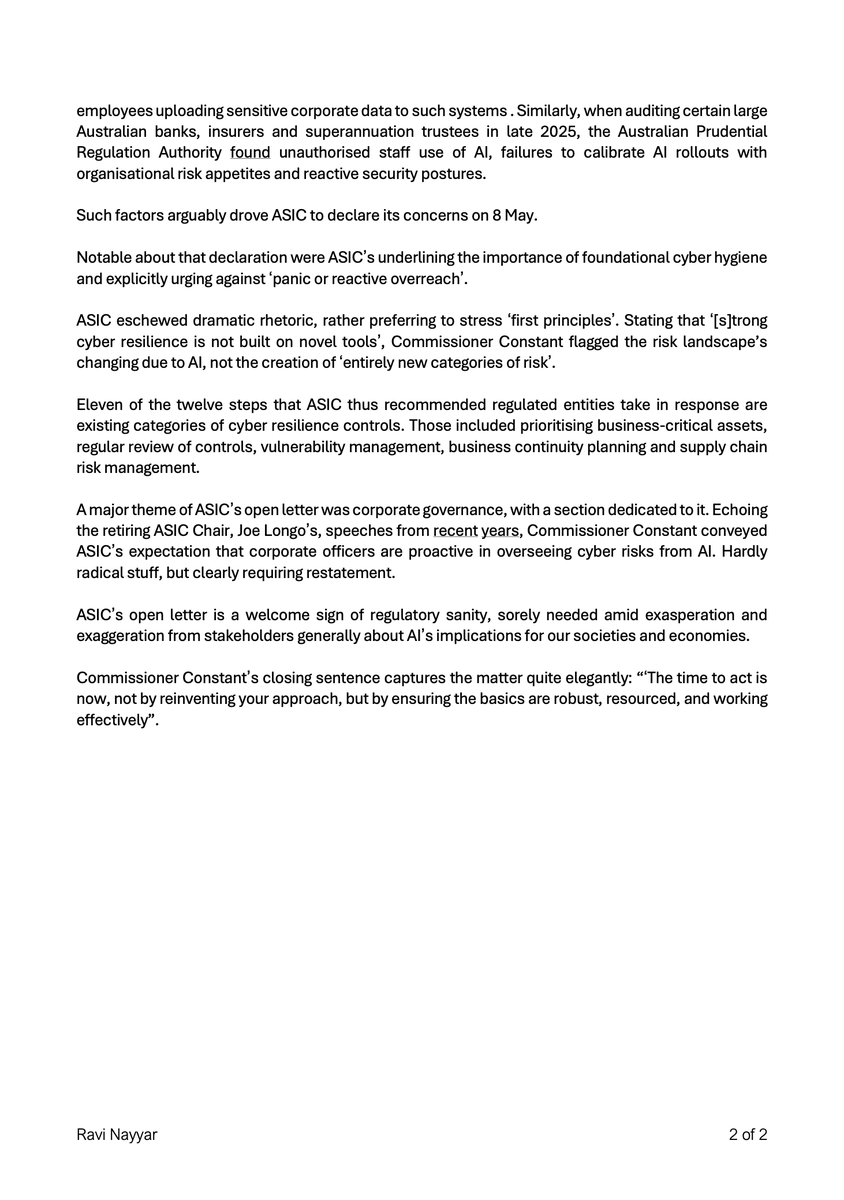
Pleased to share my first news commentary as a Fellow for the Social Cyber Institute.
I look at @asicmedia's May open letter to its regulated population on tackling cyber risks from AI. I welcome that letter as a sign of regulatory sanity amid a lot of hand-waving on AI.
And when you're done with this one, check out the previous instalments of 'Hardcoded', a grim series on Australian telecommunications policy debacles, one after the other.
https://t.co/a9zM6nxePG
This time, we're looking at the, at best, minimal oversight of telcos' compliance with their obligations to block phones that they identify as 000/112-incapable. And what it all means from antitrust and community welfare standpoints.
Dive in: https://t.co/EifyLfNtLY
As alluded to in the Shakespearean quote, I ponder where on earth the @acmadotgov has been as the regulator of all emergency call services in Australia.
Dive in: https://t.co/fgw2X69H0S
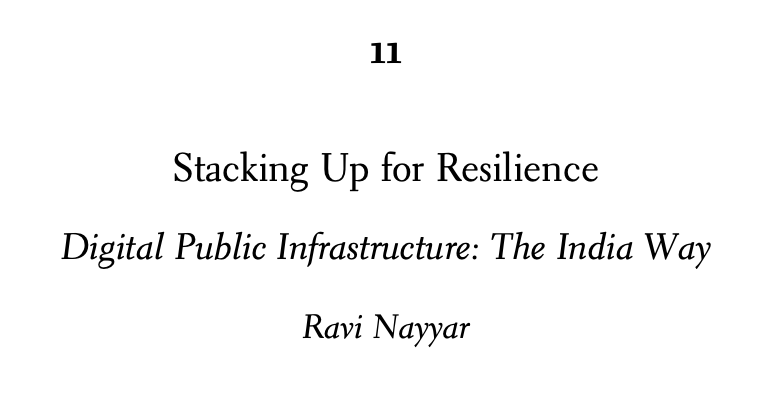
Possums, with the blessings of Maa Saraswati, my chapter in a fabulous edited volume on securing democracies in the digital age has just been published.
In this edition, as alluded to in the quote from Macbeth, I look at the question of telcos, OEMs and the ACMA having the right information about the actual capabilities of phones pinging Australian cell towers to call emergency services.
Dive in: https://t.co/pwR0QjOW9C
Risk is, by definition, non-zero but human lives are at stake when it comes to the ability of mobile phones to make emergency calls.
Stakeholders have to get the regimes for device testing right, especially for devices' camp on.