Hyundai plans to use Socar's 25,000-car fleet data for robotaxi development. Its 3-year pact with Socar and Apex is largely nonbinding; project terms still need contracts. What happens first?
Read more: https://t.co/6BUKcvISDv
Photo: Socar
A free secure OS trial now runs on Advantech's RSB-3720, with Japan's Atmark Techno and TED supporting the stack. The commercial version is due in 2027, alongside stricter EU cyber rules. What can OEMs test today?
Read more: https://t.co/9nbWFldLaM
Image: Advantech
South Korea's financial-security institute suffered a breach of its assessment portal. About 130 files from 48 firms reportedly leaked; an audit starts Nov. 16. Who controls documents after banks submit them?
Read more: https://t.co/TMZlnXd3Q2
Thailand's 89 prospective data-center projects request 26.6GW of power, not secured supply. A new plan draws a 20MW industrial-zone line and targets overlapping reservations. Which projects qualify for transition relief?
Read more: https://t.co/VPDC84cmrG
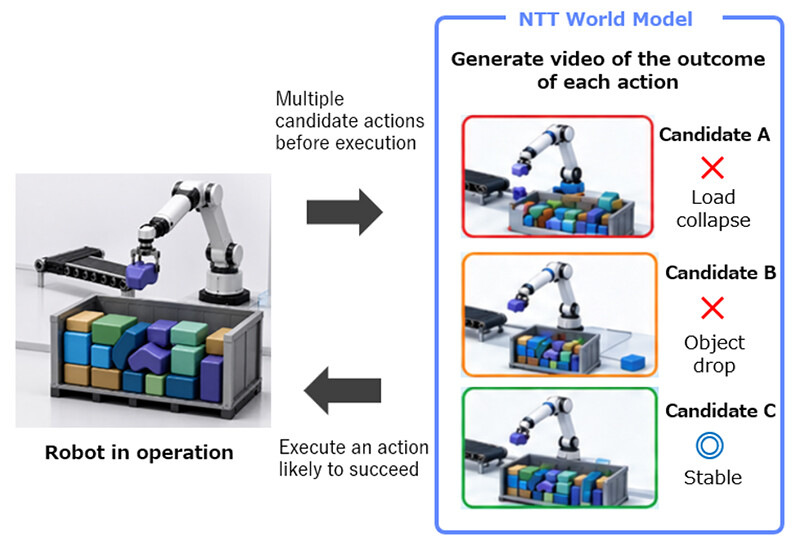
NTT's robot planner predicts what could fall before a move. Shelf-stacking test success rose from 73.1% to 92.3%. Can the physics layer augment existing VLA planners—and what's still missing for airport use?
Read more: https://t.co/PuPPTveEAD
Image: NTT
Partior settles USD, EUR and SGD—but not KRW. Suhyup Bank is testing cross-border FX there anyway. What must a Korean bank validate before adding a new currency? The PoC starts with real settlement workflows, not a service launch.
Read more: https://t.co/D6rFJ6PSUp
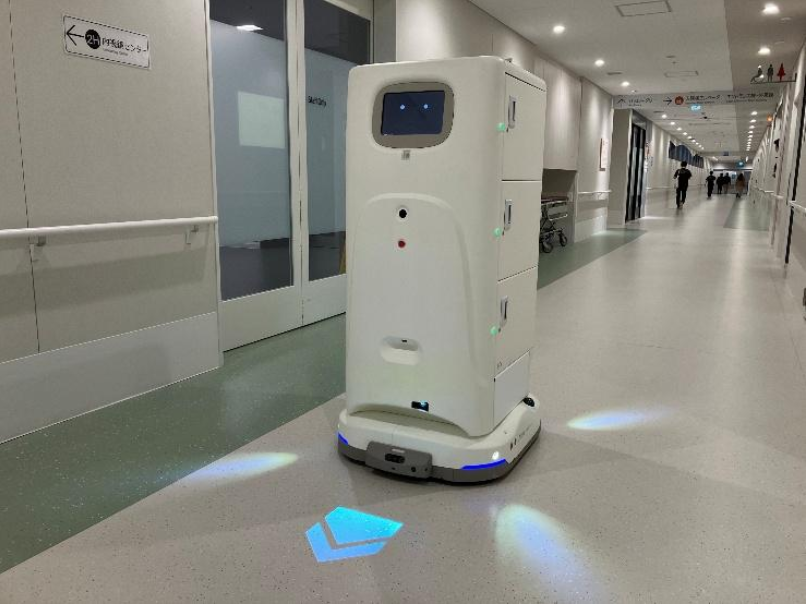
MELDY robots now operate at a hospital after trials. Mitsubishi reports 30% shorter development for one guidance function using shared software. MELDY also has JIS safety certification.
Read more: https://t.co/Nlqqj79lau
Photo: Mitsubishi Electric Mobility
Taiwan proposes adding AI-chip substrates, satellite controls and 2 other technologies to a protected-tech list. It's not an export ban. What should cross-border R&D partners review before Nov. 25?
Read more: https://t.co/ghjEbe1i3x
Nearly 5,000 hours of touch data. Three sensor types. Robbyant's LingBot-Touch aims to make tactile AI reusable across robot hardware. But what can developers actually access and test today?
Read more: https://t.co/gbdvFrM9jY
Image: Robbyant
Three Japanese banks are testing a scam response chain: smartphone AI flags risks, human operators call customers, and banks can protect accounts. The key challenge isn't detection alone—it's how the handoff works.
Read more: https://t.co/gbL3SvbmNs
2,000+ autonomous patrols across 10+ Japanese construction sites. Kajima's FieldAI robots have moved beyond a single-site demo. The bigger test: can that deployment scale without proven labor savings?
Read more: https://t.co/daclkSU24P
Photo: Kajima Corporation
Mitsui Kinzoku just approved US$1.2B for a Malaysian copper foil plant. But the expansion was announced in August, and production won't start until 2031. What does this approval actually change for AI supply chains?
Read more: https://t.co/F3X2aFAd5E
Hitachi launched procurement AI after an internal test cut selected delivery-management work by up to 65%. Humans still approve decisions; customer-wide savings are unproven.
Read more: https://t.co/lUg5bndMxR
Image: Hitachi
Grab plans US$750M in staged Malaysia AI funding alongside US$400M in recent buybacks. Later development is expected to use project financing.
Read more: https://t.co/YCBstNGlWt
Photo: Chainwit. / Wikimedia Commons (CC BY 4.0)
South Korea's Army plans AI procurement and maintenance with NAVER Cloud. Its proposed setup embeds engineers on site and uses a dedicated cloud. No rollout yet.
Read more: https://t.co/YPx2JQqsvG
Photo: NAVER Cloud
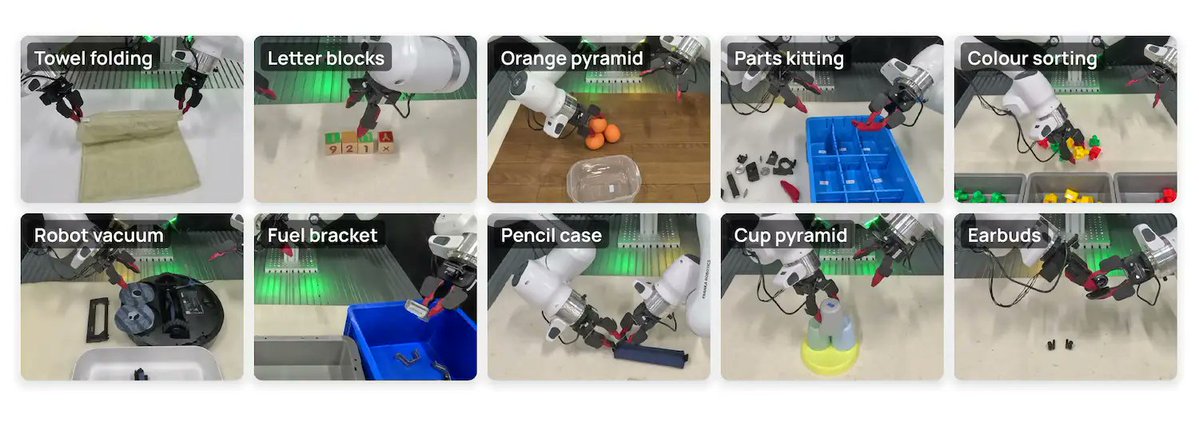
Japan's AIRoA-0 learned robot skills from 16,151 hours of handheld demonstrations. Its 78% task score includes partial credit. Model weights and code are available; the dataset is still pending.
Read more: https://t.co/tKM8xUEhrS
Image: AIRoA.
Naver's AI ad tools launched Nov. 4, recommending campaign changes that advertisers approve. Kakao plans a December closed beta for its AI Crew ad agent. Independent ROI evidence remains limited.
Read more: https://t.co/pKIfQWtawe
Image: NAVER.
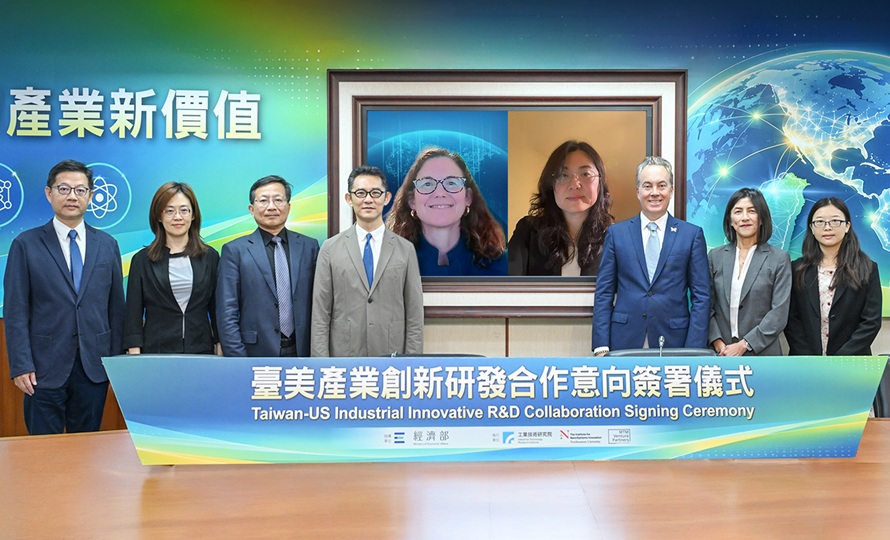
Taiwan plans a Nov. 17 deep-tech R&D call pairing US startups with Taiwanese companies. US grants could reach US$250K per project; Taiwan may cover up to 50% of local R&D costs. Awards are not guaranteed.
Read more: https://t.co/031fRMCMOu
Photo: Taiwan MOEA.
South Korea launched an approximately US$22M, four-year AI maintenance project led by KAI. Tests are planned for K2 tanks, FA-50 jets and maritime radar; field savings remain unproven.
Read more: https://t.co/rxLA0KHSYe