The history of Integrated Development Environments (IDEs) dates back to the early days of software development. IDEs have evolved over time, offering a wide range of features and benefits for developers. Some historically used IDEs include Code::Blocks and Eclipse. #IDEs
Vim, a highly configurable text editor, remains popular among developers despite its perceived terribleness. Vim is praised for its high availability, small footprint, low latency, fast startup, and customizable features. #Vim
Modern IDEs offer a wide range of features such as code completion, Git control, and automatic deployment systems. They are seen as helpful for beginners and offer a more comprehensive coding environment. #ModernIDEs
In conclusion, the choice between Vim, Emacs, and IDEs depends on personal preference and the specific needs of the coder. Each tool has its pros and cons, and developers should choose the one that best suits their workflow and requirements. #DeveloperTools
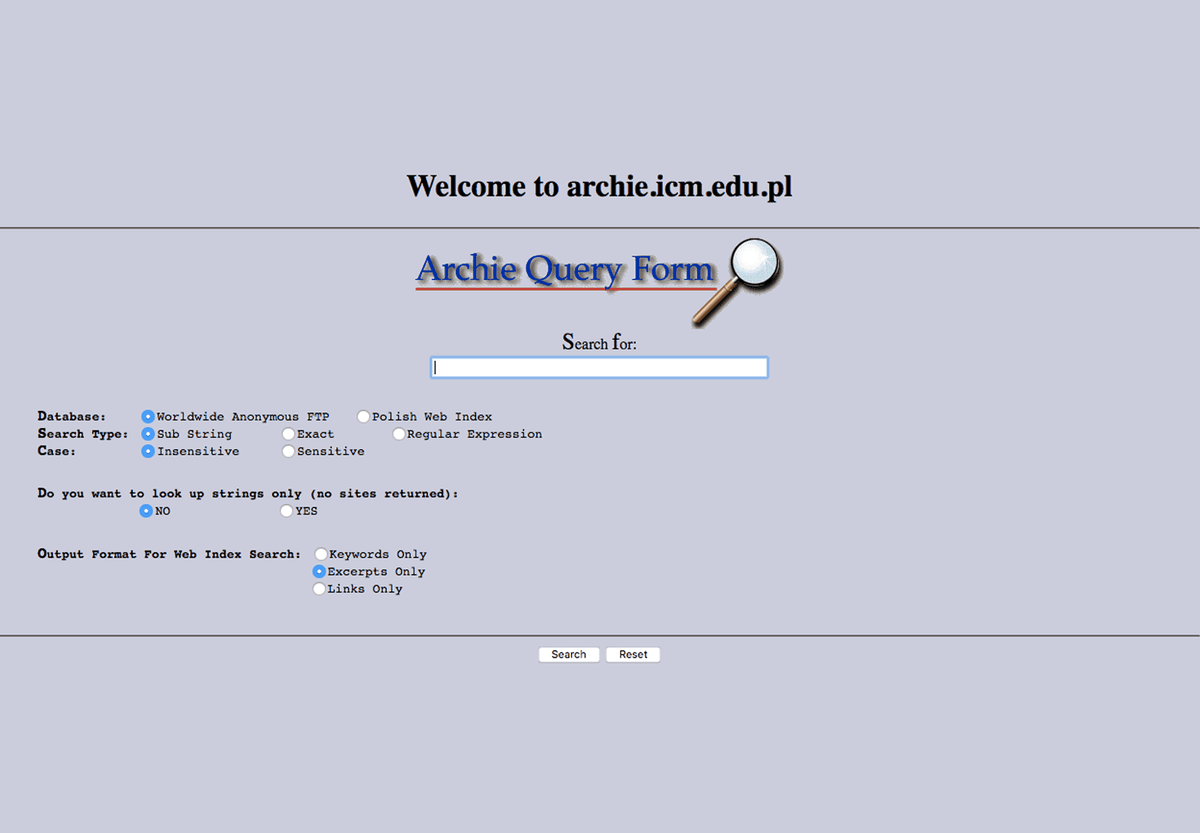
🌐 The history of online search engines dates back to the early 1990s, with the creation of Archie, the first search engine. Since then, search engines have evolved significantly, with Google emerging as the dominant player in the industry. 🚀
🔍 Google's rise to dominance can be attributed to its innovative algorithms, such as PageRank, Florida, TrustRank, Google Caffeine, Google Panda, Google Penguin, and Google BERT. These updates have shaped the SEO landscape, making content quality and relevance more important than ever. 📈
😕 However, the rise of SEO has also led to an overabundance of optimization techniques, making it harder for users to find genuinely useful information. This has resulted in a growing dissatisfaction with search engines, as users struggle to navigate through the sea of SEO-optimized content. 🌊
🤖 As the industry continues to evolve, machine learning and artificial intelligence are playing an increasingly important role in providing more specialized and relevant search results. This shift has the potential to upend the SEO industry, as search engines become more adept at understanding user intent and delivering high-quality content. 🧠
🔮 In conclusion, the history of online search engines, Google's dominance, and the impact of SEO and optimization have shaped the way we access information on the internet. As we look to the future, it's essential for companies to focus on long-term results and consider utilizing industry-specific data and expert insights for effective SEO strategies. 🌟
📱 The First Smartphone vs. The First iPhone: A Tale of Innovation and Success 🚀
Before the iPhone took the world by storm, the first smartphone had already made its debut. The IBM Simon, released in 1994, was a groundbreaking device that combined a mobile phone with a personal digital assistant (PDA). However, it wasn't until Apple's iPhone launch in 2007 that the smartphone market truly exploded.
The first iPhone was a game-changer, introducing features like a touchscreen, soft keyboard, and accelerometer. These innovations set it apart from the competition and paved the way for the modern smartphone era. But the iPhone's journey wasn't without its challenges. Apple's first foray into the mobile phone market, a collaboration with Motorola, was a flop. And when the first iPhone was unveiled, it faced skepticism and critiques from industry experts.
Despite the initial doubts, Apple invested heavily in the iPhone's development, and the device went on to become a massive success. The iPhone's intuitive design and user-friendly interface made it appealing to a wide audience, and it quickly gained a loyal following. Today, the iPhone is a household name, and its impact on the smartphone market is undeniable.
As we look back on the iPhone's journey, it's fascinating to see how far it has come. From its humble beginnings as a revolutionary concept to its current status as a global phenomenon, the iPhone has truly changed the world. So, the next time you pick up your iPhone, take a moment to appreciate the innovation and determination that brought it to life. 🌟
Digital-to-Analog Converters (DACs) play a crucial role in modern audio systems. They convert digital audio signals into analog waveforms that can be understood by speakers and headphones. Without a DAC, digital music is just a collection of 0s and 1s that cannot be heard. However, not all DACs are created equal, and some devices may have inefficient DAC circuits that do not accurately convert digital to analog. Upgrading to a higher-quality DAC can improve the sound quality of digital music.
DACs come in different types and sizes, with varying levels of input options and functionality. Some DACs are portable and connect directly to a computer or phone, while others are larger desktop units with more connectivity options. DACs designed for home audio systems tend to be more expensive and offer higher performance. The quality of the source material, such as the file format and encoding, also affects the performance of a DAC.
The actual difference in sound produced by different DACs is marginal and difficult to perceive. The differences are primarily attributed to the DAC chips used in the devices. Expensive DACs tend to sound better than cheaper ones due to higher-quality electronic components and materials. Additionally, all good DACs do not sound the same, as they have different chipsets and tonal characteristics.
Using an external DAC can improve sound quality compared to built-in DACs, as they have better shielding against noise and higher-end chips. However, the final sound output is also influenced by other factors such as the audio system and the listener's preferences. In conclusion, DACs are essential components in modern audio systems, and investing in a high-quality DAC can enhance the listening experience.
JPEG Compression: A Deep Dive 🌊🖼️
JPEG is a widely-used lossy compression algorithm that reduces file sizes while maintaining picture quality. The main steps involved in the algorithm are:
1️⃣ Color Space Conversion: The image's color space is converted from RGB to YCbCr, separating luminance (Y) and chrominance (Cb and Cr) components.
2️⃣ Downsampling of Chrominance Channels: The chrominance channels (Cb and Cr) are downsampled to reduce the amount of data, as the human eye is less sensitive to color than brightness.
3️⃣ Division into 8x8 Pixel Blocks: The image is divided into 8x8 pixel blocks to be processed individually.
4️⃣ Forward DCT (Discrete Cosine Transform): Each 8x8 block undergoes a DCT, concentrating the information in the top-left corner of the matrix.
5️⃣ Quantization: The DCT coefficients are divided by a quantization matrix, rounding the results to integers. This step introduces lossy compression.
6️⃣ Entropy Encoding: The quantized coefficients are encoded using entropy encoding techniques, such as Huffman coding, to further compress the data.
The decoding process involves reversing these steps to display the image. 🔄
JPEG compression strikes a balance between file size and image quality, making it a popular choice for web publishing and digital photography. 🌐📸
Unity: The Game Engine's Rise to Fame, Benefits, and Recent Controversies 🎮🚀📉
Unity is a popular cross-platform game engine that was first released in 2005 by Unity Technologies. Initially developed as an internal tool for a Danish company called Over the Edge Entertainment, Unity was later released as a commercial product. The engine has evolved to support complex games for various platforms and offers features such as a visual editor, support for 2D games, physics simulation, and multiplayer networking. Unity's success is attributed to its accessibility and ease of use, with different subscription tiers available. 🌟
Unity has been used to create popular games like Pokémon Go and Call of Duty: Mobile, and has expanded into other industries such as film and automotive. However, it has faced criticism for the high volume of quickly produced games on the Steam platform and concerns about accessibility. Unity has also expanded into augmented reality and non-video game uses and went public in 2020. Recent developments include support for Apple silicon and improvements in rendering and performance. 📱🚗🎬
Recently, Unity announced a controversial change to its pricing model. Instead of charging developers a flat fee for using the engine, Unity will now charge per installation of a game. This change has upset many indie developers, leading some to consider switching to other platforms. Unity has attempted to clarify some of the concerns raised, such as only charging for the initial installation and exempting demos and charity bundles. However, the move has been widely criticized and has raised questions about Unity's long-term viability. Additionally, there is controversy surrounding the timing of the announcement, as some higher-ups at Unity reportedly sold stock before the news went public. Unity's stock has dropped 5% since the announcement. The reaction from companies like Microsoft, who may have to pay the install fees for games offered on subscription services, remains to be seen. 💸📉😠
Unity has had a significant impact on the gaming industry, offering a powerful and accessible game engine for developers. However, recent controversies surrounding its pricing model have raised concerns about its future. It remains to be seen how Unity will address these issues and continue to evolve in the ever-changing world of game development. 🌐🕹️🔮
🚀 The Rise and Ultimate Downfall of Voodoo GPUs 📉
Once upon a time in the late 90s, a company named 3dfx Interactive revolutionized computer gaming with their Voodoo Graphics card. 🕹️ Equipped with a 3D graphics processing unit (GPU), the card provided superior performance in graphics processing, making it a must-have for gamers. 🎮
However, the Voodoo Graphics card had its limitations in image quality, and soon faced competition from other cards offering both 2D and 3D acceleration. 🖥️ Nvidia and ATI emerged as strong competitors, overshadowing 3Dfx's success. 😱
The Voodoo2 GPU was a successful product that introduced Scan-Line Interleave (SLI) technology, but it wasn't enough to save the company. 😢 Delays in product development and criticism of their decisions led to 3Dfx's downfall. 💔
In 2000, 3Dfx filed for bankruptcy and was later acquired by Nvidia. 🏦 Although the company is no more, its impact on the history of computer games and 3D graphics remains significant. 🌟
So, let's raise a glass (or a game controller) 🍻🎮 to the once-mighty Voodoo GPUs, whose rise and ultimate downfall serve as a reminder that even the most groundbreaking technology can be overtaken by the relentless march of progress. 🌐
💾 The End 💾
🎮 Let's dive into the world of obscure and unknown game consoles that have come and gone, leaving only a faint memory in the minds of gamers. Here are some of these lesser-known consoles and their intriguing stories. 🕹️
1. Atari 5200: Released in 1982, the Atari 5200 was plagued by a poor controller design and a lack of backward compatibility. Despite improved graphics and sound, it failed to gain traction and was discontinued in 1984.
2. Virtual Boy: Nintendo's ambitious 3D gaming attempt, the Virtual Boy, was released in 1995. Its unique red monochrome display and uncomfortable headset design led to poor sales and a swift discontinuation in 1996.
3. Fairchild Channel F: Released in 1976, the Fairchild Channel F was the first programmable video game console. Despite its innovative design, it was quickly overshadowed by the Atari 2600 and faded into obscurity.
4. Magnavox Odyssey: The first home video game console, the Magnavox Odyssey was released in 1972. Its limited graphics and gameplay capabilities, as well as a lack of marketing, led to modest sales and a short lifespan.
5. Atari Lynx: Atari's first handheld console, the Lynx was released in 1989 with impressive color graphics and a backlit screen. However, its high price, large size, and poor battery life led to it being overshadowed by the more successful Nintendo Game Boy.
6. Cassette Vision: Released in 1981 by Japanese company Epoch, the Cassette Vision was a cartridge-based console with simple graphics and a limited library of games. It was eventually replaced by the more advanced Super Cassette Vision in 1984.
7. Philips CD-i: Launched in 1991, the Philips CD-i was an ambitious multimedia console that aimed to combine gaming, education, and entertainment. Its high price, lack of quality games, and poor controller design led to its eventual failure.
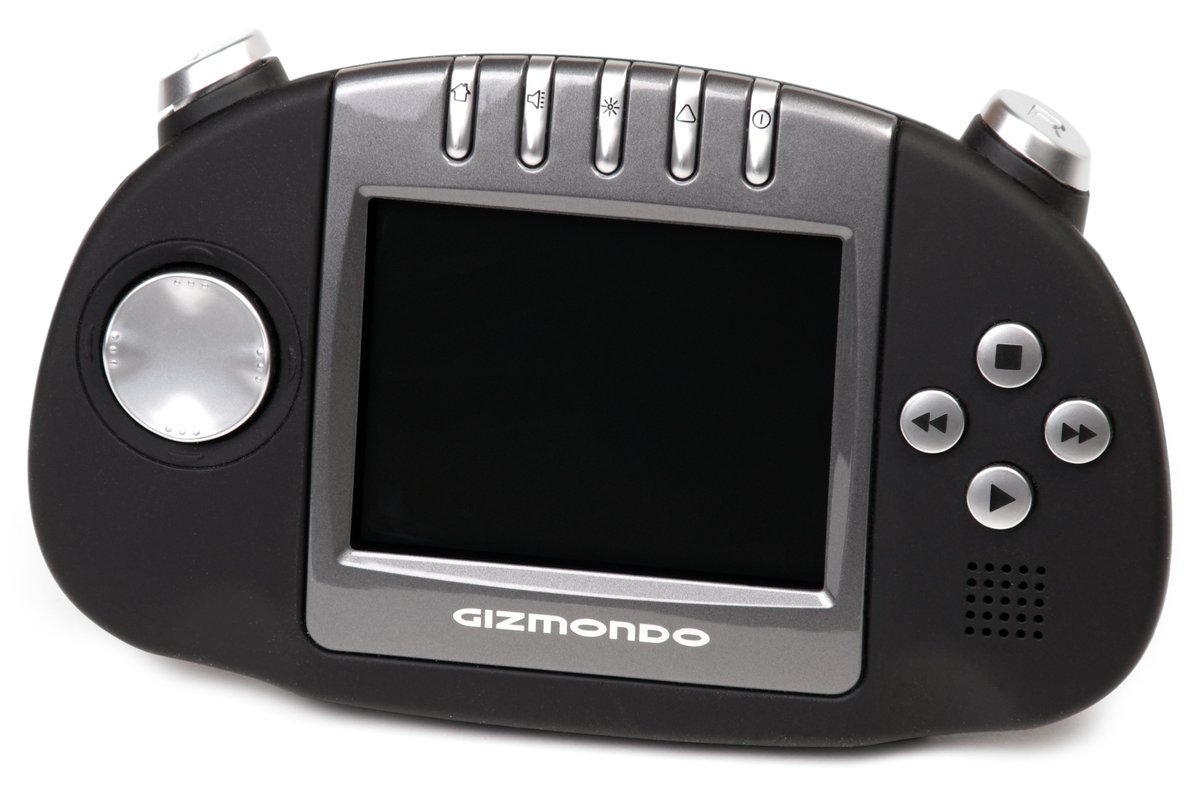
8. Gizmondo: Released in 2005 by Tiger Telematics, the Gizmondo was a handheld console with GPS capabilities and a built-in camera. Plagued by a high price, limited game library, and corporate scandals, the Gizmondo was discontinued in 2006.
9. Sega Nomad: A portable version of the Sega Genesis, the Nomad was released in 1995. Its high price, poor battery life, and lack of new games led to limited success and a short lifespan.
🖥️ Windows vs Unix Servers: A Comprehensive Comparison 🖥️
When it comes to choosing a server operating system, two major players dominate the market: Windows and Unix. In this article, we'll dive deep into the differences, pros, and cons of each option, helping you make an informed decision for your specific needs.
🔑 Main Differences 🔑
1. Linux servers are based on the open-source Linux operating system, while Windows servers are commercial solutions created by Microsoft.
2. Linux servers are known for their low cost, strong community support, and security.
3. Windows servers require a licensing fee per user and offer long-term support.
4. Linux servers are operated through a command line, while Windows servers have a graphical user interface.
5. Windows servers are compatible with Microsoft applications and are easier to use for those without experience in command line operations.
💪 Pros of Linux Servers 💪
1. Low cost: Linux is open-source and generally free, reducing the overall cost of ownership.
2. Flexibility and customization: Linux offers a wide range of distributions and customization options to suit your needs.
3. Strong community support: The Linux community is vast and always ready to help with any issues.
4. Security: Linux servers are known for their robust security features.
👎 Cons of Linux Servers 👎
1. Steeper learning curve: Linux servers require knowledge of command line operations, which can be challenging for beginners.
2. Limited compatibility: Some proprietary software may not be compatible with Linux servers.
���� Pros of Windows Servers 💪
1. User-friendly: Windows servers have a graphical user interface, making them more accessible for those without command line experience.
2. Compatibility: Windows servers are compatible with Microsoft applications and other popular software.
3. Long-term support: Microsoft offers long-term support for their server products.
👎 Cons of Windows Servers 👎
1. Licensing fees: Windows servers require a per-user licensing fee, increasing the overall cost of ownership.
2. Less flexibility: Windows servers offer fewer customization options compared to Linux servers.
In conclusion, the choice between Windows and Unix servers depends on factors such as cost, admin experience, and specific use cases. By understanding the differences, pros, and cons of each option, you can make an informed decision that best suits your needs. 🚀
🎛️ The Invention of Punch-Card Based Computers 🖥️
The invention of punch-card based computers can be traced back to Herman Hollerith, a German-American inventor and businessman. Hollerith's groundbreaking invention, patented in 1884, marked the beginning of mechanized binary code and semiautomatic data processing systems. 📈
Hollerith's punch-card based computers revolutionized data processing, allowing for more efficient and accurate data management. His company eventually became IBM, one of the most influential technology companies in history. Hollerith's inventions played a significant role in the development of data processing and laid the foundation for modern computing. 💾
Punch-card based computers used cards with holes punched in them to represent data and instructions for the machines. This early form of data storage and processing paved the way for the development of more advanced computing systems, such as electronic computers and, eventually, the personal computers we use today. 🌐
The impact of Hollerith's invention cannot be overstated. His work on punch-card based computers set the stage for the rapid advancements in computing technology that have shaped our world. From business and finance to science and engineering, the legacy of punch-card based computers continues to influence the way we process and manage information. 🚀
TempleOS: A Divine Creation or a Cursed Project? 🤔👼👹
TempleOS, a biblical-themed lightweight operating system, was the brainchild of Terry A. Davis. This enigmatic programmer spent a decade developing TempleOS after experiencing manic episodes and claiming to have received a revelation from God. 🙏💻
The OS is characterized as a modern x86-64 Commodore 64, featuring a 640x480 resolution, 16-color display, and single-voice audio. Davis insisted that these specifications were divine instructions. 🌈🎶
TempleOS was programmed using HolyC, an original variation of C. The system includes a flight simulator, compiler, and kernel. Despite the controversies surrounding Davis's mental health, TempleOS is a testament to his dedication and passion. 🚀🛠️
Sadly, Davis passed away, but his creation lives on. TempleOS has been released into the public domain, and forks like ZealOS and TinkerOS have emerged. 🌱
So, was TempleOS a divine creation or a cursed project? The answer may lie somewhere in between. One thing is certain: TempleOS is a fascinating piece of computing history that showcases the power of one person's unwavering determination. 💪📜
Give TempleOS a try and decide for yourself! 😇😈
HTML, or Hypertext Markup Language, was created by Sir Tim Berners-Lee in 1991 and has since evolved with various versions. HTML 1.0 was released in 1993, followed by HTML 2.0 in 1995, which became the standard markup language for designing websites. HTML 3.0 introduced new features but slowed down browsers. HTML 4.01 was widely used before the release of HTML 5.0 in 2012, which is the current version used worldwide.
HTML is incredibly important because it is the backbone of the internet, providing structure and formatting for web pages. It allows developers to create and design websites, making information accessible and visually appealing to users. HTML works in conjunction with CSS and JavaScript to create dynamic and interactive web experiences.
HTML5, the latest version of HTML, has brought significant improvements and new features to web development. It introduced new semantic elements, such as <article>, <section>, and <nav>, which help create a more structured and accessible web. HTML5 also supports multimedia elements, such as <video> and <audio>, making it easier for developers to embed media directly into web pages without relying on third-party plugins. Additionally, HTML5 includes APIs for drawing graphics, managing offline storage, and handling user interactions, further enhancing the capabilities of modern web applications.
In conclusion, HTML has played a crucial role in shaping the internet as we know it today. Its continuous evolution, culminating in HTML5, has made it an indispensable tool for web developers and has significantly improved the overall user experience on the web.
🌟 Introducing the ENIAC: The First Electronic Computer 🌟
The ENIAC (Electronic Numerical Integrator and Computer) was the world's first digital, general-purpose computer. Weighing a massive 30 tons and occupying a 1,500-square-foot room, this groundbreaking machine was a technological marvel of its time. 🏢💻
Constructed with 40 cabinets, each standing nine feet high, ENIAC was a complex system comprising 18,000 vacuum tubes, 10,000 capacitors, 6,000 switches, and 1,500 relays. 🌐🔌
This incredible machine could perform thousands of calculations per second and was easily reprogrammable for different tasks. Completed in November 1945, ENIAC was publicly announced in February 1946. ⚡📊
The inventors of ENIAC, John Presper Eckert Jr. and John W. Mauchly, faced numerous challenges and legal battles during the development of this revolutionary computer. Sadly, the machine was eventually broken up, with its components scattered across various institutions. 🏛️🔍
In 1996, fifty years after its existence was revealed, ENIAC received well-deserved recognition as an IEEE Milestone. Today, a project is underway to recreate its functionality using a silicon computer chip. 🎖️🔬
The ENIAC's legacy lives on as a testament to human ingenuity and the dawn of the digital age. 🌅💡
⌨️The history of keyboard technologies ⌨️
can be traced back to the invention of the printing press in 1439, which inspired the development of the typewriter. The first commercially successful typewriter was patented in 1867 and introduced the QWERTY keyboard layout that is still in use today. As personal computers became available in the 1970s, keyboards evolved to resemble the ones we use today.
During the 1970s to 1990s, various keyboard technologies were experimented with, including membrane, chiclet, ultrasonic, and mechanical switches. Mechanical keyboards gained popularity for their reliability and unique feel. However, in the 1990s, membrane-based keyboards became more common due to their lower cost and portability.
The resurgence of mechanical keyboards began in the mid-2000s, driven by their durability, customizable options, and improved typing experience. Today, mechanical keyboards are more popular than ever, with a wide range of switches and keycaps available for users to choose from. These keyboards are known for their tactile feedback, durability, and accuracy, making them a preferred choice for many typists and gamers.
In conclusion, the history of keyboard technologies has seen significant advancements and innovations, from the early days of typewriters to the modern mechanical keyboards we use today. As technology continues to evolve, it will be interesting to see what the future holds for keyboard design and functionality.
Hall Effect joysticks are a type of joystick that use magnets and electrical conductors to measure their position and movement. Unlike standard analog sticks, Hall Effect joysticks have no physical contact between the moving parts, which means they do not wear out easily and do not develop stick drift. Stick drift is when the stick behaves unpredictably and causes unwanted movement in games. Hall Effect joysticks have a longer lifespan, are more responsive and accurate, and do not require a dead zone like analog sticks. However, the options for Hall Effect controllers are limited, especially for Xbox and PlayStation consoles.
The Hall Effect, named for Edwin Hall, is a measurable change in voltage caused by a magnetic field interfering with the flow of electricity in an electrical conductor. Hall Effect sensors in joysticks use permanent magnets and an electrical conductor that never physically touch. As the magnet moves relative to the conductor, the change in voltage is converted to positional data, resulting in more reliable performance and a reduced risk of drift. Hall Effect sensors are also not susceptible to dust, dirt, moisture, or other similar issues that affect potentiometer sensors. While Hall Effect sensors are slightly more expensive, they are becoming more practical to implement in controllers, and it is expected that more controllers will adopt this technology in the future.
Hall Effect joysticks are more durable than analog joysticks because they do not have physical components that wear out. They also have a smaller dead zone, making them more responsive and potentially advantageous for competitive gaming. However, Hall Effect joysticks are not widely used by major manufacturers due to licensing fees. There are some controllers and handheld PCs that already use Hall Effect joysticks, and there are replacement sticks available for certain controllers.
Hall Effect joysticks offer several advantages over other types of joysticks, including increased durability, reduced risk of drift, and improved responsiveness. As the technology becomes more accessible and affordable, it is likely that more controllers will adopt Hall Effect sensors in the future, providing gamers with a superior gaming experience.
COBOL, or Common Business-Oriented Language, is a high-level computer programming language created in 1959. It was one of the first widely used languages and was popular in the business community for many years. COBOL was developed through a joint initiative between the U.S. government and the private sector to fulfill the objectives of portability and readability. The language is known for its ability to be easily read like ordinary English.
COBOL has historical importance as one of the earliest programming languages and is still widely used in mainframe computers, particularly in the banking industry. However, there is a trend of migrating programs to new platforms or rewriting them in modern languages. COBOL is primarily used in business, finance, and administrative systems for companies and governments.
The advantages of COBOL include its ease of reading and understanding, making it accessible to a wide audience. It is also known for its ability to process large amounts of data and perform financial calculations, making it a popular choice for banks and other financial institutions.
However, COBOL also has its disadvantages. The language is considered outdated and lacks modern features found in more recent programming languages. Its verbose syntax and lack of support for structured programming can make it difficult to maintain and update existing codebases.
Despite its age and limitations, COBOL remains in use today, particularly in the banking industry. Many large organizations, including banks and government agencies, continue to rely on COBOL for their critical systems. As a result, there is still a demand for COBOL programmers, although the number of new developers learning the language has declined.
COBOL is a historically significant programming language that continues to play a role in the world of computing, especially in the financial sector. While it may not be the most modern or feature-rich language, its legacy and ongoing use in critical systems ensure that it remains an important part of the programming landscape.
Linus Torvalds, the Finnish-American software engineer, is best known for creating the Linux operating system and making significant contributions to Unix. Born in 1969, Torvalds began programming at a young age and created Linux in 1991 as a PC-based version of the UNIX operating system. He released the software for free and allowed others to modify it, leading to its widespread adoption and popularity. Linux is known for its reliability and efficiency, and it is used in various systems, including servers, mobile devices, and desktop computers.
In addition to Linux, Torvalds also created the Git control system, which has become a standard tool for software development. He has received numerous awards for his contributions to computing, including the Millennium Technology Prize in 2012. Torvalds is currently leading The Linux Foundation and continues to be actively involved in the development and updating of the Linux operating system.
Despite his technical expertise and significant contributions to the open-source software community, Torvalds has faced controversies surrounding his communication style and confrontations with other developers. He has been known to be abrasive and confrontational, which has led to some criticism. However, his ongoing work and influence in the technology industry remain undeniable.
Torvalds is described as quirky and has published two books. His personality and unique approach to software development have made him an influential figure in the world of computing. As the creator of Linux and Git, Linus Torvalds has left an indelible mark on the technology landscape and continues to shape its future.
📺 The First Apple Computer: A Revolutionary Beginning ⌨️
In 1976, Apple was founded by Steve Jobs, Steve Wozniak, and Ronald Wayne, marking the beginning of a technological revolution. The company's first product, the Apple I, was a groundbreaking innovation that paved the way for the personal computer industry. Although only around 200 units were produced, the Apple I's success led to the development of its successor, the Apple II.
The Apple II, launched in 1977, was a game-changer with its plastic case and color graphics. It quickly became a consumer favorite, solidifying Apple's position in the market. However, not all of Apple's early products were successful. The Apple III and Lisa computers faced financial difficulties, but the Macintosh, introduced in 1984, ensured Apple's future.
The Macintosh was a significant milestone in Apple's history, featuring a user-friendly interface and a sleek design. It competed with Windows-based computers, but eventually saw a decline in market share. Despite this, Apple continued to innovate, partnering with IBM and Motorola to develop new technologies.
Apple's early years were marked by both successes and failures, but the company's resilience and commitment to innovation have made it one of the most valuable companies in the world. The first Apple computer not only revolutionized the personal computer industry but also laid the foundation for Apple's future successes.
Let's dive into the history of computing and technology, focusing on lost technological standards and their winners! 🖥️📼
🎮Blu-ray vs HD DVD: Blu-ray emerged as the successor to DVD, despite the initial popularity of HD DVD. Sony's investment in Blu-ray, including incorporating it into the PlayStation 3, played a significant role in Blu-ray's victory.
📼 Betamax vs VHS: Betamax, developed by Sony, lost the format war to VHS, developed by JVC. VHS won due to its longer recording time, lower cost, and wider availability. 📺
🎞️VHS-C vs Video8: VHS-C, a compact VHS format, lost to Sony's Video8 format. Video8 offered better video quality and smaller cassette size, making it more appealing for camcorder users. 📹
🎶Super Audio CD vs DVD-A: Super Audio CD, developed by Sony and Philips, won the format war against DVD-Audio. The cheaper solution tends to win in format wars, and Super Audio CD was no exception. 🎵
🤔These format wars teach us valuable lessons about the importance of having a single format and how strategic pricing and exclusive content deals can influence the outcome. 💡
🌐7/ As technology continues to evolve, we can expect more format wars in the future. Stay curious and keep exploring the fascinating world of computing and technology! 🚀