iOS 19 supported devices list! Is your iPhone in the list?
1. iPhone 16
2. iPhone 16 Plus
3. iPhone 16 Pro
4. iPhone 16 Pro Max
5. iPhone 15
6. iPhone 15 Plus
7. iPhone 15 Pro
8. iPhone 15 Pro Max
9. iPhone 14
10. iPhone 14 Plus
11. iPhone 14 Pro
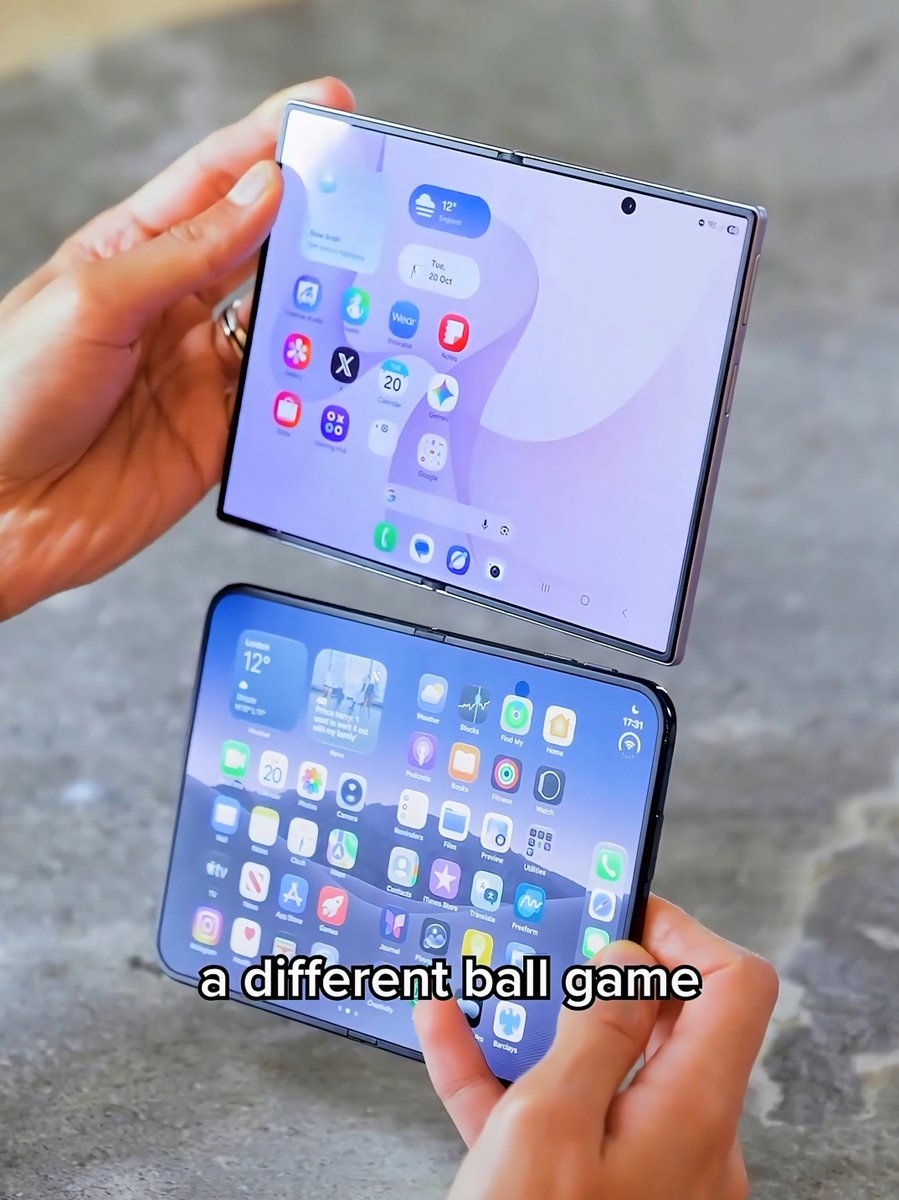
⚠️ WARNING: Things to avoid with your iPhone Duo.
• Don’t rub keys or coins against the inner screen
• Don’t dig your fingernails into the inner screen
• Don’t scrape the titanium frame with a knife
• Don’t rub chainmail armour against the display
• Don’t peel off the screen protector
• Don’t pour dirt into the hinge or ports
• Don’t bury it in the sand
• Don’t force it closed if something is stuck
• Don’t fold it 10,000 times just to see what happens
• Don’t put it in a freezer at -20°C and repeatedly fold it
• Don’t hold a lighter up to the screen
• Don’t sit on it when it’s unfolded
• Don’t bend it backwards
• Don’t twist the phone to test its strength
• Don’t drop it down a flight of stairs
• Don’t run over it with your car
Or if you do, make sure you have AppleCare+ 😆
Watched @ZacksJerryRig iPhone Duo durability test
Outer screen performed fine. Inner screen still scratches at level 2, though the matte coating hides imperfections well while the display is on.
Dust managed to jam the hinge despite the IP68 claim, leaving the phone unable to close fully.
The reverse bend test kept the body intact but produced permanent green lines on the inner display, which later stopped responding. Repair cost for that panel is listed around $1,000.
Compared to Samsung’s Fold 8 (which cleared the same bend test cleanly), the Duo’s results highlight the usual first-generation foldable trade-offs especially around dust and extreme flex.
Extreme tests aren’t everyday scenarios, but they do expose weak points worth considering on a $2,000 device.
While demonstrating a brand new iPhone 18 Pro Max, the device was dropped inside the Apple Store, resulting in a fully shattered display
Such incidents serve as a reminder of the value of protective cases and AppleCare coverage
@daniel_scuteri True, Apple relies on developers to update their apps with the right SDK, while Android has better system level stretching for non-optimized apps