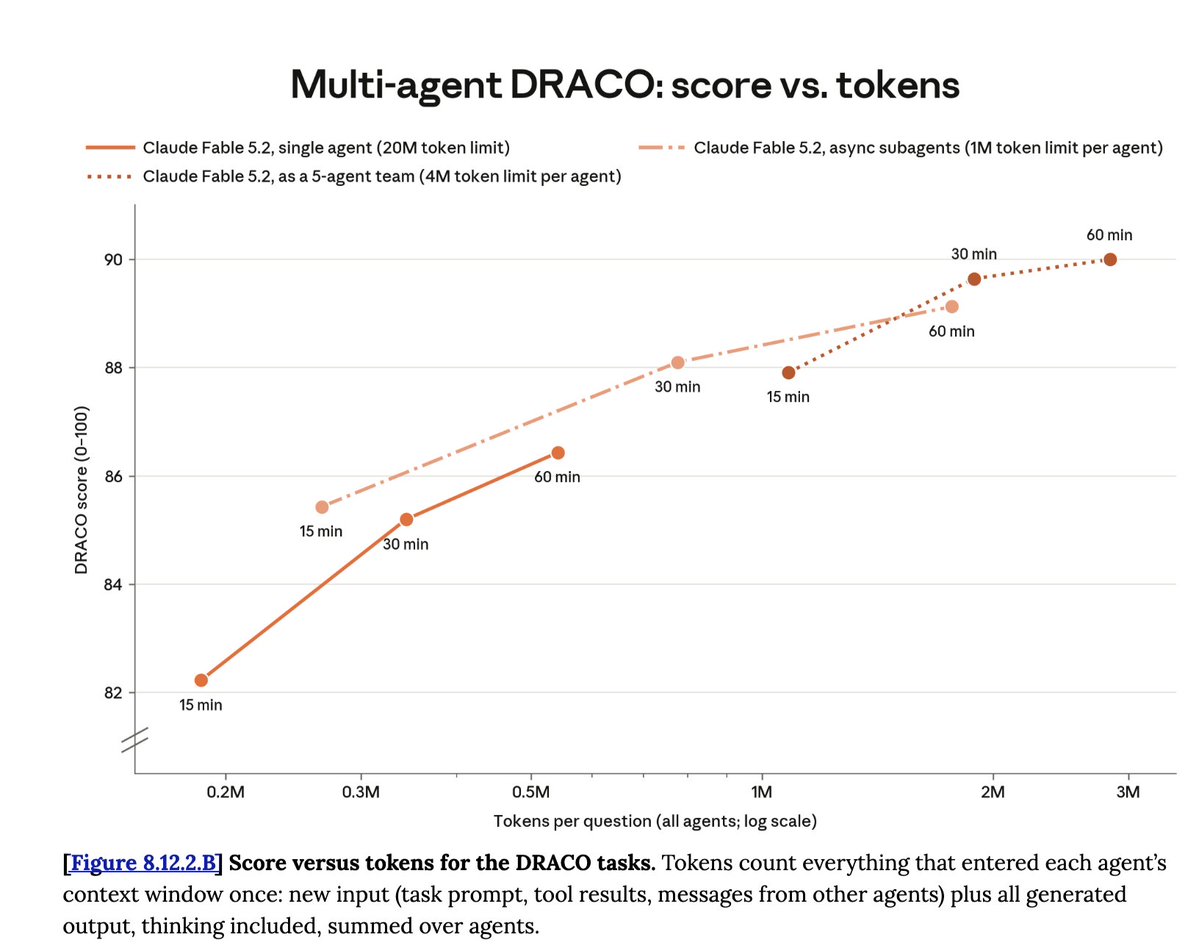
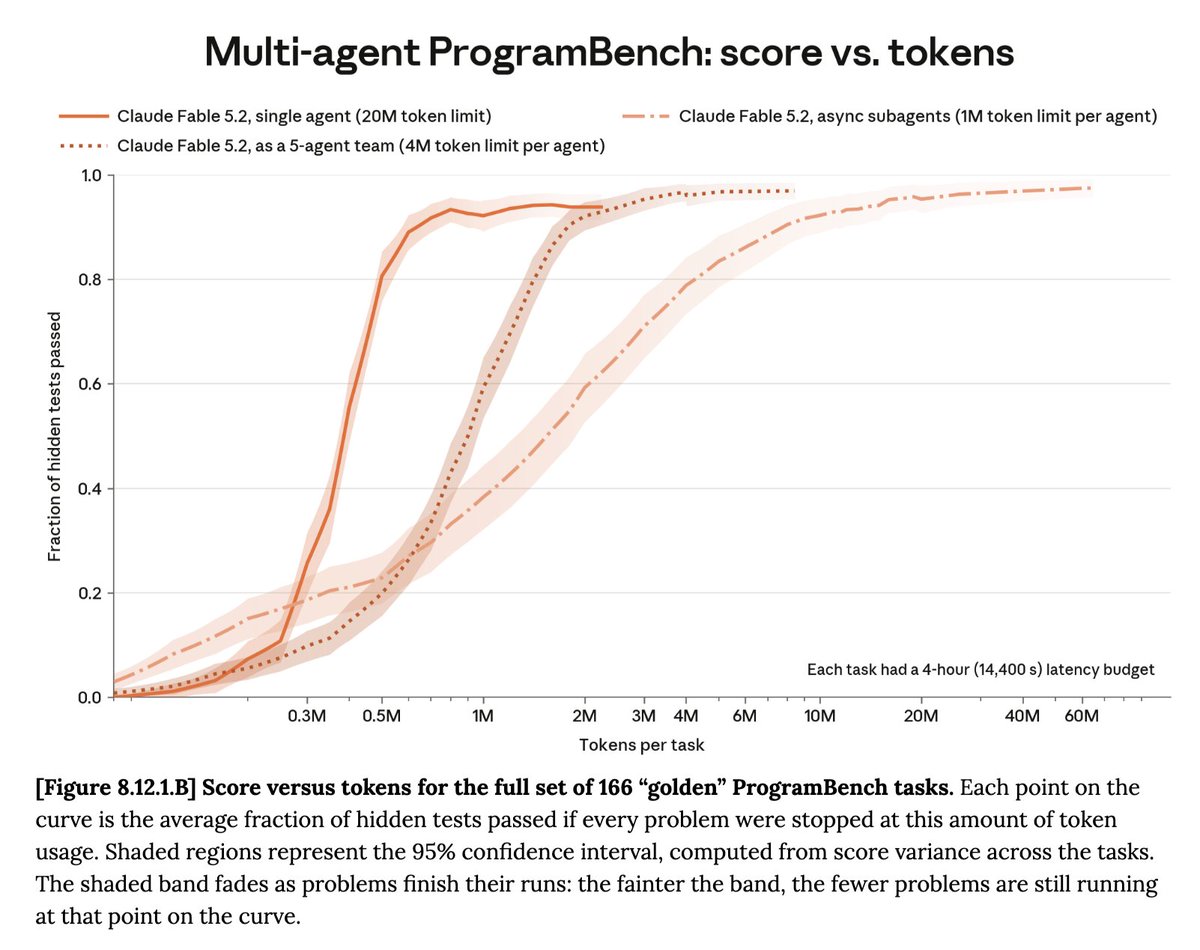
At @RubricLabs we often run micro-benchmarks to settle technical debates
But my cofounders wanted a way to follow the gist of the gist of the results, as soon as available
So we made https://t.co/SwdS7K6G4Q:
Enjoy and gl finding all the easter eggs
the love for the little things in life.
a night about the small stuff that keeps us going.
the habits, objects, rituals and obsessions that quietly shape how we build, make and live.
come hang with us!
A category I’m itching to see:
Agent-mediated markets
ie. what if Muse just specialized in matching Marketplace buyers + sellers? That’d be hugely valuable I think
As personal agents proliferate, any edge they offer dissolves, leaving a new equilibrium of coordination complexity, thus requiring better coordination -
Like how in the early days of the web, having a website offered an advantage but, today, is table stakes
The incentives of that agent would then be very consequential
Why don’t today’s agents feel like Jarvis?
Before ChatGPT, we imagined AI would be always-on, proactive, and personalized.
But today’s AI isn’t like this. We spin it up for tasks, and it only knows the context we give it.
So what does it take to build an always on agent?
1/ Single threaded.
All messages go to one agent, no threads, no teams. This gives the agent a coherent identity. The hard part is managing the context window.
Practically, give the agent:
→ tools to fold and drop its own context so it preserves its momentum.
→ sub-agents to dispatch heavy work to, so the main thread stays free.
2/ Proactivity.
Your agent should be able to do work without being prompted and send you messages as needed. Architecturally, de-syncing messaging and awakeness, by giving the agent:
→ a heartbeat that wakes it up on a schedule.
→ tools to set its own cadence and reminders.
→ tools for sending and reading messages.
3/ Situational awareness.
Your agent should act on partial information, fill in the blanks, and kick off work from signals that didn’t come directly from your messages.
Give the agent
→ broad access to your file system, email and accounts.
→ an inbox that polls and receives webhooks, so it has real-time information.
4/ Discernment.
The hardest part of making an always-on agent good is teaching it when to act.
Today’s models are trained to crush tasks, so they react to minor notifications, get stuck doing busy work, and miss real chances to help. Ideally, your agent could start out shy, and over time build the confidence to be proactive.
This involves giving the agent:
→ a clear sense of what it’s responsible for, and that doing nothing is fine.
→ permission to ask when unsure about what to do.
→ guidelines for how to use memory and accumulate intuition
https://t.co/tP5bGZjYzu
The rise of 3rd-party personal agents is a privacy nightmare.
These products are most effective when users hand over the keys to their life: email, credit card, social handles.
An empowering future demands ownership over one's personal agent. We, as an industry, need to do better to give users the tools to do so.
We can begin to sketch out an *open* personal agent harness, which is:
- Single-threaded (always-on, free of chats)
- Proactive (sees notifications, not just messages)
- Aware (of its ongoing role in the user's world)
The biggest bottleneck to this UX, in our view, is discernment: LLMs tend to react to minor notifications while missing important ones.
Read more and let us know your thoughts here:
Why don’t today’s agents feel like Jarvis?
Before ChatGPT, we imagined AI would be always-on, proactive, and personalized.
But today’s AI isn’t like this. We spin it up for tasks, and it only knows the context we give it.
So what does it take to build an always on agent?
1/ Single threaded.
All messages go to one agent, no threads, no teams. This gives the agent a coherent identity. The hard part is managing the context window.
Practically, give the agent:
→ tools to fold and drop its own context so it preserves its momentum.
→ sub-agents to dispatch heavy work to, so the main thread stays free.
2/ Proactivity.
Your agent should be able to do work without being prompted and send you messages as needed. Architecturally, de-syncing messaging and awakeness, by giving the agent:
→ a heartbeat that wakes it up on a schedule.
→ tools to set its own cadence and reminders.
→ tools for sending and reading messages.
3/ Situational awareness.
Your agent should act on partial information, fill in the blanks, and kick off work from signals that didn’t come directly from your messages.
Give the agent
→ broad access to your file system, email and accounts.
→ an inbox that polls and receives webhooks, so it has real-time information.
4/ Discernment.
The hardest part of making an always-on agent good is teaching it when to act.
Today’s models are trained to crush tasks, so they react to minor notifications, get stuck doing busy work, and miss real chances to help. Ideally, your agent could start out shy, and over time build the confidence to be proactive.
This involves giving the agent:
→ a clear sense of what it’s responsible for, and that doing nothing is fine.
→ permission to ask when unsure about what to do.
→ guidelines for how to use memory and accumulate intuition
https://t.co/tP5bGZjYzu