$TESS is live!
Cross-provider identity for the x402 economy. You get paid by wallets, not customers. Tessera turns those wallets back into accounts you recognize, and sealed attestations mean no provider ever reads another's raw log.
The SDK is out. Hook it on settle, start reading your own graph.
CA: 3UkNfM8nAcJPSJwibmjRCy4C9dRuU7mLVZ9pNAkZpump
Site: https://t.co/2lvKc65z1O
SDK: https://t.co/7KrK2fdr0f
Code: https://t.co/s4uTwfHGOP
Follow one payment from the second it lands to the second it's remembered.
Someone pays your endpoint, your handler fires. Our hook catches it and hands it off to a queue, well clear of anything that could slow your reply. If the network hiccups it tries again, if the hook double fires it only counts once, and it lands.
Your user felt none of it, they just got their response.
You can finally watch this thing the way you watch everything else in your stack.
Every call now throws off a signal on the way out, on the way back, and if it faceplants. Wire it into whatever you already use for metrics or logs, a few lines, done. Costs nothing when you're not using it.
No more shrugging when something's slow. You'll see it land.
You don't have to lift a finger for this to work in your favor.
Somewhere else, provider fires off a payment record and it happens to sharpen a picture your own buyers sit inside. Log in once a month and you'd still be better off than the month before, purely from other people showing up.
That's the whole bet behind pooling data with strangers: value shows up unasked.
New page: track every $TESS you've laid out and follow it to where it landed.
Total queries run, total spend, the split across burn, contributor rewards and treasury, a 2w chart, and your last 20 lookups each with a straight line to the settlement on Solscan.
Costs nothing to open. It's just reading what already happened.
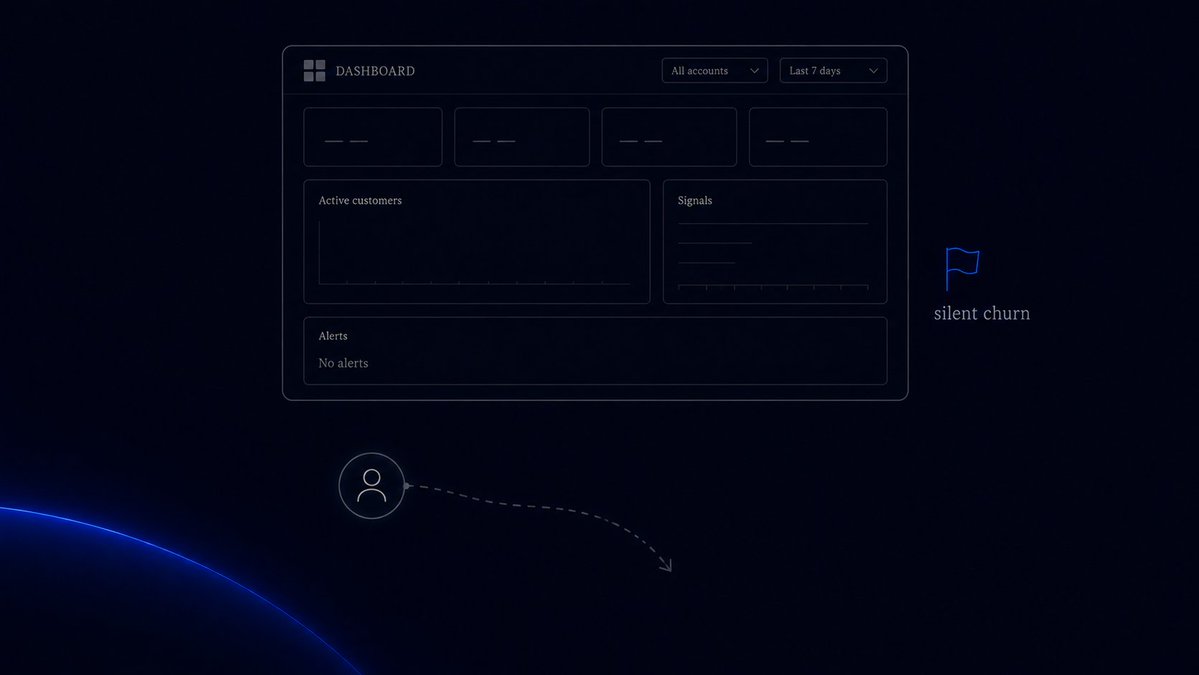
Miss a customer walking out the door and you don't even get a receipt for it.
Payments just stop. No alarm, no note in your books explaining the dip. Weeks later you're staring at a chart wondering what happened, if you notice at all.
We flag the drift before it turns into a mystery you can't solve after the fact.
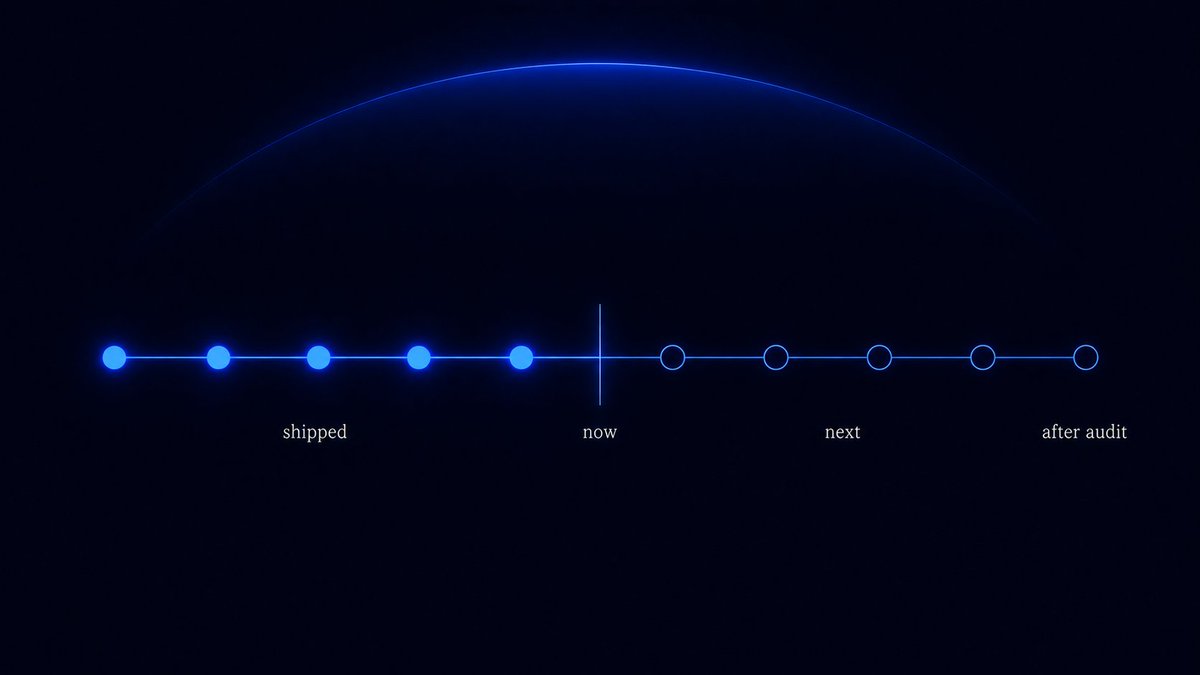
What's next for Tessera: webhooks for churn alerts, a visual graph explorer, a Python SDK, team API keys, and the sealed private layer after audit.
Shipped so far: durable delivery, one-line middleware, observability, cached reads, on-chain billing.
The hard part ships when it's audited, not before.
New usage dashboard: see every $TESS you've spent on queries and exactly where it went, burn, contributors, treasury, with a Solscan link on every row.
A billing page that's also on-chain proof.
Reading it is free.
https://t.co/nYCCXuflOE
the $TESS contract address is now in the repo, pinned right in the readme so you're verifying against source, not a random reply.
https://t.co/AYJEFpM6US
Web2 has known who its customers are for twenty years.
Every website you visit stitches you into one profile across sessions, devices and logins. That's normal there. In the agent economy it's the opposite: your buyers show up as raw wallets and you're left guessing.
Tessera closes that gap, but with a hard limit web2 never had: you only see your own payers, and nobody sees your raw data.
We'll tell you which half is real today.
The public part works from day one: payments already land where anyone can check them, so the first version of the graph is honest.
The private layer, the finer detail on what each wallet actually does, comes later.
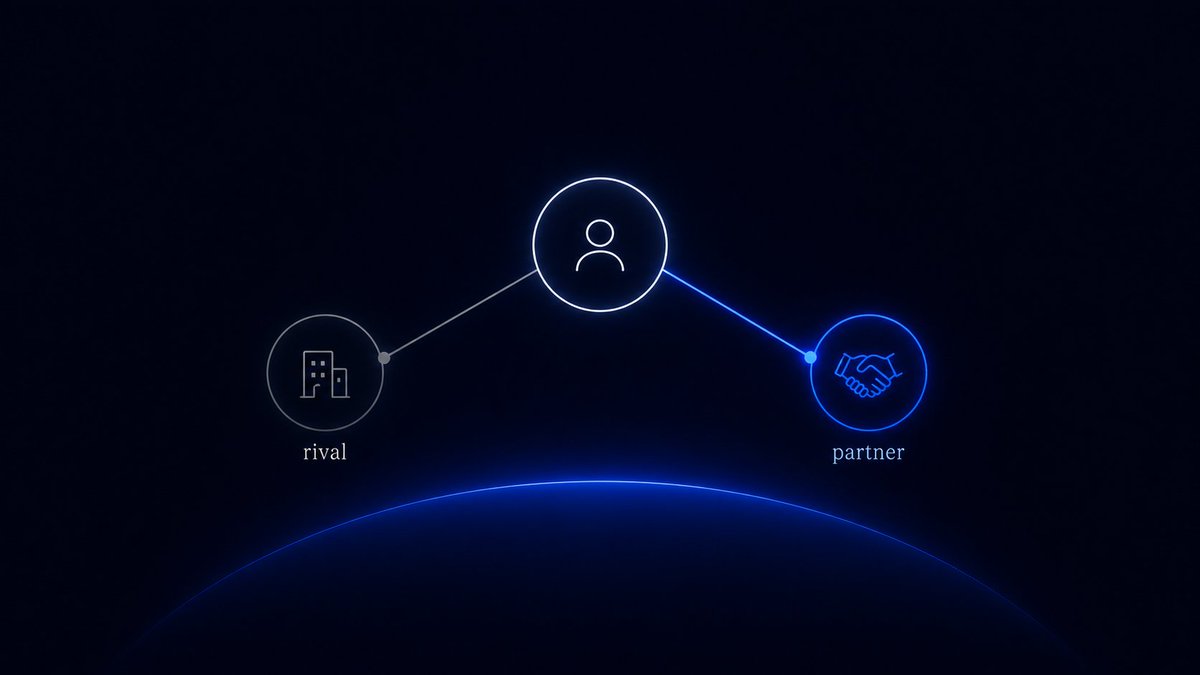
Co-usage isn't only about rivals.
Map that shows which competitors share your buyers also shows who you should be working with. A provider that covers a step you don't, used by the same accounts, is an integration waiting to happen, not a threat.
Most tools only show you who to fear. This one shows you who to build with.
SDK update: EnrichCache plus decision helpers.
The read side got smart. Repeat lookups serve from cache, 10 calls for one wallet collapse to one, and getMany() batches a whole dashboard. Then helpers like isHighChurnRisk() and accountSize() turn the raw response into a decision in one line.
https://t.co/d6cYj2yGI0
Why there's no VC.
Tessera only works if competitors trust a shared graph. That trust dies the moment the operator holds an insider allocation or a private window into the data.
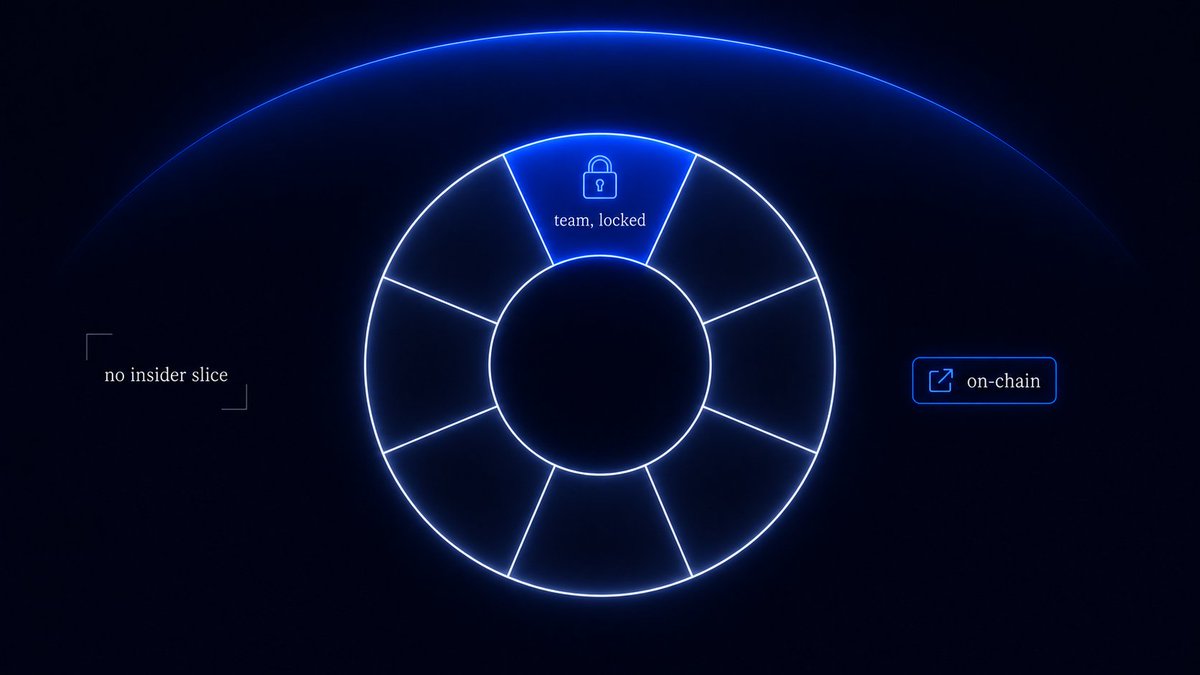
So there isn't one. Fair launch, no VC round, team supply locked on the dev wallet.
You can be on the earning side of this graph, not just the paying side.
Stake $TESS, run attestations, and every time your data adds something new, wallet or link nobody had, you earn from contributor pool. Your stake is what keeps you honest. Try to fool graph and it gets slashed.
Read the graph, or help build it. Both sides are open.
Someone's probably farming your free tier right now.
Offer free credits and one person will spin up ten wallets to claim them ten times over. On your side it looks like ten fresh users.
enrich clusters those wallets back into a single account, so you can see farmer and shut it down. The same tool that finds your whales finds your leeches.
SDK update: first-class observability hooks.
Running Tessera in production meant flying blind. Want latency, error rates, which calls fail and why? You'd be monkey-patching fetch to get anything out.
Now TesseraConfig takes a hooks object that fires around every request.
Wire it into your metrics, tracing or logging in a few lines. durationMs drops straight into a histogram, and it's zero overhead when you don't use it.
Hooks fire for all four calls. Your SDK is no longer a black box.
https://t.co/jbnLvH8aDC
You can only ask about wallets that already paid you.
We won't let you point at a stranger and pull their whole history. The question is locked to your own customers, answered with what the network knows.
It's account resolution for people you already deal with.
Simplest way to explain Tessera: caller ID for agent economy.
Wallet pays your API and all you see is a string of characters. Tessera is layer that tells you it's a returning customer, that they also use two of your rivals, and that they're about to churn.
Same call but now you know who's calling.