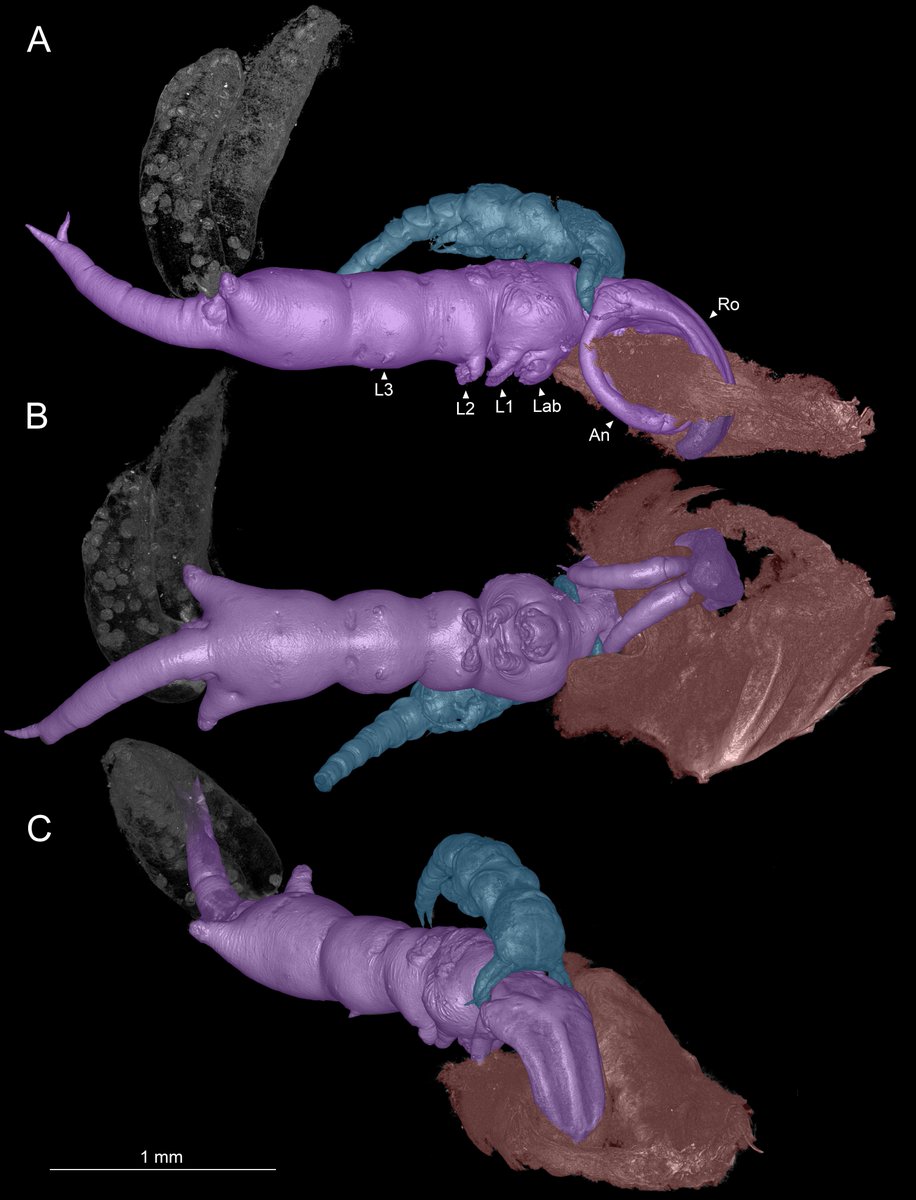
In other exciting news Dr Rachael King and Dr Remko Leijs from the SA Museum have described 2 new genera and species of subterranean amphipods! (https://t.co/i4rsHbsP1m). 📷Rachael King
@SAMuseum@Parks_Australia@bhp@Earthwatch_Aus
Did you know, there have been only six generations of taxidermists at the @SAMuseum since 1840?
Read about a day in the life of the museum's current taxidermist, Jo Bain visit https://t.co/XE6js9MZvS
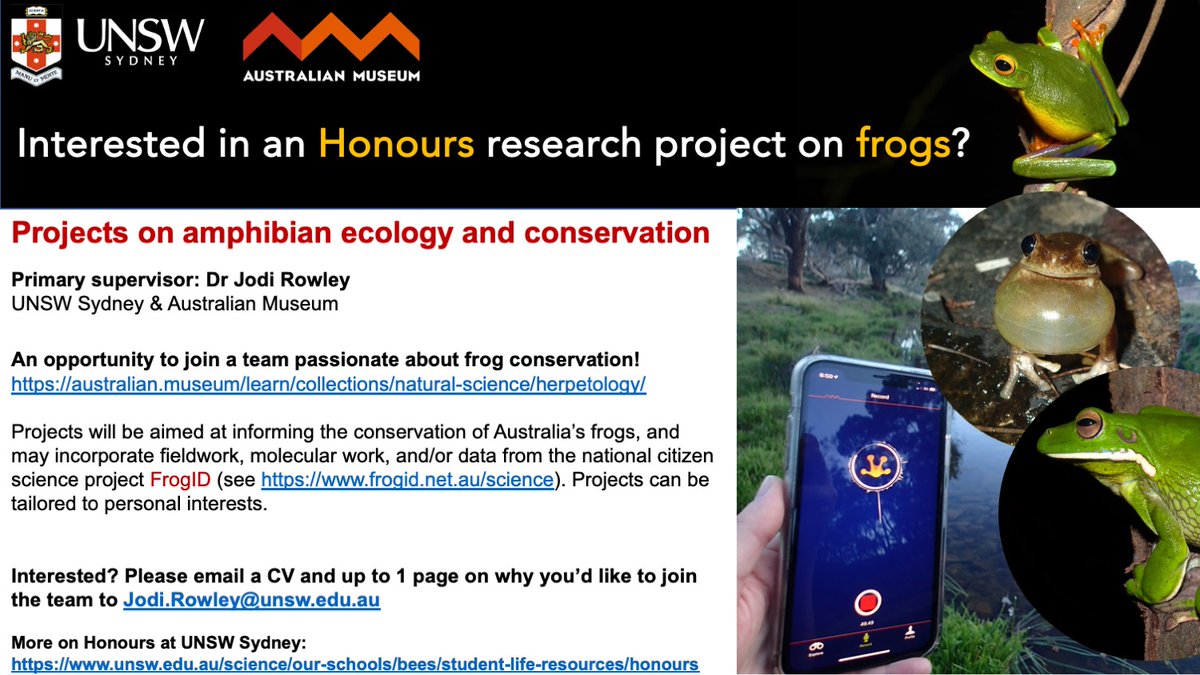
📣 PhD students wanted: Future-proofing seaweeds on the #greatsouthernreef 🥬 Lead meaningful research in a global biodiversity hotspot 🐠🏄♀️🌊 Email me CV and letter of motivation or get in touch for more info
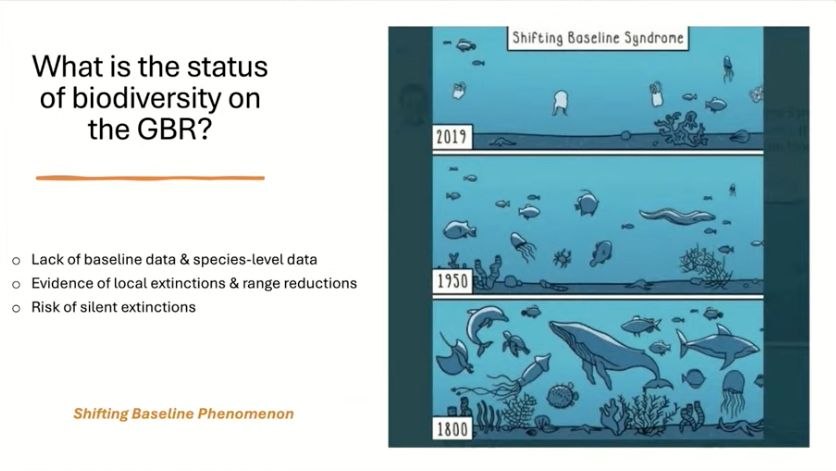
“You can have high levels of coral cover—up to 50 or 60 per cent … but coral cover is not the be-all-and-end-all. There is so much more we need to know to assess the status of the reef.” — A/Prof Zoe Richards #ScienceJourney
This is a deep-sea tomopterid worm. Many are wholly transparent and evoke swimming chandeliers, but this one has a deep red body, likely to hide itself from the bioluminescent searchlights of predators. As always, feel free to use this image as you like.
Happy International Women's Day!
Proud to be a part of this video made in celebration of the day, what we've achieved and what we still need to do to achieve equality.
#internationalwomensday#internationalwomensday2024
https://t.co/o17mMpf0r9
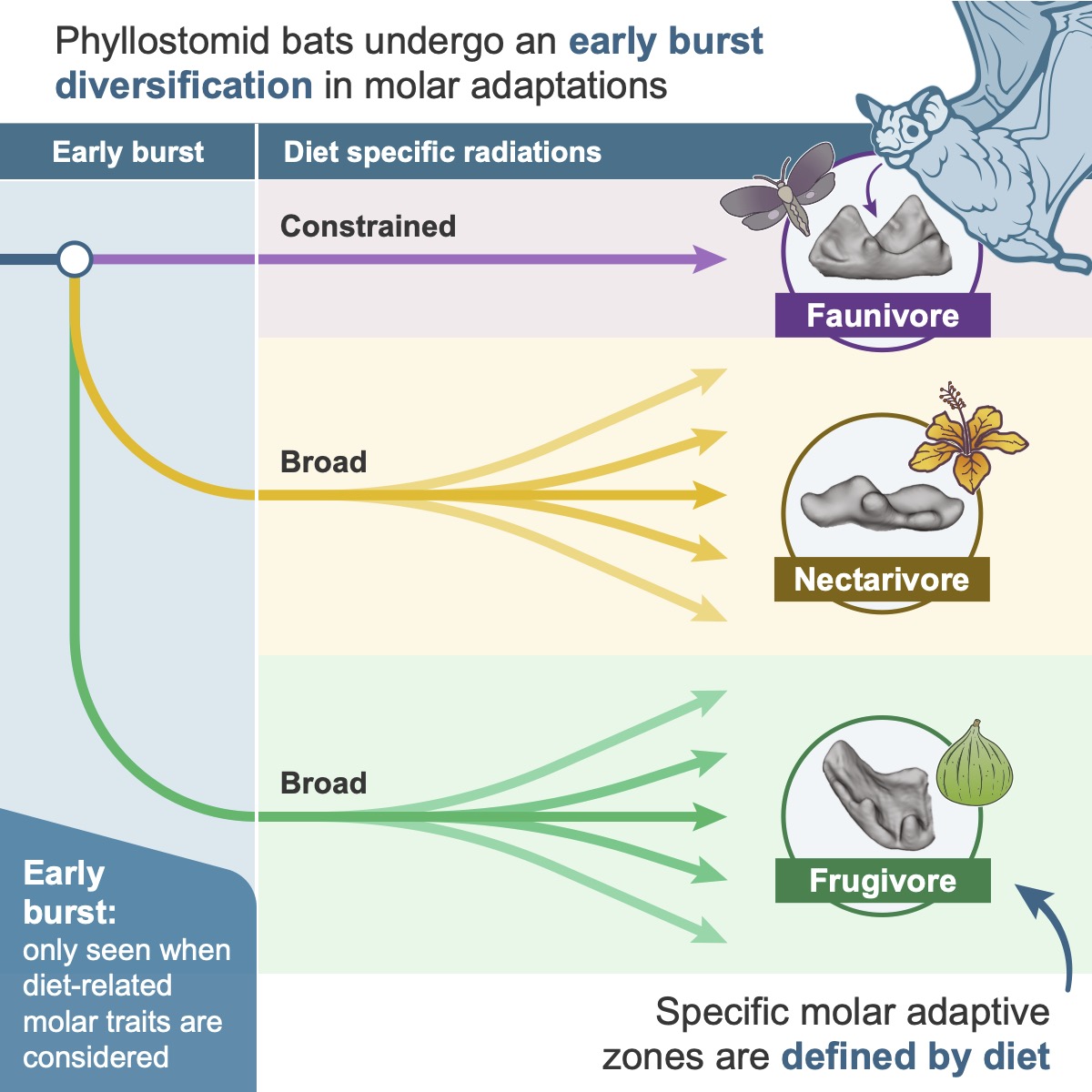
🚨New paper alert🚨 – We demonstrate how phyllostomid bats radiated via an early burst, a pattern that is only apparent in traits linked to diet:
The hierarchical radiation of phyllostomid bats as revealed by adaptive molar morphology
https://t.co/OlStKHqT7a
@CurrentBiology
Sampling down to 4,800 metres, sea pigs, bad weather and unfathomable pressure, a rare ghost shark, and a conversation with Antarctic in our third and final voyage blog.
Read Voyage Update #3 from onboard expedition co-lead Sadie Mills:
https://t.co/8I42wPBI7N
#OceanCensus
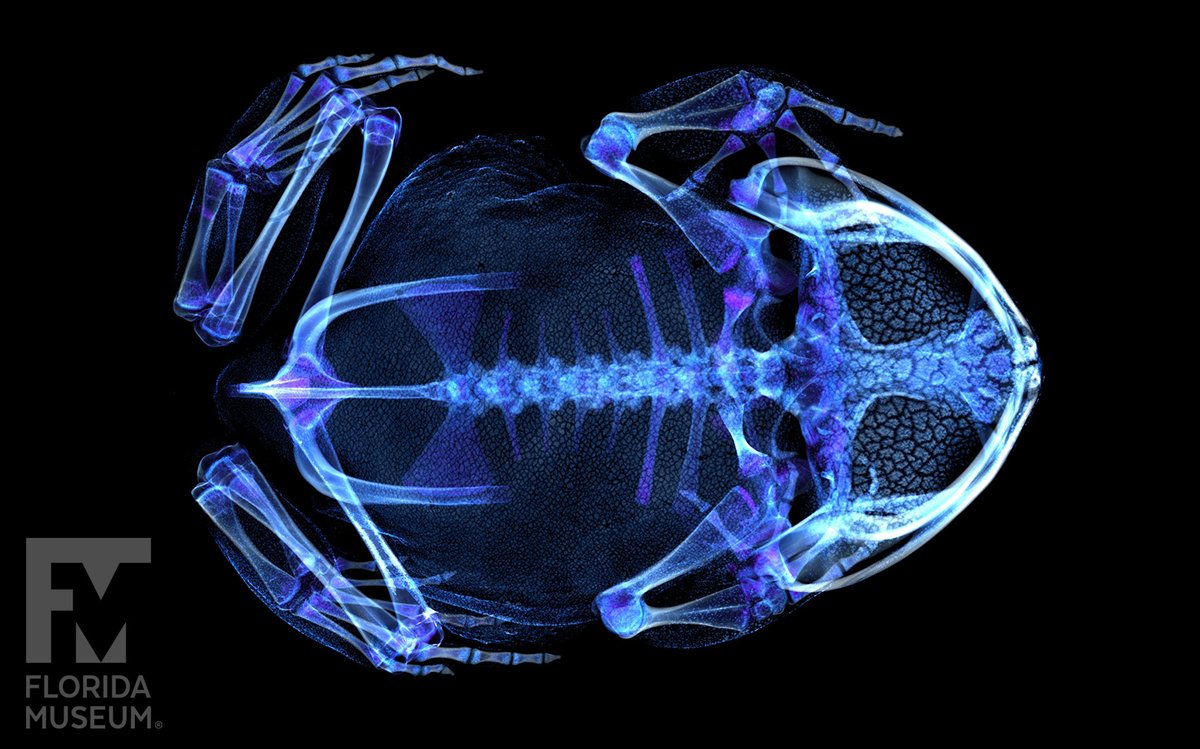
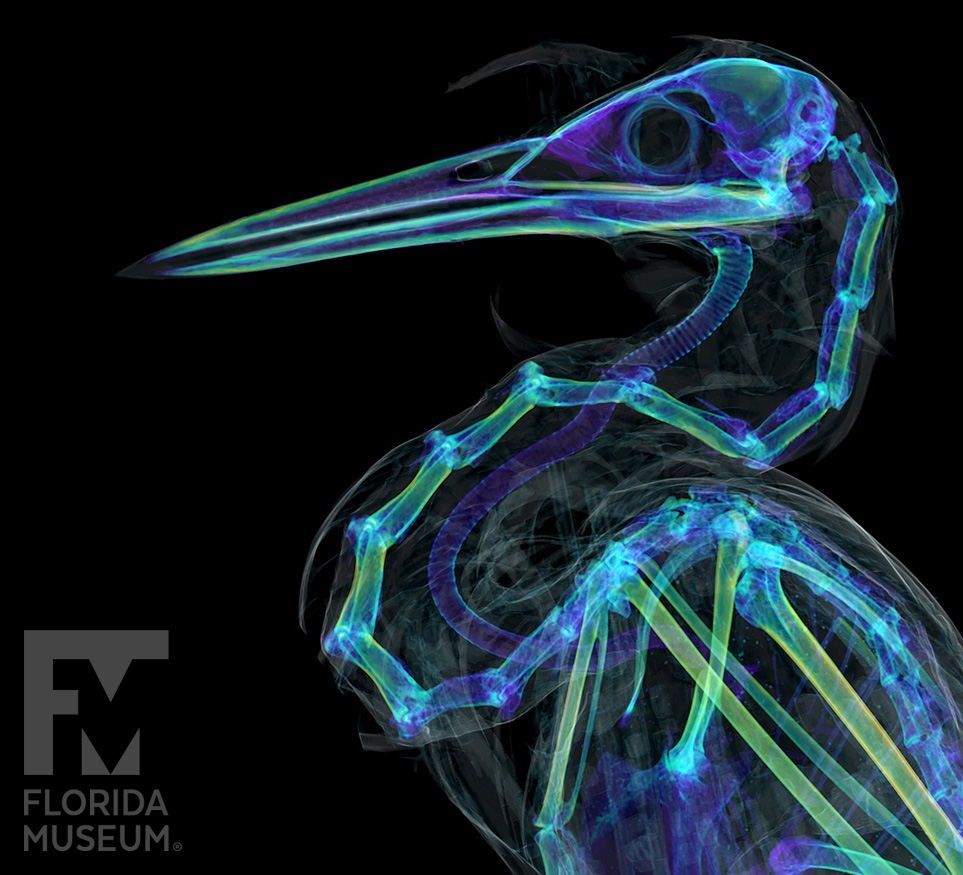
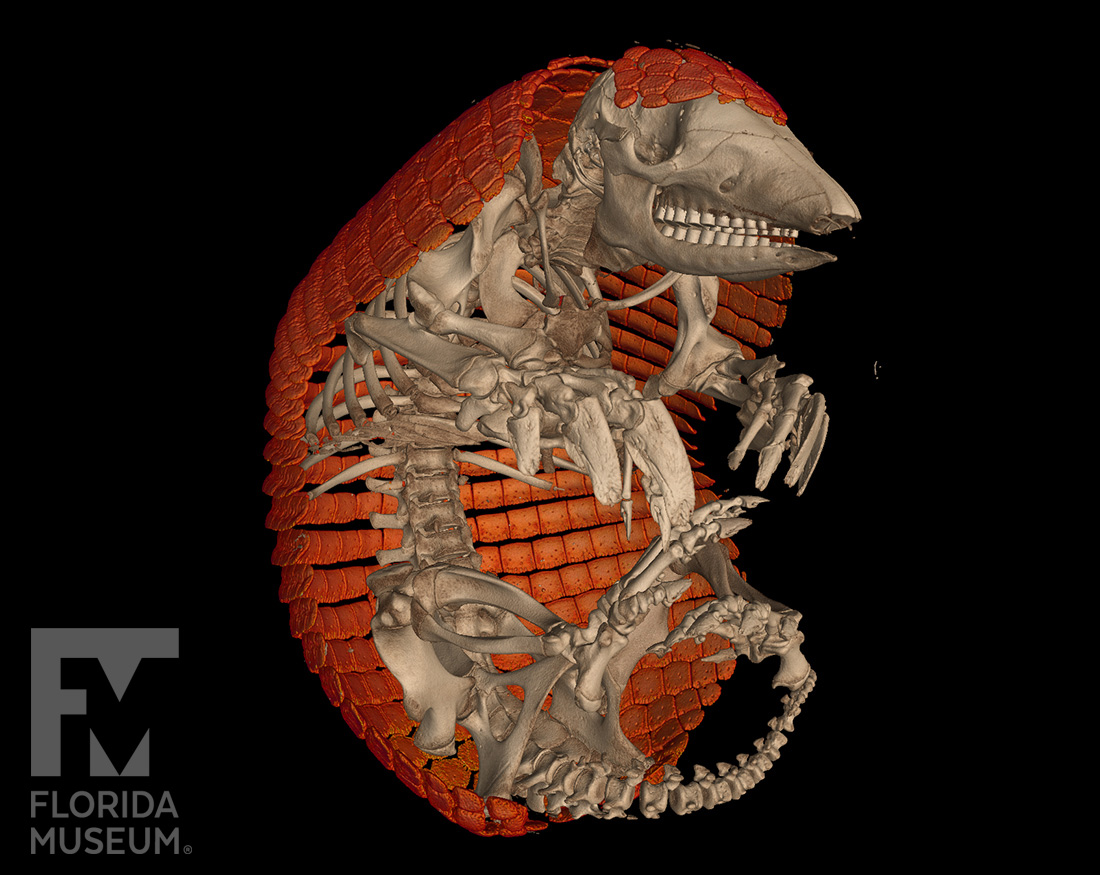
It's a wrap! 🎉🎉🎉 With the completion of #oVertTCN, the doors of natural history museum collections have been digitally unlocked allowing scientists, educators, artists & the public to interact with specimens in ways never before possible.
Story:
https://t.co/HaTp8GWB3D
Working with non model animals? Feeling depressed every time the genes from your favourite tardigrade/velvet worm/Gordian worm/whatever worm/sponge/jellyfish/[insert your fav invertebrate here] do not have any functional annotations? Keep calm and continue reading! 🧬🪱🪲1/10
Congratulations to #Australia, which just passed over 1 million verifiable observations of over 30,000 species on iNaturalist!
If you live in Australia, our network site is https://t.co/z4enFyNkw9, a parternship with @atlaslivingaust. #nature#citizenscience#biodiversity
This is a close-up of the “face” of Vampyroteuthis infernalis, the only species in its order. It is a deep-sea cephalopod that is nearly always found in oxygen minimum zones — areas of the deep-sea that have low oxygen concentrations and thus can be be refugees from predation.