We've moved our customer support from X to Facebook Messenger to offer you more focused support. For other contact options visit the Thames Water website.
Following a very dry spring and three record-breaking heatwaves, water use across our region has soared—with some homes using 50% more than usual.
With the Met Office forecasting more hot, dry weather ahead, we’re implementing a hosepipe ban across our region, effective this Thursday 23 July. We’ve acted now to protect essential supplies so taps keep running for everyone's core needs.
While our teams work around the clock to fix leaks, we need your help too. We’re asking everyone to take a break from using:
❌ Hosepipes
❌ Sprinklers
❌ Jet washers
Please continue using water as needed to stay healthy and hydrated!
🔗 Read more about the ban and what it means for you: https://t.co/cHoUP4loNg
1.5 million smart meters installed and counting ✅
By accelerating our smart meter rollout, we're helping customers track their water use, identify leaks sooner and reduce unnecessary consumption. The latest installations have already helped save 15 megalitres of water a day.
It's all part of our plan to modernise our network and secure water supplies for the future. 💧
Read more at https://t.co/wEWlLFlSFZ
Got 30 seconds? 👀
That's all you need for 5 tips to protect your home when the temperatures drop.
From insulating your outdoor taps to lagging pipes, small changes now can make a big difference.
Save energy, save water, and get winter ready ❄️
#wintertips#WinterReady
October brought above-average rainfall across London and the Thames Valley ☔
While the wetter weather has helped support our water resources, river flows remain below normal and groundwater levels are still lower than we'd expect for this time of year in some areas.
Our teams continue to carefully manage water resources to help maintain resilient supplies for customers and the environment.
Thank you for continuing to use water wisely 💧
💧 Finding a leak isn't always straightforward.
While some bursts appear above ground, around 95% of the water lost through leaks comes from pipes hidden beneath our streets.
That's why our teams use everything from acoustic sensors to satellite technology to help locate them. Every leak reported to us is investigated and prioritised based on lots of different factors.
👉 Watch to see how we find and fix leaks across our network
#infrastructure #leakage
Series 3 of Thames Water Explained looked ahead to one of our biggest challenges: securing water for the future 💧
From the pressures facing our water supplies, to the work we're doing to save water today, find and fix leaks, and invest in major infrastructure for tomorrow, this series explored what it takes to keep water flowing for generations to come.
👀 Catch up ahead of Series 4 at https://t.co/wDHJtNSKgI
#ThamesWaterExplained #water #infrastructure #leakage
What really comes out after dark at the proposed White Horse Reservoir site? 🦇
Our ecology teams and specialist surveyors are using thermal imaging and specialist monitoring equipment to track bats and other nocturnal wildlife across the site.
These surveys are an essential part of planning for the project, and we're gaining valuable insights into the wildlife that calls the area home.
We'll be sharing more about what we're learning in the coming months. Happy Halloween! 🎃
#WhiteHorseReservoir #wildlifephotography
🚽 Not everything that goes down the toilet belongs there.
Our latest research with parents and caregivers of children under four found there's still plenty of confusion around what can and can't go down the toilet, especially when it comes to wipes labelled "flushable".
The reality? Wipes don't break down like toilet paper and can contribute to sewer blockages, fatbergs and problems at sewage treatment works.
This #Unblocktober, we're helping to bust the myths and encourage one simple habit change:
🗑️ Bin all wet wipes, even those labelled "flushable" or "biodegradable"
🚽 Only flush the 3Ps: pee, poo and (toilet) paper
#BinItDontBlockIt #WipeOutWipes @unblocktober
🤔 How many wet wipes do you think get flushed across our region every year?
This #Unblocktober, we asked members of the public, and the answers were surprising...
The actual figure is an estimated 10 million wipes a day, costing around £21 million annually to remove build up and repair damage caused to infrastructure.
We're asking everyone to make one simple change: put wet wipes in the bin, not down the loo.
✅ Flush only the 3 Ps: pee, poo and toilet paper.
#BinItDontBlockIt #WipeOutWipes @unblocktober
🚧 We're investing £8 million to upgrade Dartford's water network.
Over the next three years, we'll replace 8.4km of ageing water mains across Southfleet to help reduce leaks, prevent bursts and improve reliability for customers.
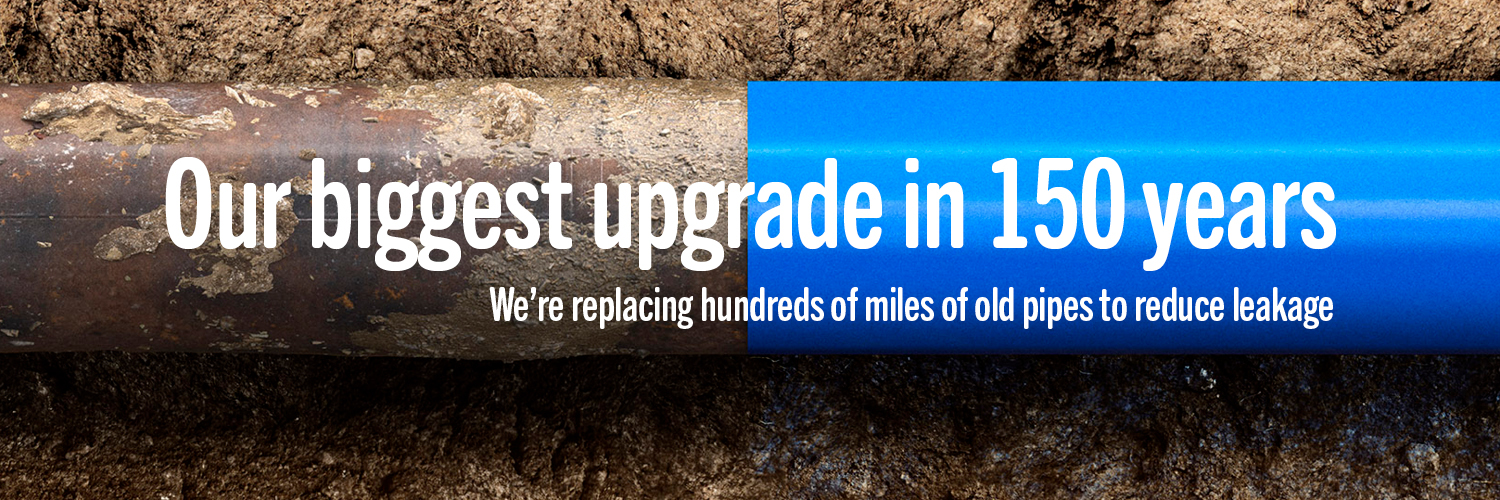
This work is part of our biggest upgrade to the water network in 150 years, helping build a more resilient water supply for generations to come.
💧 Find out more at https://t.co/jyI9u5roHh
#networkupgrade #leakage
You can sign up for flood warnings by phone, text or email for homes and organisations in England ☔
You’ll get messages about flooding from rivers, the sea or groundwater, depending on your area.
You can’t get flood warnings for surface water flooding or ‘flash flooding’.
Sign up for flood warnings at https://t.co/DQdz5kIwtX
Do you know your flood alerts from your flood warnings?
Make sure you're signed up and prepared for flooding this #FloodActionWeek
https://t.co/Xp3Tk45lUD
The London Tideway Tunnel Network has diverted over 22 million tonnes of sewage from the River Thames 🌊
And we're already seeing the difference it's making. The first annual Tideway Benefits Report found storm overflow discharges to the tidal Thames have reduced by 86%, while around 84 tonnes of sewage-derived litter were prevented from entering the river in 2025.
The #SuperSewer plays a crucial role in supporting local wildlife and biodiversity, as well as creating a cleaner river for the future.
👉 Read the full report at https://t.co/mHR8OCH3m6
💧 September saw another month of low rainfall across London and the Thames Valley.
With rivers running below average and groundwater remaining exceptionally dry, our teams are continuing to carefully manage water resources to help maintain resilient supplies for customers and the environment.
Thank you to our customers for continuing to use water wisely.
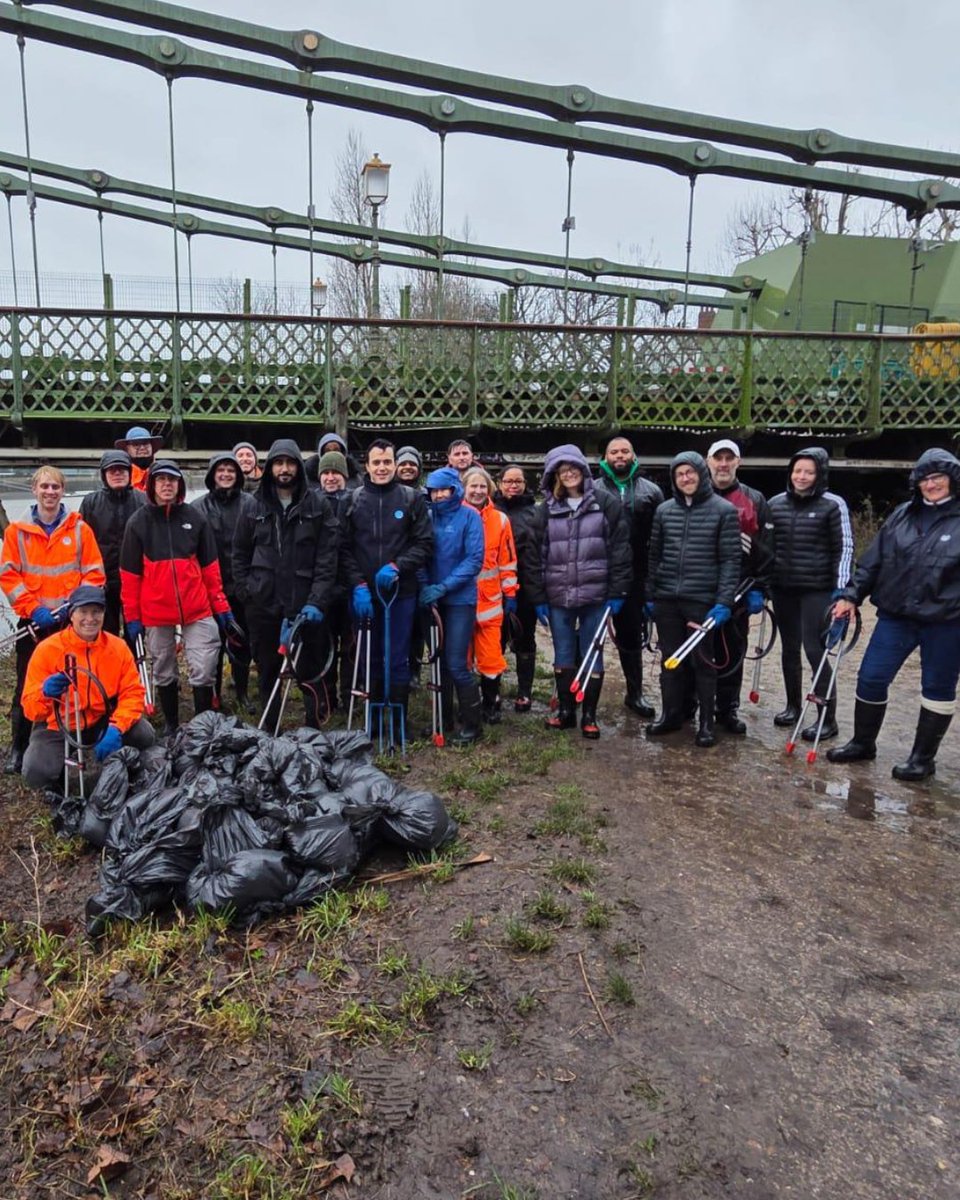
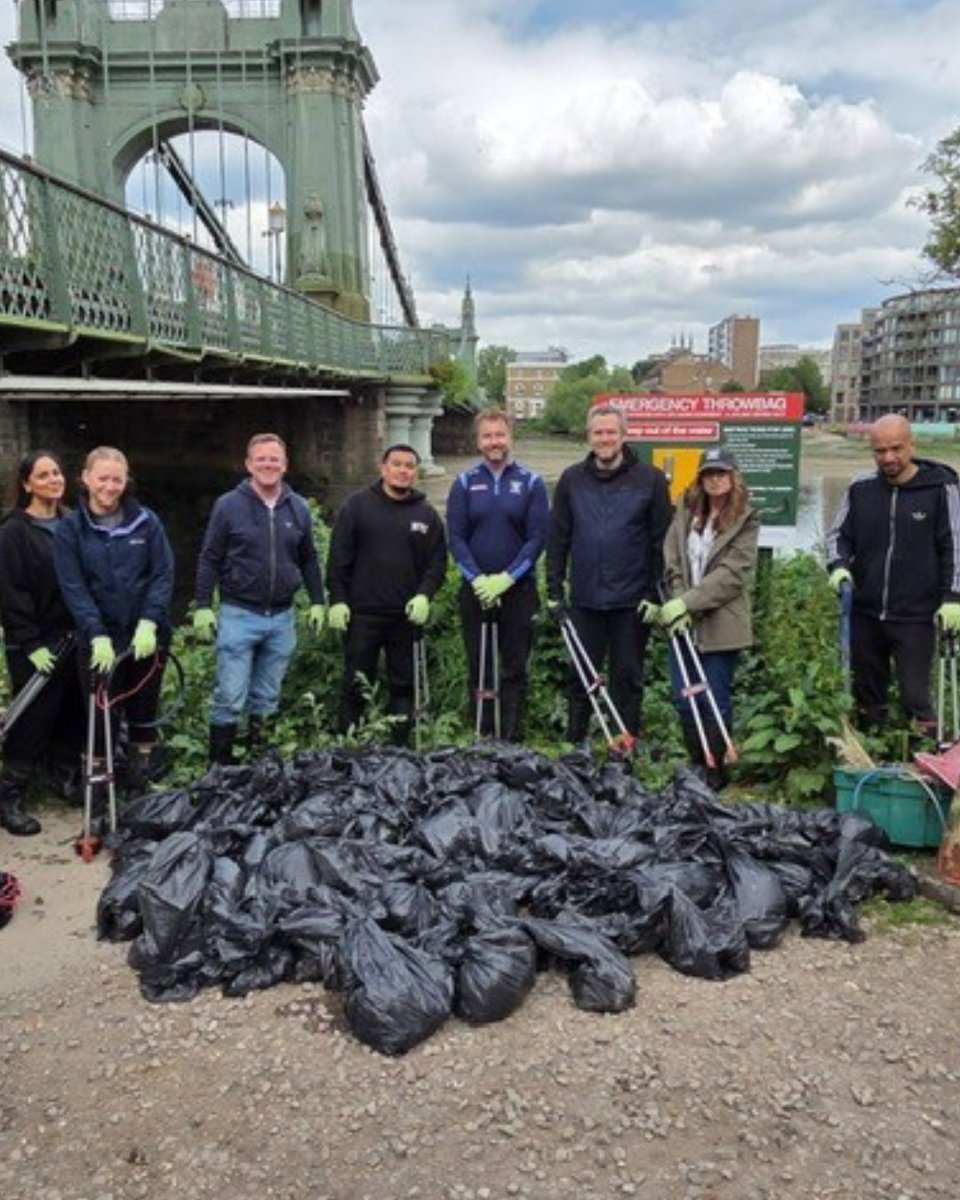
💙 From clearing blockages to cleaning riverbanks, our teams see first-hand the impact wet wipes can have on the environment.
Throughout the year, Thames Water colleagues volunteer their time to support clean-up events across the River Thames, including helping remove wet wipes from riverbanks.
This #Unblocktober, it's a reminder that what we flush can have a lasting impact. Wet wipes don't break down like toilet paper and are a major cause of sewer blockages.
While the upcoming ban on plastic-containing wet wipes is welcome news, the best place for any wipe is still the bin.
Only flush the 3Ps: pee, poo and toilet paper. 🚽
#BinItDontBlockIt #WipeOutWipes
We've read your questions. So, let's talk about them 👀
In Episode 1 of our new series, we're answering some of the top questions we see in our comments all about the hosepipe ban, drought, and rainfall.
As the dry weather continues, we're explaining what it means for our water supplies, and why using water wisely is so important 💧
▶️ Watch the full episode at https://t.co/9IDS0IhR2G
#hosepipeban #watersaving #qna
🚽 What actually happens to the things you flush?
This #Unblocktober, we’re putting wet wipes, cotton buds, tissues and toilet paper to the shake test. The test replicates what happens when items are flushed down the toilet, showing what breaks down and what stays intact.
While toilet paper breaks down, many other items don’t, including wet wipes, tissues, cotton buds, sanitary products and nappies. If flushed, these can contribute to significant blockages in our sewers.
The upcoming ban on plastic-containing wet wipes is a step in the right direction, but even wipes labelled ‘flushable’ should still go in the bin.
Remember the 3Ps: pee, poo and toilet paper. Anything else? Bin it, don’t block it. 🗑️
#BinItDontBlockIt #WipeOutWipes
An estimated 3.8 billion wet wipes are flushed into our network every year. That’s enough to build more than 10 Big Bens 🤯
With #Unblocktober kicking off, there’s no better time to think about what goes down the loo.
Wet wipes don't break down and can contribute to blockages - even if they’re labelled biodegradable or flushable 🚽
So remember to only flush the three Ps: pee, poo and (toilet) paper.
#BinItDontBlockIt #WipeOutWipes
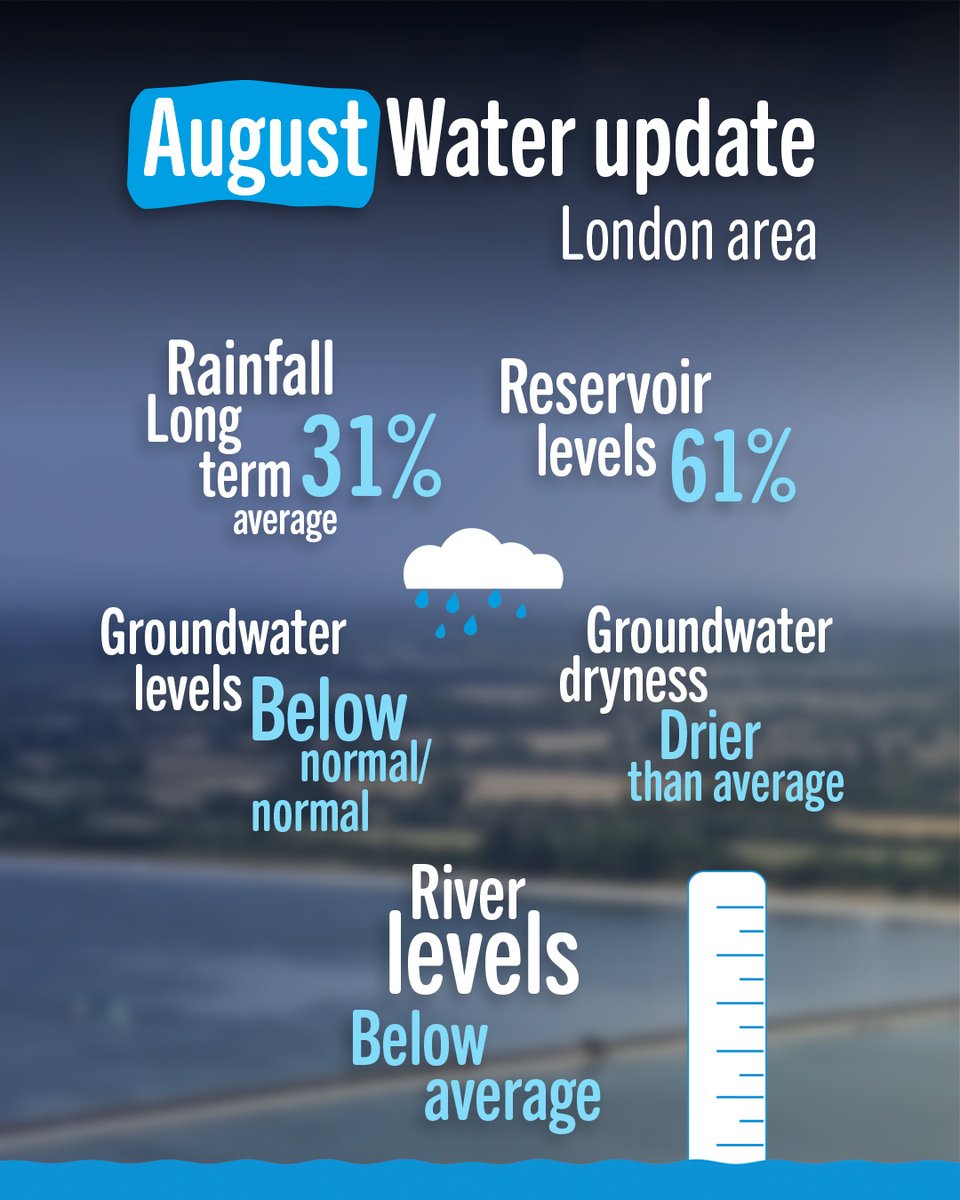
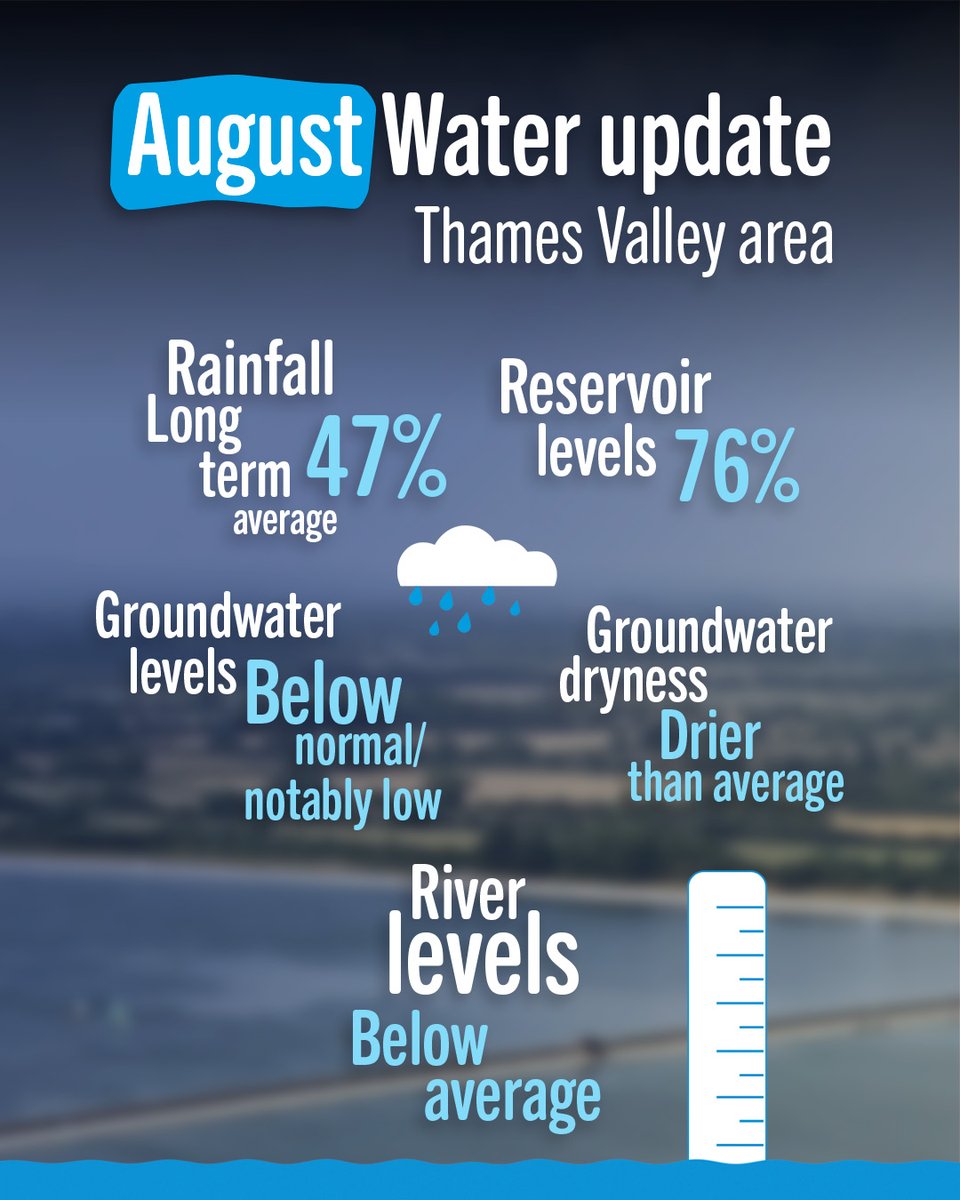
☀️ A dry August has continued to affect water resources across London and the Thames Valley.
Rainfall was well below average, with groundwater and river levels remaining lower than we'd typically expect for this time of year. Reservoir levels are currently at 61% in London and 76% in the Thames Valley.
Our teams are continuing to monitor conditions closely and manage water resources to help maintain resilient supplies for customers and the environment.
As dry conditions continue, we'd like to thank customers for continuing to use water wisely. 💧
@OlgaIturri@CamdenCouncil@Keir_Starmer Hi, thanks for reporting this. Please can you submit a report at https://t.co/mzVDNeuiFD and we can look into the issue.
How can a smart meter help spot a leak? 💧
In the latest episode of Thames Water Explained, we take a closer look at how smart meters help track water use, and even alert customers to potential leaks before they become a bigger problem.
👉 Watch the full episode now at https://t.co/74n7MB0TP8
#ThamesWaterExplained #smartmeter