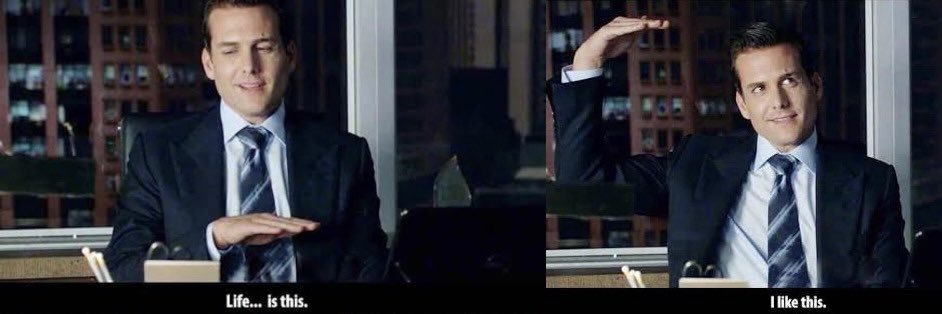
If you are feeling any dissonance with the constant barrage of AI slop coming your way, remember 5 years ago they told you BTC would be $1M by now and that it would be normal for us to roam around with a $5000 clunky headset on our heads.
That's not to say that platform shifts aren't real - but each such shift brings along its share of FOMO merchants and grifters.
FOMO merchants will sell you FOMO 24/7 because their future wealth depends on you buying their version of the future completely. They sell their narrative as destiny. And the genius lies in making skepticism look like ignorance. Anyone who questions is a luddite - someone who "just doesn't get it". And no one wants to appear dumb in public. So the bubble gets stronger.
Then there are grifters - who don't understand the tech but want to ride along for the vibes. They swap bios and LI profiles quicker than you can say AI. They have the conference passes and the selfies and the jargon. They think proximity is participation and vocabulary is competence. They also think they have everyone fooled but in reality there's nothing more transparent.
It's OK to know and believe things are changing and prepare - but also have questions and leave some room for healthy skepticism. Cognitive dissonance is essential in these times.
I'd just run far away from anyone talking about this shift with certainty. No one knows, not even your heroes.
junior pm: i have to run my first global alignment meeting and i'm freaking out
senior pm: what's your plan?
junior pm: schedule the call, walk everyone through the proposal, get buy-in
senior pm: how many people?
junior pm: like 8 stakeholders across 4 time zones
senior pm: and you're meeting them for the first time... in the alignment meeting?
junior pm: well yeah. that's the point of the meeting
senior pm: there's your problem
junior pm: what do you mean?
senior pm: alignment meetings don't create alignment
junior pm: then what's the point?
senior pm: they confirm alignment you already have
junior pm: i don't follow
senior pm: have you talked to any of these 8 people yet?
junior pm: i sent them the pre-read
senior pm: that's not talking
junior pm: so i should... call them first?
senior pm: every single one. 1:1. before the big meeting
junior pm: that's 8 separate calls just to prep for 1 meeting
senior pm: now you're getting it
junior pm: seems like a lot
senior pm: it's the whole job
junior pm: what would i even say in these calls?
senior pm: you're not saying. you're listening
junior pm: listening to what?
senior pm: their fears. their motivations. their hidden objections
junior pm: why wouldn't they just say that in the meeting?
senior pm: politics. pride. audience
junior pm: so they'll tell me privately what they won't say publicly?
senior pm: if you ask right
junior pm: how do i ask right?
senior pm: frame it as soliciting their expertise
junior pm: "i'm new to this and want your input"?
senior pm: exactly. people love feeling like the wise advisor
junior pm: and then i just... shut up?
senior pm: shut up and write everything down
junior pm: what am i looking for?
senior pm: conflicting goals between stakeholders. who wants what and why
junior pm: ok say i do all this. what changes?
senior pm: two things
junior pm: go on
senior pm: first, you adjust your proposal based on what you learned
junior pm: makes sense
senior pm: second, you sprinkle their exact phrases into your presentation
junior pm: why?
senior pm: people support what they helped create
junior pm: even if they didn't technically create it
senior pm: especially then
junior pm: what about the difficult ones? the ones who'll disagree no matter what?
senior pm: you pre-negotiate
junior pm: how?
senior pm: in your 1:1, you say "i know you have concerns about X. i can't fully address them. can you disagree and commit in the meeting?"
junior pm: you can just ask that?
senior pm: you'd be surprised how often the answer is yes
junior pm: because you asked privately
senior pm: because you respected them enough to ask
junior pm: so the alignment meeting itself is basically...
senior pm: a ceremony
junior pm: confirming decisions already made
senior pm: in hallways. in 1:1s. in coffee chats
junior pm: the meeting before the meeting
senior pm: now you're ready to run alignment
Last one on this topic, and I have been holding this in myself for a while.
For centuries, class divides kept the labor of the poor invisible to the rich. Factory workers toiled behind walls, farmers in distant fields, domestic help in backrooms. The wealthy consumed the fruits of that labor without ever seeing the faces or the fatigue behind it. No direct encounter, no personal guilt.
The gig economy shattered that invisibility, at unprecedented scale.
Suddenly, the poor aren't hidden away. They're at your doorstep: the delivery partner handing over your ₹1000+ biryani, late-night groceries, or quick-commerce essentials. You see them in the rain, heat, traffic, often on borrowed bikes, working 8–10 hours for earnings that give them sustenance. You see their exhaustion, their polite smile masking frustration with life in general.
This is the first time in history at this scale that the working class and consuming class interact face-to-face, transaction after transaction. And that discomfort with our own selves is why we are uncomfortable about the gig economy. We want these people to look our part, so that the guilt we feel while taking orders from them feels less.
We aren't just debating economics. We are confronting guilt. That ₹800 order might equal their entire day's earnings after fuel, bike rent, and app cuts. We tip awkwardly, or avoid eye contact, because the inequality is no longer abstract. It's personal.
Pre-gig era, the rich could enjoy luxury without moral discomfort. Labor was out of sight. Now, every doorbell ring is a reminder of systemic inequality. That's why debates explode. It's not just policy. It's emotional reckoning. Some defend the system (“they choose it”), others demand change (“this isn't progress, its exploitation”).
And here’s the uncomfortable twist: the unsaid ask of clumsy ‘solutions’ isn’t dignity. It is about returning to invisibility.
Ban gig work and you don’t solve inequality. You remove livelihoods. These jobs don’t magically reappear as formal, protected employment the next day. They disappear, or they get pushed back into the informal economy where there are even fewer protections and even less accountability. Over-regulate it until the model breaks, and you achieve the same outcome through paperwork instead of slogans: the work evaporates, prices rise, demand collapses, and the people we claim to protect are the first to lose income.
And then what happens?
The rich get their old comfort back. Convenience returns without faces. Guilt dissolves. We go back to clean abstractions and moral posturing from a distance. The poor don’t become safer, they become invisible again: back in cash economies, back in backrooms, back in shadows where regulation rarely reaches and dignity isn’t even debated.
The gig economy just exposed the reality of inequality to the people who previously had the luxury of not seeing it. The doorbell is not the problem. The question is what we do after opening the door.
Visibility is the price of progress. We can either use this discomfort to build something better (which we keep doing continuously as delivery partners are our backbone), or we can ban and over-regulate our way back into ignorance. One of those choices improves lives. The other simply helps the consuming class feel virtuous in the dark.