Mine was a One-Hour Copy Sprint.
Anyone could hire me for any writing project. Book an hour, and we punch out any messaging project together on Zoom.
It was fun for me and a great value for the few clients who booked it.
It failed due to a lack of demand. Fun while it lasted!
What’s your favorite failed experiment?
Something that didn’t pan out, but you’re glad you tried it because it was ultimately fun, you made friends, or learned a good lesson.
Demand for storytelling isn’t going anywhere.
Last week, I got through a headcold by binging The Last of Us on HBO.
(Didn’t pick up any B2B SaaS tips during the apocalypse, sorry.)
The first season was some of my favorite storytelling I’ve seen in years.
If you don’t know the origin story: The Last of Us started as a videogame. The gameplay was so cinematic that the story was eventually adapted into an HBO series.
Between episodes last week, I opened YouTube and watched the original videogame clips. It was fun comparing the series to the original gameplay.
I kept thinking: What a gift it is to live in a time when storytelling comes in so many mediums.
Instagram Reels and Hollywood blockbusters. Journalism and video games. Tweets and full-length books.
Last week a college student asked me if I think AI will hurt writing opportunities.
I don’t have a crystal ball, but I told her that I’m optimistic for writers.
For all the doom and gloom AI has sparked in the creative space, I think it’s worth remembering two things:
> There’s more demand than ever for good storytelling
> There are more mediums for creative expression than any time before in history
P.S. Season 2 would have been much better if the showrunners had just moved a few episodes around. Still great TV!
Favorite books by year I read them:
2019 - The Dinosaur Artist by Paige Williams
2020 - The Haunting of Hill House by Shirley Jackson
2021 - Open by Andre Agassi
2022 - Arctic Dreams by Barry Lopez
2023 - The Gambler by William C. Rempel
2024 - Dreams of El Dorado by H.W. Brands
2025 - Anna Karenina by Leo Tolstoy
A stranger DM'd me asking about how to write for a living.
I mostly stay away from this topic these days, but thought I'd share the two big points I shared with him:
Q: "What do you think matters most for someone entering the writing world thoughtfully?"
1) Learn to sell yourself. A lot of people can write (especially now with AI). But most writers can't tell you why writing might be valuable to a person or business.
2) Before you tackle any project, go look for examples of how the best in the world are doing it. Want to write punchy landing page copy? First go read top to bottom the landing page copy used to sell the latest iPhone. Want to ghostwrite an executive op-ed? First go read a few thought leadership essays by Jason Fried or Paul Graham.
Fellow writers: What other advice would you share?
@thesamparr You might enjoy the book American Colossus. Just started it this week. It's a great glimpse into Rockefeller, Gould, Morgan, and so many of the famous Gilded Age entrepreneurs. Seems up your alley.
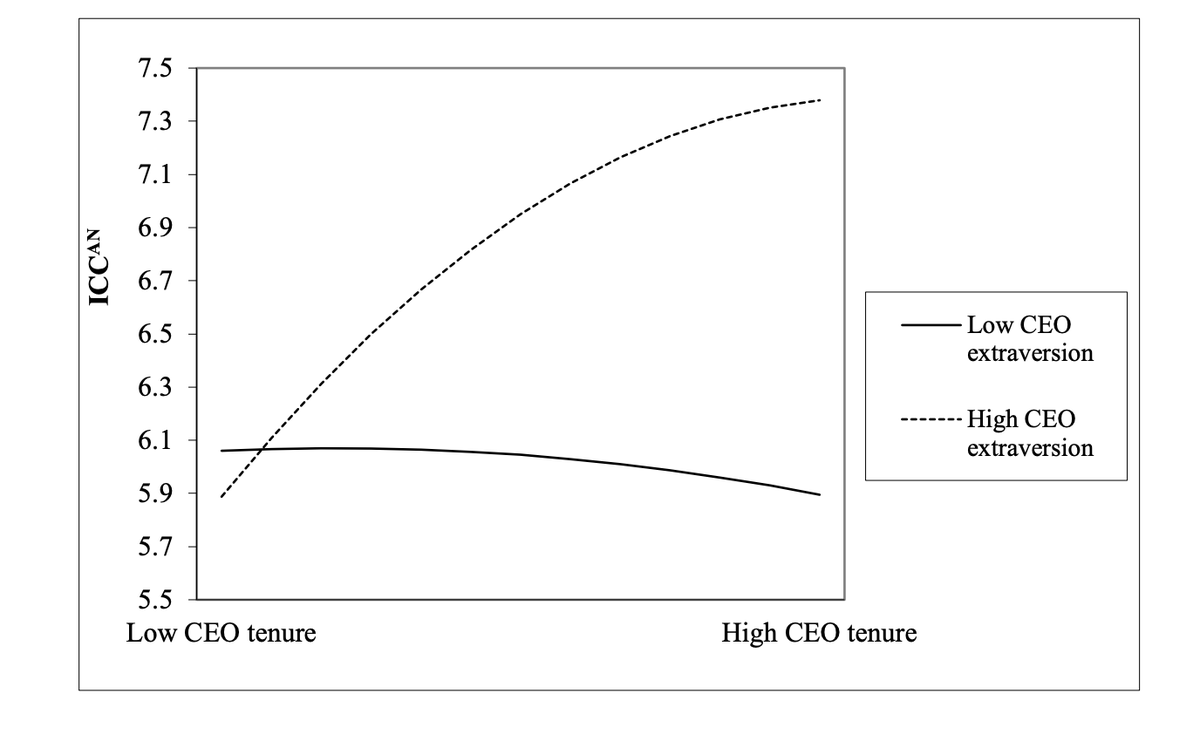
A 2019 study of 1,500 companies found that introverted CEOs are more efficient at raising capital than extroverts.
The researchers examined the cost of capital at 1,500 publicly traded companies. They weighted CEO speaking temperaments to categorize them as introverts and extroverts.
The Wall Street Journal summarized the big finding:
“The 20% of firms with the most extroverted chief executives had 20% lower company valuations on average than the 20% of firms with the least extroverted leaders.”
Introverts are more efficient fundraisers.
This flies in the face of many business leader stereotypes. But it also affirms something I think most of us know intuitively: The foundation of leadership is earned trust.
Being overly charismatic or sales-y works in the short term (as the graph shows). But over time, charisma comes at the cost of trust.
In my ghostwriting work, I find that introverted business leaders gain the strongest reputations fastest. The more intentional you are with your words, the more people trust what you eventually say.
This makes the most sense when you invert the idea: We trust the salesperson who doesn't seem to need the sale.
I've always hated "internet voice."
It's empty, airy, clickbait-y, and everywhere.
> “I can’t believe this happened.”
> “Most people think X. Really, it’s Y.”
> “Do you feel [problem] too?”
If you're a CEO writing on the web, you have my blessing to never write like this.
https://t.co/uFXT2IADBd
The longer I'm in business, and the more businesses I see friends start, the more I believe that long-term success has just two ingredients:
- Deliver good work on time
- Be easy to work with
Reminder that fear is a marketing tool.
When the heads of AI companies say, "Use our product or face career extinction," remember that it's all marketing.
I find it crass and propagandistic. You can enjoy AI without giving these specific companies your money.
Helped a friend move. Delivered a client book outline. Revised a chapter in another book. Researched and added to a core stock position.
And now, it's time to find free concerts at SXSW.
Busy Thursday. Good Thursday.






![TheAlex_Lewis's tweet photo. I've always hated "internet voice."
It's empty, airy, clickbait-y, and everywhere.
> “I can’t believe this happened.”
> “Most people think X. Really, it’s Y.”
> “Do you feel [problem] too?”
If you're a CEO writing on the web, you have my blessing to never write like this.
https://t.co/uFXT2IADBd](https://pbs.twimg.com/media/HDtAo-eWYAAkAG5.jpg)