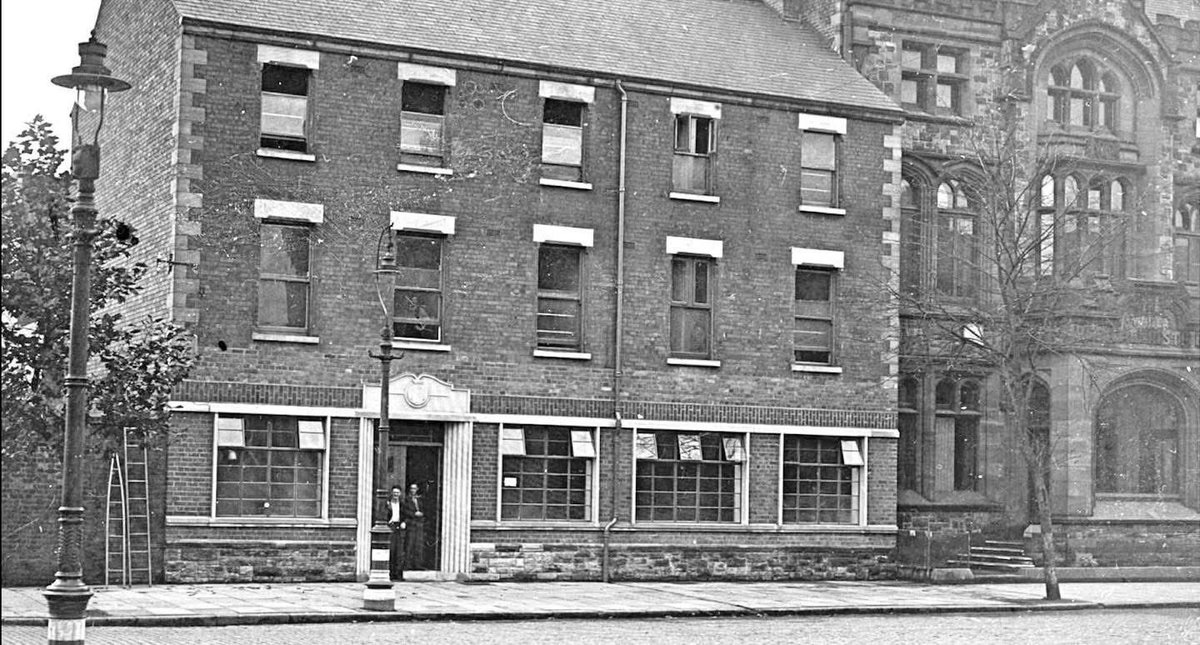
(The Maritime Club). Sailors' Society, Merchant Seamen's Club, College Square North, Belfast. 1945. (Belfast Telegraph).
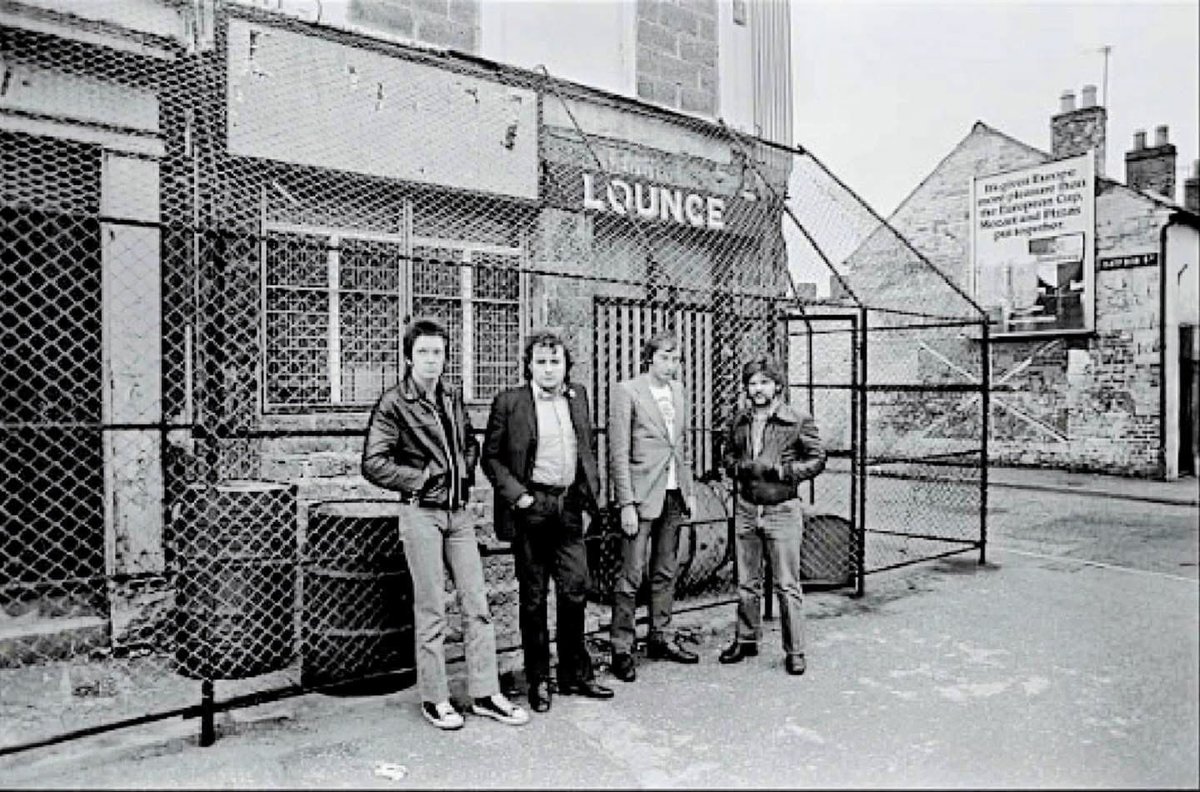
What are your memories of here in the 60s/ 70s, Van the man with Them and other great bands played here.
https://t.co/zGroworHoI
🚨 REGISTRO INÉDITO DO U2!
A RTÉ resgatou um registro nunca antes visto do início da carreira do U2: a banda apresentando “Out of Control” no programa Our Times, em 1979.
🎥: @RTEArchives#U2#U250
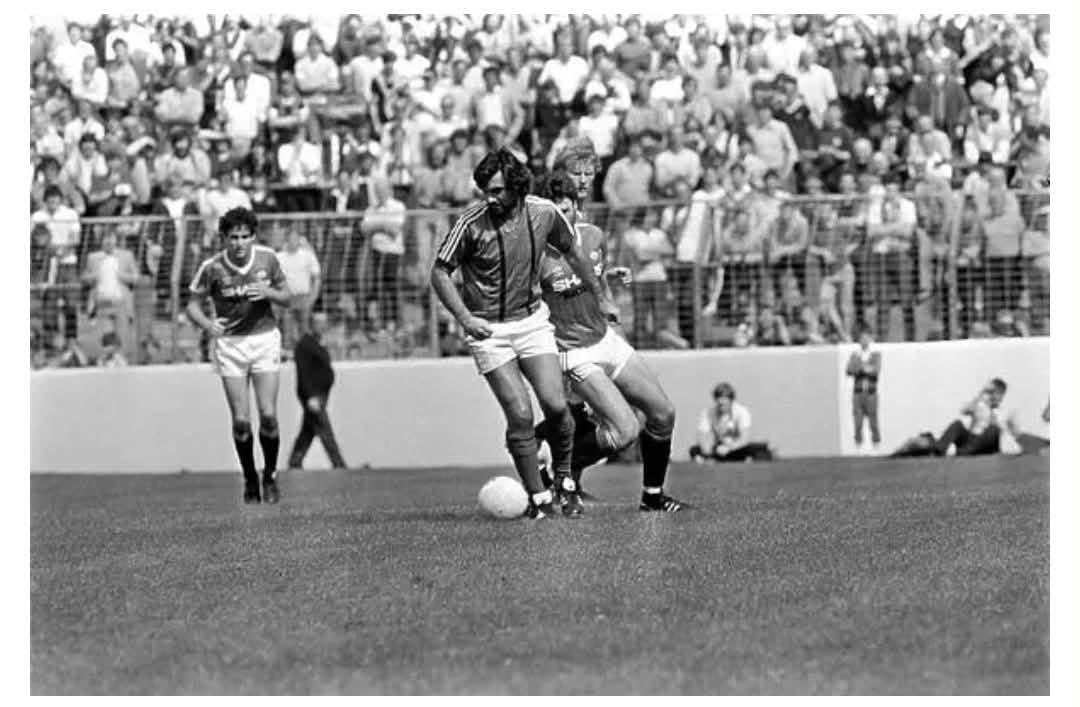
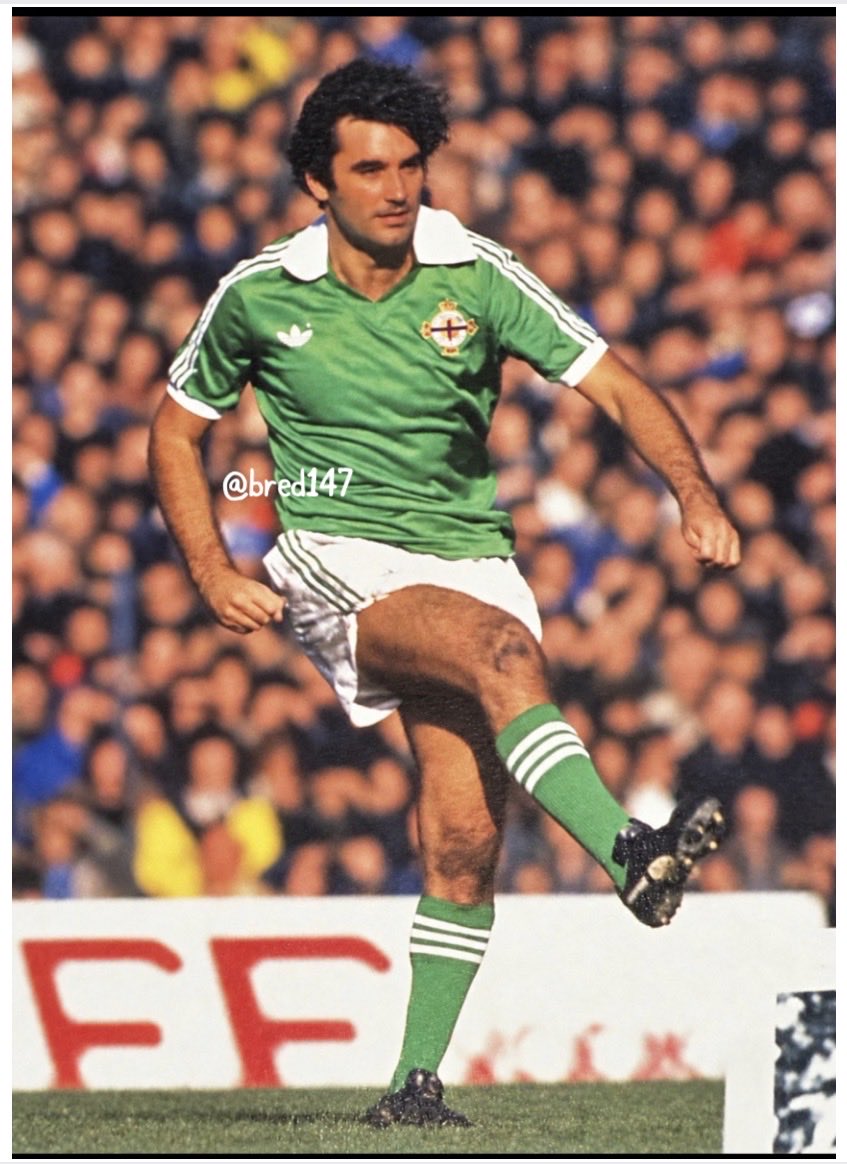
George Best highlights & interview when he played against Linfield for the San Jose Earthquakes at Windsor Park in 1981. "It's nice to be home & see the rain again" Manchester United
Nobody does it quite like Van the Man. Happy Birthday to a true legend, Van Morrison! Celebrate with his unforgettable, high-kicking performance of "Caravan" from The Last Waltz.
Today in 1990, the long nightmare of Brian Keenan came to an end. For almost four and a half years the Belfast-born lecturer had been chained in the shadows of Beirut, held hostage by Islamic Jihad. His ordeal began on the 11th of April 1986 when he was seized on his way to teach English at the American University of Beirut. From that day forward, Keenan entered a world of suffocating darkness. Blindfolded, shackled, stripped and kept in airless, rat-infested cells.
For nine months he was left utterly alone. A pitiful ration of food was slid under the door. Once a day he was marched out for ten minutes to use the toilet. Later, when joined by fellow captives such as the journalist John McCarthy, he would form bonds that kept him sane, but the isolation nearly broke him.
Back in Ireland, his sisters Elaine Spence and Brenda Gillham fought relentlessly to keep his name alive. They gave press conferences and interviews, and refused to let the world forget the man languishing in chains. Keenan held both British and Irish passports, yet while the British government refused to negotiate with his captors, Dublin pursued every channel. The Irish government, lobbying through Tehran and with the mediation of Syria, kept pressing until the door finally opened.
On the 24th of August 1990, an Arabic message was delivered to a Beirut newspapers offices. “We have decided to release Irish hostage Brian Keenan”. Hours later Keenan was driven out of Lebanon and handed over to Syrian authorities in Damascus. There he met Ireland’s ambassador, Declan Connolly. His sisters, who had flown out with the Irish Foreign Minister Gerry Collins, were waiting. Together, the four boarded a plane for Dublin.
Exhausted and malnourished, his body was gaunt from years of deprivation so Keenan was admitted to the Mater Hospital. Still, he summoned the strength to face the reporters who had gathered and said “It’s an understatement to say I’m delighted to be home. It’s where the heart is … I would like to thank everyone, but everyone, who helped to secure my release. Above all, my sisters, and my friends. I never, never once doubted them.”
Later, in his memoir An Evil Cradling, he would transform his years of torment into a profound meditation on suffering, endurance, and the strange, fierce companionship that flourishes in the depths of human despair.
Phil Lynott. Born today 1949. A true legend, his 1977 Thin Lizzy gig at Dalymount is said by many to be the best Irish gig of all time.
He is remembered at Bohs on flags, on a jersey in collaboration with @jimfitzpatrick , and in artwork and murals. ⚫️🔴
The Beatles once turned Dublin's city centre into a frenzy on the 7th of November 1963, when they performed two electrifying shows at the Adelphi Cinema on Middle Abbey Street.
It's hard to grasp just how intense the phenomenon of Beatlemania was. Even cities like London, Paris, and New York who were accustomed to superstar spectacles could hardly contain the chaos. But in 1960s Dublin, a city still marked by post-war weariness, having the world's biggest band perform felt like something straight out of a science fiction film.
The sight of giggling, bobby-sock wearing girls and slick haired boys clamouring at the cinema’s doors was only the beginning; what followed was far beyond what anyone could have expected.
The crowd outside the Adelphi was a chaotic mix of those with tickets, those without but determined to get in, and the ever curious Dubliners rubber necking.
Inside, the Fab Four slipped unnoticed into the empty cinema foyer on that rainy Thursday afternoon. The cinema's manager, Harry Lush (a name fit for showbiz!), later remarked that the only “special” preparation he made was sending someone to buy a batch of lapel badges from Eason’s on O’Connell Street to give the event an air of professionalism. Those badges were the golden tickets to meet John, Paul, George, and Ringo in the Adelphi’s boardroom.
While the band’s presence may have been understated at first, they certainly left an impression. Reports from the time praised them as polite, intelligent, and refined. Which was a stark contrast to some of the rowdier acts of the era (looking at you, Dana!).
As John, Paul, and Ringo gave interviews, George Harrison took a break to visit his aunt and cousins who lived in Dublin, adding a personal touch to the trip.
When the ticket holders finally entered the cinema, they had little interest in the warm-up acts or the Canadian comedian Frank Berry, who served as the compere.
The fans' excitement grew to a fever pitch, chanting "We Want The Beatles" until at last the curtains opened. In an instant, the drab black-and-white world of 1960s Dublin exploded into vibrant life as The Beatles took the stage.
From the opening chords of "I Saw Her Standing There" to the closing roar of "Twist And Shout," the fans’ screams never ceased. The crowd was so frenzied that some fans fainted from the excitement or danced so wildly they injured themselves, only to be carried out by volunteers from St John’s Ambulance like battle worn gladiators.
And that was just the first show. The Beatles returned to the stage at 9 pm for another performance. Truly a "hard day's night." After their final encore, they slipped out through the tradesmen's entrance and were whisked away in the back of an Evening Herald van, leaving behind a city in chaos.
Outside, a mini riot erupted. The newspapers of the day reported that cars were overturned on Abbey Street and O’Connell Street, with at least 50 people receiving treatment for minor injuries and three others hospitalised with fractured limbs.
Skirmishes broke out as unruly youths clashed with Gardaí, and street furniture was demolished in the madness. A small army of 200 Gardaí, 20 squad cars, and three fire engines were called in to restore order.
In the midst of the mayhem, The Beatles had already vanished, spirited away to the Gresham Hotel. Later, two of them quietly visited family in Drumcondra, leaving behind a city forever changed by their brief, extraordinary visit. Today, a plaque at Arnotts on O'Connell Street commemorates that unforgettable day.
Buy the Dublin Time Machine a pint and support the DTM Book https://t.co/U7jtCrOTtb
44 years ago on this date George Best turned out for his childhood club Glentoran v Manchester United at the Oval Belfast. Pics courtesy Philip Stevenson & Glentoran Gazette.