Climate Action • Veganism • Spiritual Awakening • Truth
The Better Human & WriteToWin.
Settle your ecological debt via our verified, zero-leakage missions. 🕊️
All thanks to better humans like Karan Kumar (The Tree Guy), Swapan Suin(Mangrove Boy of India) , and my father, Shri Subhash Prasad Kumar to believe in me and work together.
We have started our Flagship Mission: S.E.E.D. (Support Education & Ecosystem at Delta)
The Zero-Leakage Formula -
One Donation =
Tuition fee of a child +
Livelihood for the teacher +
Mangrove plantation
● 100% Direct Impact
● 0% Marketing Fees
● 0% Admin Overhead
https://t.co/ABzXPa6s5y
True conservation begins by securing the human roots on the ground. 💚
#Exclusive: Saket Sambhav, @TheBetterHumans founder of The Better Human™ Life Foundation, is promoting climate action and transparency through a unique Zero-Leakage Model that directs public donations entirely towards environmental projects. Based in India, the foundation supports bird conservation in Delhi-NCR, climate resilience efforts in the Sundarbans, and environmental awareness among students through the WriteToWin initiative. Supporters view the model as a way to rebuild trust in the social sector, while communities benefit from targeted, measurable interventions.
👉🏻 Climate Action With Accountability – The foundation has installed nearly 400 bird nests and over 50 water stations in Delhi-NCR, while also supporting cyclone-affected communities in the Sundarbans. “Public trust requires systems, transparency, and measurable execution,” says Sambhav, whose work is documented through geo-tagged evidence.
👉🏻 Rebuilding Trust In Social Impact – Inspired by thinkers such as Jiddu Krishnamurti, Buddha and Dr B.R. Ambedkar, Sambhav launched the initiative to address concerns about how charitable funds are used. The organisation also runs WriteToWin, a platform encouraging students to engage with climate and biodiversity issues.
The Logical Indian's Perspective – Climate action becomes more effective when it is paired with transparency, accountability and community participation. Saket Sambhav’s work highlights how trust can be strengthened through measurable impact and responsible governance. Can radical transparency become the new benchmark for social and environmental initiatives in India?
#ClimateAction #Transparency #SocialImpact #TheBetterHumanLifeFoundation
A louder scare can make crop-raiding prevention less effective. Early warnings, maintained barriers and species-specific guarding are humane options. Farmers should not have to bear the costs of wildlife conflict alone.
A white coral can still be alive. Track bleaching on Indian reefs with repeat photos of the same spot, consistent observations and heat alerts. Don't touch or collect coral.
https://t.co/kAoaKogEt5
Diclofenac can ease a cow's pain, then cause fatal kidney failure in vultures that feed on the carcass. Its veterinary use helped drive the South Asian Gyps vulture population crash. A medicine's effects don't end with treatment.
You can grow rice without keeping the field flooded. With alternate wetting and drying, let standing water disappear, then irrigate before roots face damaging stress. Farmers should not have to gamble a
https://t.co/Wq3yOgV5GL
A calm Himalayan lake can still devastate the valley below. Its appearance tells people downstream little about their safety. A warning chain must reach them before the floodwater does, with communities involved but not left to carry the responsibility alone.
A fish can reach market weight while struggling to breathe. Harvest weight alone says little about its welfare. Water quality, space, handling and slaughter matter, including to buyers who never visit the pond.
https://t.co/NUyyZJ56wH
Some broiler chickens reach market weight and still struggle to walk to water.
Welfare means looking beyond labels to breeding and the contracts behind the farm.
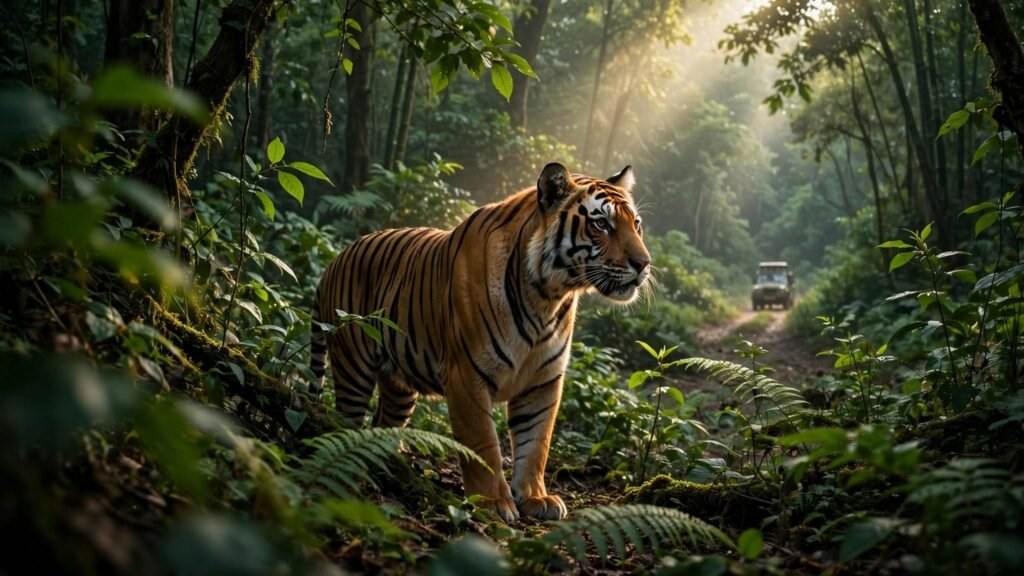
A safari without a tiger sighting can be more ethical than the perfect photograph.
Before you book, ask what the operator does when giving an animal space could cost them a sale.
https://t.co/W1hQvKwbiX
FAO estimates ~⅓ of food made for people is lost or wasted globally. Livestock uses ~77% of agricultural land worldwide (Our World in Data). We are not short of food; we are short of direction. #thebetterhuman
38% of global cropland grows livestock feed; ~50% grows food directly for people. (Global estimate: FAO/Our World in Data.) Land use is a choice, and every plate helps decide what cropland is for. #thebetterhuman
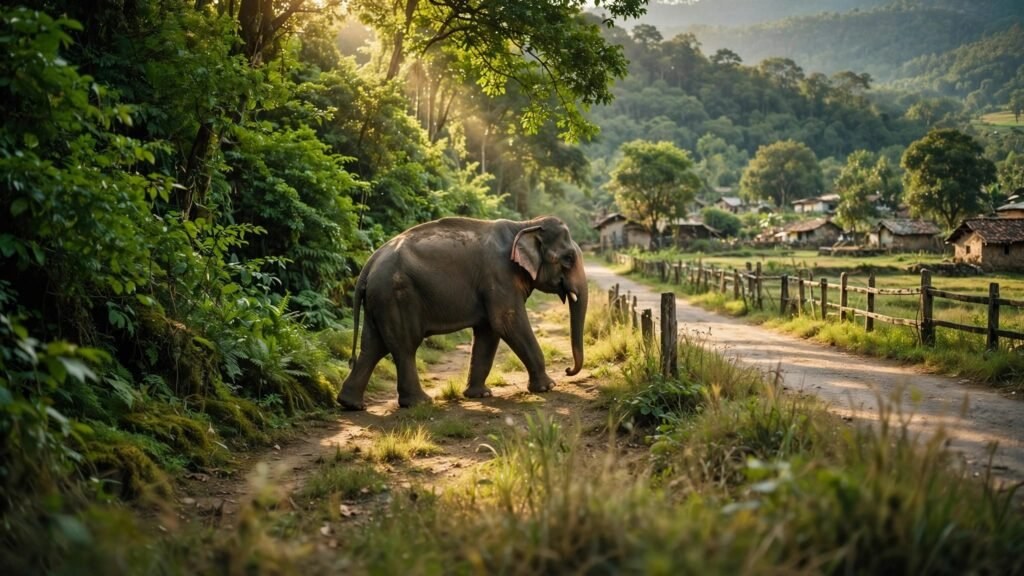
We can protect a reserve on paper and still let roads, fences and construction close the exits elephants use.
The danger reaches elephants and people living beside their traditional routes. Corridors need protection beyond the forest edge.
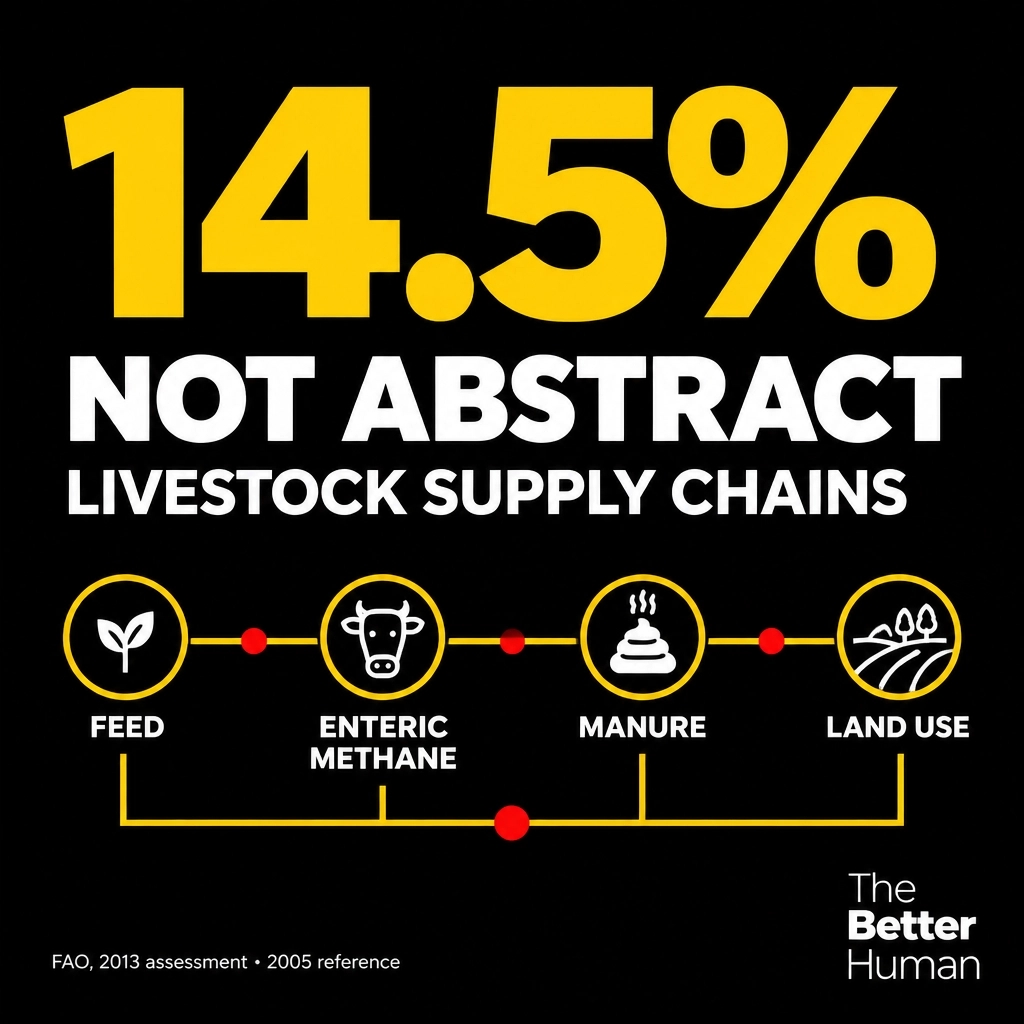
FAO (2013) estimates livestock supply chains account for about 14.5% of human-caused GHG emissions globally. The emissions are not only in the sky. They are on the menu. Every plate shapes demand. #thebetterhuman
14.5%: FAO’s 2013 assessment put livestock supply chains at about 14.5% of human-caused GHG emissions (2005 reference). Feed, methane, manure and land use make the footprint visible. #thebetterhuman#Veganism