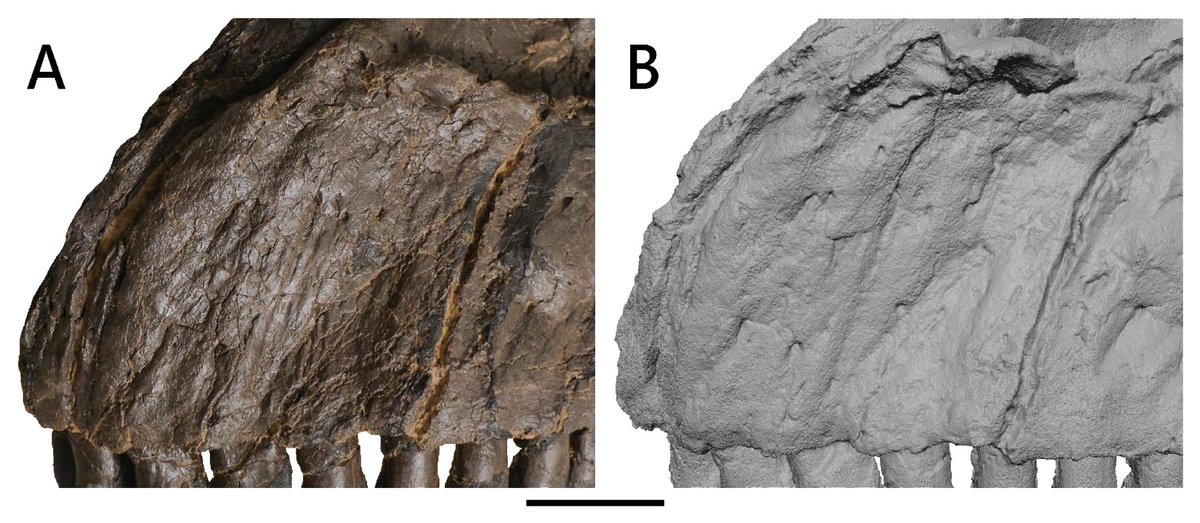
@NickLongrich Much is more clearly defined in illustrations than in photographs. So it's a shame we rarely see illustrations being used nowadays. But when figuring material, using a combination of photographs and 3D renders also works quite well in my experience.
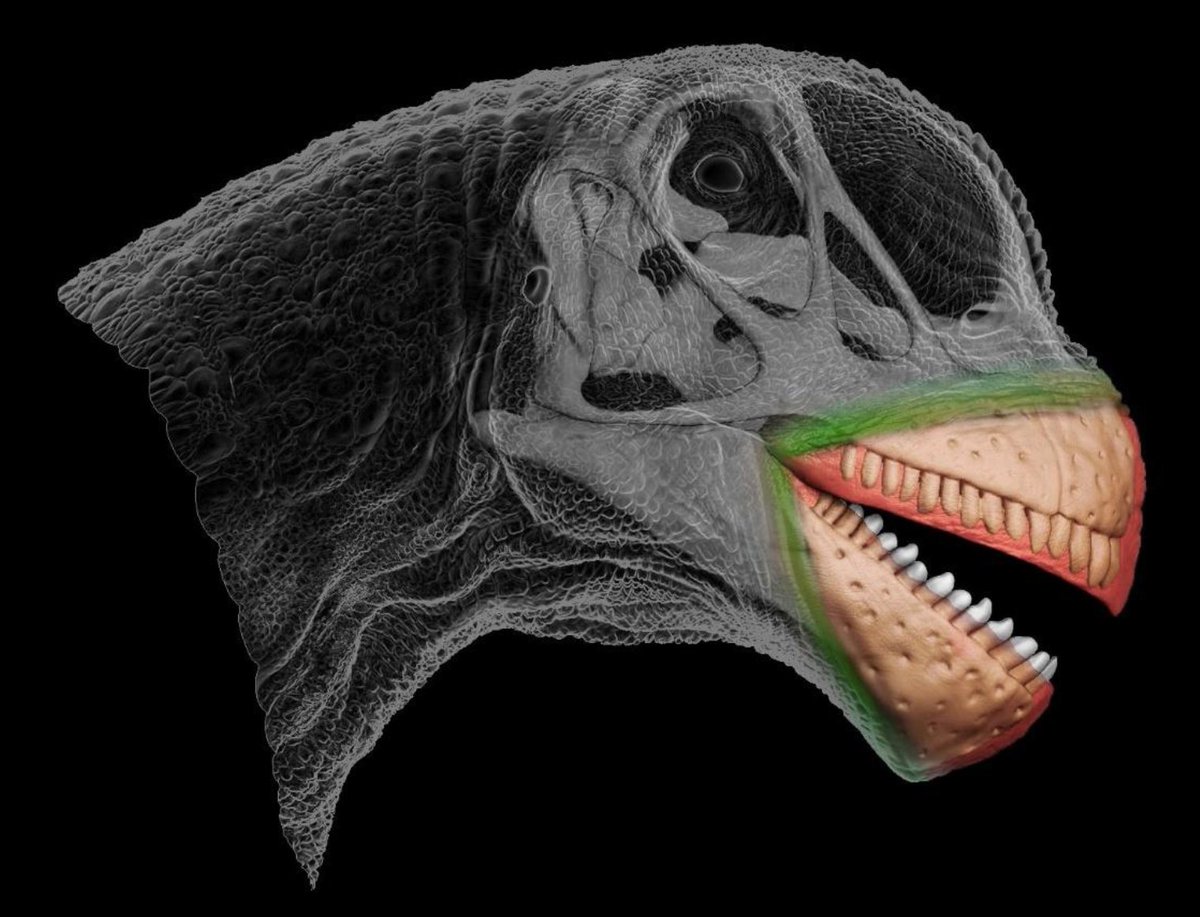
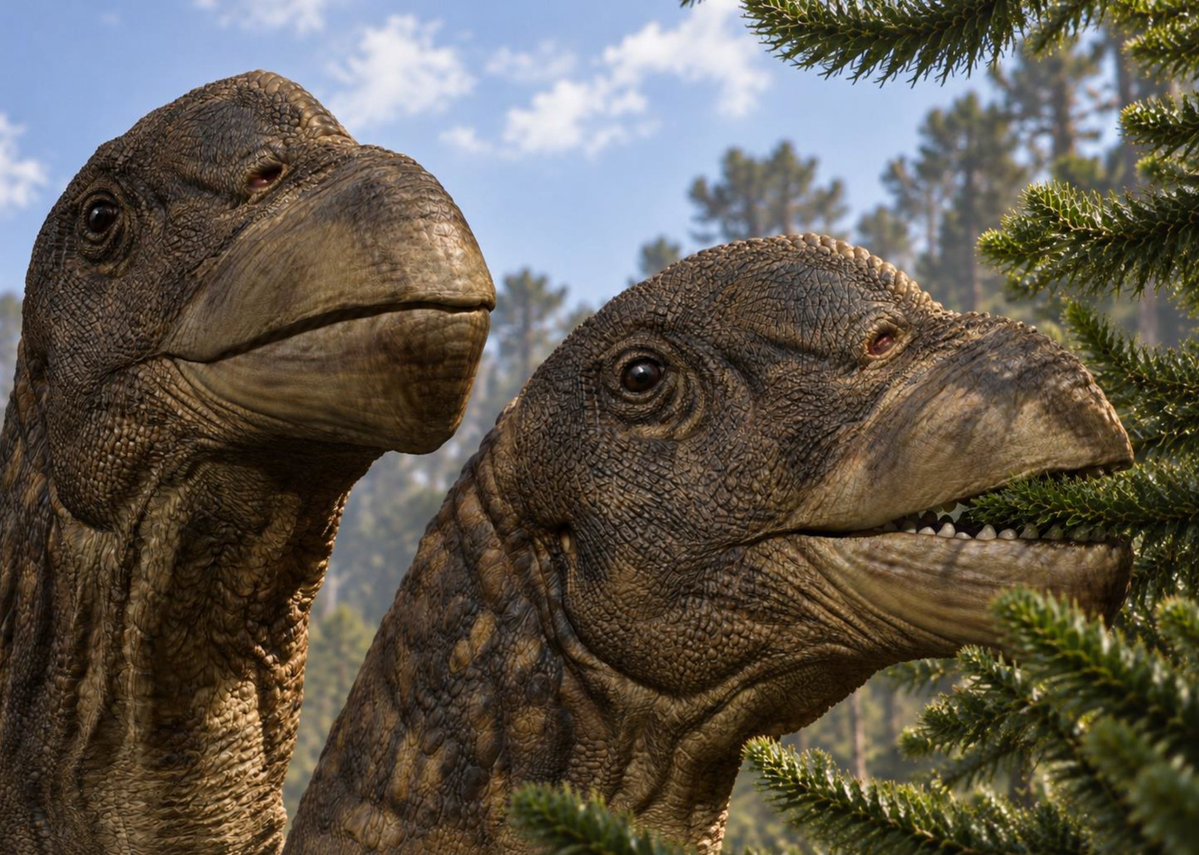
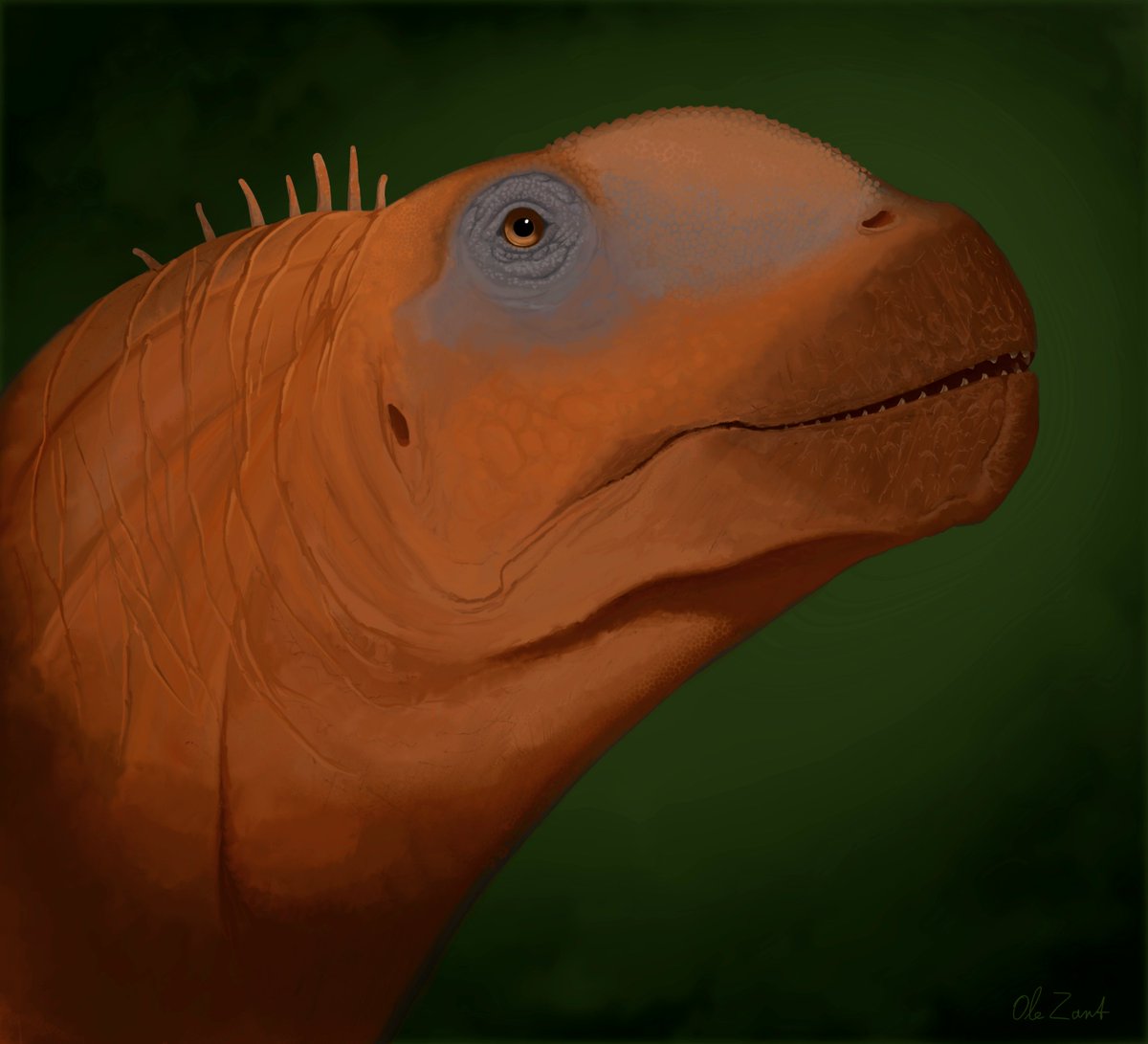
Reconstructed Camarasaurus with a "beak" back in 2021. (As it was suggested by previous papers.) Nice to see more work being done on the topic. I might update my reconstruction at some point, just to detail it some more.
NEW STUDY DROP🚨
SAUROPOD BEAKS CONFIRMED?!
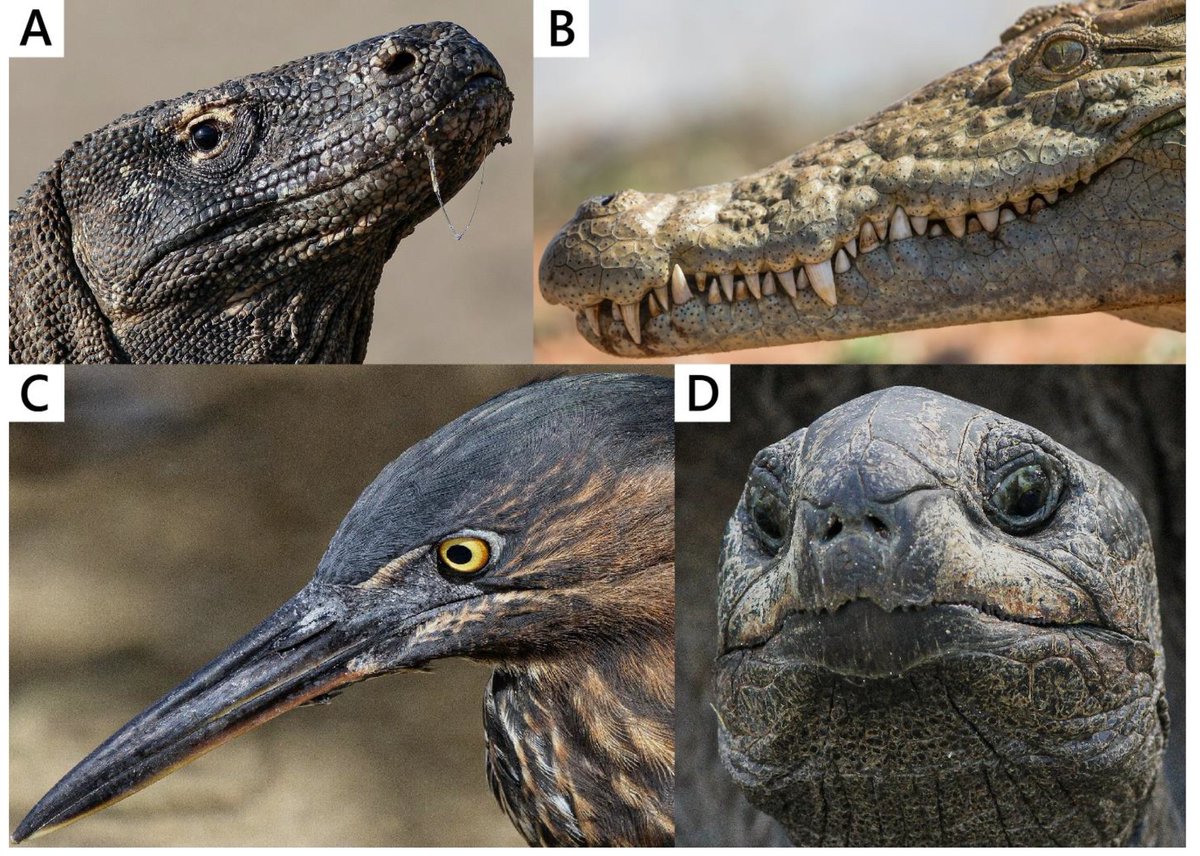
New paper takes different analytical approaches to reconstructing the oral tissues of extinct archosaurs, using Camarasaurus as a model.
🎨: @ManucciFabio
@curyyonic@LuciaLobosvilla@ARGAtheropodfan It could also mean that they found scaleless skin, or a low detail silhouette. For example Carnotaurus' skin doesn't preserve texture, except for the few larger feature scales, and even those are vague.
People shouldn't draw conclusions when really almost nothing has been said.
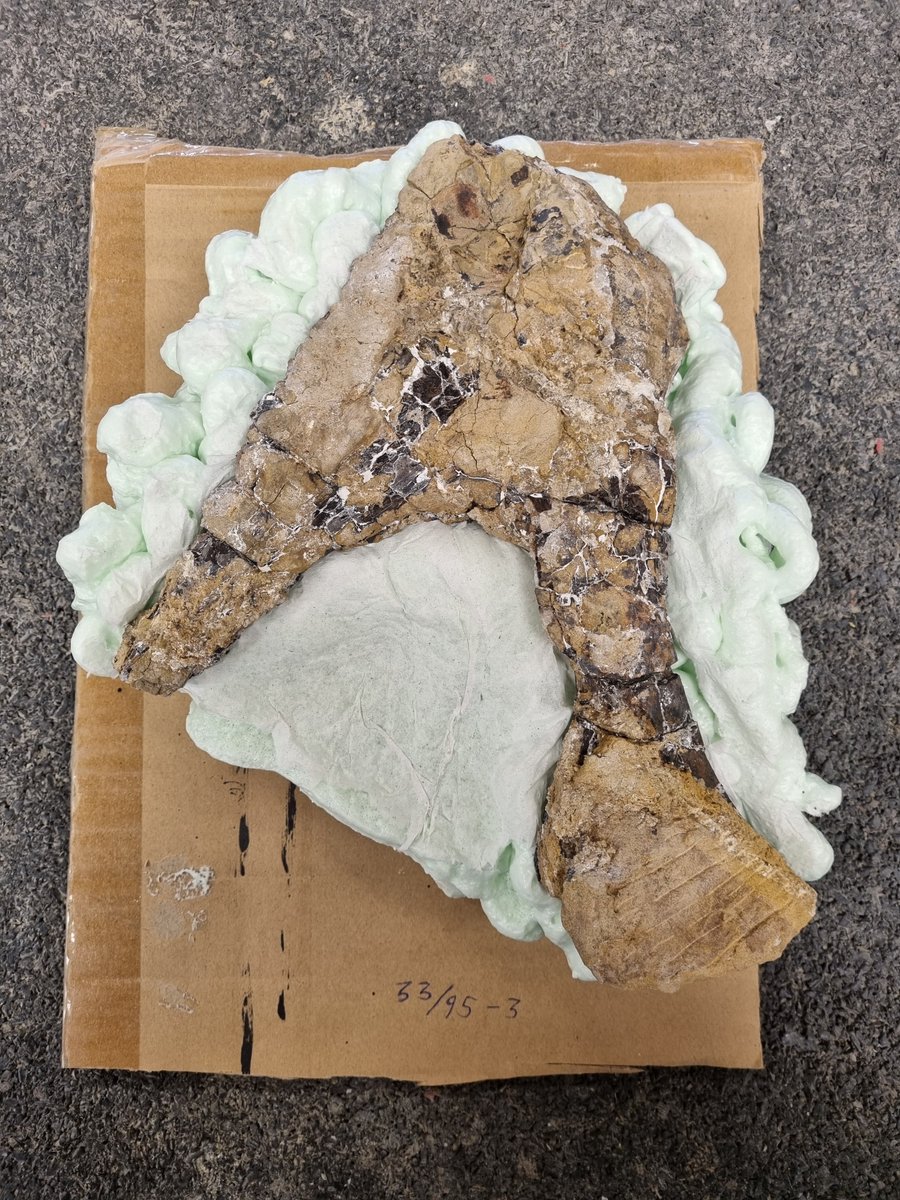
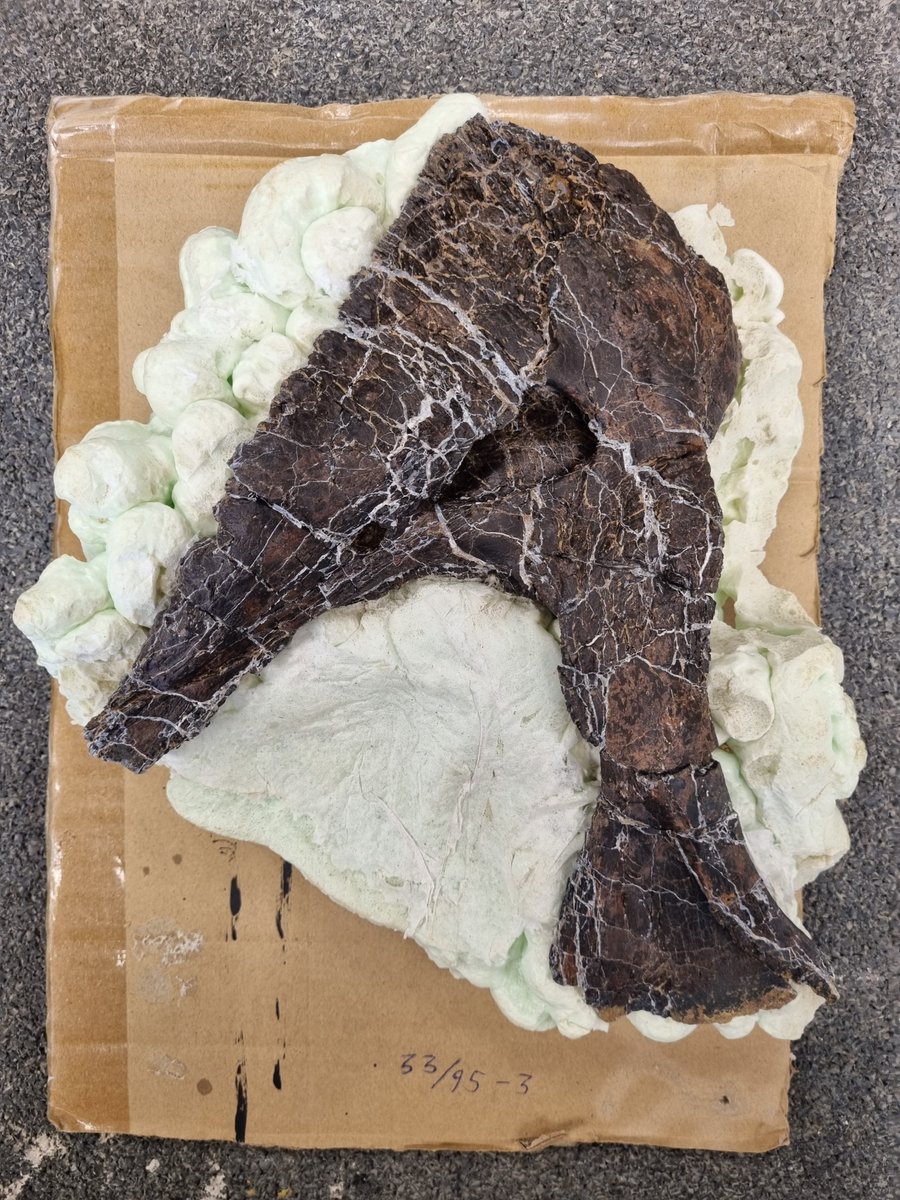
@Fossilcrates It's a really cool skeleton. The lacrimal is back in Switzerland now.
Also, I did just remember I had an even crazier find that tops all of my other experiences working with fossils. But I'll have to keep that one a secret until I've published on it. ;)
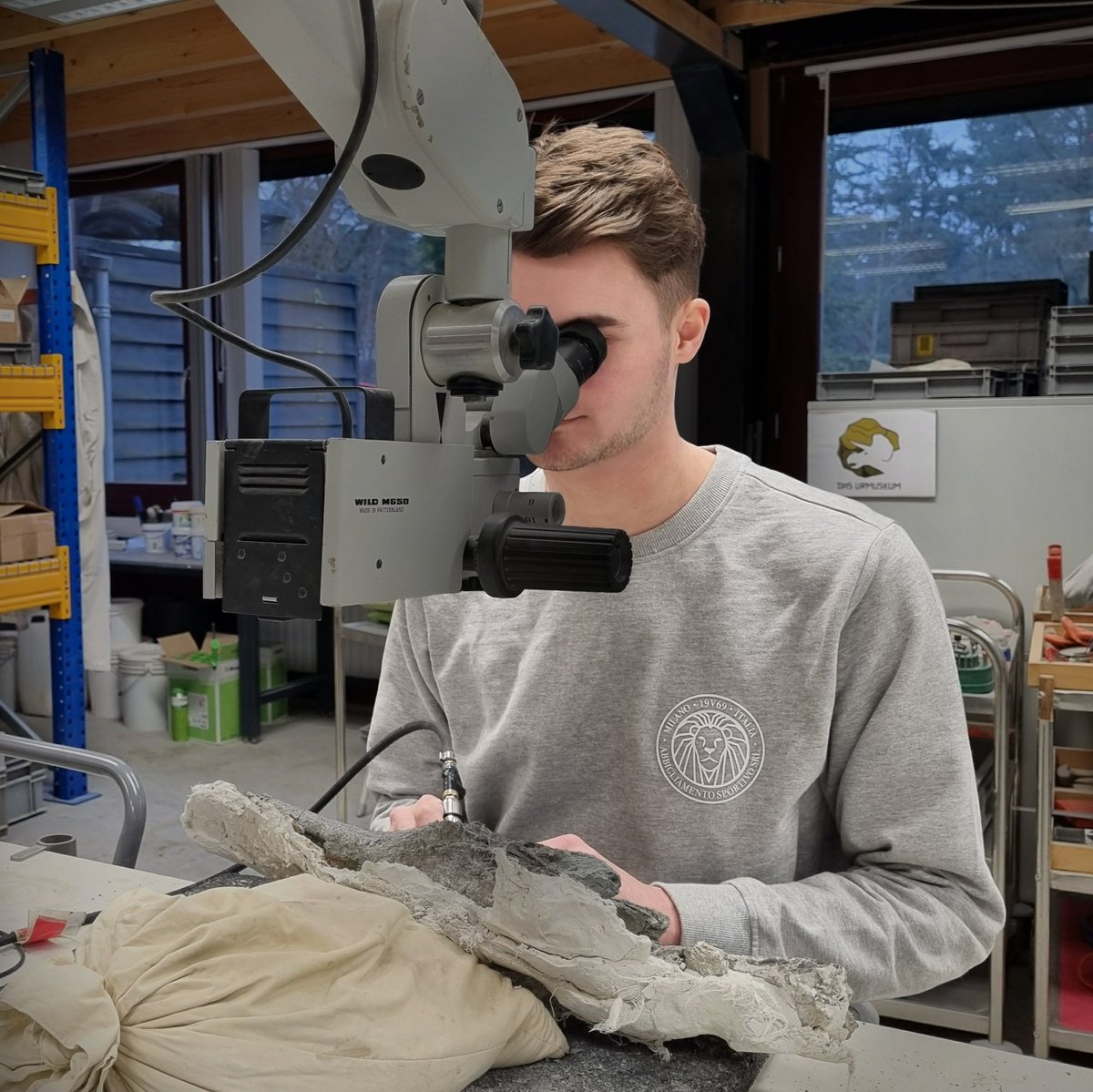
Another cool video on a specimen I prepared at the Oertijdmuseum.
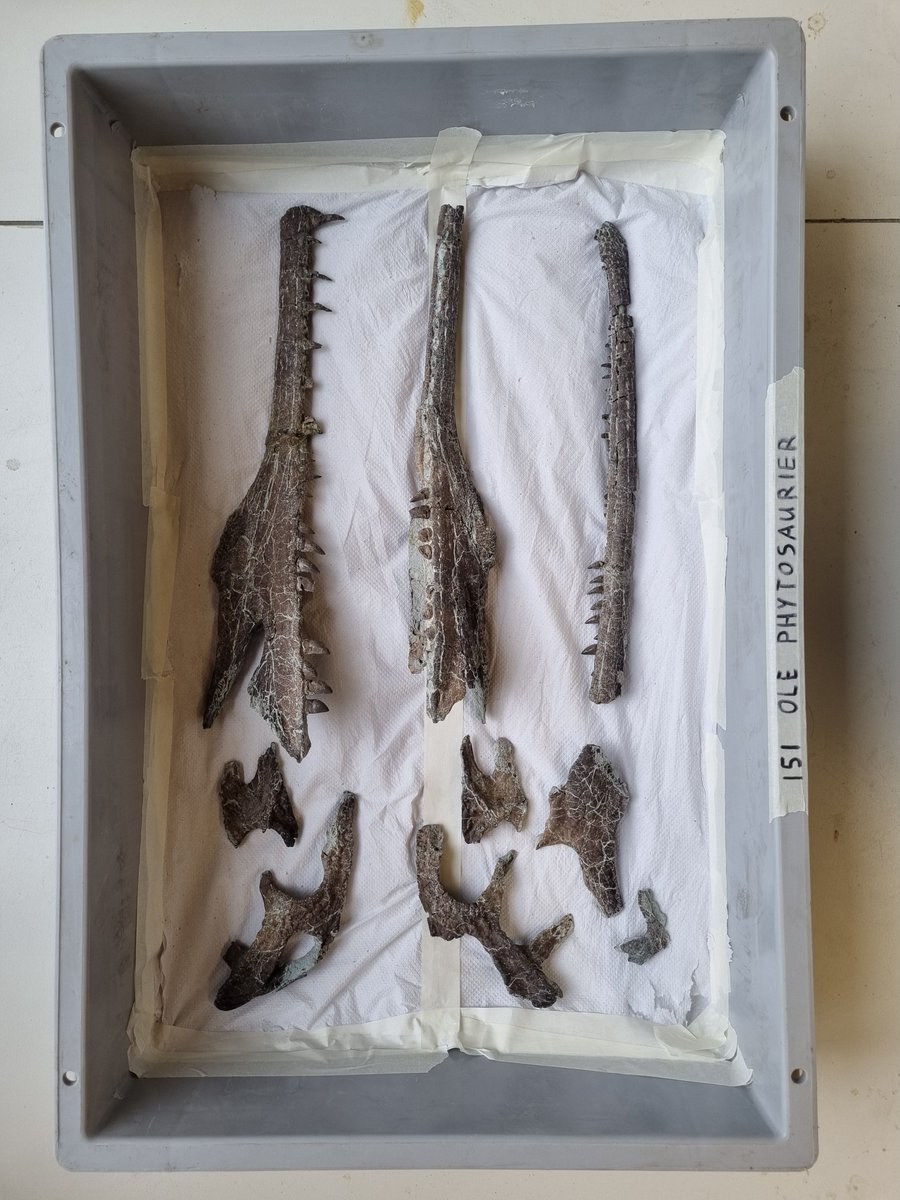
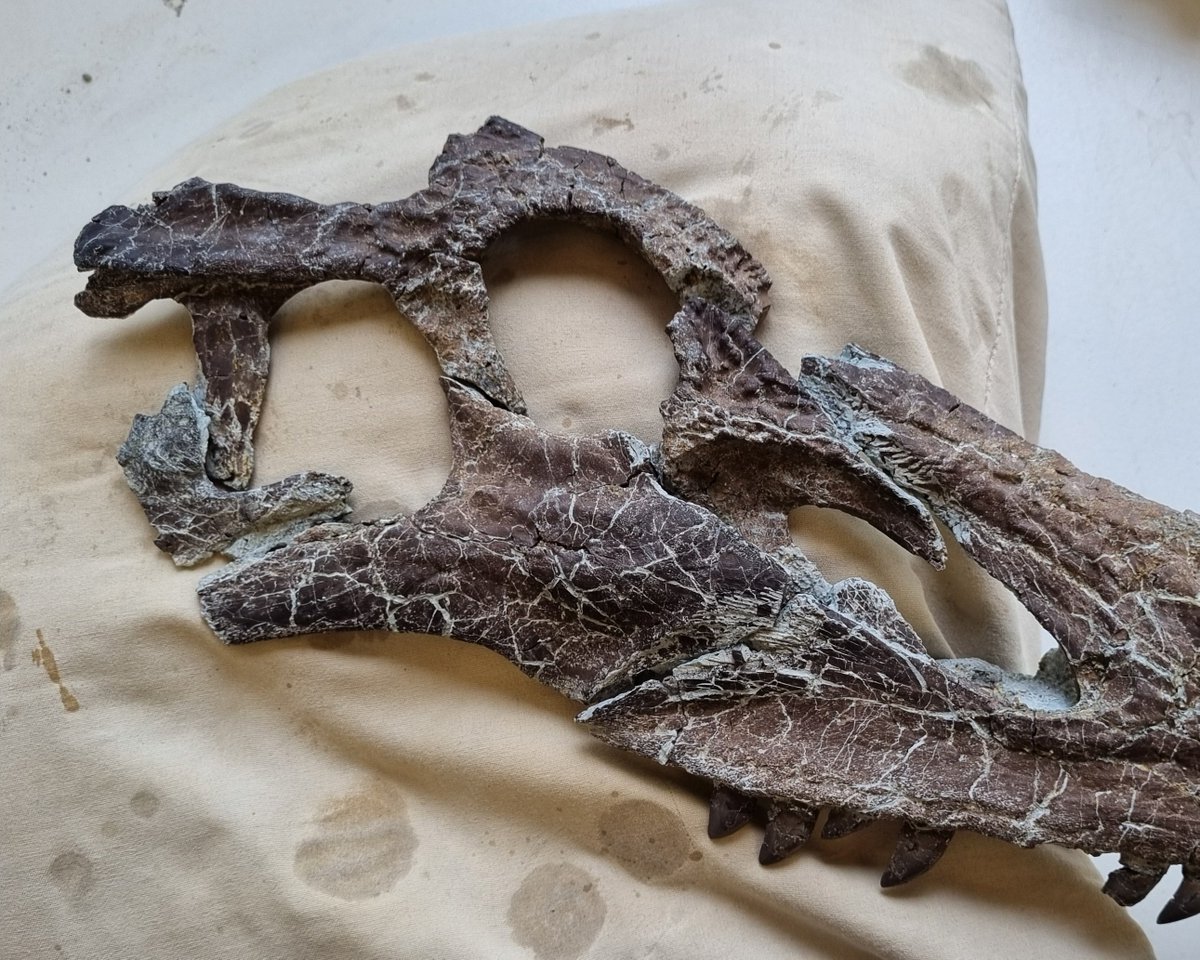
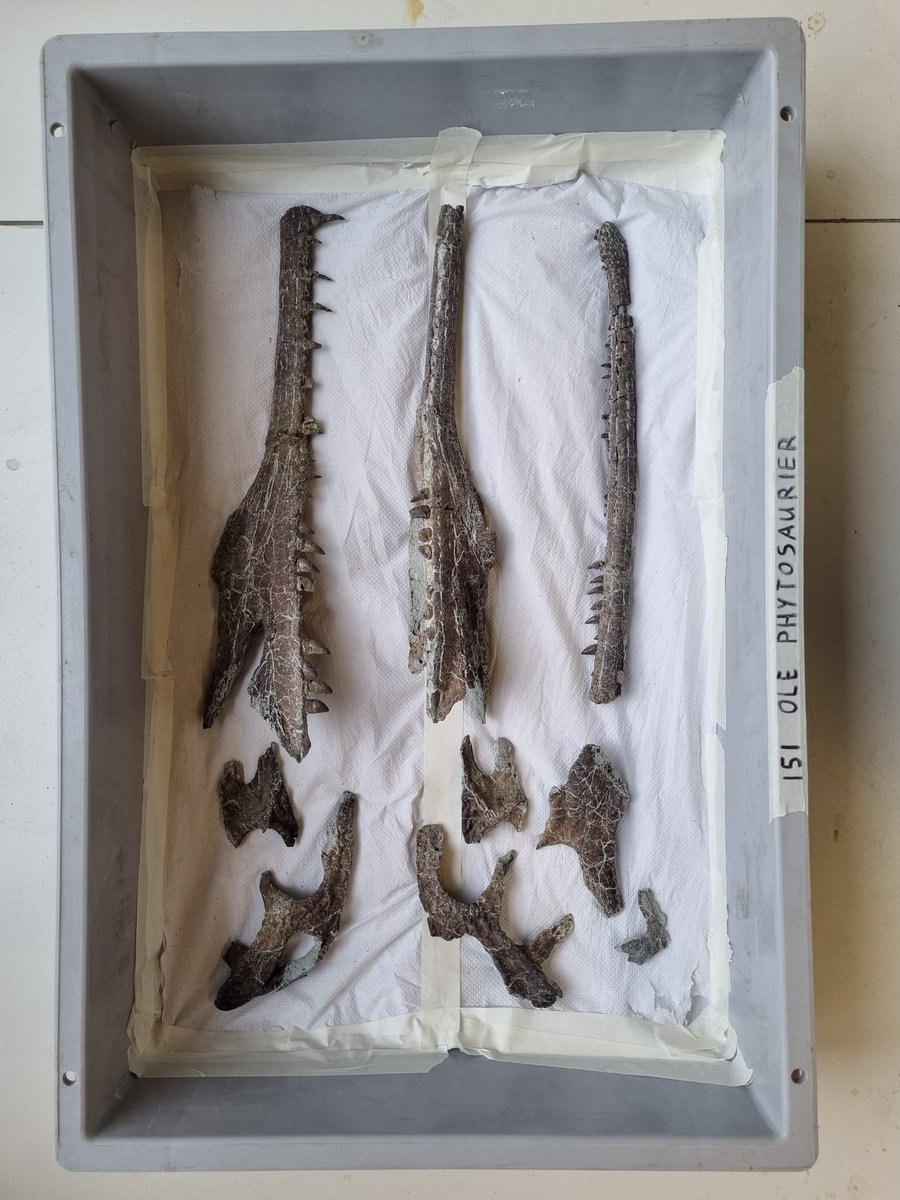
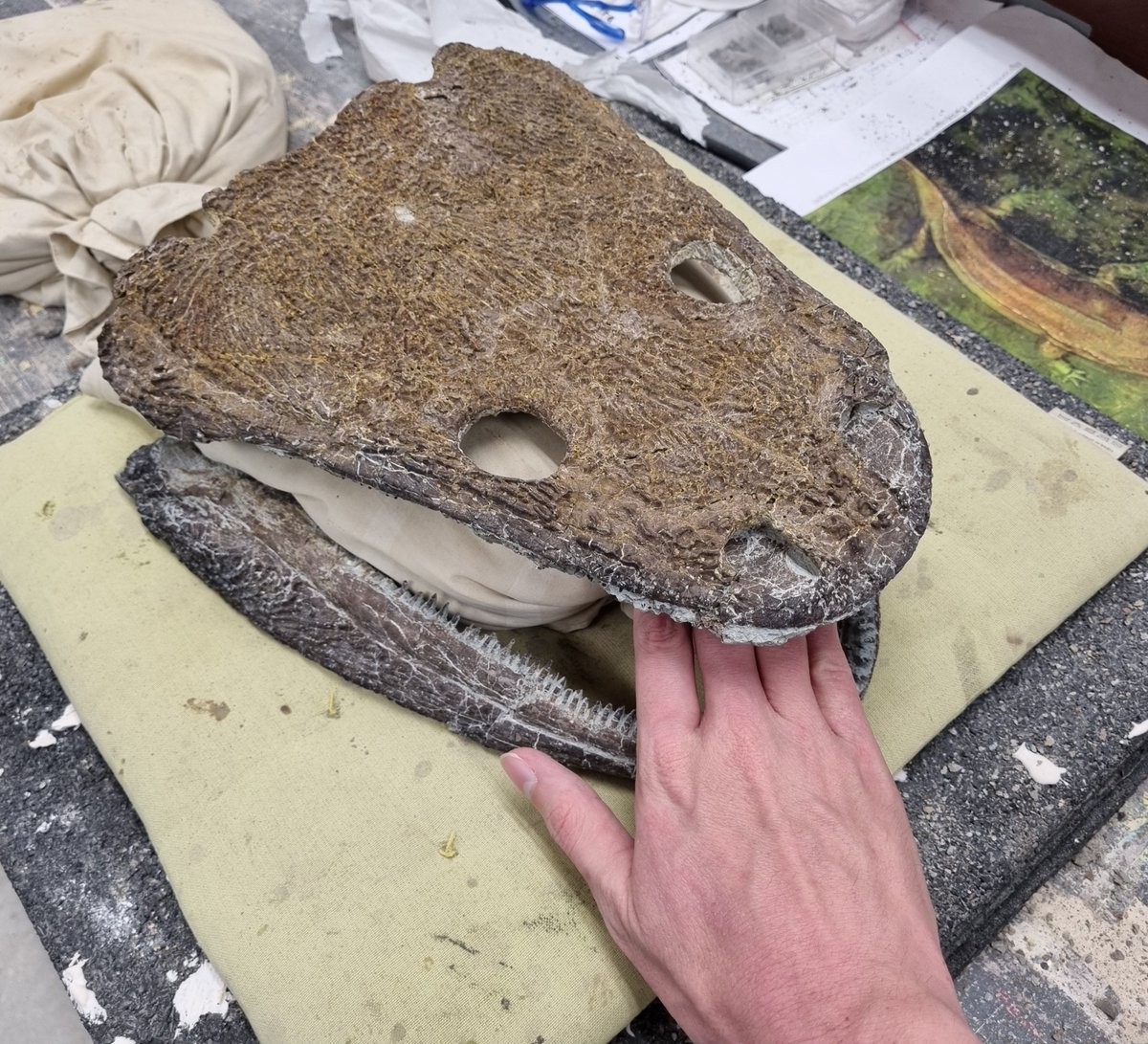
It wasn't without its hurdles, but the result is a a very spectacular phytosaur skull.
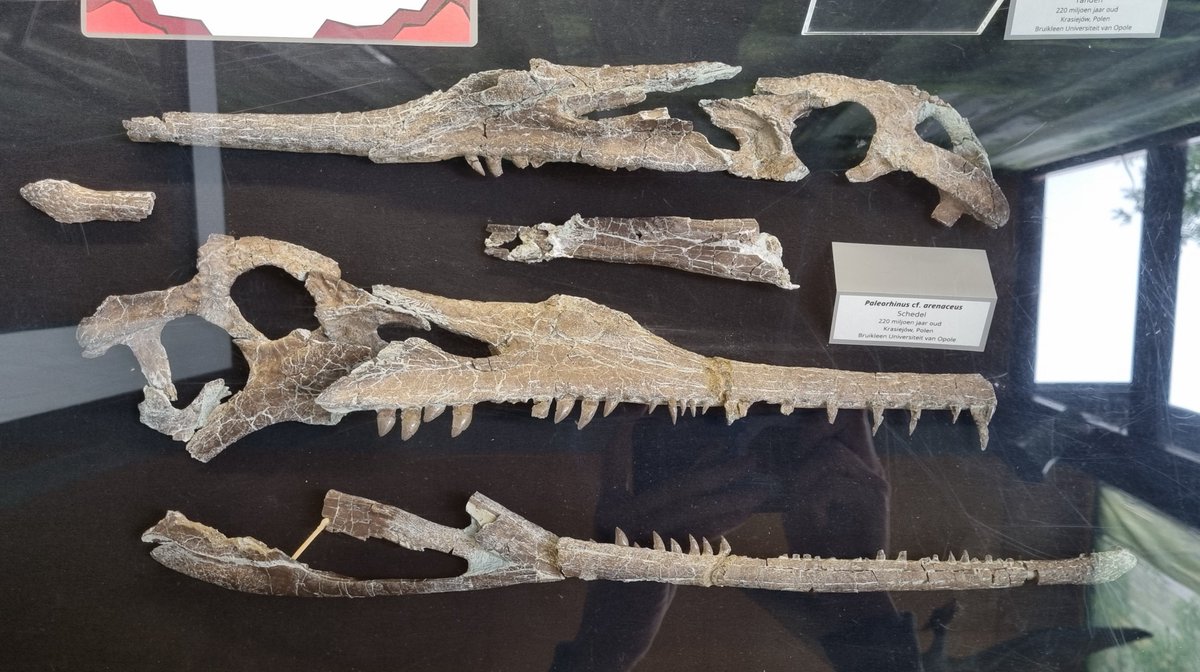
Meet what today is dubbed #Paleorhinus cf. arenaceus, a primitive Phytosaur at the Oertijdmuseum, collected from Poland, spectacularly preserved and prepared,
At ~10’ long, it superficially looked like a modern gharial, albeit with a nose much closer to the eyes.
#FossilCrates
@Fossilcrates Unfortgettable really! Probably my favorite experience from fossil prep. A close second would be the time I identified (and prepared) the missing lacrimal of Big Al Two. Which I encountered unprepped in the Oertijdmuseum, among some sauropod specimens from the same dig site.
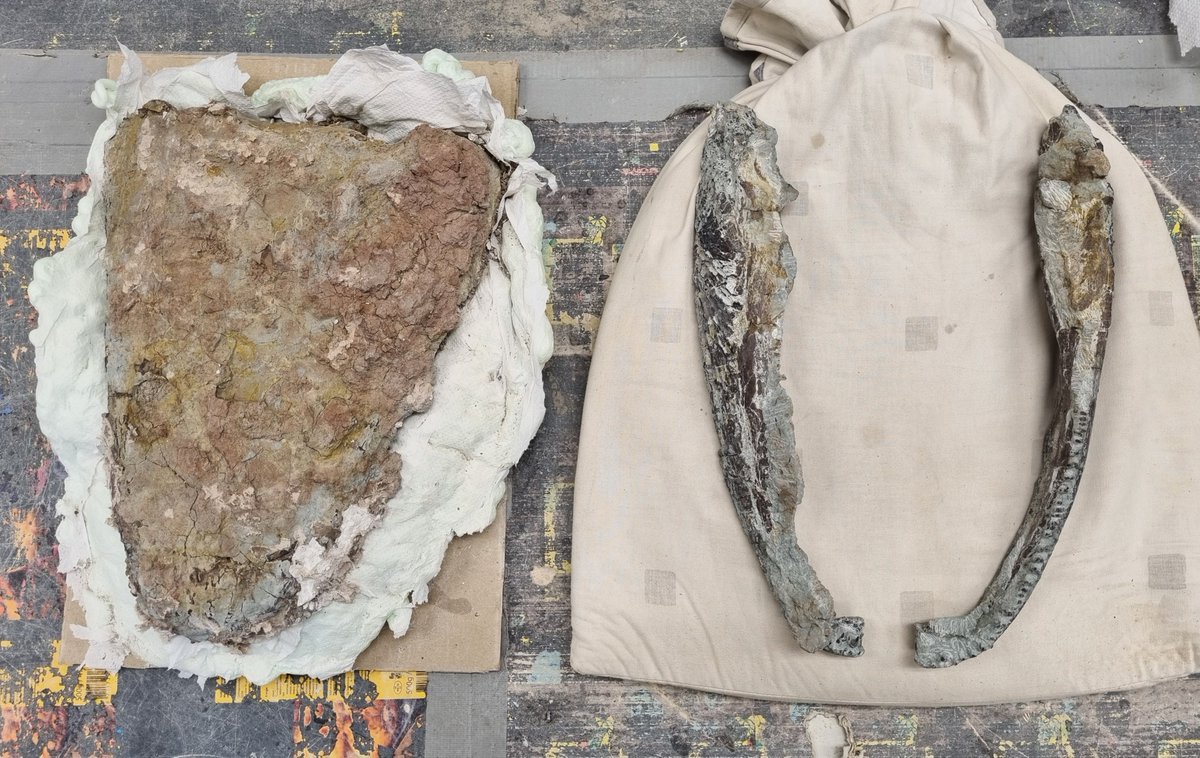
@Fossilcrates I like them too, and had never worked on them before this. Originally our jackets just contained Metoposaurus bones (as was expected). Imagine my surprise when I was exposing some weirdly shaped bones only to suddenly realize two phytosaur eye sockets were staring up at me.
@Fossilcrates Unfortunately not a project I am involved in. As it's from Poland we don't have the authority to describe it from the Oertijdmuseum. There are quite a few more specimens, so it should be one of the better known phytosaur taxa, at least skull wise (if described properly).
@Fossilcrates A super cool specimen. And it's not actually Paleorhinus, but a new, yet unnamed genus and species. Whoever made the sign somehow didn't know that, even though I and others at the museum were aware.
@Fossilcrates Yep. It was one of the surprises we encountered while working on the metoposauruses. They didn't label the jackets so we didn't know there was a phytosaur in there. It was found all the way back in 2004.
#Metoposaurus the predatory pizza box!
These fantastic original material specimens from Poland are on display at the Oertijdmuseum in Boxtel, Netherlands.
The skeletal mount is a nicely done composite.
#FossilCrates
@Fossilcrates Thank you!!
I also did the phytosaur skull in the display next to it. It was even more difficult than the Metoposaurus skull. Unfortunately it was never mounted, so it's usually overlooked by visitors. It's even a yet unnamed genus and species.
@ThePaleoFreak@MiloGaillard3 Reading the paper again it seems he actually assigns syntypes, as you mentioned. Making me question what went wrong in the plate&figure descriptions, as well as in other papers. I guess this is an issue that needs to be clarified in a future publication.
@ThePaleoFreak@MiloGaillard3 No need to be rude. Other publications mentioning Bahariasaurus also refer to just 1922 X 47 as the holotype. This includes Rauhut (1995), Ibrahim et al. (2020), Augustin et al. (2023), Salem (2023), Cau & Paterna (2025).
@ThePaleoFreak@MiloGaillard3 He assigns those to the same species. He clearly states only the first remains are the holotype. Which is 47. The remains of 48 and 48B are referred, and the diagnosis is based on those specimens as well, hence why he mentions them.